Wheel Alignment Machines Built to last
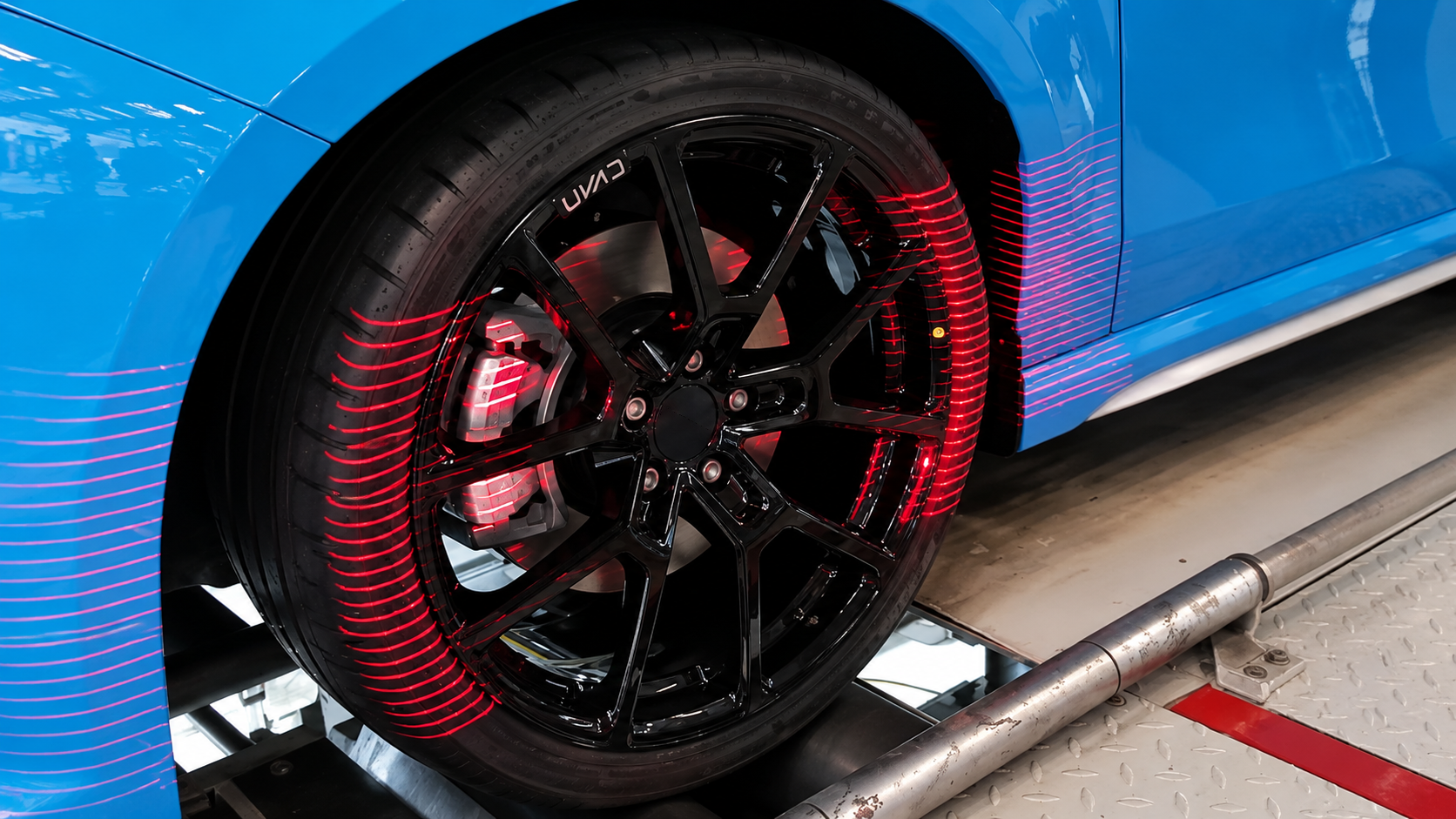
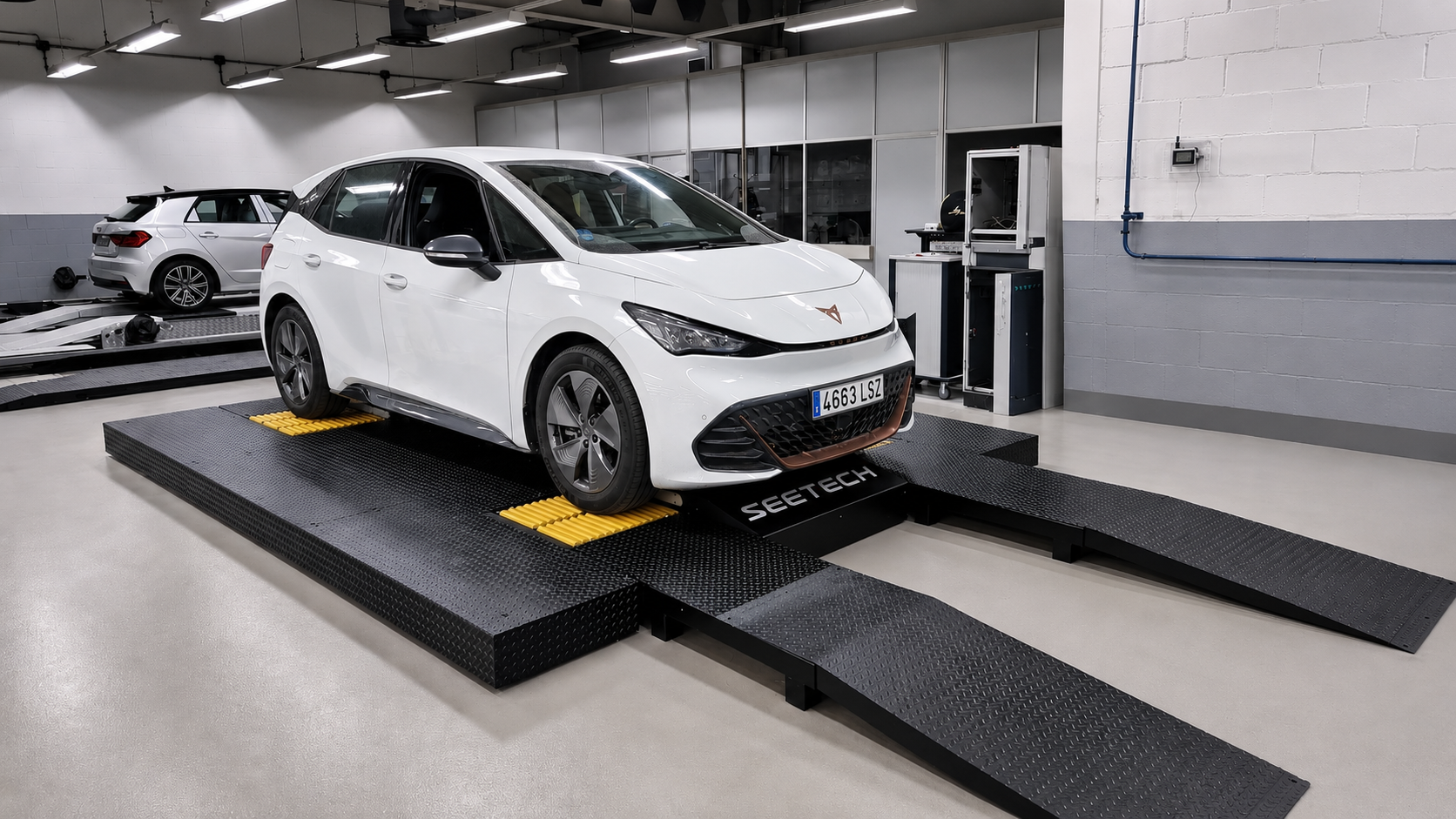
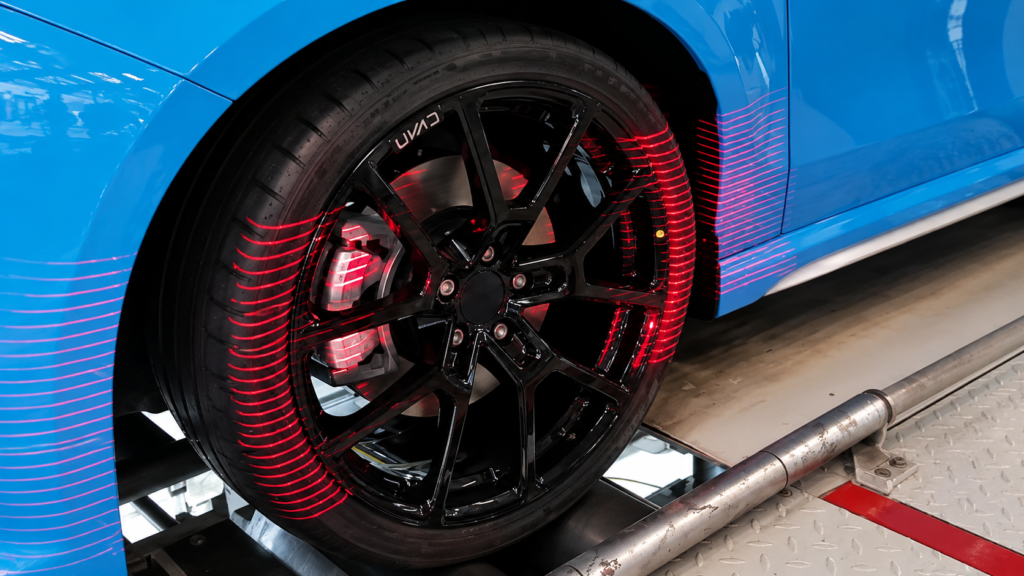
The HYDRA W15 is SEETECH’s flagship wheel alignment machine for automotive OEMs, Tier-1 chassis suppliers and high-volume production lines. Where most non-contact 3D wheel alignment machines force every customer through a single set of eyes — one sensing principle, one tire portfolio, one set of compromises — the HYDRA W15 has three. Multi-line laser triangulation, structured-light 3D projection, and high-resolution camera vision live on the same mechanical and software platform. Each technology is selected per application, not imposed on every line.
The result is wheel alignment machines with toe accuracy better than ±0.02° (≈1.2 arc minutes), 60 JPH cycle time in semi-automatic configuration, and full multi-axle support up to 16 t axle load. One platform, three measurement technologies, three levels of automation, every chassis architecture from passenger EV to heavy commercial truck.
Why OEMs Choose our Wheel Alignment MACHINES
Most non-contact wheel alignment machines on the market are locked into a single measurement principle: either a line-laser profile, an area-based laser surface, or a multi-camera vision array. That works for a narrow band of tire types, plant lighting and vehicle architectures — and forces every other use case into a compromise.
The HYDRA W15 takes a different approach. Three measurement technologies are available on the same mechanical and software platform:
- Multi-line laser triangulation — highest accuracy on conventional tires, immune to most ambient light conditions
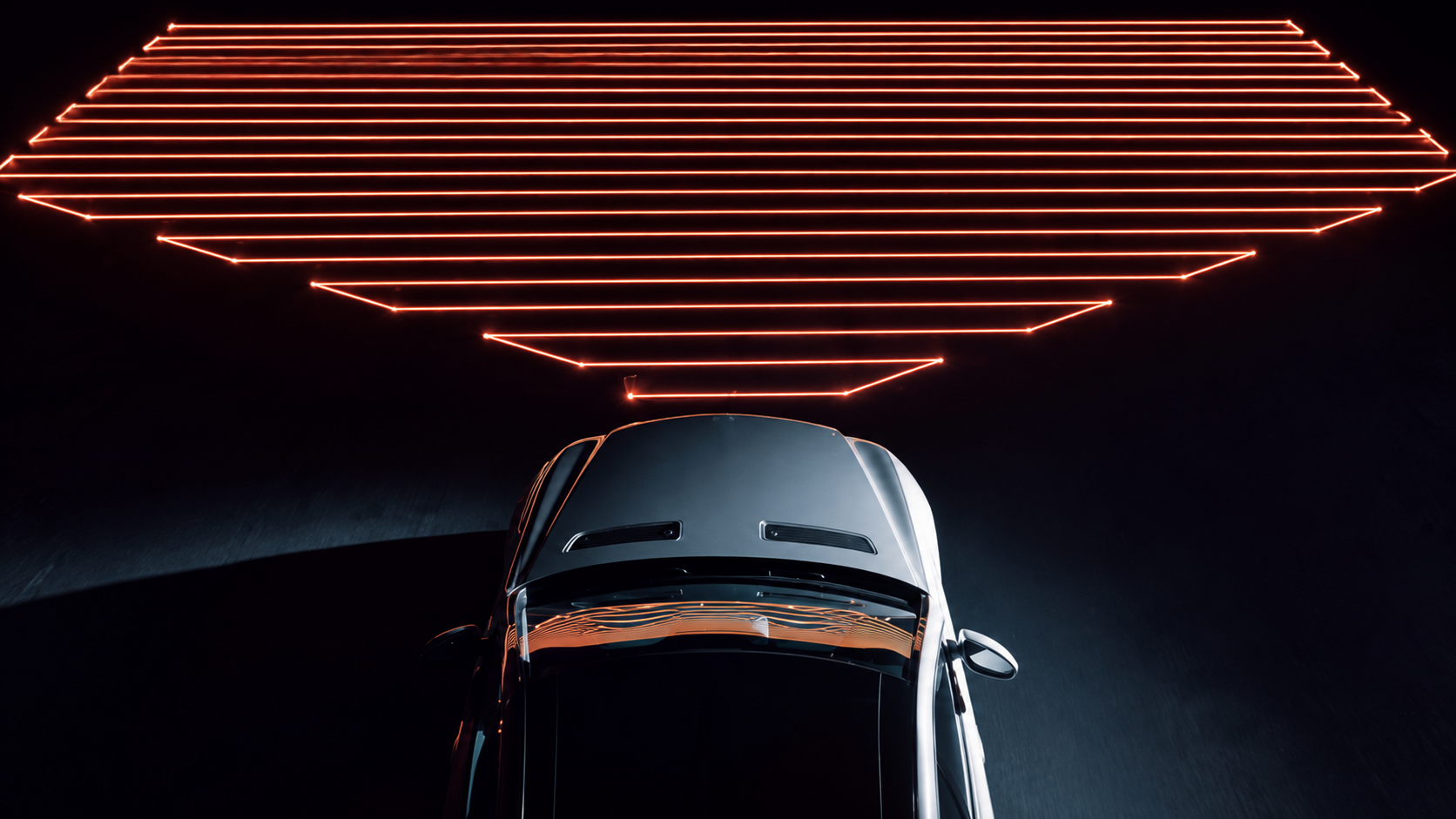
- Structured-light 3D projection — full-surface reconstruction of the wheel and arch with no moving parts, ideal for high-volume inline lines and unusual tire profiles
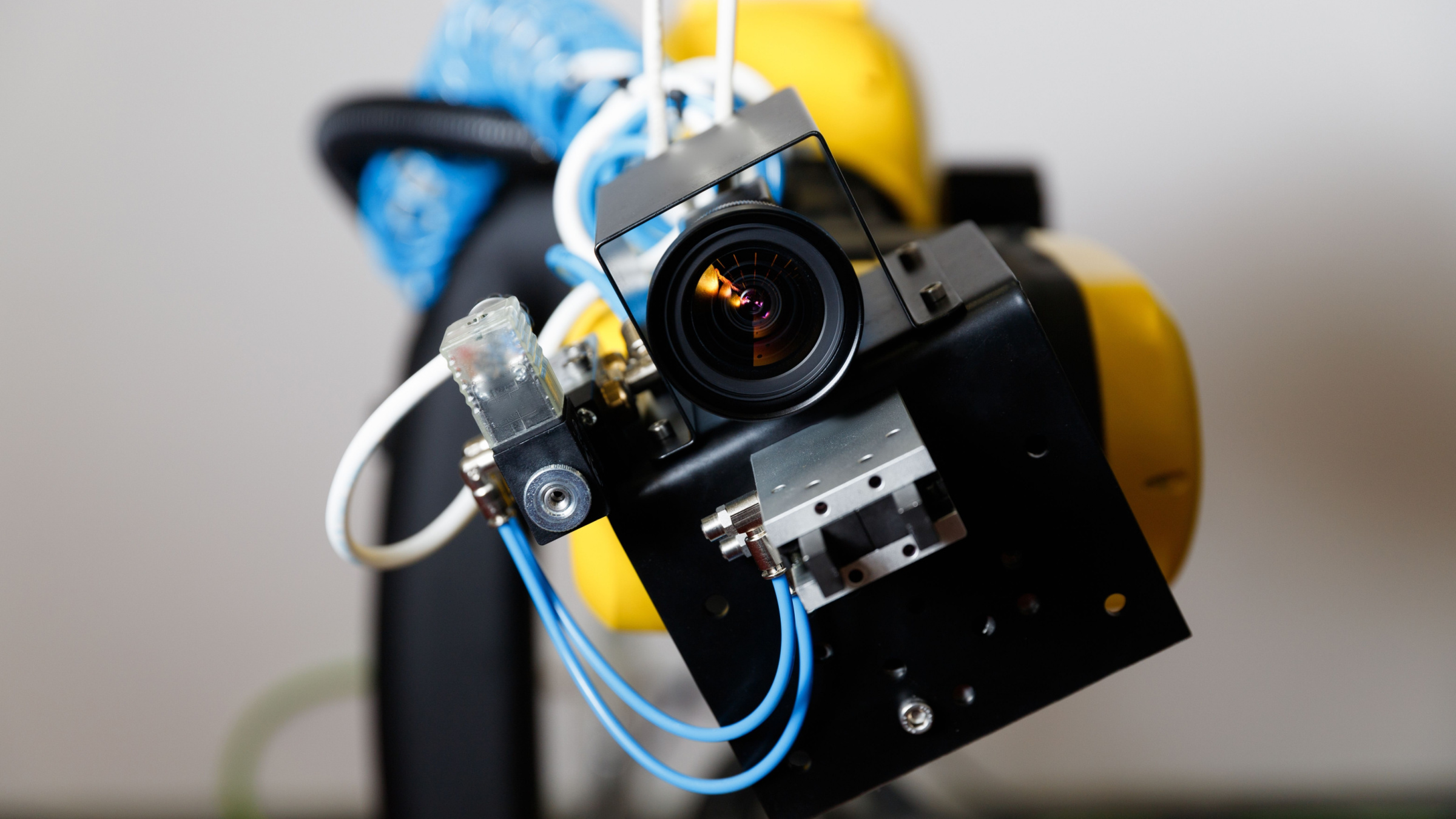
- High-resolution camera vision — cost-effective configuration where laser projection is restricted or not required
For OEMs running mixed-architecture lines — passenger ICE, passenger EV, light commercial and heavy truck on the same plant — this is the difference between buying one platform that fits every model and buying three separate cells for three different tire portfolios.
Sub-arc-minute accuracy — premium tier
Using high-density 3D measurement and SEETECH’s proprietary point-cloud algorithms, the HYDRA W15 resolves toe position to better than ±0.02° (≈1.2 arc minutes) and camber and caster to better than ±0.03°. Repeatability is held to ±0.01° or better. These figures match or exceed the published accuracy of every premium wheel alignment stand in the market today — at the spec sheet, in the rolling master, and on the production floor.
Universal Wheel Alignment Platform — passenger to heavy commercial
The HYDRA W15 is a single-platform passenger-car wheel aligner, light-commercial wheel aligner and heavy-truck wheel alignment stand thanks to modular floating-plate sets and configurable tread-width ranges:
- Passenger cars (all segments, ICE and EV)
- Light commercial — vans, transporters, minibuses (up to 3 t axle load)
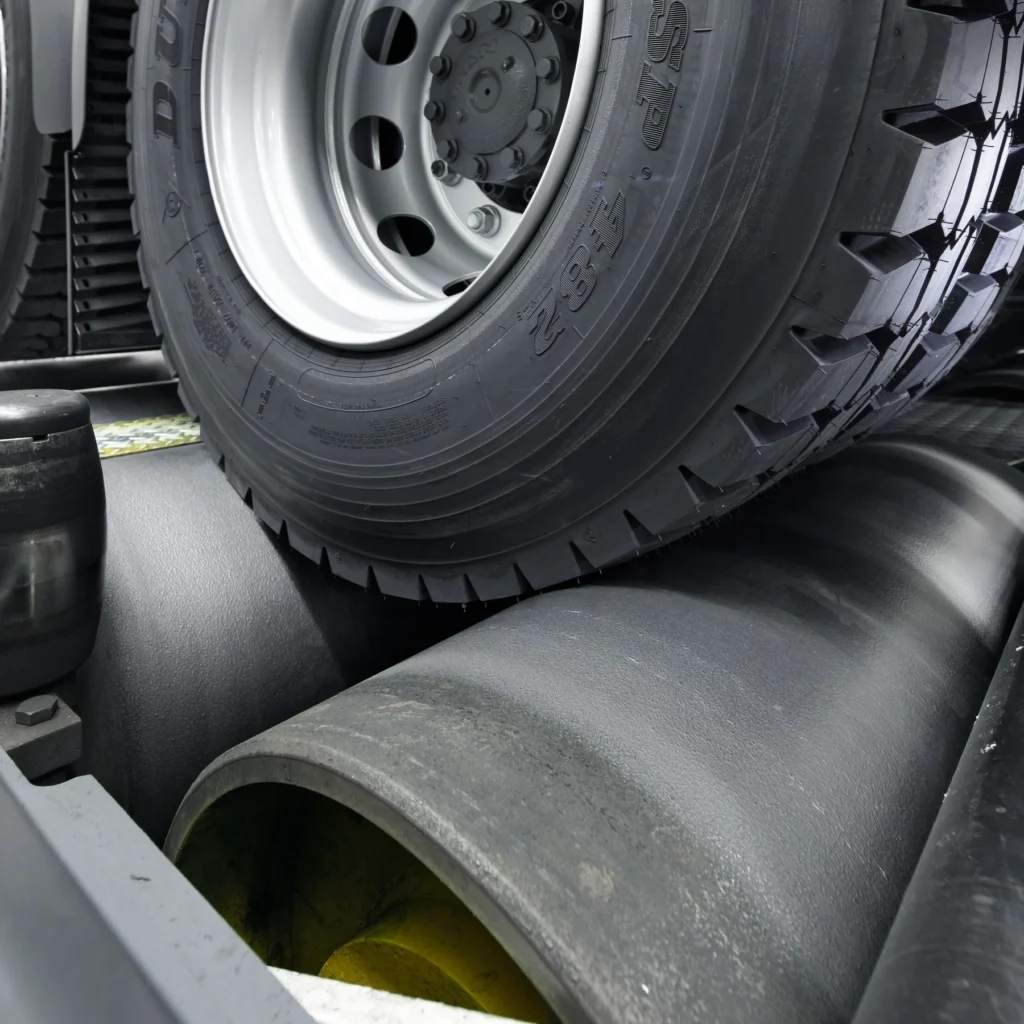
- Heavy commercial — trucks, buses (up to 10 t axle load)
- Heavy multi-axle commercial — up to 16 t axle load, three sets of floating plates for front, middle and trailing axles
- LHD and RHD switchable without hardware change
One platform, three levels of automation
- HYDRA W15 Manual — operator-guided, ideal for audit lanes, rework areas and CKD plants
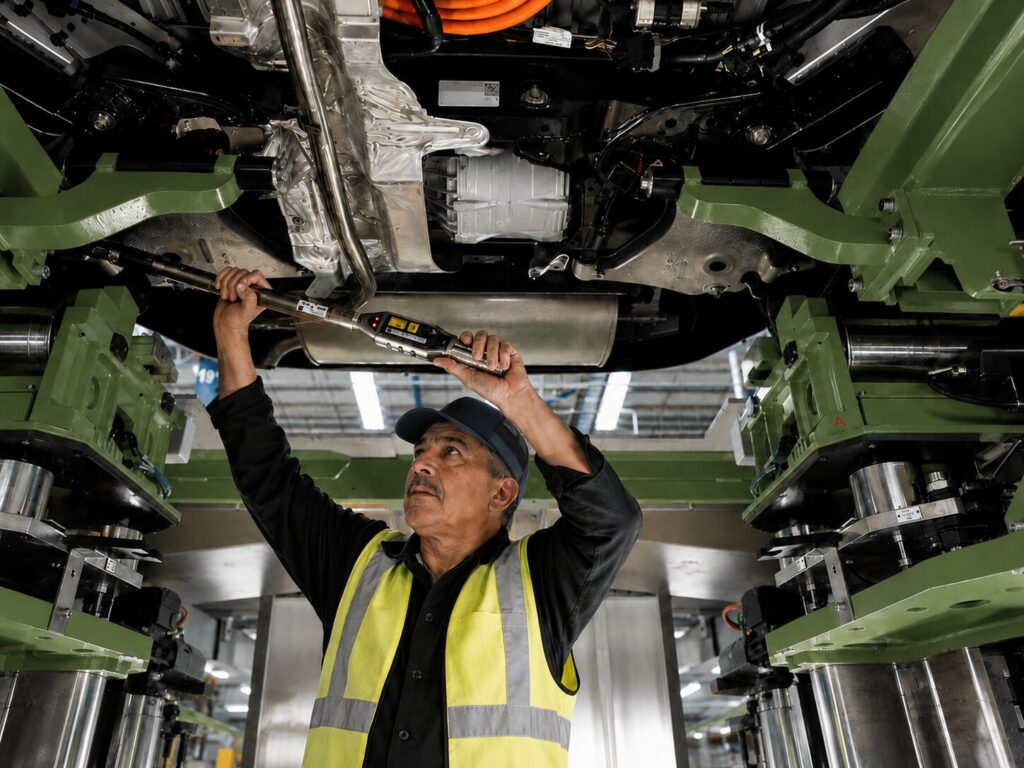
- HYDRA W15 Semi-Auto — integrated cordless power tools with torque control and full plant torque-data integration
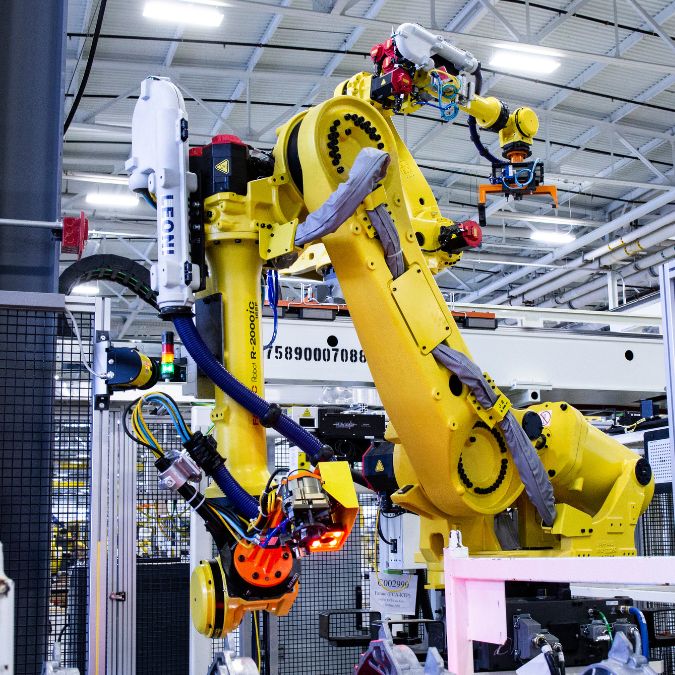
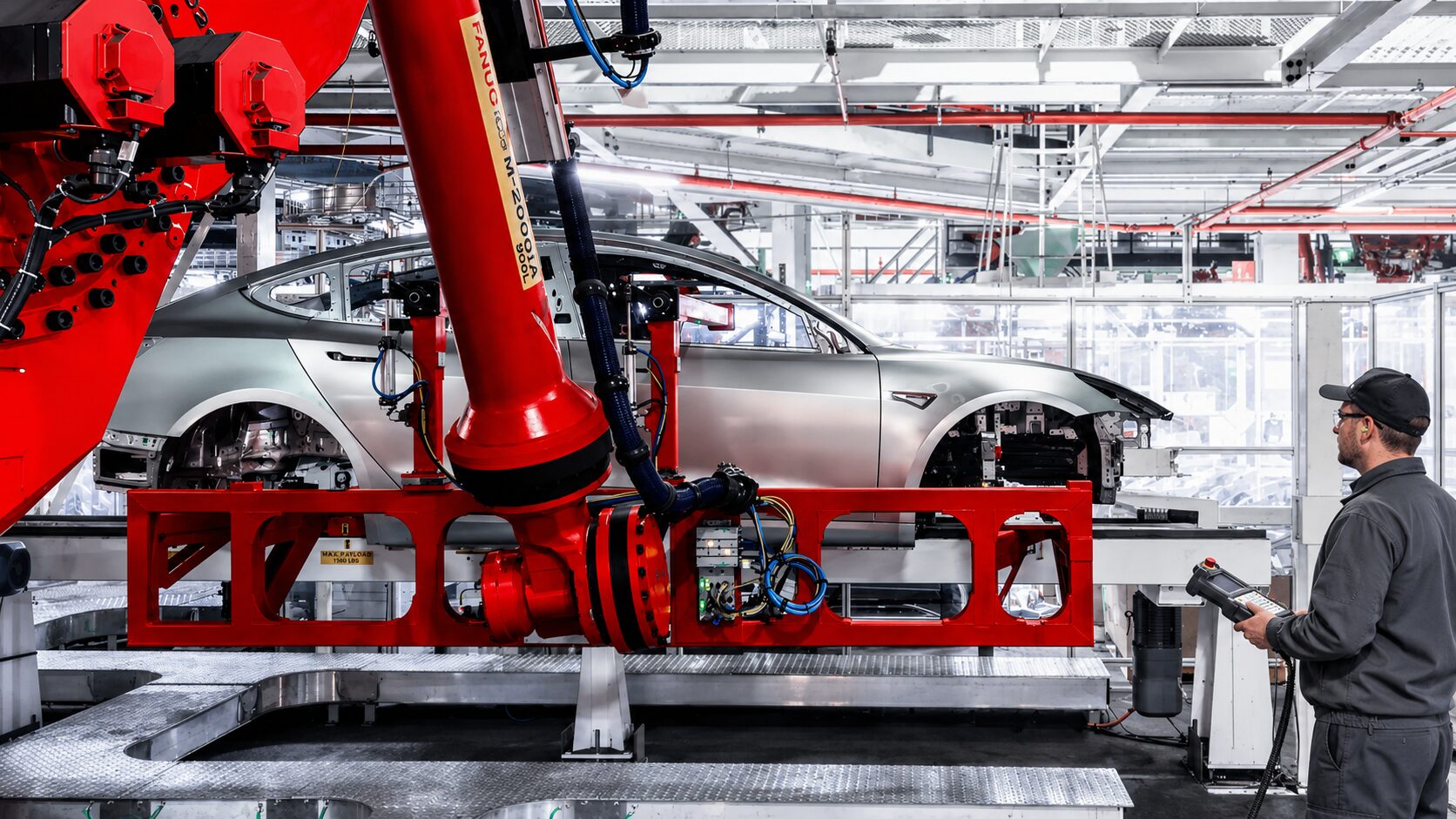
- HYDRA W15 Robotic — robot arm with auto adjustment-screw recognition, fully automated front toe / camber / caster set-and-secure; driverless inline operation available as an option
You can start with manual and upgrade in-place. No platform change, no second purchase order.
Customer-performed calibration — no vendor lock-in
The HYDRA W15 is designed so that your own maintenance team can perform calibration using SEETECH-supplied rolling master and master gauges. No need to schedule and wait for an external service engineer. No proprietary consumables. No vendor lock-in on calibration. A calibration process your own team can run, on your own schedule.
specifications of our wheel alignment machines
We’ve matched or exceeded the highest specifications offered by leading global competitors:
- Footprint: Configurable to plant layout — inline, offline or end-of-line
- Measurement principle: Non-contact 3D — multi-line laser triangulation, structured-light projection or camera vision (selectable per application)
- Camera resolution: High-density 3D measurement with multi-camera modules per wheel
- Toe accuracy: ≤ ±0.02° (≈1.2 arc minutes)
- Camber accuracy: ≤ ±0.03°
- Caster accuracy: ≤ ±0.03°
- Repeatability: ≤ ±0.01° per axis
- Measured parameters: Toe (individual and total, front and rear), camber, caster, KPI/SAI, thrust angle, setback, track width, wheelbase, steering wheel angle, ride height, body height, vehicle weight per corner
- Caster sweep range: 12° minimum, 16° optional
- Tread-width range: ±100 mm standard, ±200 mm optional (covers 1,200–2,300 mm typical)
- Wheelbase range: 2,000–4,000 mm passenger; up to 7,000 mm commercial
- Maximum axle load: 3 t passenger / light commercial; 10 t heavy commercial; up to 16 t multi-axle
- Cycle time: ≤ 60 s per vehicle (60 JPH) in semi-automatic configuration; ≤ 90 s fully robotic with adjustment
- Vehicle ID input: Barcode, QR, RFID, VIN scan, MES handshake, vision-based model recognition
- Communication protocols: Profinet, EtherCAT, OPC-UA, MQTT, TCP/IP, MES / ERP integration, Gigabit Ethernet
- Power: 230 / 400 V AC, 50/60 Hz
- Compressed air (robotic config): 6 bar
- Operating temperature: 5 – 40 °C
- Compliance: ISO 9001, IATF 16949, CE; calibration traceable to ISO/IEC 17025
VEHICLE CATEGORIES
Applications Across the OEM Vehicle Spectrum
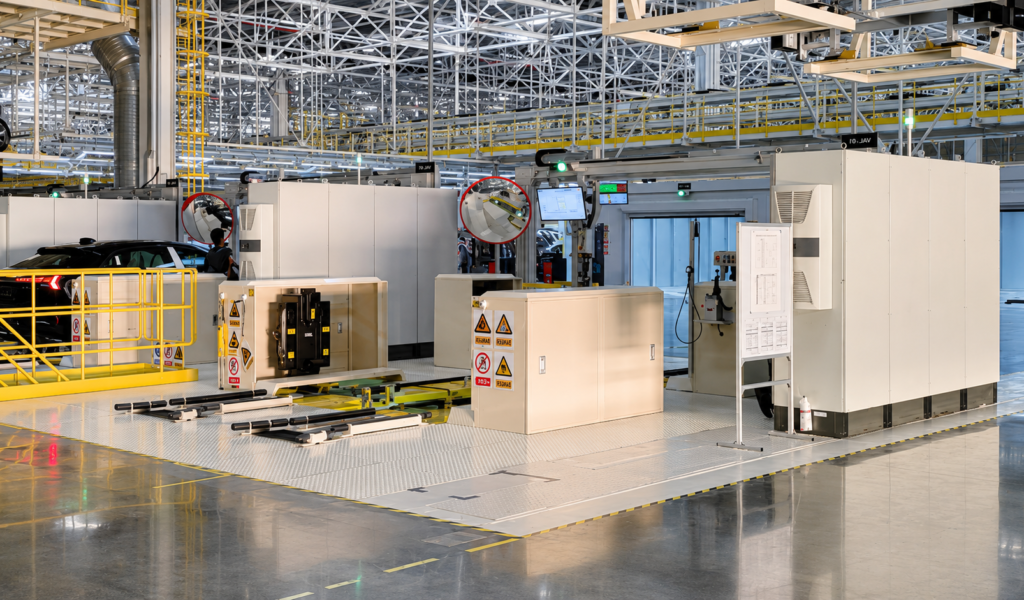
The HYDRA W15 wheel alignment machine is mechanically and optically adaptable across the full automotive OEM production spectrum:
Wheel Alignment MACHINES for Passenger Vehicles
- All passenger car segments — A through F
- ICE, hybrid and battery electric (automatic recipe selection per drivetrain)
- Performance and luxury chassis with adjustable camber/caster
- High-mix, low-volume specialty production
Wheel Alignment MACHINES for Light Commercial Vehicles
- Vans, transporters, minibuses
- Axle loads 2 to 3 t
- Wider tread widths and longer wheelbases supported
- Compatible with portal versions of headlamp aiming and ADAS calibration
Heavy Commercial and Multi-Axle Wheel Alignment
- Drive-through portal configurations available
- Trucks, buses, heavy transporters
- Axle loads up to 10 t standard, up to 16 t with reinforced floating plates
- Three-axle floating-plate configuration for front, middle and trailing axles
all-in-one end-of-line solutions
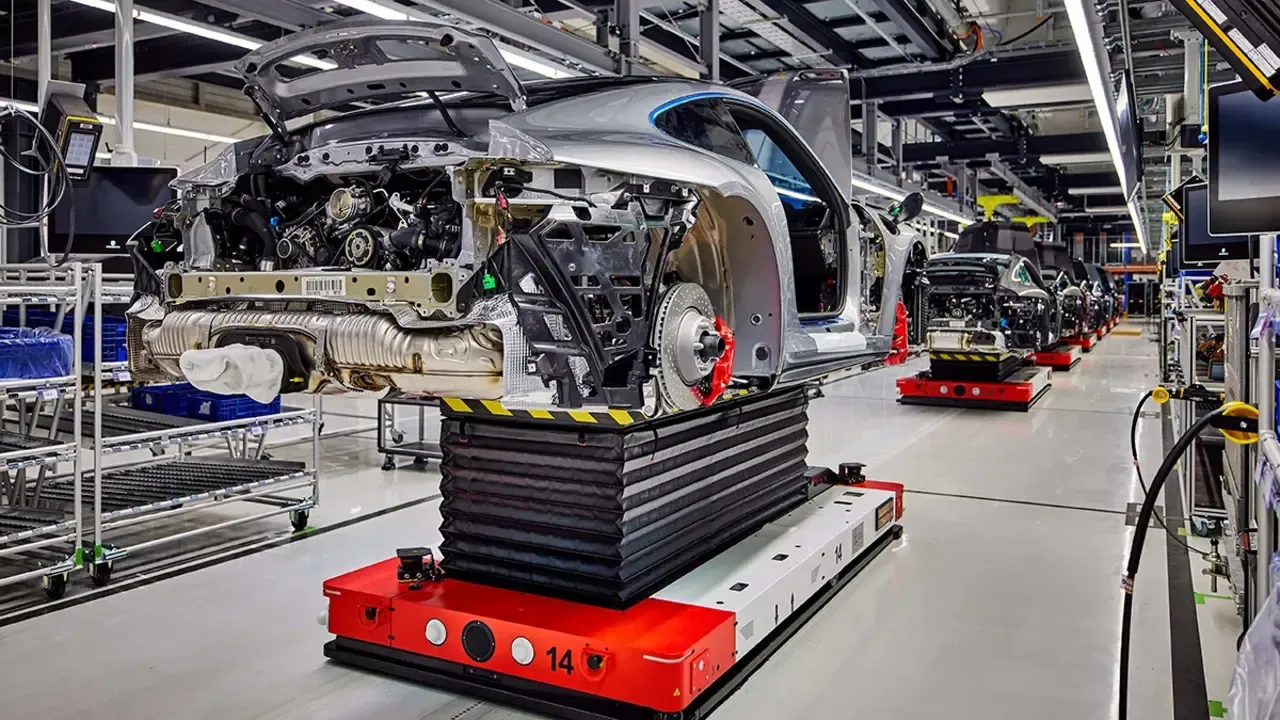
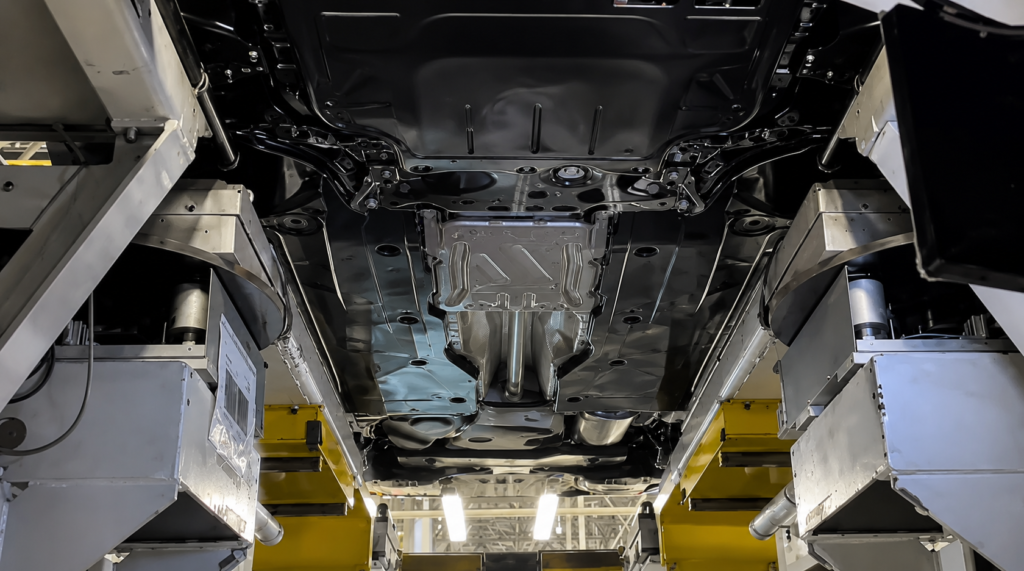
Most OEMs don’t buy a wheel alignment machine. They buy an end-of-line bay. The HYDRA W15 is designed from the ground up to anchor a full single-supplier end-of-line solution: built, commissioned, calibrated and serviced by one engineering team.
- HYDRA W15 wheel alignment — toe, camber, caster, KPI, thrust angle, setback, track, wheelbase, steering wheel angle, ride height, corner weight
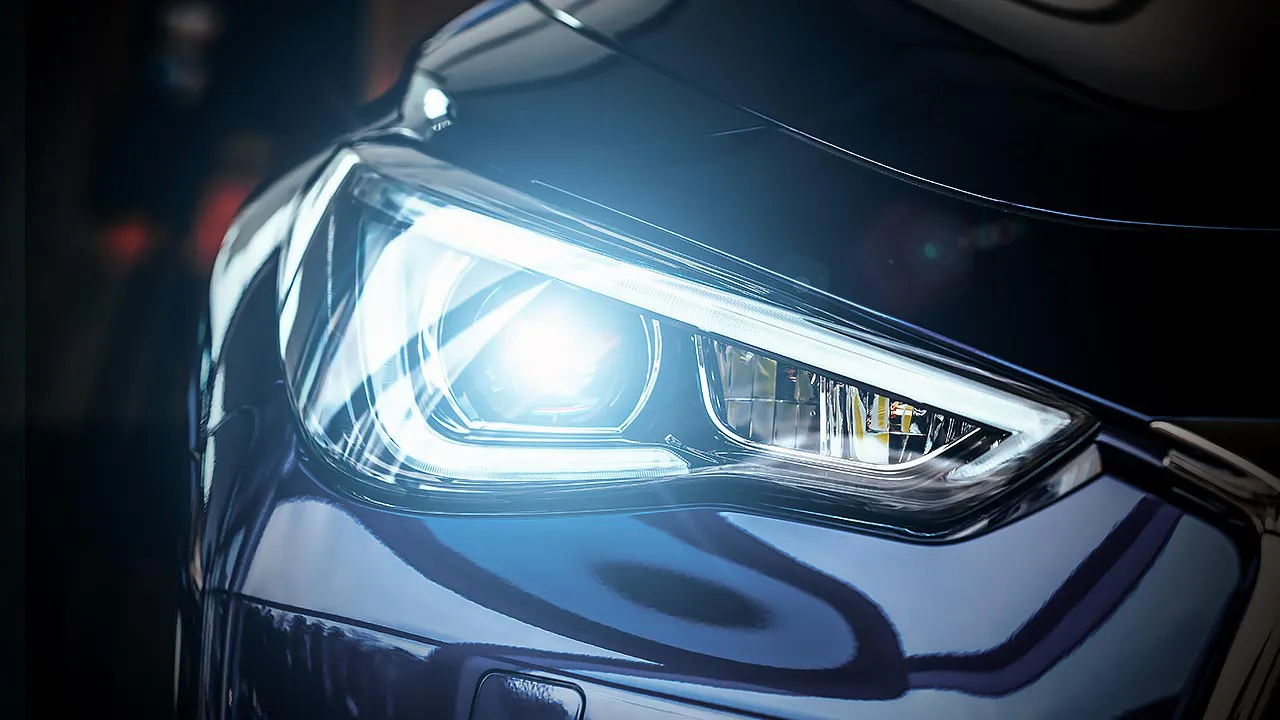
- DRAGON X15 headlamp aiming — full integration with the SEETECH headlamp aiming machine, sharing vehicle ID, MES handshake and bay-level reporting
- ADAS calibration — radar, front camera, lane departure, adaptive cruise control, AEB and head-up display calibration in the same cell, aligned to the measured driving direction
- All-wheel dynamometer — roll, brake, ABS/ESP and side-slip testing combined with chassis geometry on a single throughput cycle
- Vehicle identification — one VIN scan, one MES job-order pull, one audit trail for the entire bay
One bay. One supplier. One calibration schedule. One service contract. One spare-parts inventory. One throughput cycle.
The HYDRA W15 is built to anchor a complete SEETECH end-of-line cell. Wheel alignment establishes the measured driving direction every downstream station aligns to: our DRAGON X15 headlamp aiming machine aims to the measured thrust axis rather than the nominal centerline, and our end-of-line ADAS calibration system references the same vehicle coordinate frame for radar, camera, LiDAR and 360° surround-view calibration. Combined with our RTX-series 2WD and AWD dynamometers for roll, brake and ABS/ESP validation, the result is one supplier, one VIN scan and one audit trail for the whole bay.
WHEEL ALIGNMENT MACHINES Ready for Standalone, Inline and EOL Deployments
Deployment modes
- End-of-line (EOL) — the standard configuration after final assembly
- Inline EOL — integrated into the conveyor for fully automated test
- Driverless inline (HYDRA W15 Robotic tier option) — vehicle is aligned on the moving conveyor at a stop-and-go station with no driver in the car; floating plates raise into position via servomotor, load simulation reproduces curb-weight conditions
- Audit lane / rework — standalone, ideal for in-process correction and quality audit
- Test area / R&D lab — for chassis suppliers and OEM validation
- CKD plant — manual configuration for completely-knocked-down assembly facilities
Vehicle identification
Every modern factory-floor identification method is supported out of the box:
- 1D barcode
- 2D QR code
- RFID / UHF RFID tag reading
- VIN scan (OCR)
- MES / ERP handshake (job order pull)
- Vision-based vehicle recognition (optional)
Need a newer protocol? The HYDRA W15 controller has an open integration layer — talk to our engineering team and we’ll add it.
Data, traceability and reporting
- Real-time data streaming to PC, tablet, smartphone, browser or control-room display
- Audit trail compliant with ISO 9001 and IATF 16949 traceability requirements
- SPC and process capability (Cpk / Ppk) calculation
- Open MES / ERP integration for measurement values and adjustment results
- Vehicle database with OEM nominal values pre-loaded; new model rollout within weeks
Ready to Specify Your HYDRA W15 Wheel Alignment Machine?
Whether you’re equipping a new plant, retrofitting an existing end-of-line bay, or auditing a CKD facility, SEETECH engineers will scope the HYDRA W15 configuration that fits your throughput, vehicle portfolio and integration requirements.
1. What is an end-of-line wheel alignment machine?
An end-of-line wheel alignment machine is a chassis-geometry measurement and adjustment system used by vehicle manufacturers to verify that every finished vehicle leaves the assembly line with toe, camber, caster, thrust angle, ride height and steering wheel position within OEM specification.
The machine measures the wheel geometry without contact, then either guides an operator to make adjustments or actuates a robotic tool to bring the chassis into specification automatically — all before the vehicle reaches the dealer.
2. What makes the HYDRA W15 different from Dürr, Fori or BEP?
Most non-contact wheel alignment machines are built around a single sensing principle — either line-laser profile, area-based laser surface, or multi-camera vision. The HYDRA W15 offers all three on the same mechanical and software platform: multi-line laser triangulation, structured-light 3D projection, and high-resolution camera vision.
This means one platform serves passenger ICE, passenger EV, light commercial and heavy truck without compromise — and OEMs aren’t forced to buy a different cell when a new model architecture is launched.
3. What is non-contact 3D wheel alignment?
Non-contact 3D wheel alignment is a measurement method where the chassis geometry — toe, camber, caster, track, wheelbase, thrust angle — is measured optically, without clamping any sensor or target to the vehicle’s wheels.
Sensors mounted in fixed positions next to each wheel project laser lines or structured light onto the tire and rim, then reconstruct the wheel position in 3D space using high-density point clouds. The result is faster cycle time, no rim damage, and no operator handling of clamps or targets.
4. What accuracy does the HYDRA W15 achieve?
The HYDRA W15 publishes the following premium-tier specifications:
- Toe accuracy: ≤ ±0.02° (approximately 1.2 arc minutes)
- Camber accuracy: ≤ ±0.03°
- Caster accuracy: ≤ ±0.03°
- Repeatability: ≤ ±0.01° per axis
These values match or exceed the published specifications of every leading global wheel alignment stand on the market today.
5. What is the cycle time for the HYDRA W15?
60 JPH (jobs per hour) — under 60 seconds per vehicle in semi-automatic configuration. The fully robotic configuration completes measurement plus adjustment in under 90 seconds per vehicle.
In driverless inline configuration on a stop-and-go conveyor, measurement is performed in parallel with vehicle conveyance, enabling line-rate operation.
6. Can the HYDRA W15 be integrated with headlamp aiming and ADAS calibration?
Yes — and this is one of the system’s strongest design choices. The HYDRA W15 is built to anchor a full end-of-line bay alongside the SEETECH DRAGON X15 headlamp aiming machine, ADAS calibration cell (radar, camera, ACC, LDW, AEB, HUD), and SEETECH all-wheel dynamometer.
Wheel alignment establishes the measured driving direction; headlamp aiming and ADAS calibration then align to that measured axis rather than to the vehicle’s nominal centerline. One supplier, one calibration schedule, one MES handshake, one audit trail.
7. Can the HYDRA W15 handle heavy commercial vehicles?
Yes. The HYDRA W15 is available in heavy-duty configurations supporting axle loads up to 10 t standard and up to 16 t with reinforced floating plates. Multi-axle configurations with three sets of floating plates handle trucks and buses with front, middle and trailing axles.
The same platform serves vans and transporters (2–3 t axle load), heavy trucks, and buses without changing the underlying measurement system or software.
8. Does the HYDRA W15 support fully driverless inline operation?
Yes — as an option on the HYDRA W15 Robotic tier. In driverless inline configuration, the vehicle enters a stop-and-go station on the conveyor, floating plates raise into position via servomotor, load simulation reproduces the curb-weight condition, and measurement and adjustment are performed without an operator in the vehicle.
This is the configuration of choice for lights-out high-volume production lines.
9. What is the difference between HYDRA W15 Manual, Semi-Auto and Robotic?
The HYDRA W15 is available in three levels of automation on the same platform, so customers can upgrade in place without replacing the system:
- HYDRA W15 Manual — the operator reads the measurement and adjusts the chassis by hand. Ideal for audit lanes, rework areas and CKD plants.
- HYDRA W15 Semi-Auto — the machine measures and the operator uses an integrated cordless power tool, guided by the system, with full plant torque-data integration. This is the most common end-of-line configuration.
- HYDRA W15 Robotic — a robot arm locates the adjustment screws and performs the toe / camber / caster adjustment fully automatically. Driverless inline operation is available as an option on this tier.
10. Who performs calibration of the HYDRA W15?
The HYDRA W15 is designed for customer-performed calibration. Your maintenance team can carry out the calibration using a SEETECH-supplied rolling master and master gauges — there is no need to schedule and wait for an external service visit, no proprietary consumables, and no vendor lock-in.
SEETECH also offers semestral preventive maintenance contracts, remote diagnostics, spare parts with guaranteed availability, and operator and maintenance training, either on-site or at SEETECH facilities. All calibrations are traceable to national metrology standards in line with ISO/IEC 17025, and certificates are issued with every commissioning and annual service.
- Customer-performed calibration with rolling master and master gauges
- Semestral preventive maintenance contracts
- Remote diagnostics and software updates
- ISO/IEC 17025-traceable calibration certificates