Advanced Industrial Robotics Integration for Manufacturing Operations
1. Robotic Cell Integration for Production
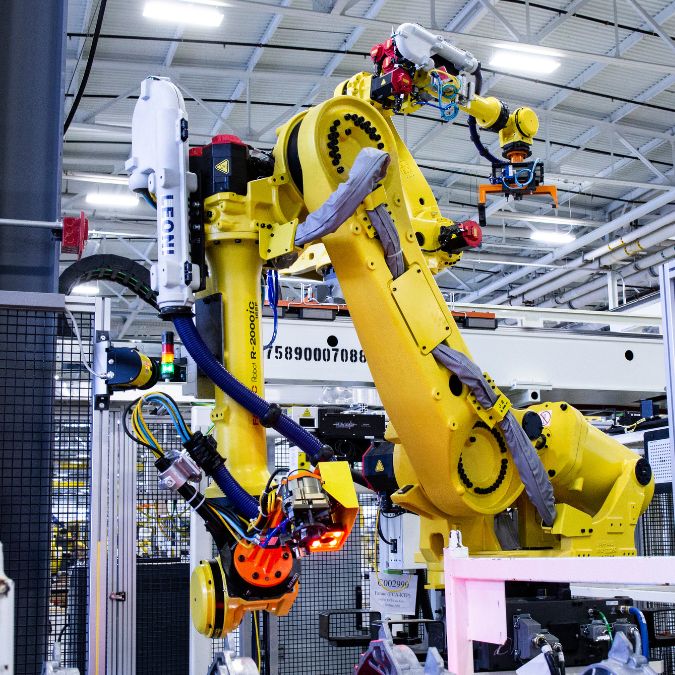
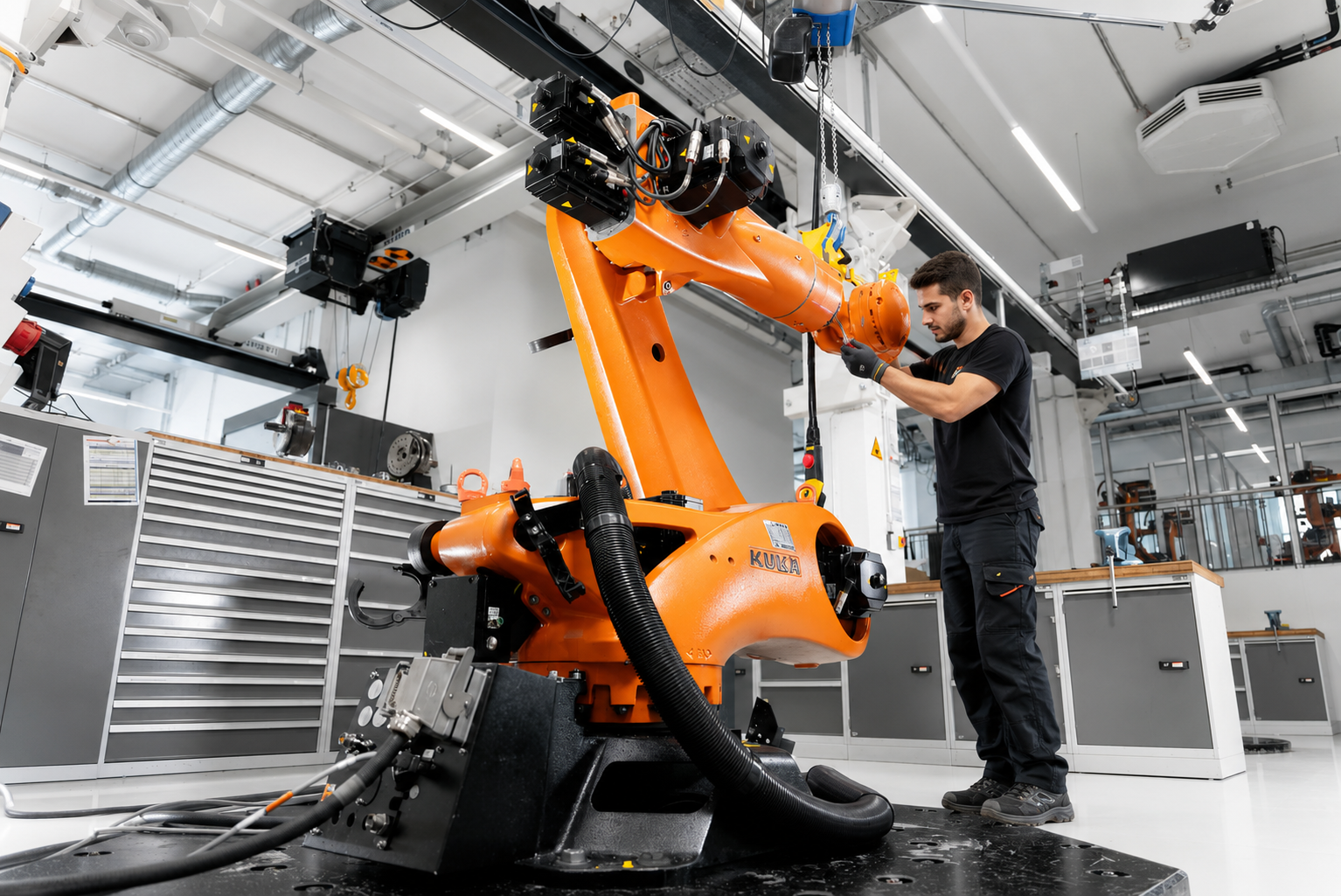
We design, build and commission robotic cells for welding, assembly, dispensing, machine tending, screwdriving, palletising, inspection and material handling. Each robotic cell integration includes mechanical design, electrical engineering, robot programming, safety systems, testing and operator training.
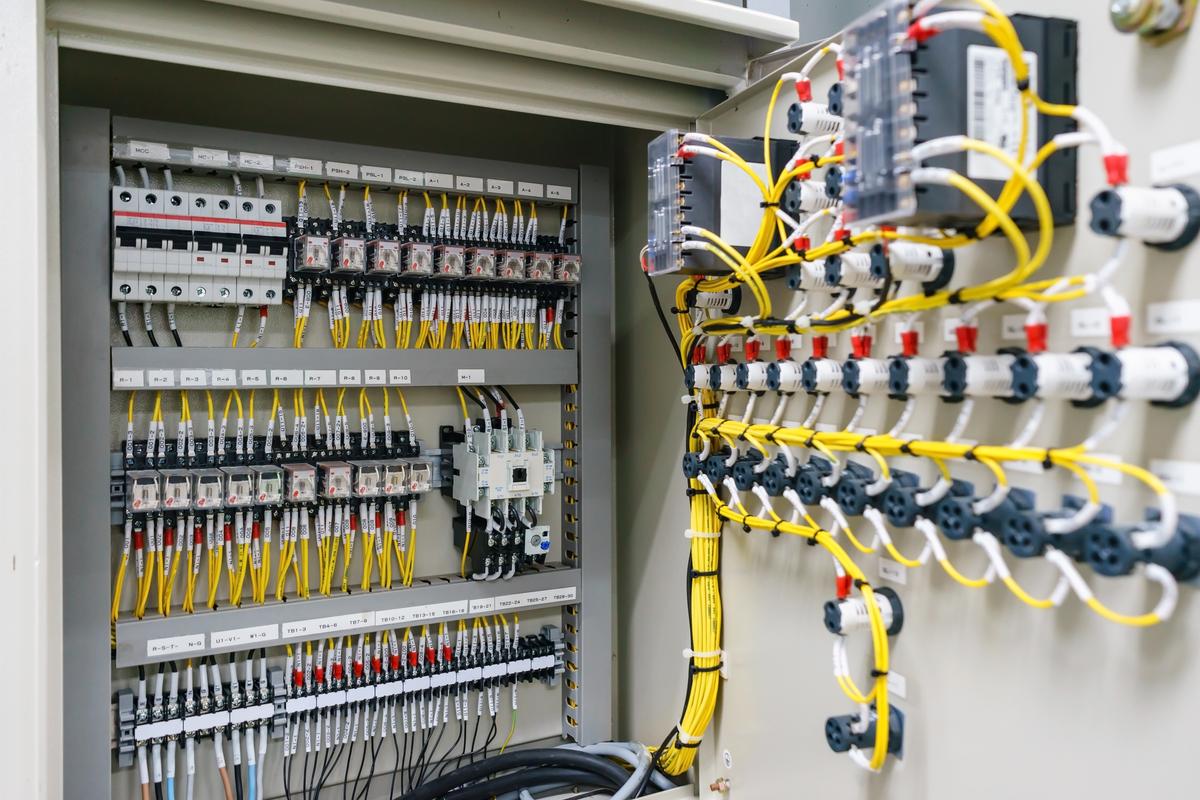
A robotic cell may include tooling, fixtures, conveyors, robotic vision systems, safety guarding, sensors, PLC controls and operator interfaces. SEETECH designs robotic cells for production reliability, repeatability and long-term industrial operation.
2. Robotic Vision Systems for Production
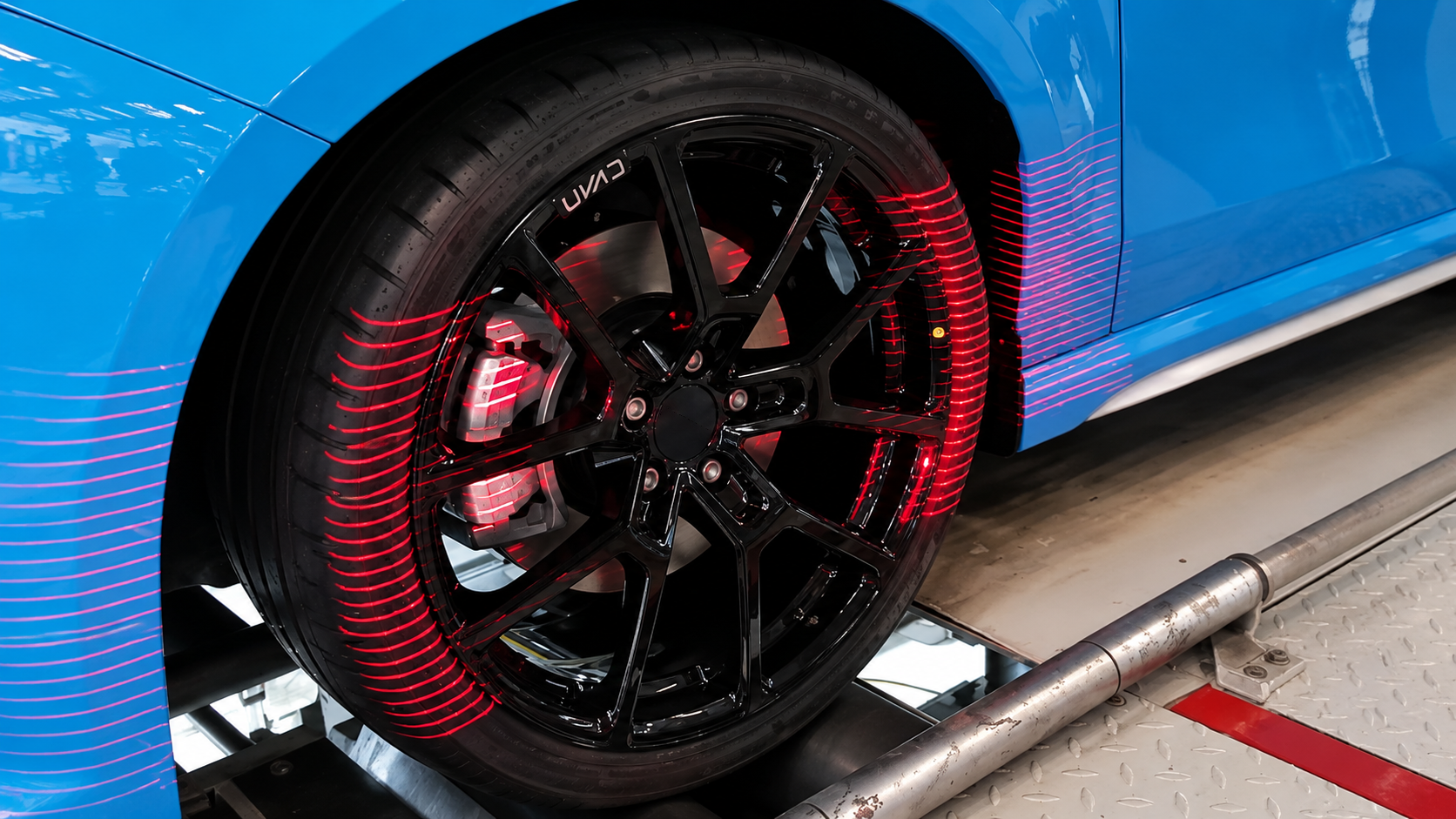
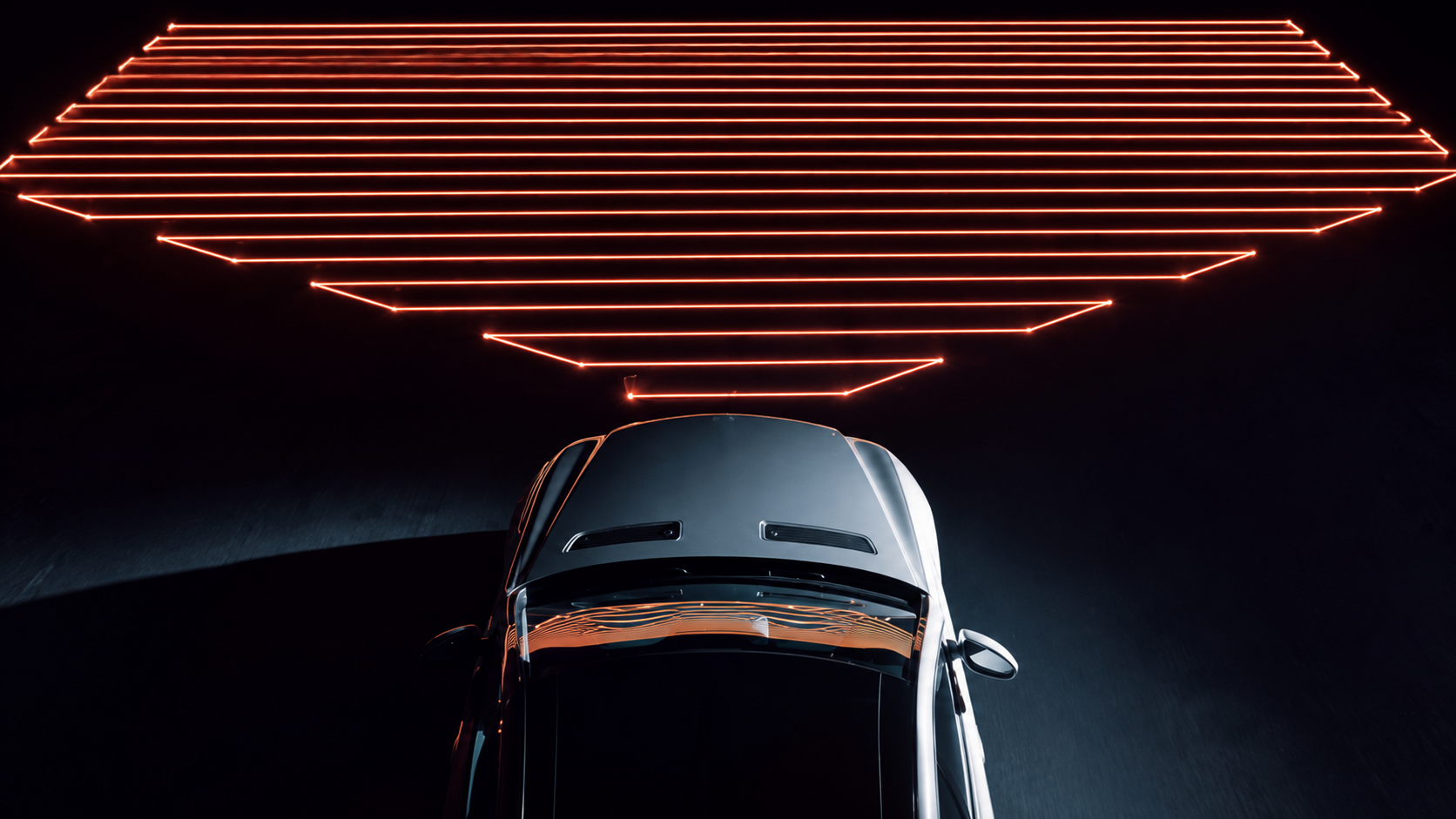
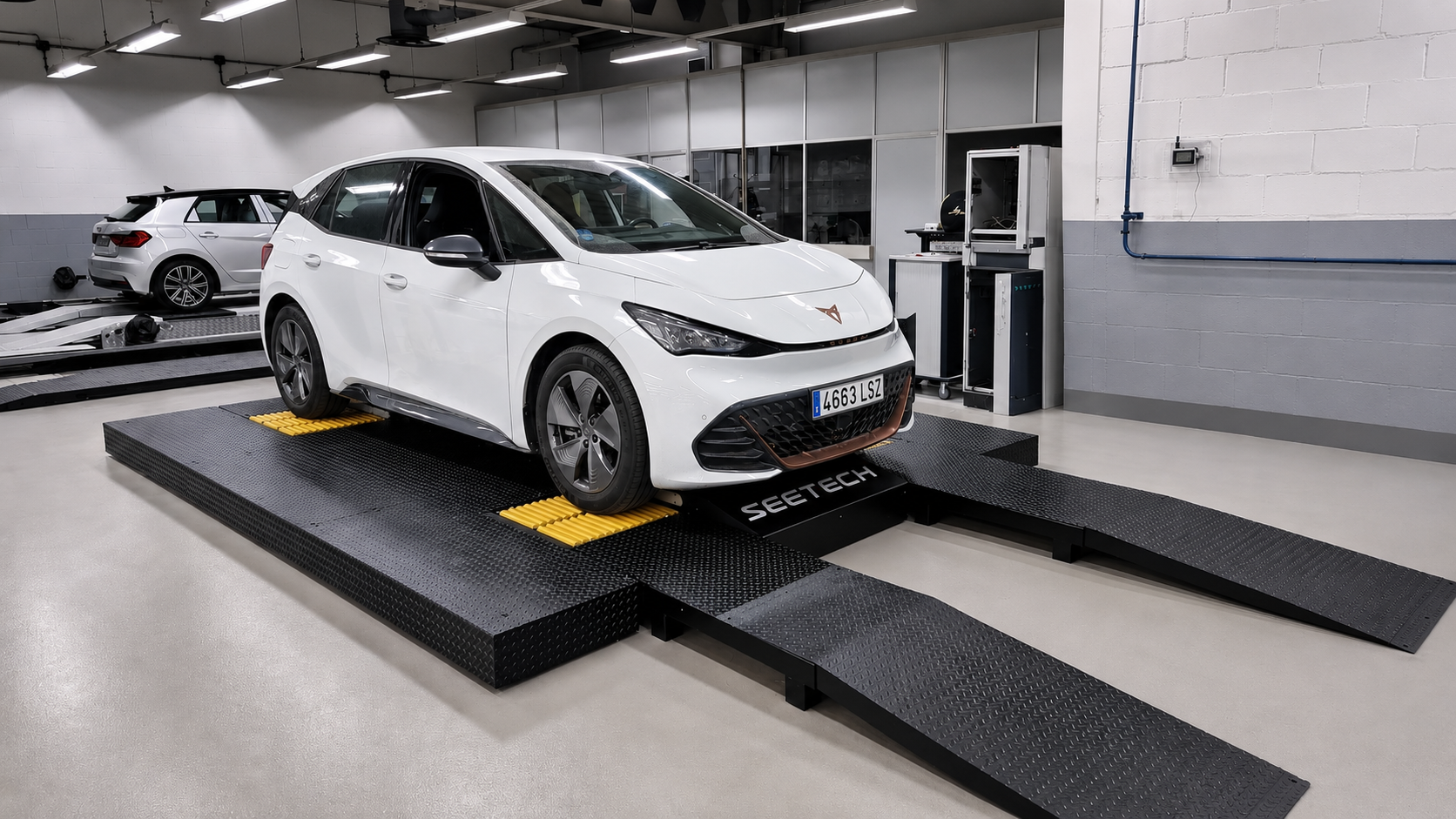
SEETECH integrates robotic vision systems for part detection, guidance, inspection, measurement and assembly verification. Vision-guided robotics allows robots to locate parts, correct position errors, verify quality and automate processes that require precision and flexibility.
Production-grade computer vision systems for defect detection, dimensional gauging, assembly verification and process compliance. Custom model training on customer data. Edge deployment with full MES and SCADA integration. We also build the unglamorous infrastructure that makes vision systems actually work in a factory: lighting design, fixture engineering, data pipelines, model retraining loops and drift monitoring.
3. AMR and AGV Integration for Internal Logistics
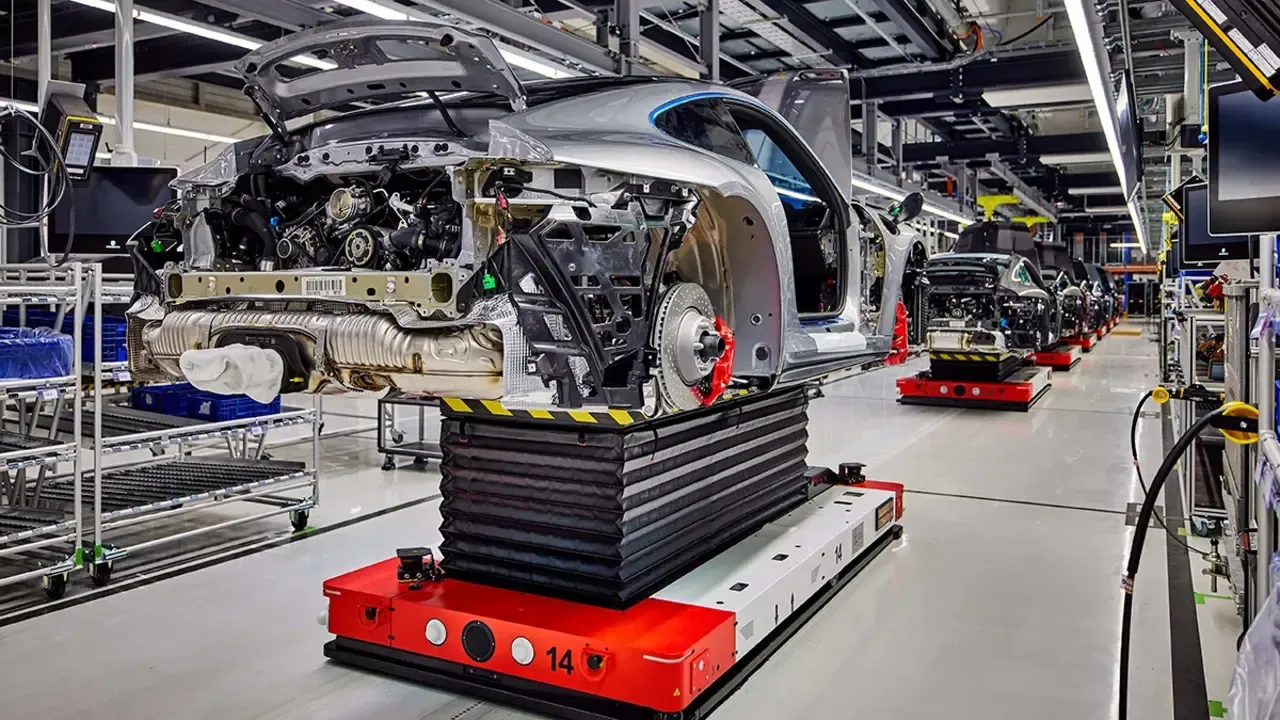
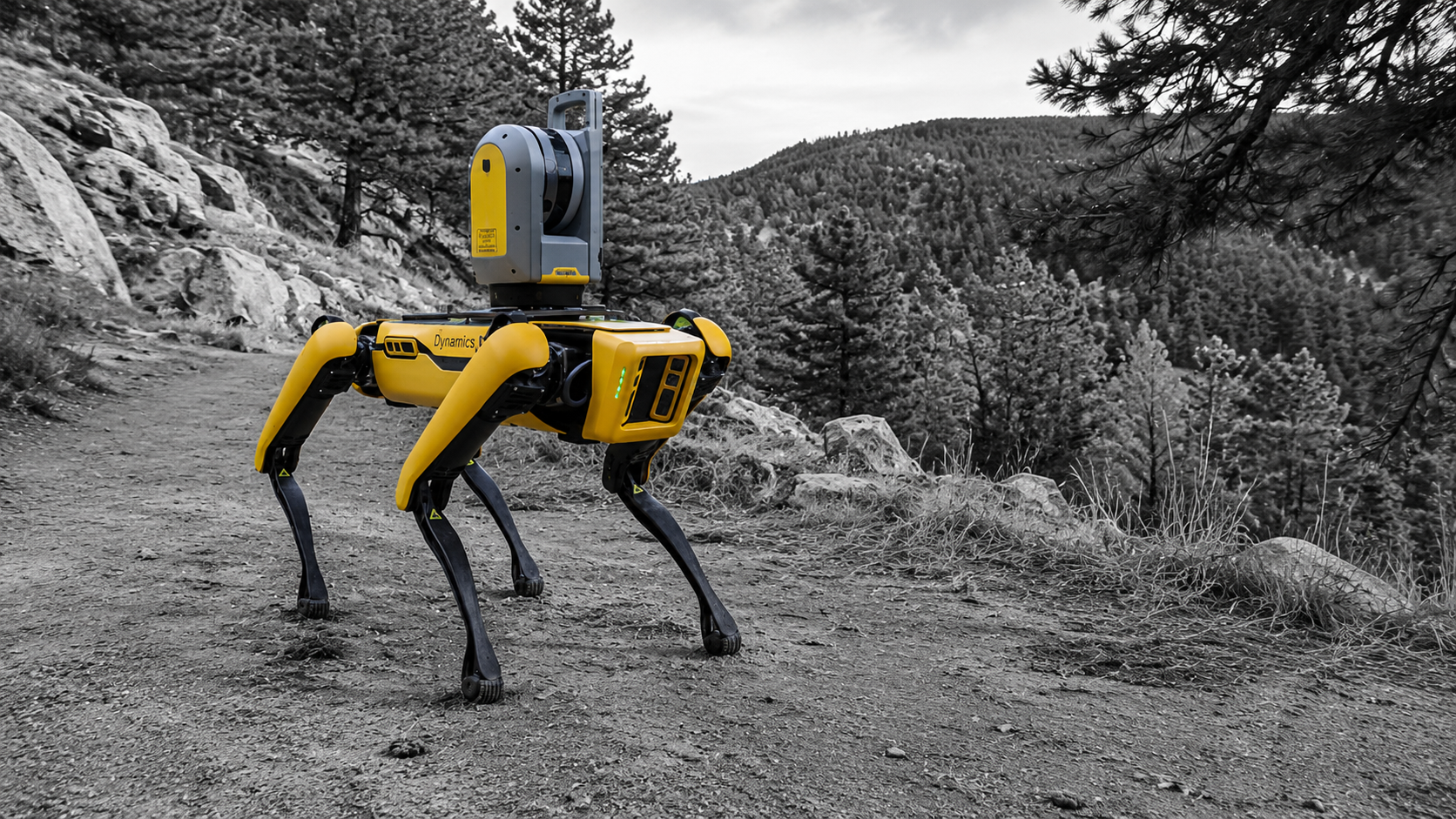
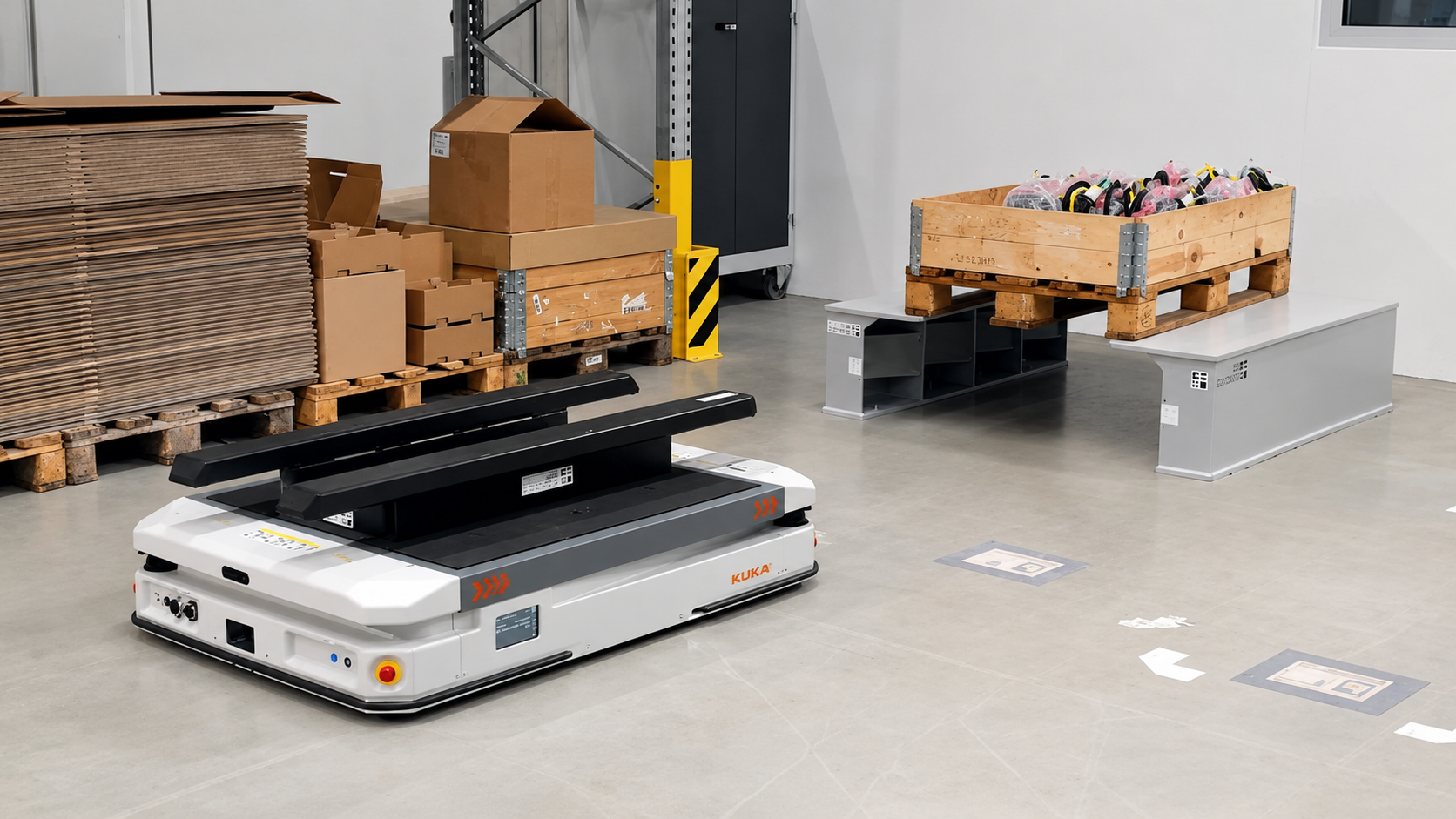
SEETECH integrates AMR and AGV systems for warehouse automation, internal logistics and autonomous material transport. These systems are used to move pallets, racks, components, tooling, WIP parts and production materials between warehouses, assembly lines, robotic cells and end-of-line areas without relying only on forklifts or manual transport.
AMR and AGV integration can support material flow, line feeding, pallet movement, warehouse automation, production logistics and process linking between different manufacturing areas. SEETECH defines the automation architecture, fleet requirements, safety concept, route logic, traffic management, charging strategy and integration with existing factory systems.
For heavy-duty industrial logistics, platforms such as the KUKA KMP 1500 P autonomous mobile robot system are a strong reference for moving large loads inside production environments. Systems of this type can transport heavy materials, supply production lines, connect process areas and reduce unnecessary forklift traffic in factories where safety, repeatability and uptime matter.
A successful AMR or AGV project is not only about buying the mobile robot. The real work is in the integration: defining pickup and drop-off points, adapting load carriers, connecting the fleet to PLCs or MES systems, validating safety zones, managing traffic with operators and forklifts, and making sure the system works during real production conditions.
SEETECH can support AMR and AGV projects from feasibility study to commissioning, including layout analysis, route definition, station interface design, fleet logic, safety validation, operator training and long-term support. The objective is simple: create an internal logistics system that moves material reliably, reduces manual transport, improves traceability and supports continuous production flow.
4. Production Line Automation and Multi-Cell Robotics
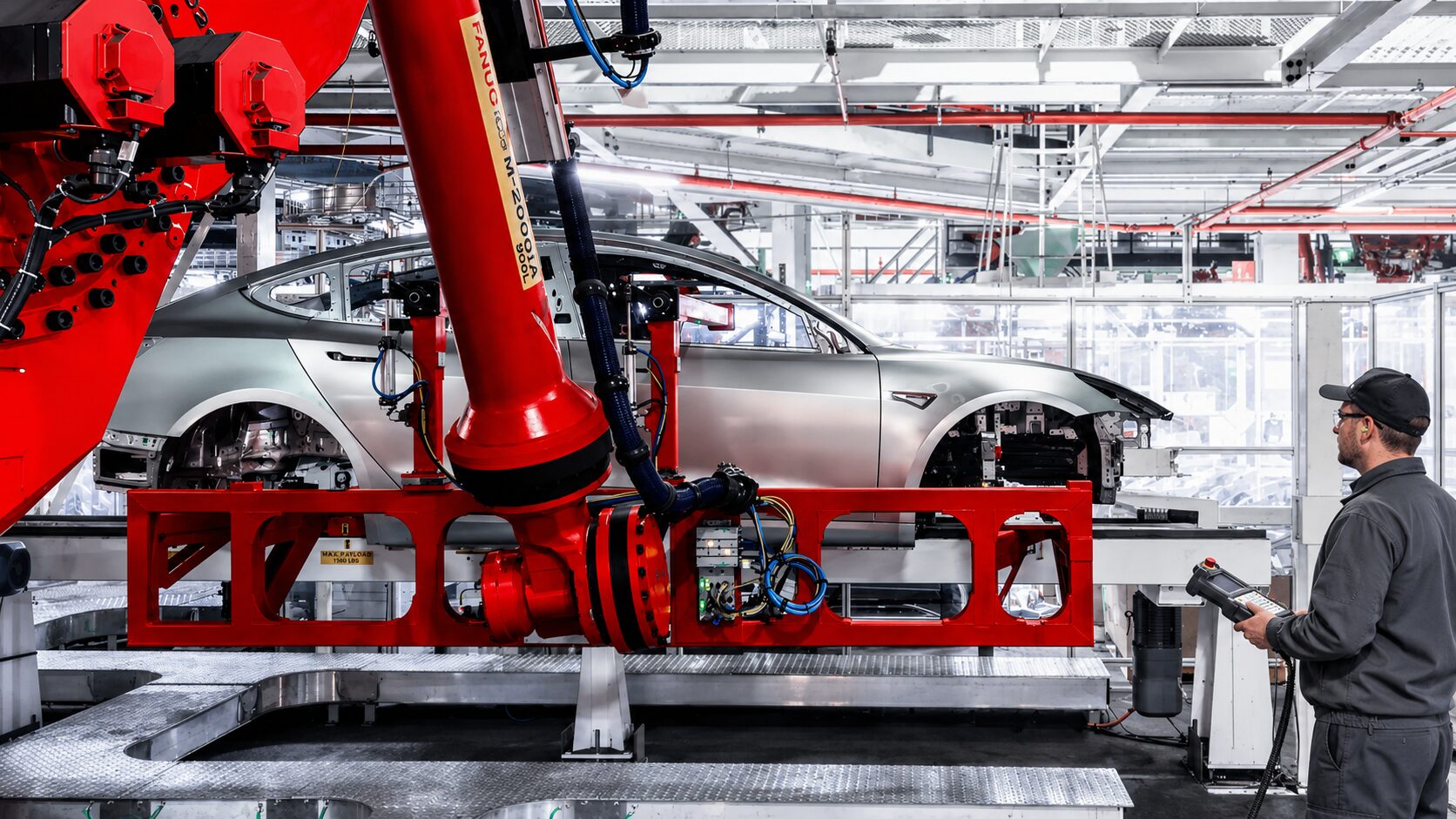
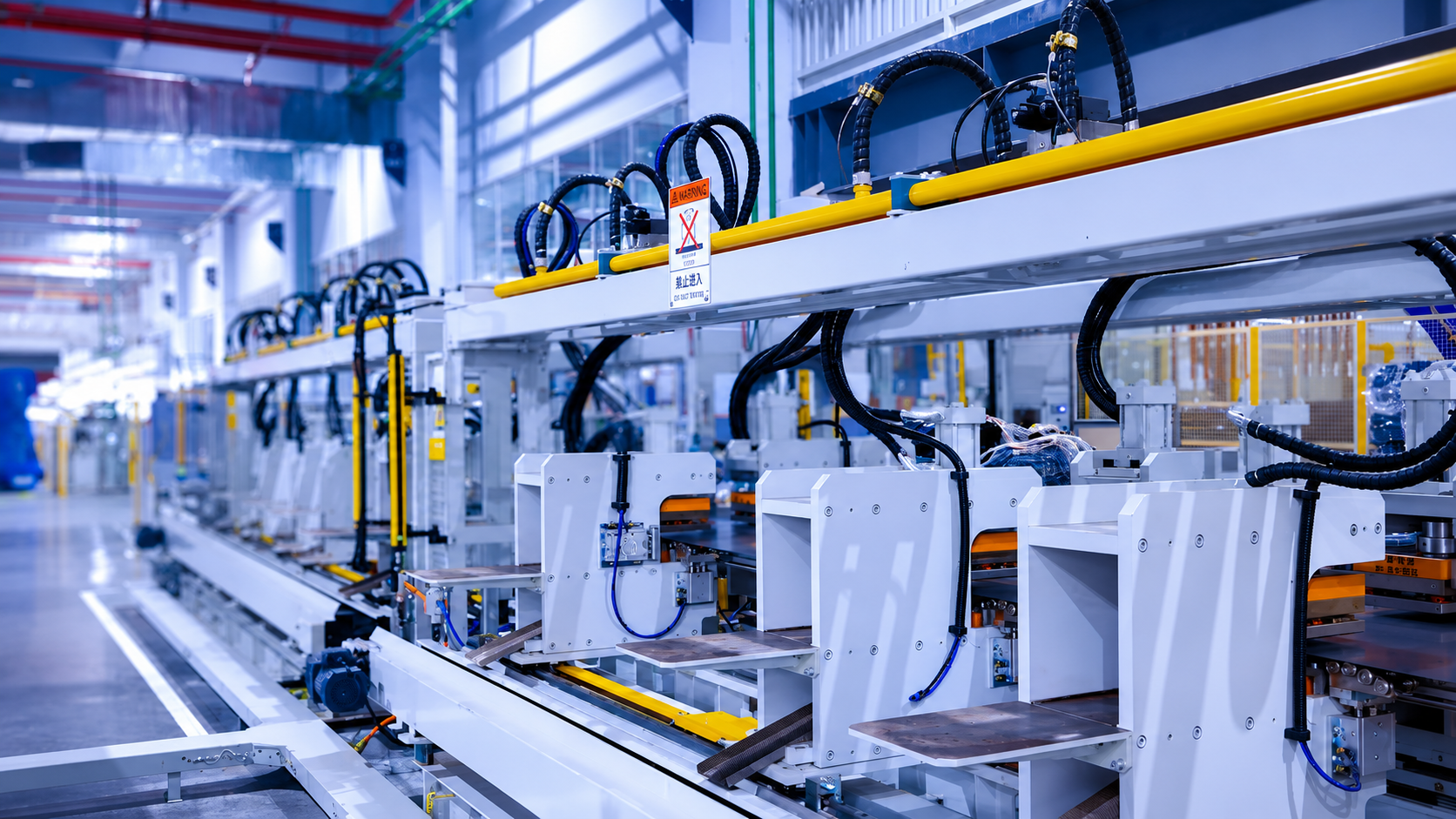
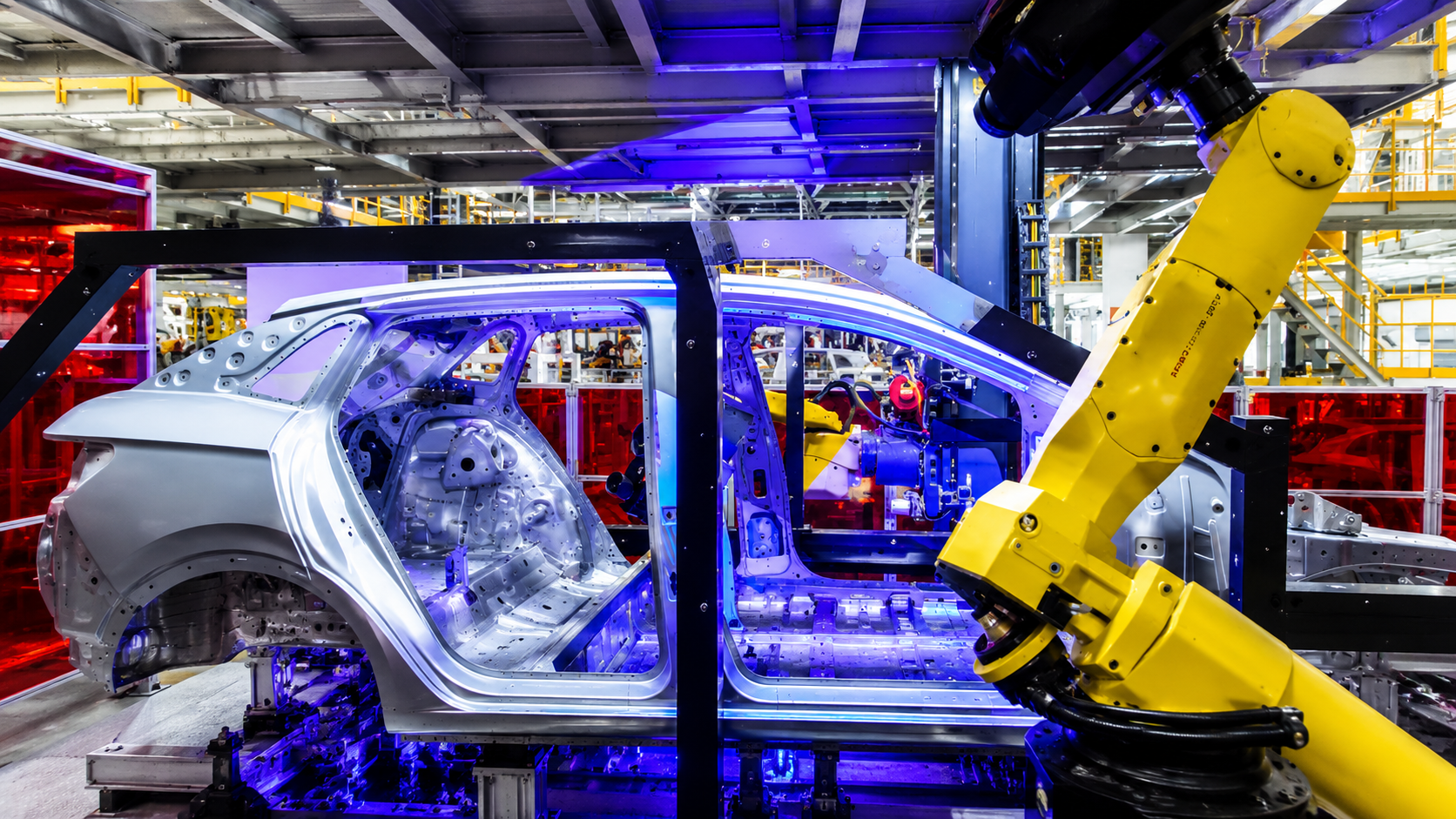
Production line automation: Multi-cell robotics integration for complete production areas or automated manufacturing lines.
From a single robotic welding cell to a complete automated production line, SEETECH delivers production-ready robotics systems built for real factory conditions: cycle time, safety, accuracy, uptime and maintainability.
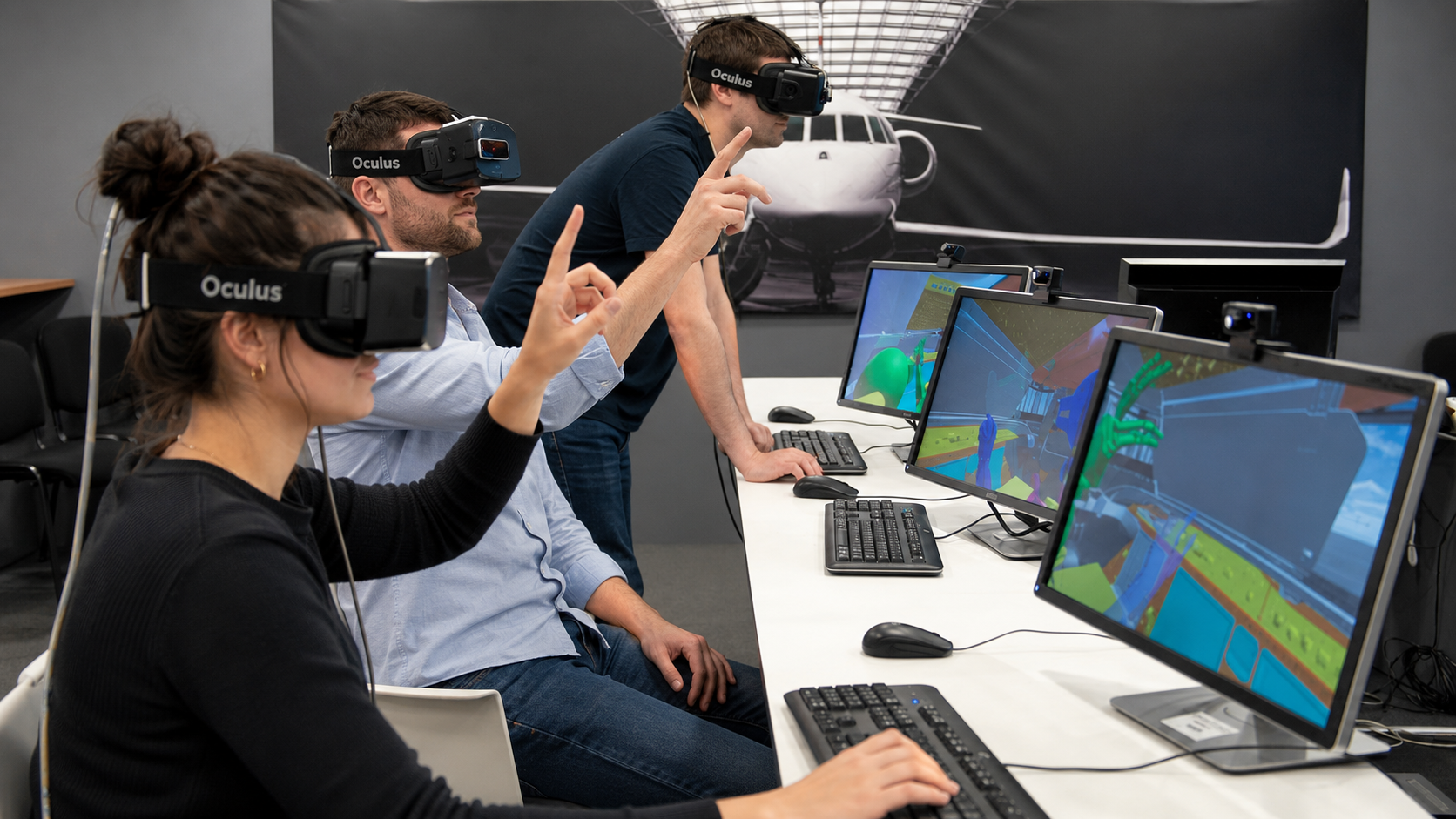
We design, integrate and commission robotic systems for production environments. Robotic cell engineering for welding, painting, assembly, dispensing, screw-driving, machine tending and palletising. Cobot deployments with ISO/TS 15066-compliant safety assessment. AGV and AMR fleet design and orchestration. Vision-guided pick-and-place and bin-picking. Digital twin simulation before any cell is built on the floor.
5. Industrial AI, Simulation and Robotics Roadmaps
Foundation models integrated into the daily work of engineering, quality, maintenance and operations. Engineering documentation assistants. PLC and robot-code generation. Multilingual operator and maintenance copilots. Quality-incident root-cause assistants. Knowledge-base systems that turn twenty years of tribal knowledge into a searchable, conversational resource.
For boards, CEOs and operations leadership who need a defensible plan: opportunity mapping across the operational footprint, ROI modeling, build-vs-buy analysis, organisational design, AI literacy and reskilling programs, EU AI Act and ISO 42001 readiness assessments.
Engagement Models
A single practice, with the engineering bench to deliver across the full industrial AI and robotics stack:
- Feasibility study: Technical review of the process, automation potential, ROI, safety constraints and recommended robotics architecture.
- Robotic cell integration: Turnkey design and deployment of one robotic cell for welding, assembly, inspection, machine tending, palletising or material handling.
- Robotic vision system deployment: Integration of cameras, lighting, image processing, AI vision models and robot guidance for inspection or automation tasks.
- Production line automation: Multi-cell robotics integration for complete production areas or automated manufacturing lines.
- AMR and AGV integration: Autonomous mobile robot and automated guided vehicle deployment for internal logistics, material flow and warehouse automation.
- Service and support: Maintenance, troubleshooting, robot programming updates, operator training and continuous improvement.
Ready to scope your AI & robotics engagement?
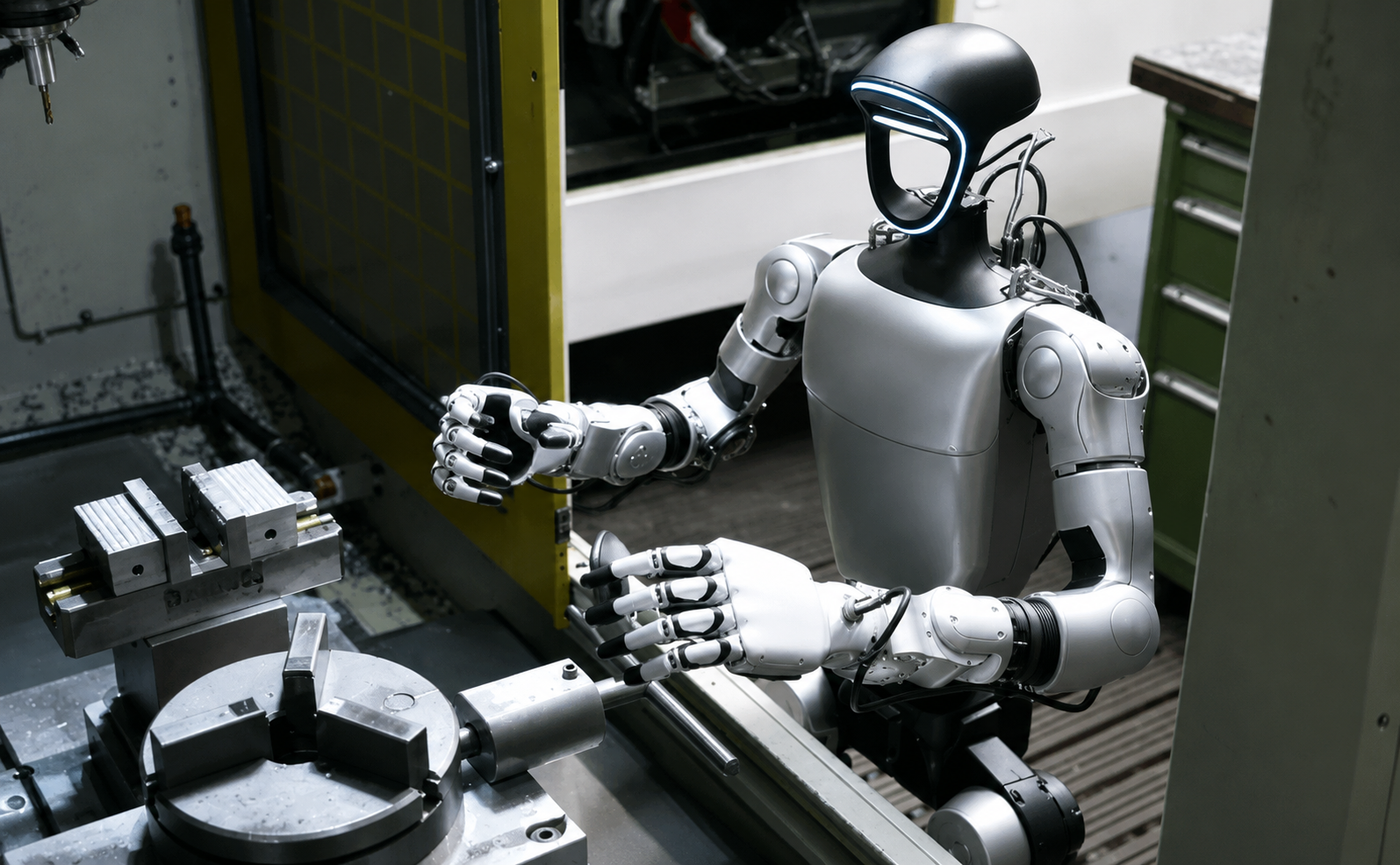
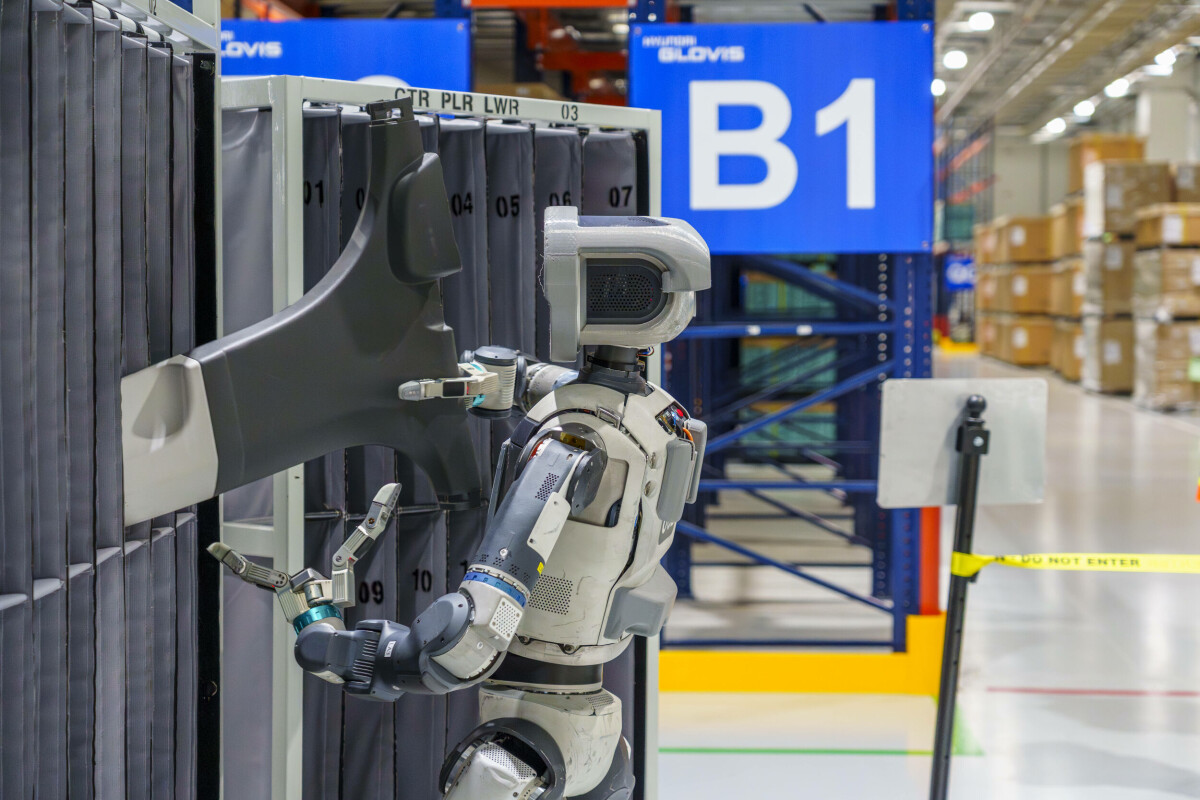
Whether you’re piloting your first humanoid, designing a new robotic cell, or building a multi-year AI roadmap, SEETECH engineers will scope the industrial AI and robotics program that fits your operations, your team and your timeline.
1. What is industrial robotics integration?
Industrial robotics integration is the engineering process of designing, programming, installing and commissioning robotic systems inside manufacturing and logistics environments. It includes robotic cell integration, robot programming, robotic vision systems, safety systems, PLC communication and production-line automation.
According to the International Federation of Robotics World Robotics report, global industrial robot installations continue to grow across automotive, logistics and industrial manufacturing sectors. Modern robotics integration combines mechanical engineering, electrical systems, robot programming, machine vision and industrial automation into a single production-ready system.
2. Which industrial robot brands does SEETECH integrate?
SEETECH integrates industrial robotics platforms used across modern manufacturing and automated production environments. We remain vendor-neutral, selecting the robot platform according to payload, speed, reach, accuracy and process requirements.
- KUKA — robotic welding, automotive production, heavy-payload automation
- FANUC — robotic assembly, machine tending and high-speed automation
- ABB Robotics — robotic handling, dispensing and collaborative robotics
- Yaskawa Motoman — robotic welding and palletising systems
- Universal Robots — collaborative robot integration
- Stäubli, Omron, Kawasaki, Doosan and other industrial robotics platforms
SEETECH also integrates AMR and AGV systems for warehouse automation, internal logistics and autonomous material transport.
3. What is robotic cell integration?
Robotic cell integration is the development of a complete automated manufacturing cell built around one or more industrial robots. A robotic cell may include tooling, fixtures, conveyors, robotic vision systems, safety guarding, sensors, PLC controls and operator interfaces.
SEETECH designs robotic cells for welding, assembly, machine tending, palletising, dispensing, screwdriving, inspection and material handling. Each robotic cell integration project is engineered for production reliability, repeatability and long-term industrial operation.
4. What are robotic vision systems?
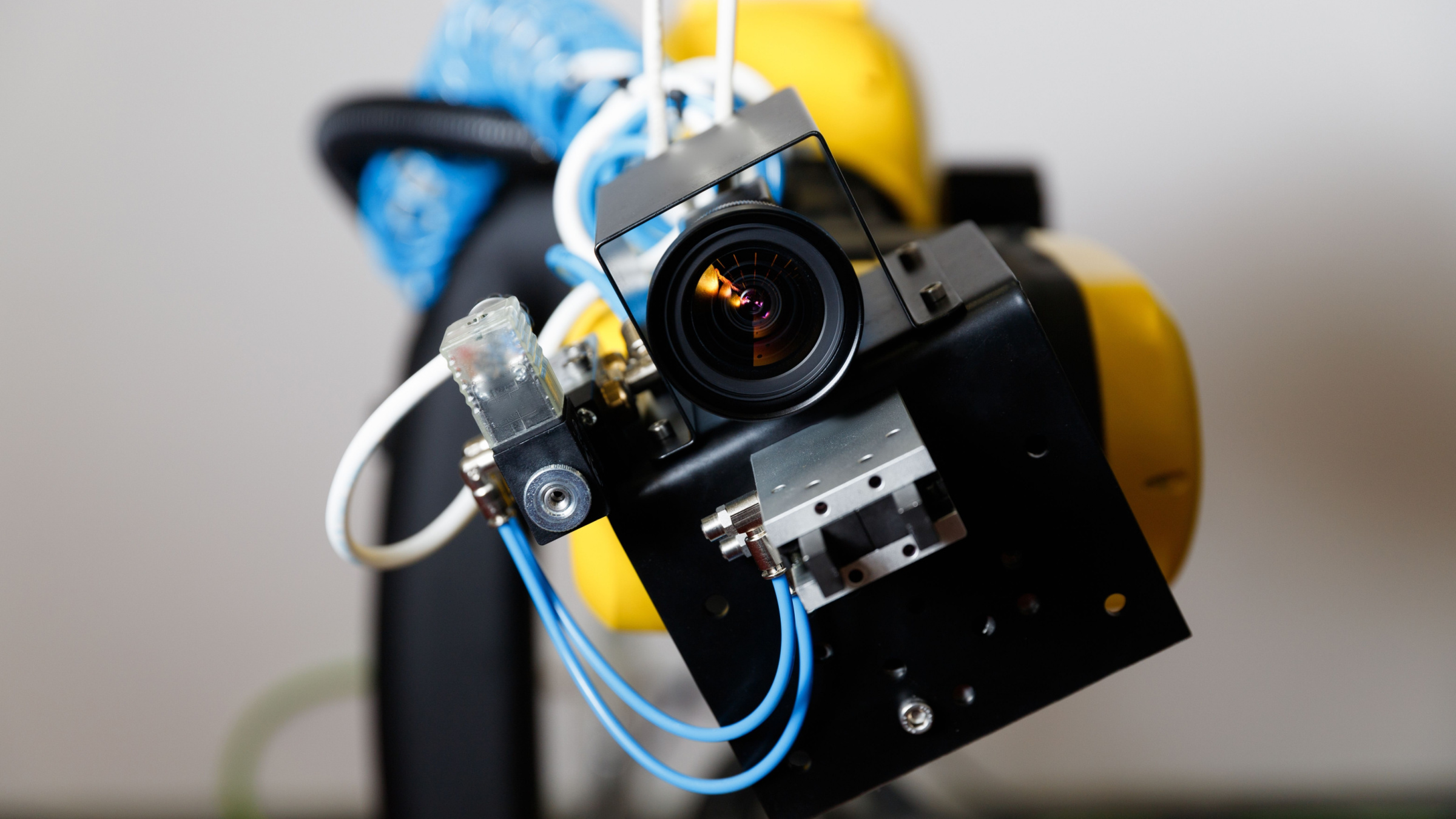
Robotic vision systems combine industrial cameras, lighting, optics and image-processing software so robots can detect, inspect and position parts automatically during production.
Modern robotic vision systems are used for assembly verification, defect detection, dimensional inspection, robot guidance, bin picking and automated quality control. The Association for Advancing Automation (A3) provides technical resources on industrial machine vision and robotic inspection technologies.
5. Can industrial robots work with existing factory systems?
Yes. Modern industrial robotics systems can integrate with existing PLCs, HMIs, MES platforms, SCADA systems and production databases without replacing the entire production line.
SEETECH develops industrial robotics integration architectures compatible with existing manufacturing infrastructure, allowing companies to automate production while preserving current equipment and controls investments.
6. What is the difference between industrial robots, cobots and AMRs?
Each robotics category is designed for different manufacturing and automation applications.
- Industrial robots — high-speed, high-payload robotic systems typically used inside protected robotic cells for welding, assembly and material handling.
- Collaborative robots (cobots) — robots designed to operate safely near human operators with force-limited movement and collaborative workflows.
- AMRs (Autonomous Mobile Robots) — mobile robotic systems used for autonomous transport, warehouse logistics and material flow automation.
The ISO 10218 robotics safety standard defines the primary safety framework for industrial robotic systems and robotic integration environments.
7. Can robotic vision systems improve industrial quality inspection?
Yes. Robotic vision systems can automatically inspect parts, verify assemblies, measure dimensions and detect manufacturing defects directly during production.
Automated robotic inspection improves quality consistency, reduces manual inspection labor and increases production throughput. Many modern manufacturing operations combine robotic vision systems with AI-based defect detection for improved inspection accuracy.
8. What industries use industrial robotics integration?
Industrial robotics integration is widely used across automotive manufacturing, logistics, aerospace, industrial equipment production, energy, electronics, food processing and pharmaceutical production.
According to the World Economic Forum advanced manufacturing resources, robotics and factory automation systems continue to accelerate across global industrial sectors as manufacturers improve productivity, quality and operational efficiency.
9. How long does a robotics integration project take?
Project timelines depend on production complexity, safety requirements, tooling and automation scope.
- Robotic feasibility study — typically 2 to 6 weeks
- Single robotic cell integration — approximately 2 to 5 months
- Robotic vision system deployment — approximately 1 to 4 months
- Multi-cell factory automation systems — typically 6 to 18 months
SEETECH manages the full robotics deployment lifecycle including design, simulation, robot programming, commissioning, safety validation and production startup.
10. Does SEETECH provide robotics training and support?
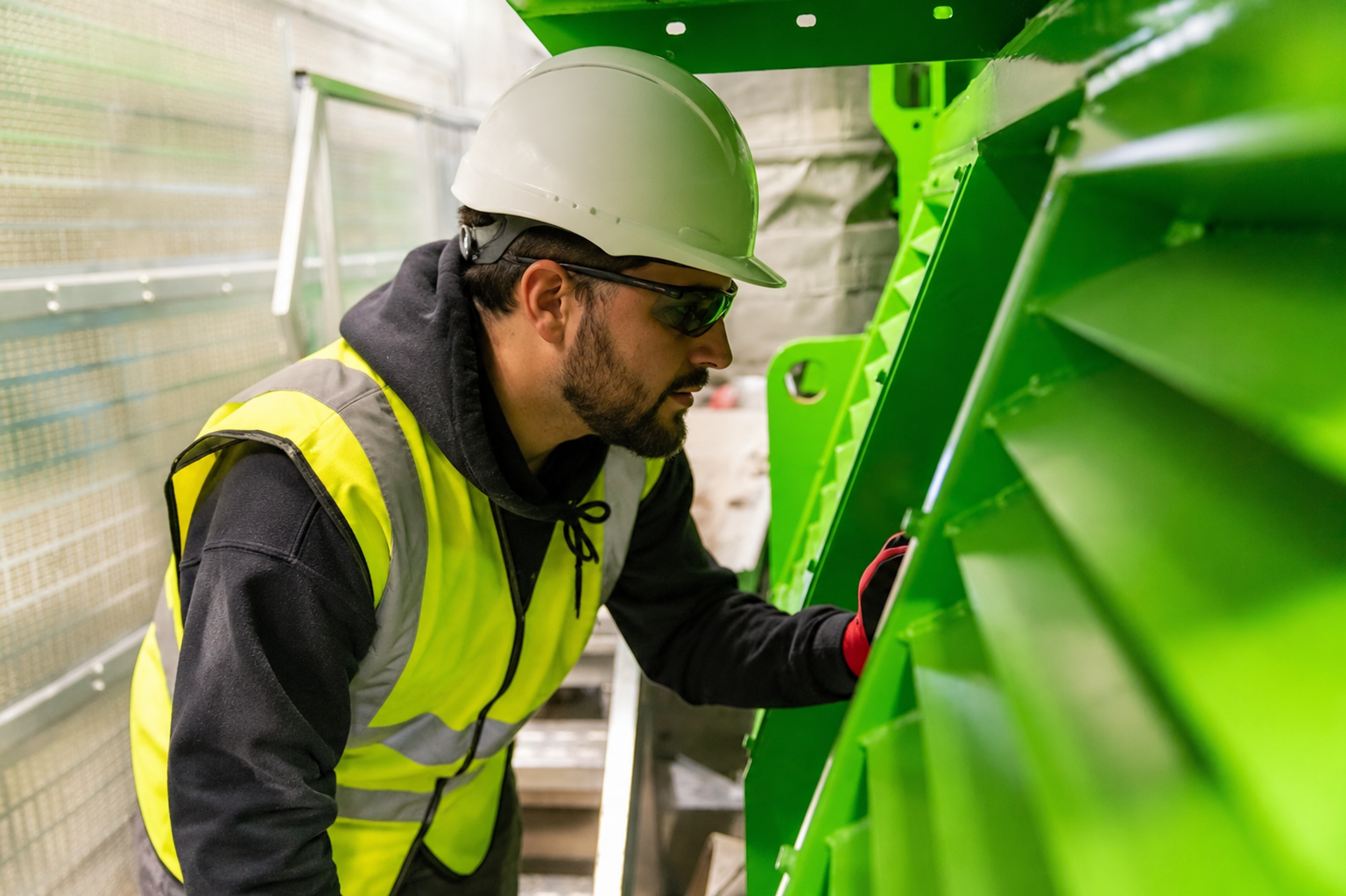
Yes. SEETECH provides technical training, commissioning support and long-term maintenance services for industrial robotics systems and factory automation equipment.
- Industrial robot programming training
- Operator and maintenance training
- Robotic cell troubleshooting support
- Production-line optimization
- Documentation and technical manuals
- Safety validation and operational procedures
- Robotic vision system calibration and maintenance
- Continuous automation improvement support