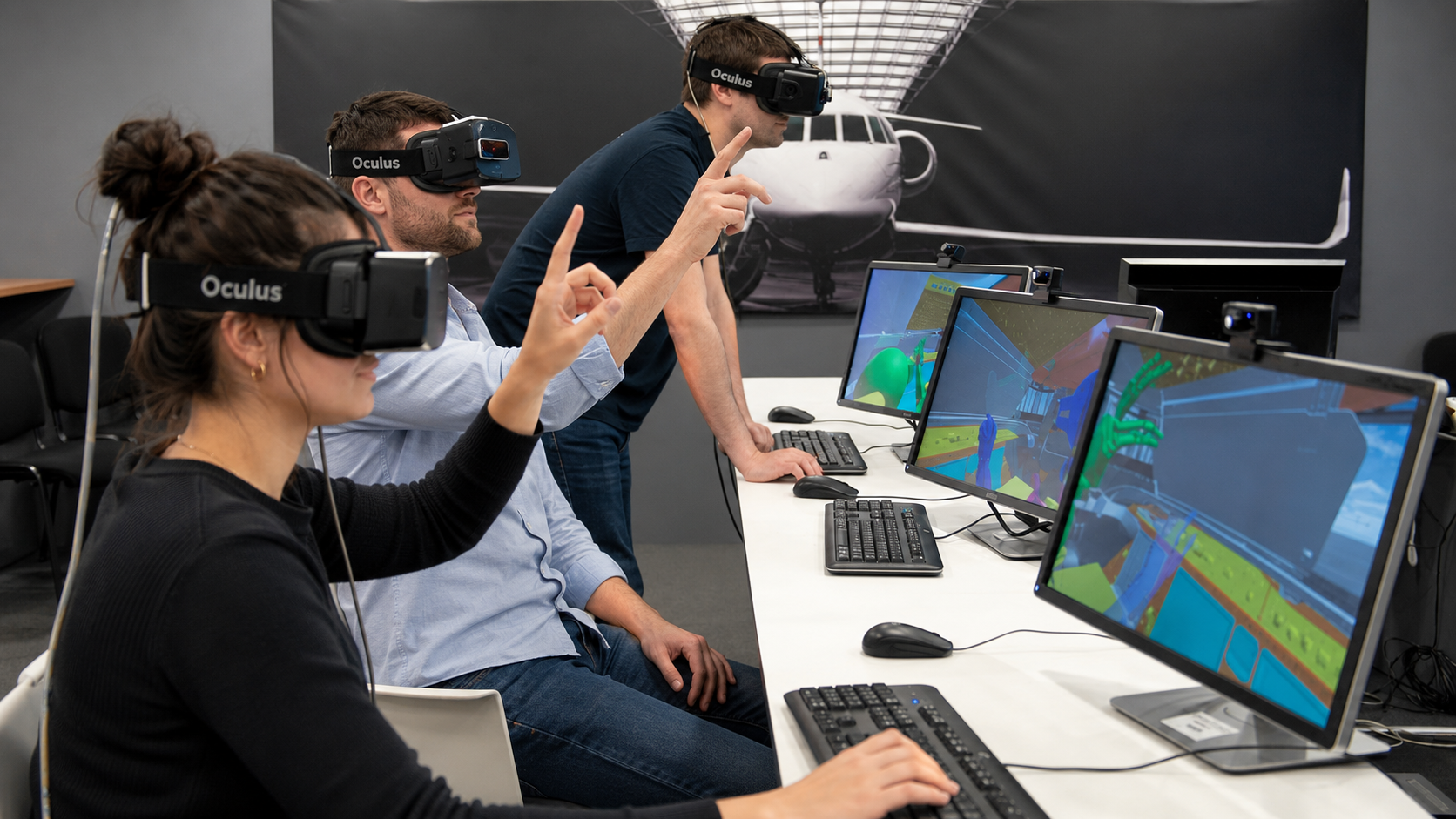
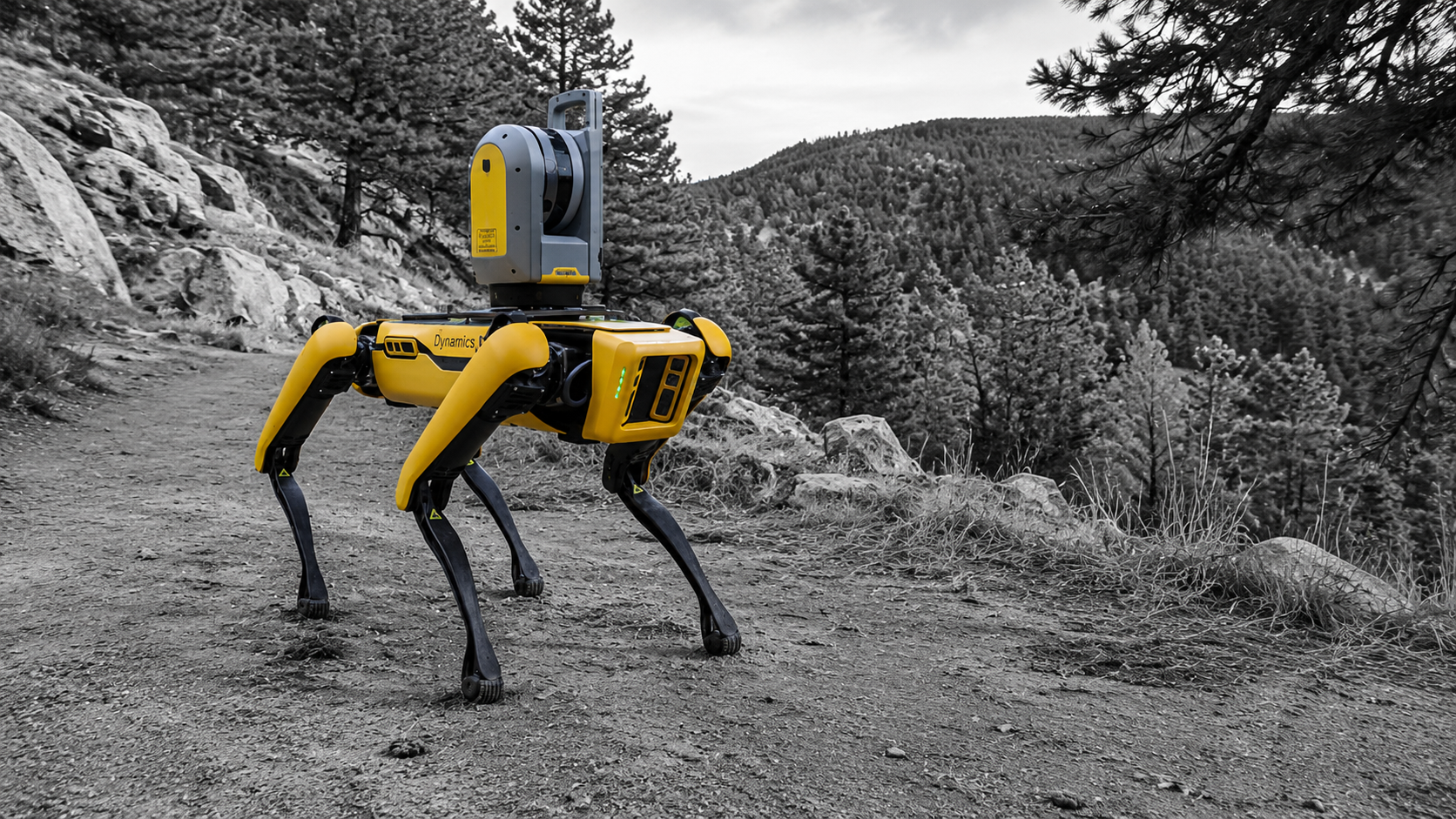
INDUSTRIAL OPERATOR & Maintenance TRAINING FOR PRODUCTION TEAMS
A machine is only productive when operators know how to use it correctly, safely and consistently.
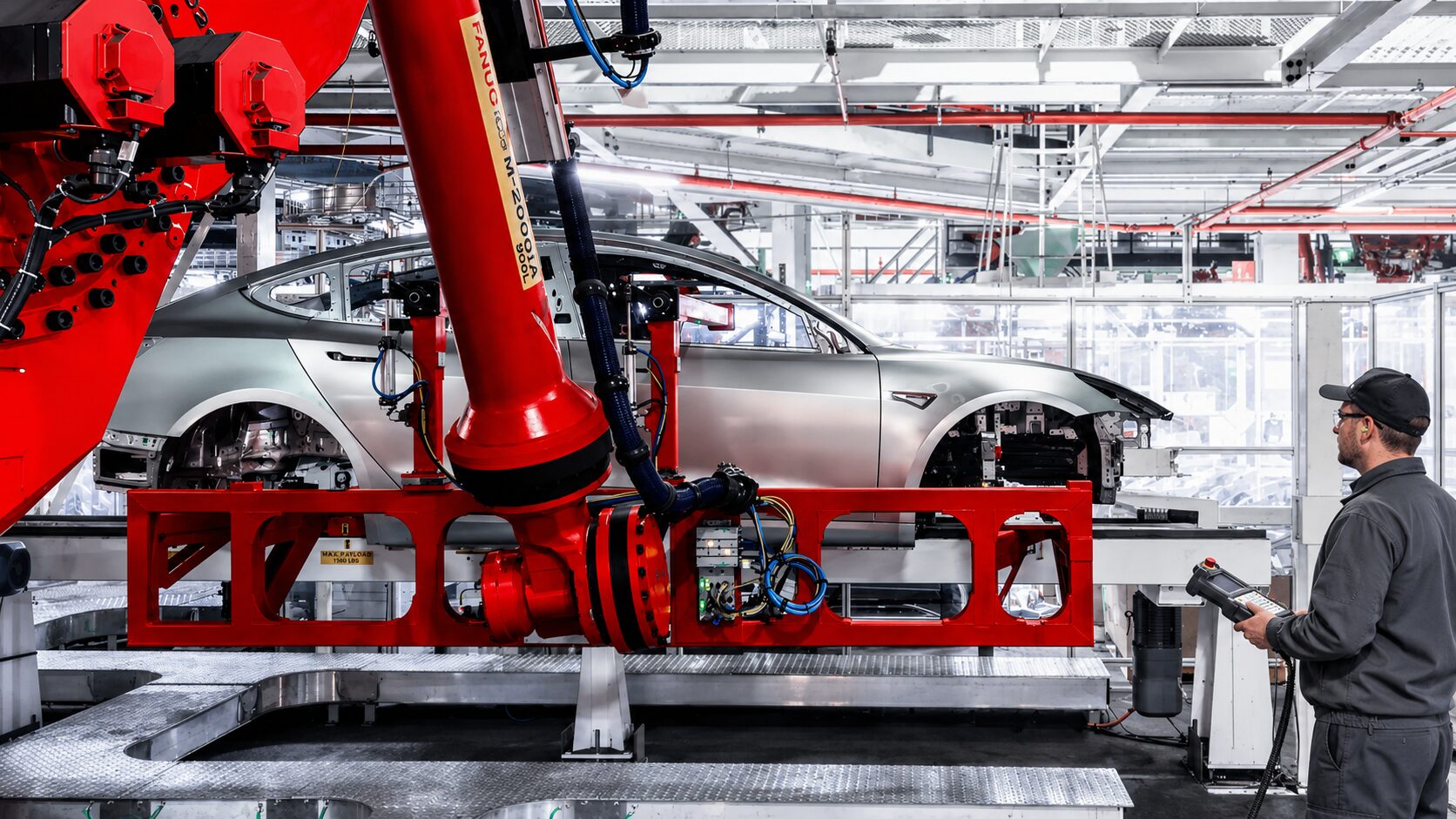
Our industrial operator training helps production teams understand machine functions, operating sequences, HMI screens, alarms, loading procedures, quality checks and safe working methods.
Training is adapted to the real equipment, real production flow and real operator responsibilities, not generic classroom theory.
This helps manufacturers reduce human error, improve shift consistency and make sure new machines are used correctly from the first day of production.
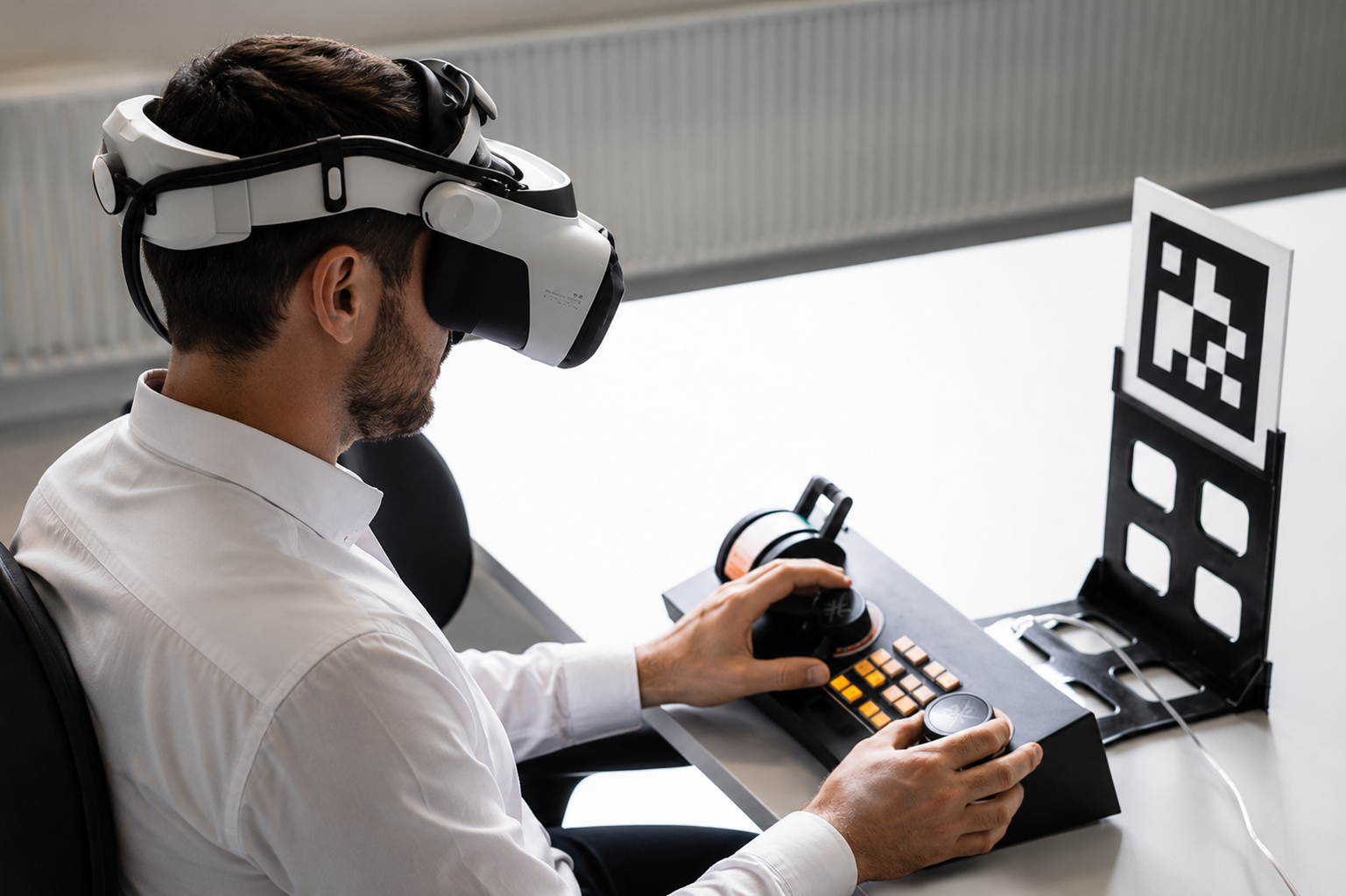
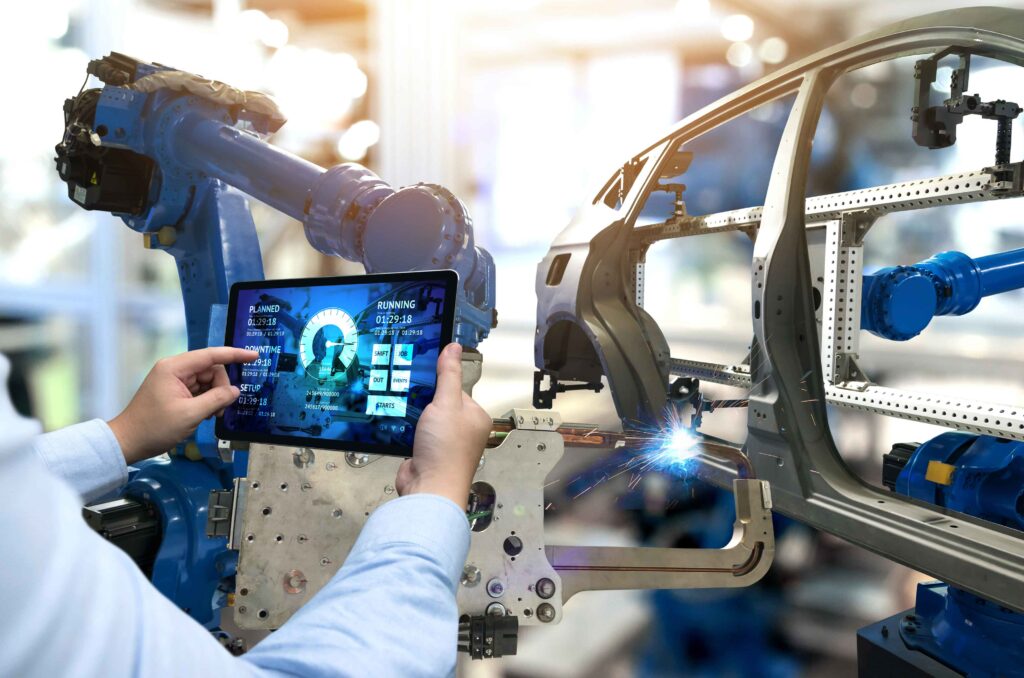
INDUSTRIAL MAINTENANCE TRAINING FOR TECHNICIANS
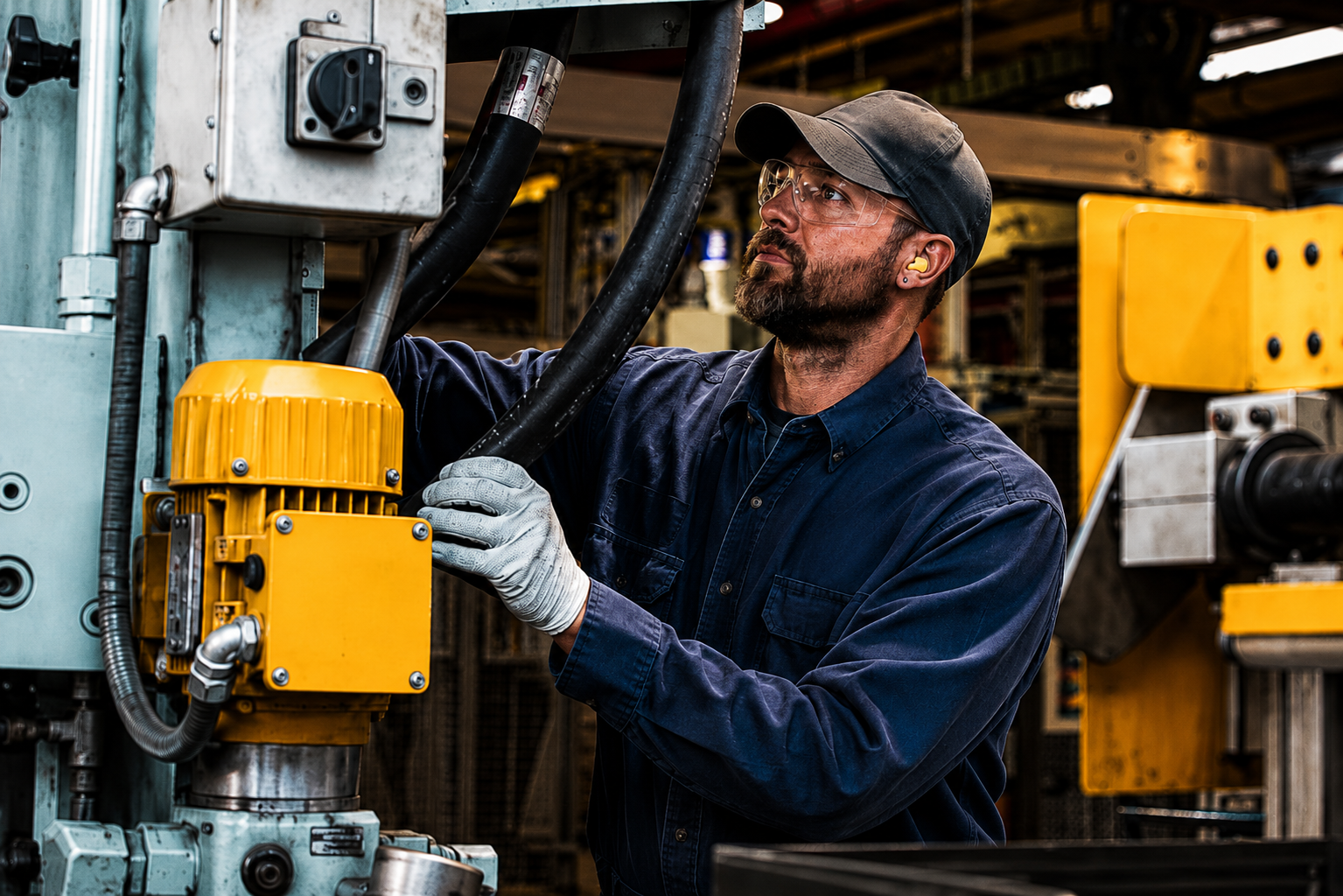
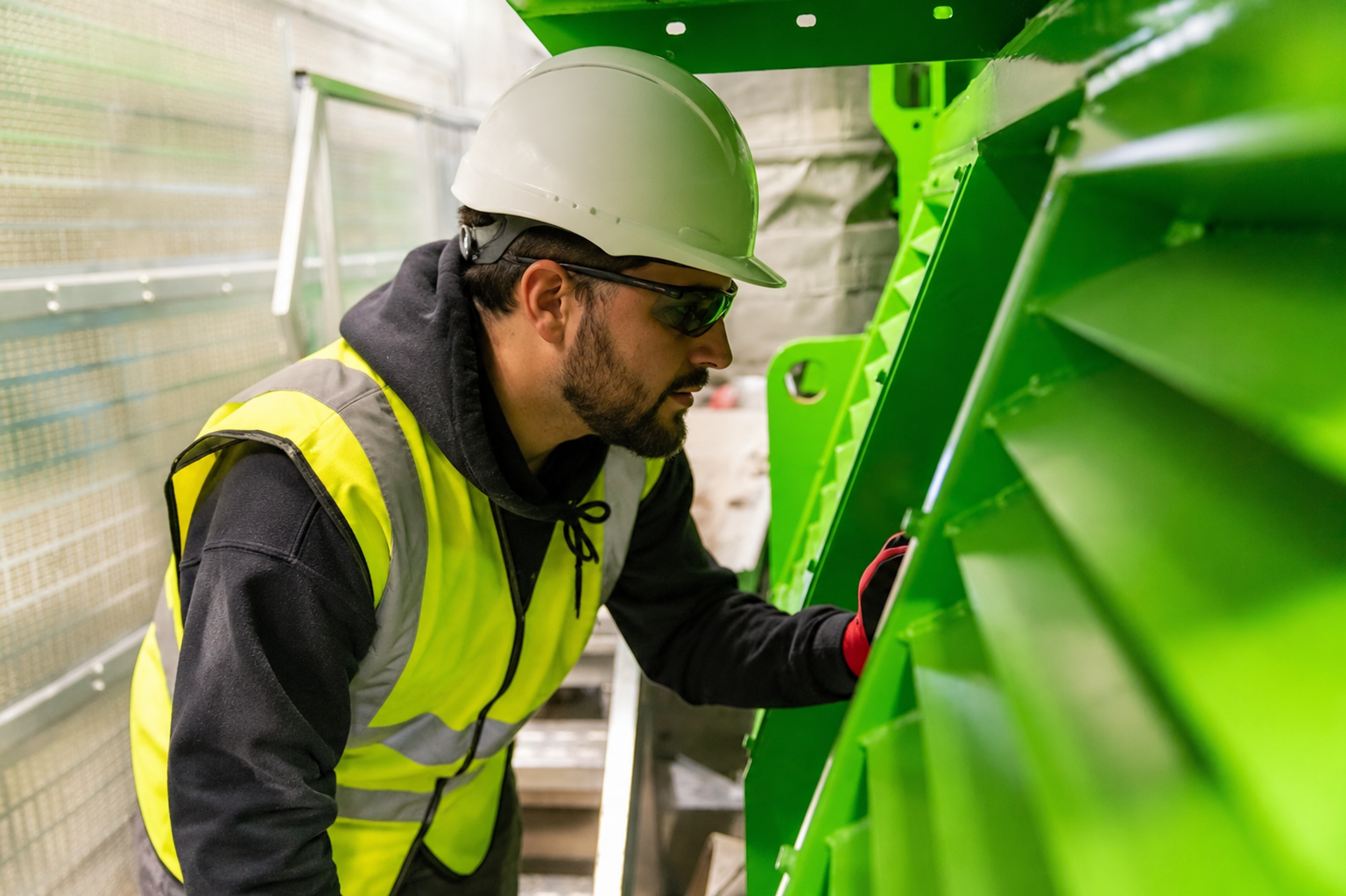
Maintenance teams need more than manuals; they need practical knowledge of how the machine is built, how it fails and how to bring it back into production.
Our industrial maintenance training covers mechanical systems, electrical panels, sensors, actuators, pneumatic circuits, safety devices, PLC signals and machine diagnostics.
Technicians learn how to identify faults, replace components, adjust systems and understand the relationship between mechanical movement, automation logic and production behavior.
This training helps reduce downtime, avoid repeated failures and give maintenance teams the confidence to support critical production equipment.
PREVENTIVE MAINTENANCE AND MACHINE INSPECTION TRAINING
Good maintenance starts before the machine stops.
We provide industrial maintenance training focused on preventive maintenance routines, inspection points, wear indicators, lubrication checks, alignment, sensor verification, pneumatic performance and safety checks.
The goal is to help technicians recognize early signs of problems before they become production failures.
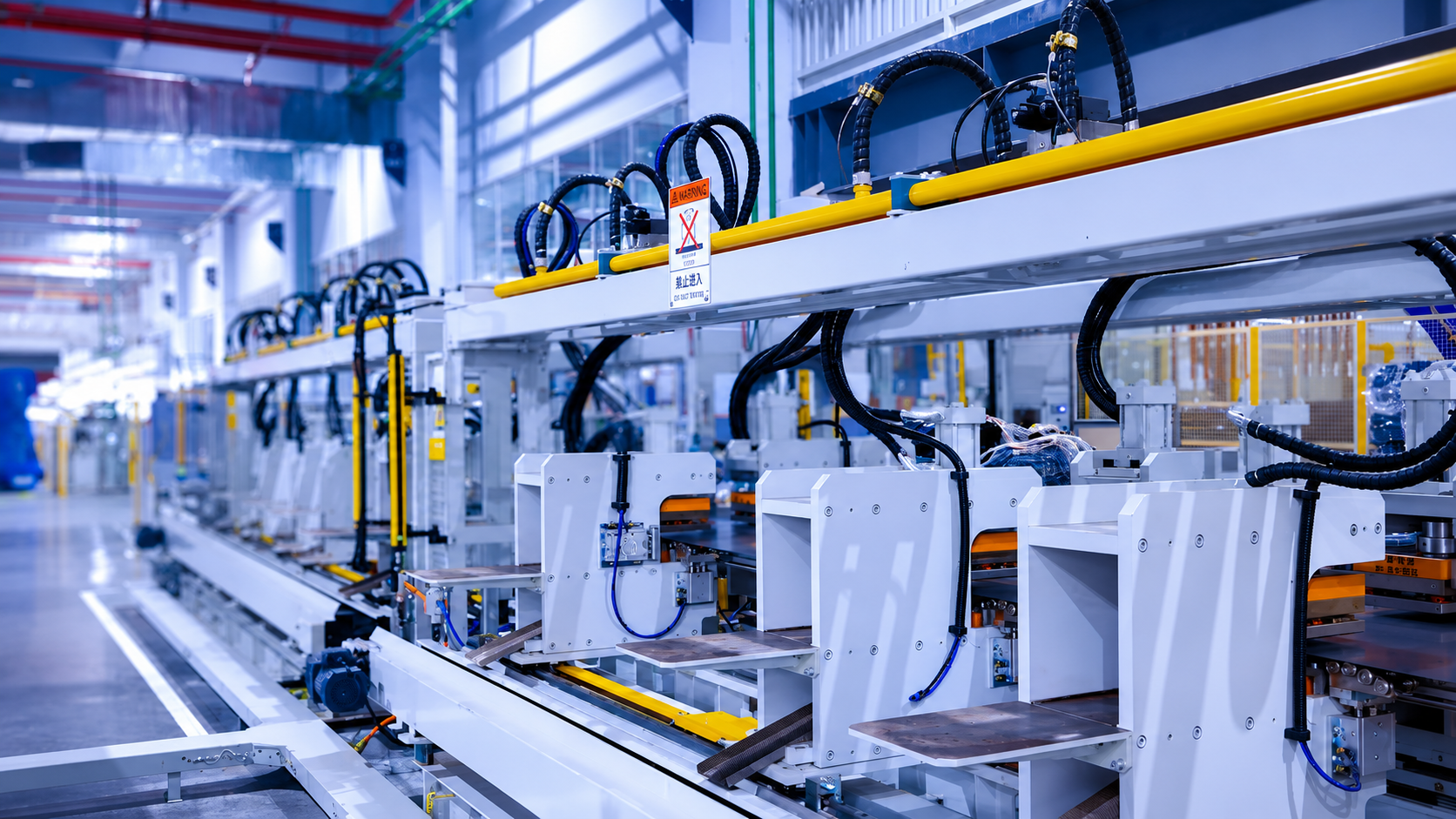
This is especially useful for machines, test benches, automation cells and calibration systems where reliability, repeatability and uptime are critical.
TROUBLESHOOTING, PLC AND ELECTRICAL DIAGNOSTICS TRAINING
When production stops, maintenance teams need to diagnose the fault quickly instead of guessing.
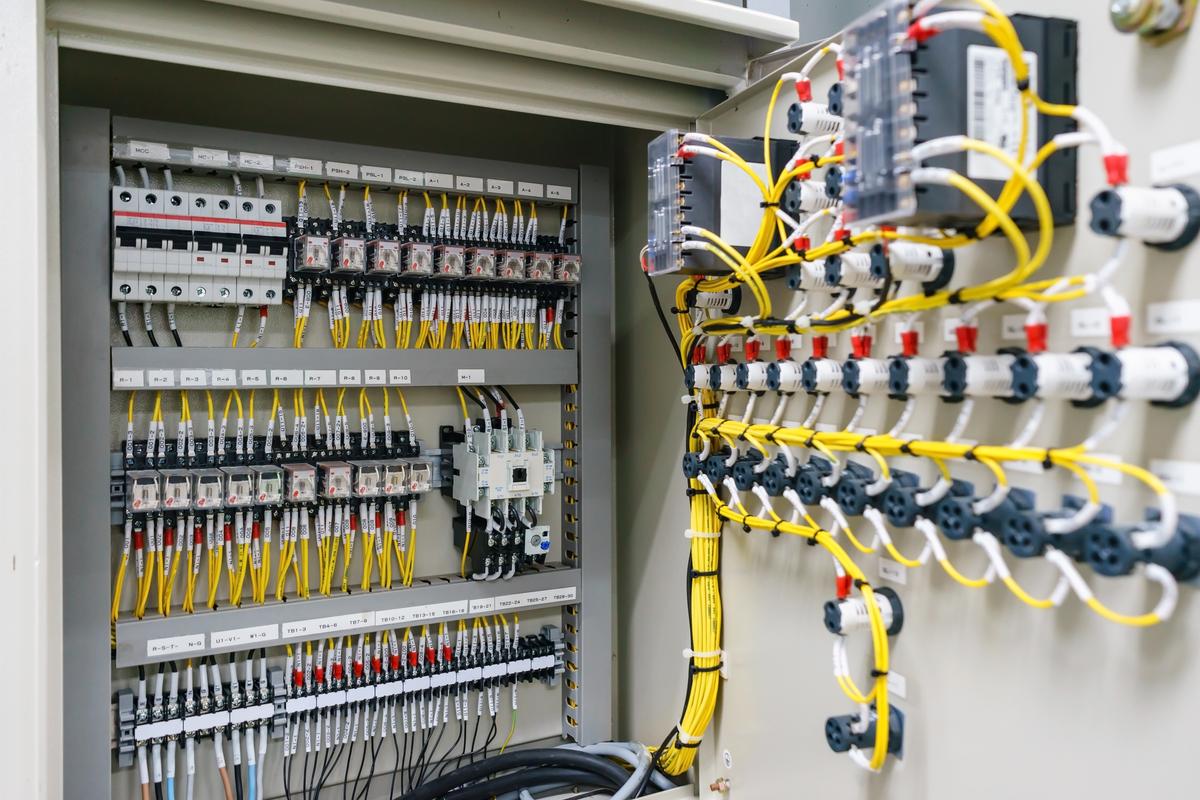
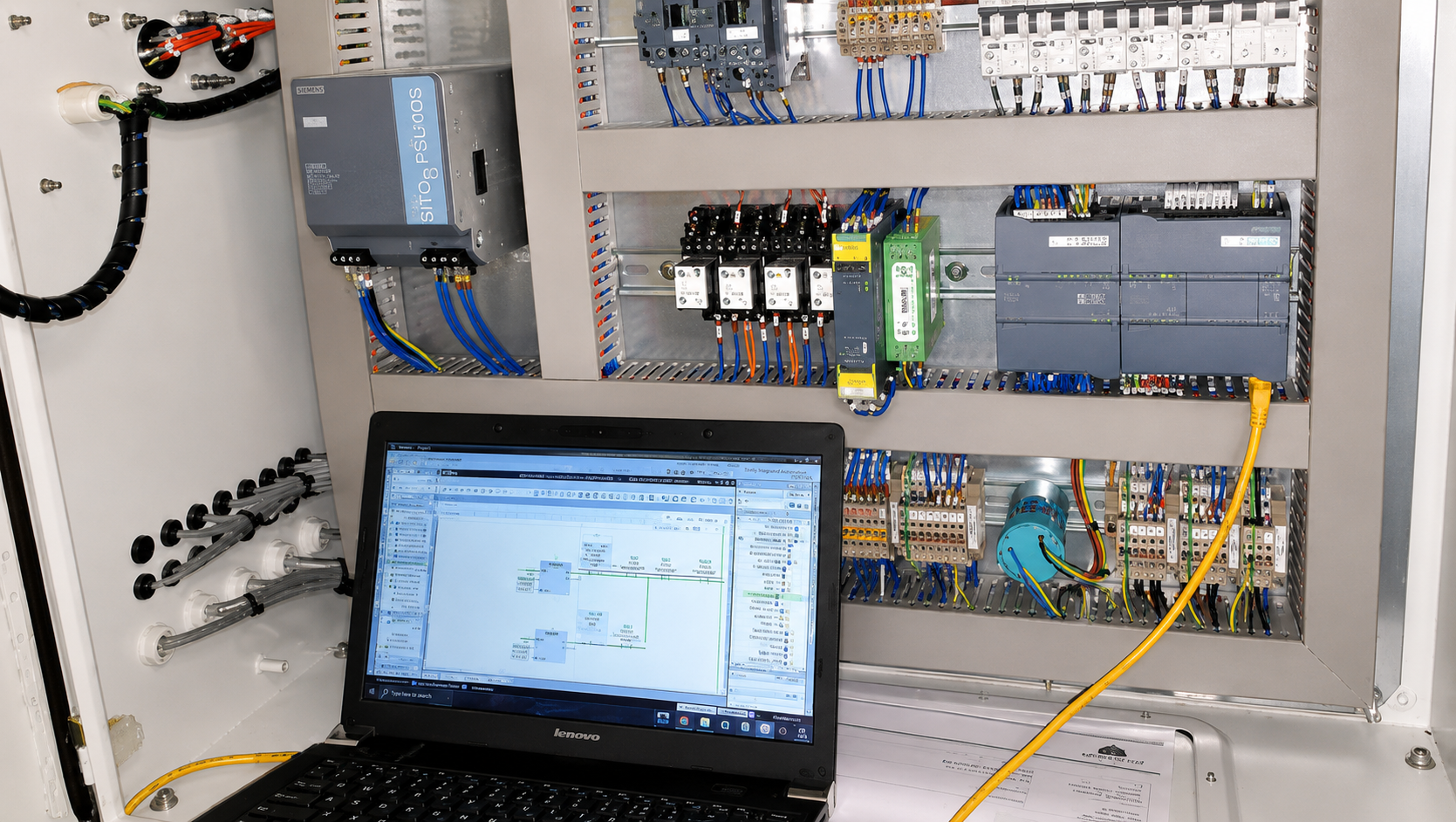
Our industrial maintenance training can include PLC signal checks, HMI alarm interpretation, electrical troubleshooting, sensor diagnostics, actuator testing, safety circuit verification and control cabinet inspection.
Technicians learn how to follow the fault logically from symptom to cause, using machine documentation, electrical diagrams and live diagnostic tools.
This makes troubleshooting faster, cleaner and less dependent on external support.
VR INDUSTRIAL TRAINING AND DIGITAL MACHINE SIMULATIONS
Some procedures are too complex, expensive or risky to practise directly on live production equipment.
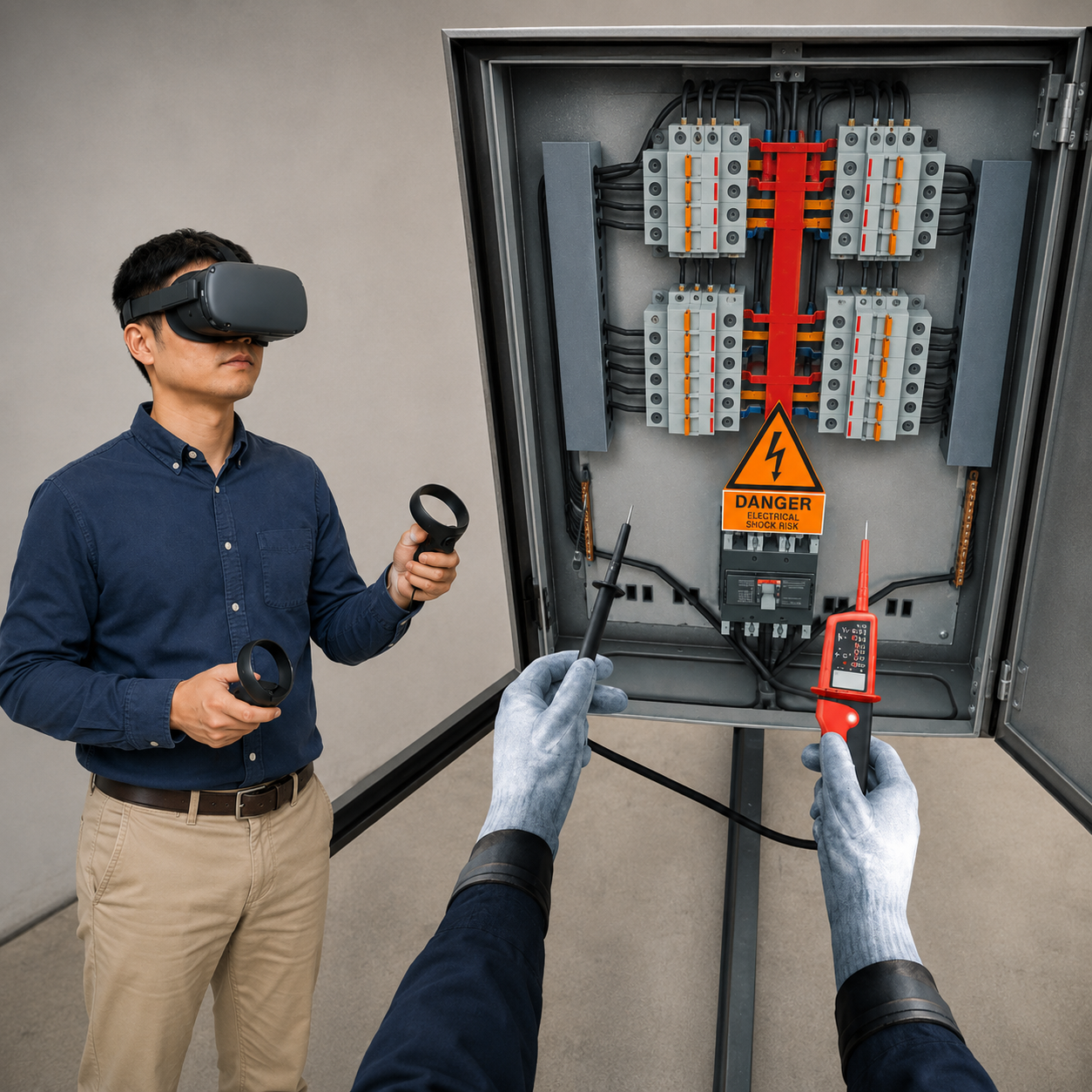
VR industrial training allows operators and maintenance teams to learn machine operation, safety procedures, maintenance access, fault recovery and emergency situations in a controlled digital environment.
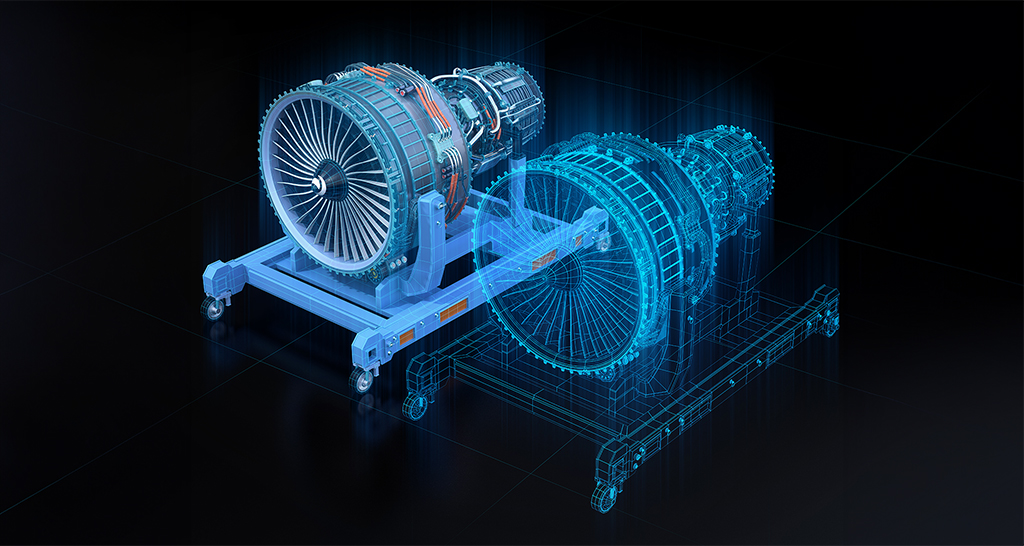
A virtual machine or digital training simulation can reproduce key tasks before the real machine is installed, during commissioning or as part of continuous workforce training.
Combined with hands-on industrial operator training, VR helps factories train faster, standardize procedures and prepare teams for real production without interrupting the line.
let’s DISCUSS YOUR INDUSTRIAL AI CONSULTING PROJECT
Tell us about your factory, process, or automation challenge. Our engineering team will review your requirements and propose the right solution.
1. What is industrial operator and maintenance training?
Industrial operator and maintenance training teaches production teams how to operate, inspect, troubleshoot and maintain industrial machines safely and consistently.
It can cover machine functions, HMI screens, alarms, loading procedures, operating sequences, quality checks, safety procedures, inspection routines and fault recovery.
SEETECH adapts the training to the real machine, real production flow and real responsibilities of operators and maintenance technicians.
2. Why is operator training important for production machines?
A machine is only productive when operators understand how to use it correctly, safely and consistently.
Good operator training reduces human error, improves shift-to-shift consistency, prevents incorrect use of the equipment and helps new machines enter production faster.
Training can include start-up, shutdown, loading, unloading, HMI operation, alarm response, quality checks and safe working methods.
3. What should maintenance technicians learn during machine training?
Maintenance technicians should understand how the machine is built, how it moves, how it fails and how to restore it safely after a fault.
Training can cover mechanical systems, electrical panels, sensors, actuators, pneumatic circuits, safety devices, PLC signals, machine diagnostics and component replacement.
This helps technicians reduce downtime, avoid repeated failures and support critical production equipment with more confidence.
4. How does maintenance training improve troubleshooting?
Maintenance training improves troubleshooting by teaching technicians to follow a fault logically instead of guessing.
Technicians learn how to read symptoms, check PLC signals, interpret HMI alarms, inspect sensors, test actuators, verify safety circuits and use electrical documentation correctly.
This makes fault diagnosis faster, cleaner and less dependent on external technical support.
5. What is included in preventive maintenance training?
Preventive maintenance training teaches technicians how to inspect machine condition before failures interrupt production.
It can include lubrication checks, alignment verification, wear inspection, sensor checks, pneumatic performance, movement analysis, safety checks and inspection routines.
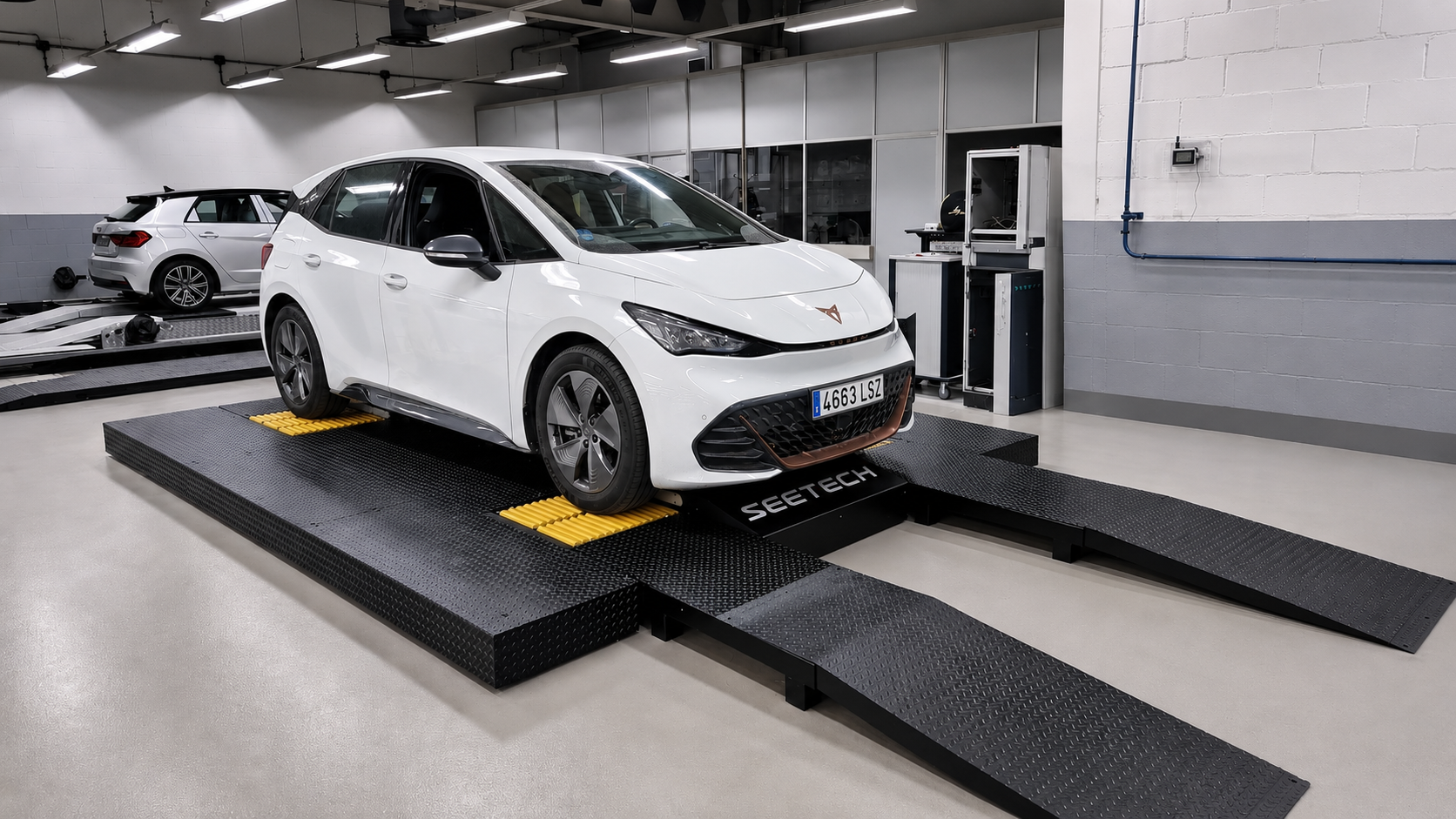
SEETECH provides industrial operator and maintenance training for machines, test benches, automation cells and calibration systems where reliability and uptime are critical.
6. Why is electrical and PLC diagnostics training important?
Electrical and PLC diagnostics training is important because many machine faults are connected to sensors, actuators, wiring, control cabinets, safety circuits or automation logic.
Technicians need to understand how to check signals, read electrical diagrams, inspect cabinet components, interpret PLC inputs and outputs, and verify that the machine sequence is working correctly.
This training helps maintenance teams diagnose faults faster and reduce downtime caused by basic electrical or automation problems.
7. Can VR be used for industrial training?
Yes. VR industrial training can help operators and maintenance teams practise machine procedures in a controlled digital environment.
Virtual simulations can reproduce operation sequences, maintenance access, fault recovery, emergency situations and safety procedures before the team works on live equipment.
This is useful when the real machine is expensive, dangerous, not yet installed or too critical to stop for training.
8. Does VR training replace hands-on machine training?
VR training does not automatically replace hands-on training. It works best when combined with practical instruction on the real machine.
Digital simulations can prepare operators and technicians before commissioning, but real equipment training is still important for physical interaction, real machine behaviour, maintenance access and final validation.
SEETECH can combine VR industrial training with hands-on industrial operator and maintenance training to standardize procedures and prepare teams more effectively.
9. How does training support smart manufacturing and automation?
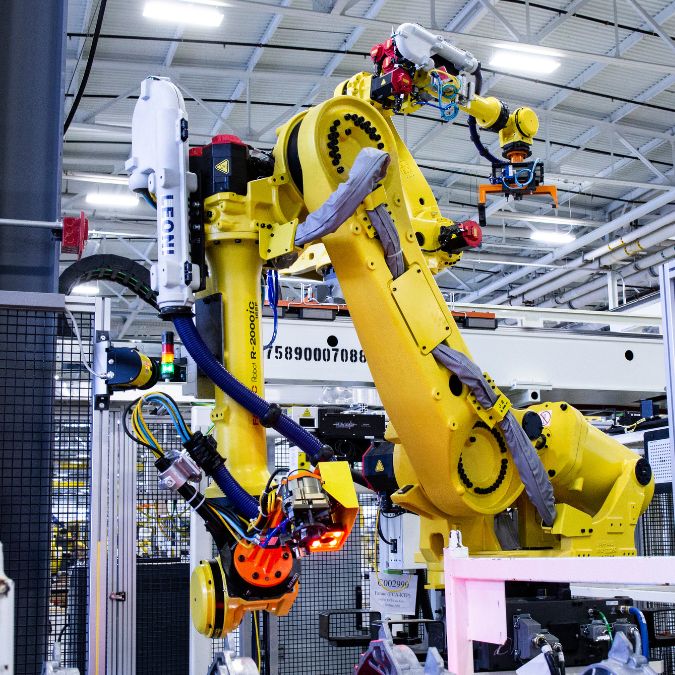
Modern production machines often include PLCs, HMIs, sensors, alarms, data collection, machine vision, robotics and diagnostic systems.
Operators and maintenance technicians need training to understand how these systems work together and how their actions affect production quality, uptime and traceability.
Training helps factories get more value from automation by making sure people know how to operate, inspect and recover the equipment correctly.
10. When should industrial operator and maintenance training be provided?
Industrial operator and maintenance training should be provided before a new machine enters production, after a retrofit, when new operators or technicians join the team, and when procedures or equipment change.
It is also useful after repeated faults, quality problems, safety incidents or maintenance errors that show a gap in practical machine knowledge.
SEETECH can provide training during installation, commissioning, production start-up or continuous improvement programs.