AUTONOMOUS INSPECTION & SECURITY ROBOTS
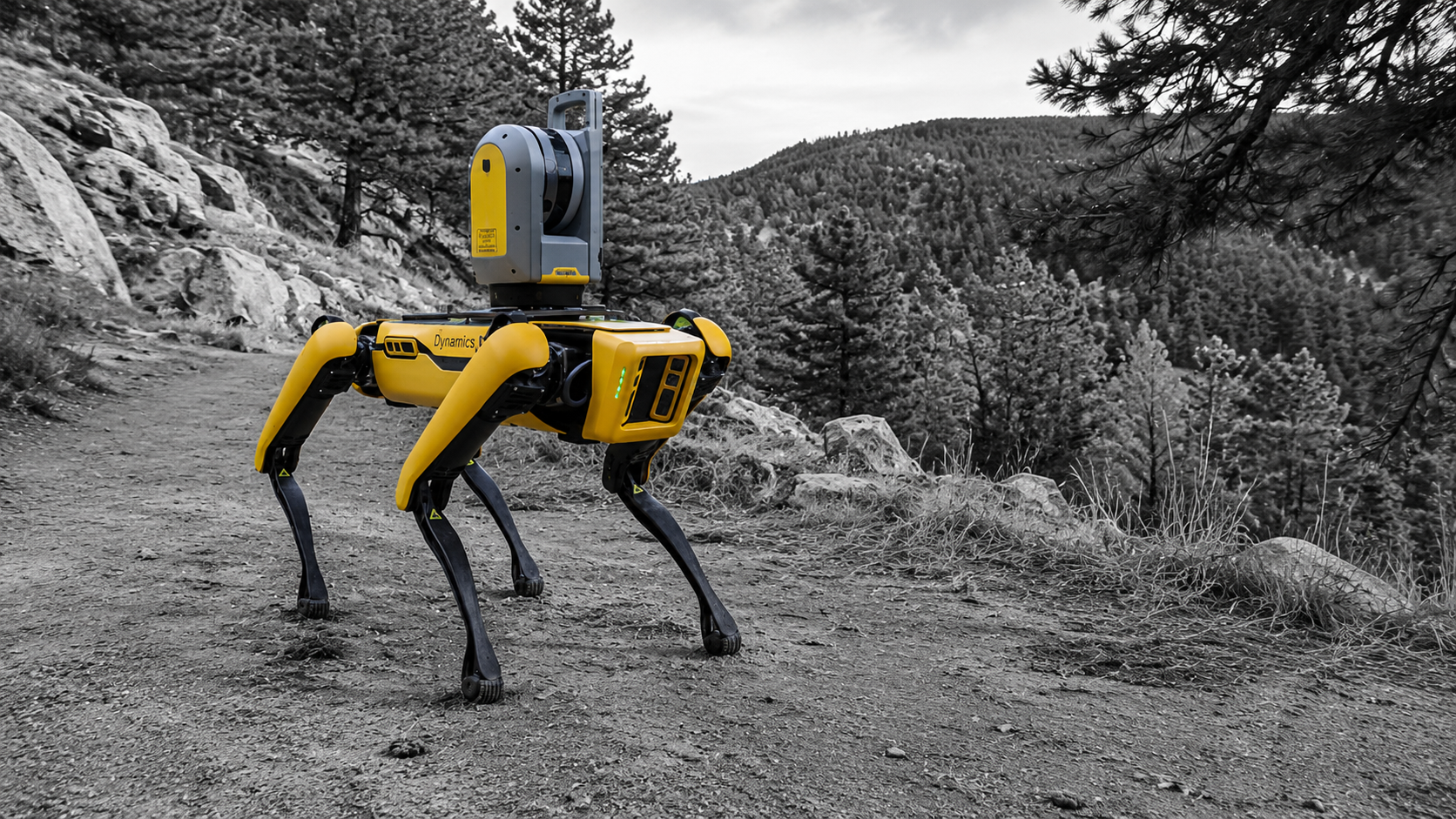
AI-powered mobile robots can autonomously patrol factories, warehouses and industrial sites.
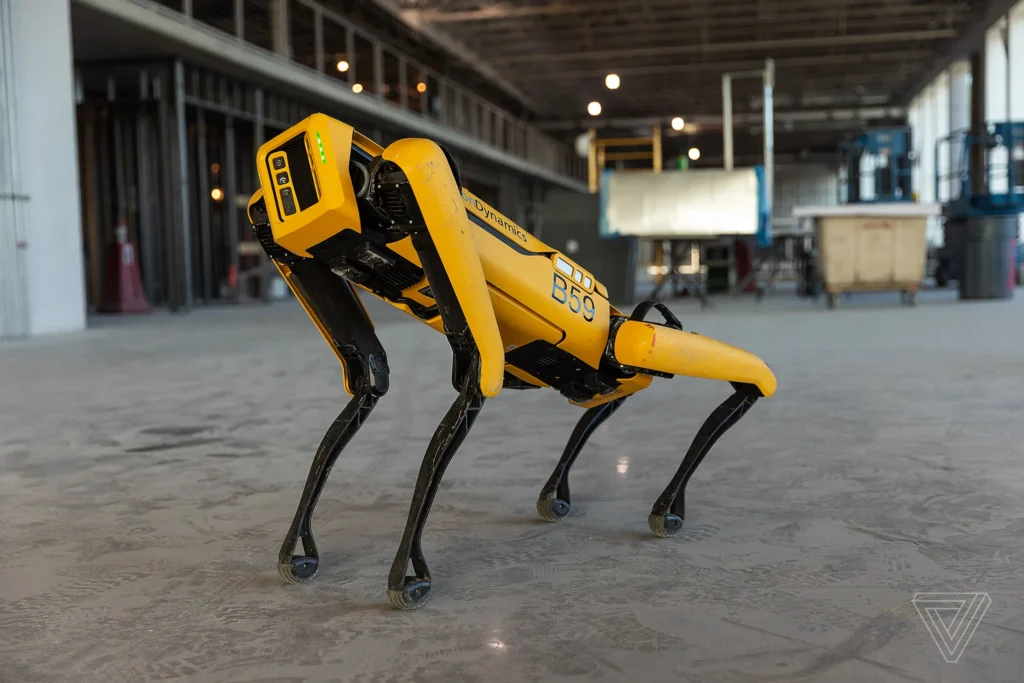
As part of our industrial AI consulting services, we combine robotic platforms such as Spot with AI vision systems so companies can automate night patrols, equipment inspection and anomaly detection.
Robots can detect intrusions, overheating equipment, leaks, or safety hazards while transmitting real-time alerts to operators.
This reduces the need for manual inspection rounds and improves safety in large industrial facilities.
Predictive Maintenance for Industrial Equipment
Unplanned machine downtime is one of the most expensive problems in manufacturing.
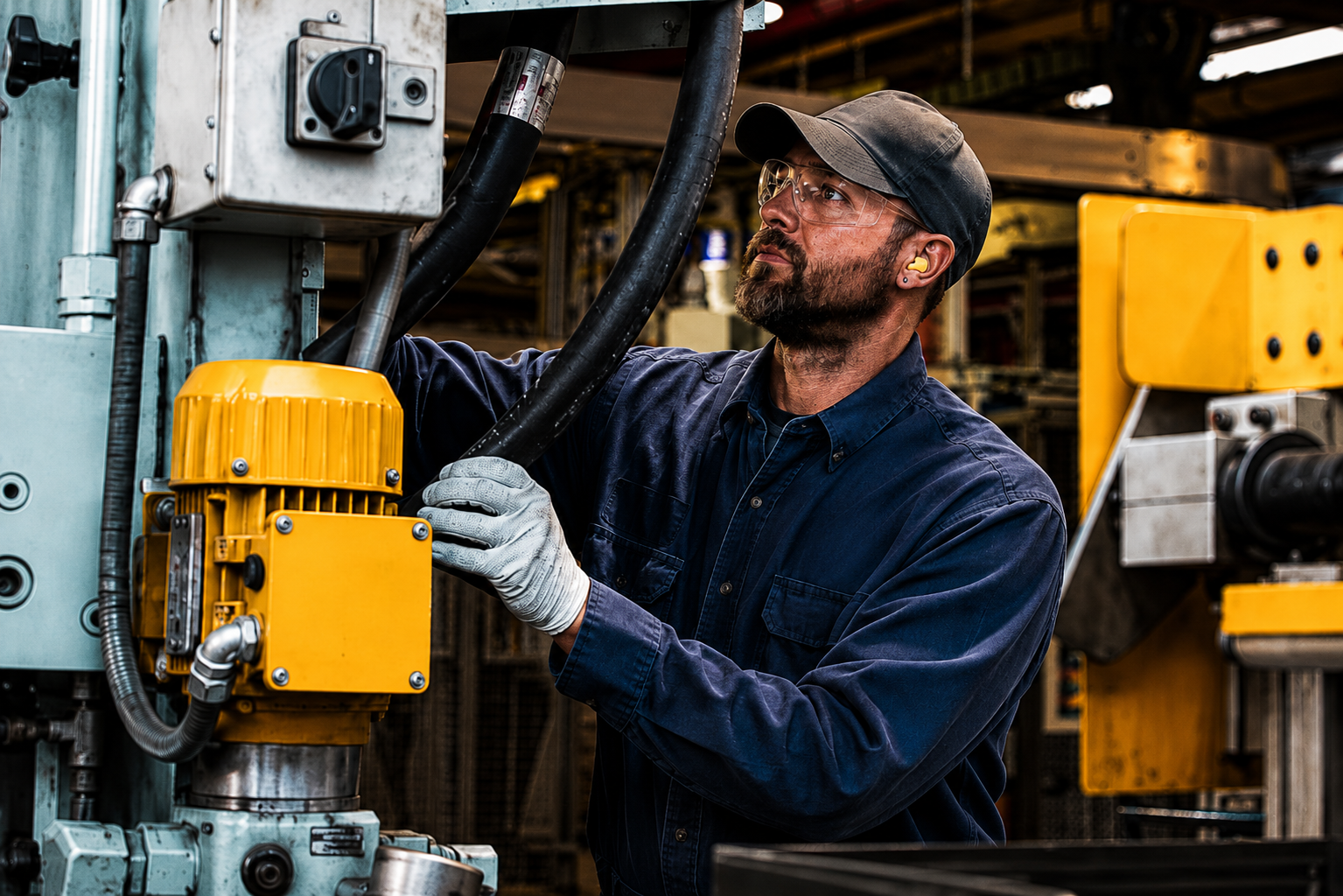
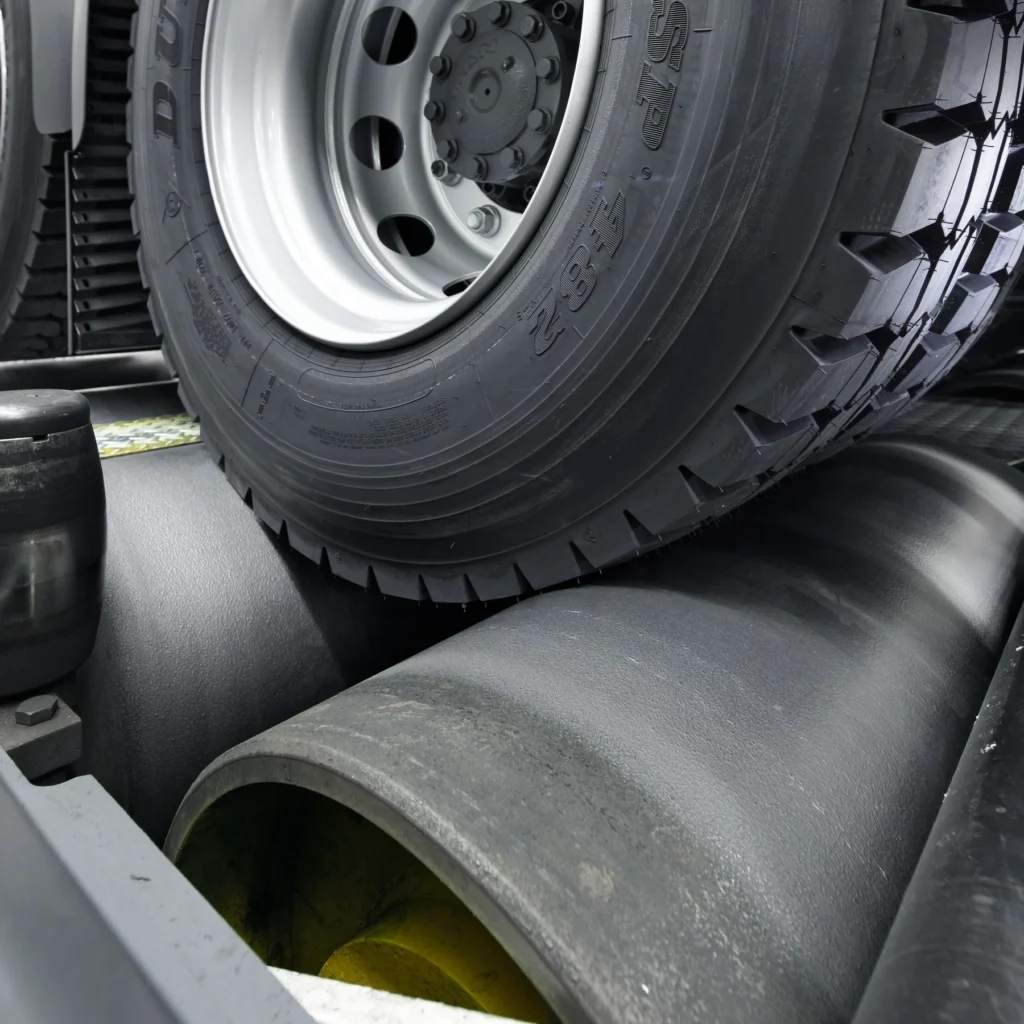
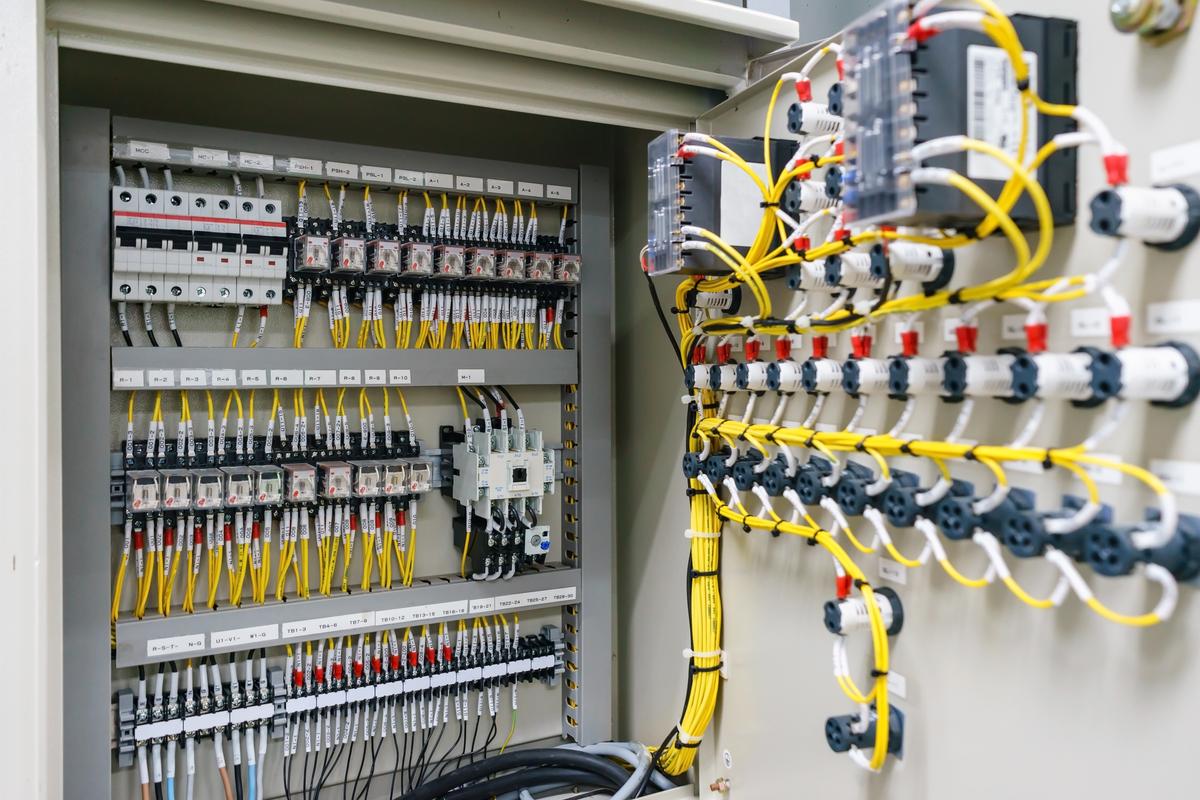
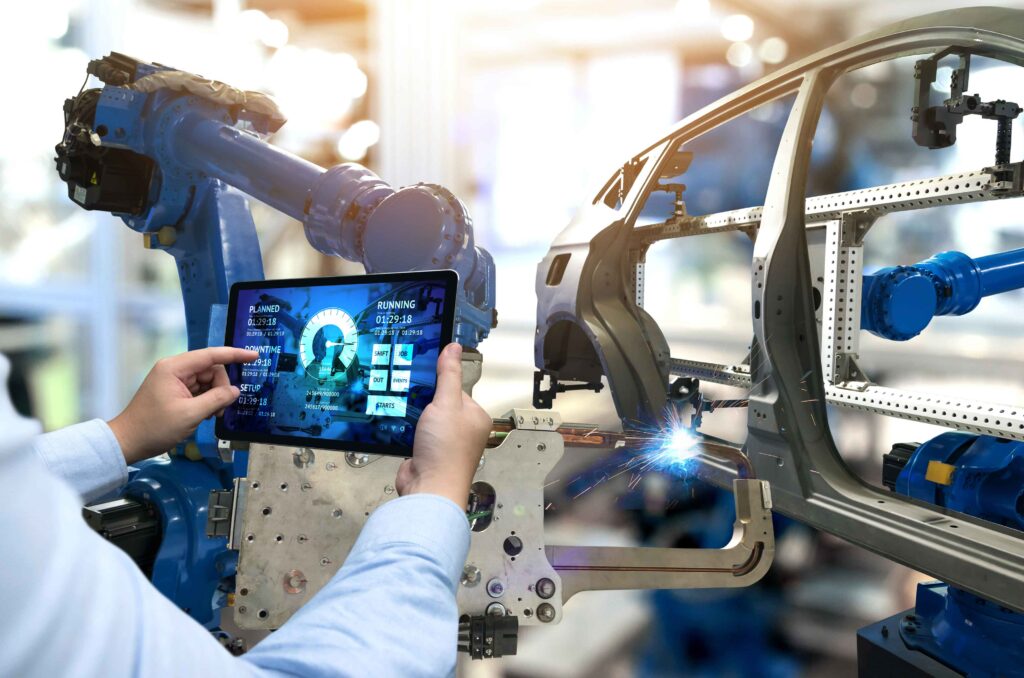
Through our industrial AI consulting solutions, AI models can analyze vibration, temperature, electrical consumption and production data to detect early signs of mechanical failure.
Predictive maintenance systems allow companies to service machines before they break, reducing downtime and maintenance costs.
This approach is widely used in automotive plants, energy facilities and heavy industry.
AI Vision for Quality Inspection
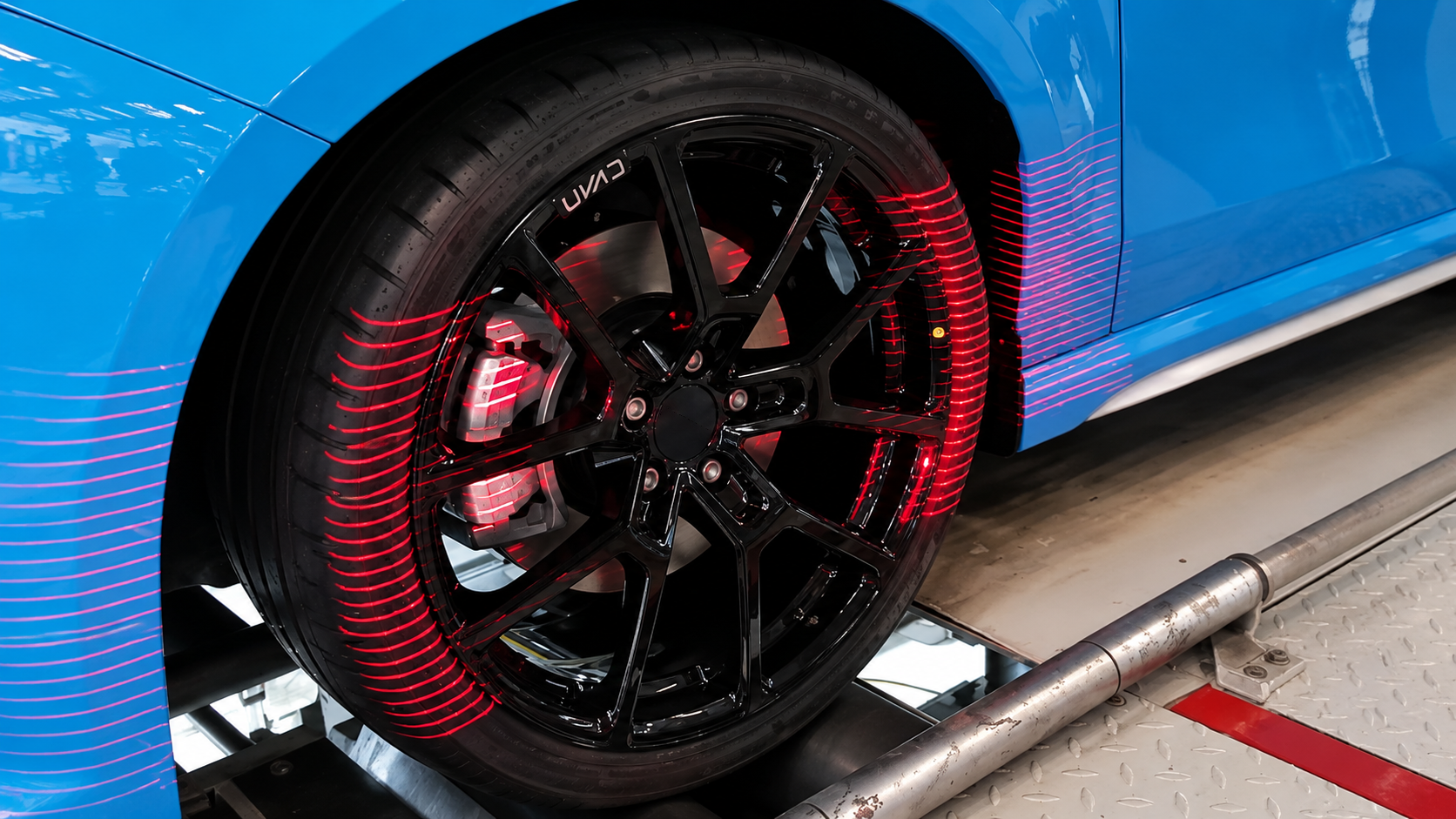
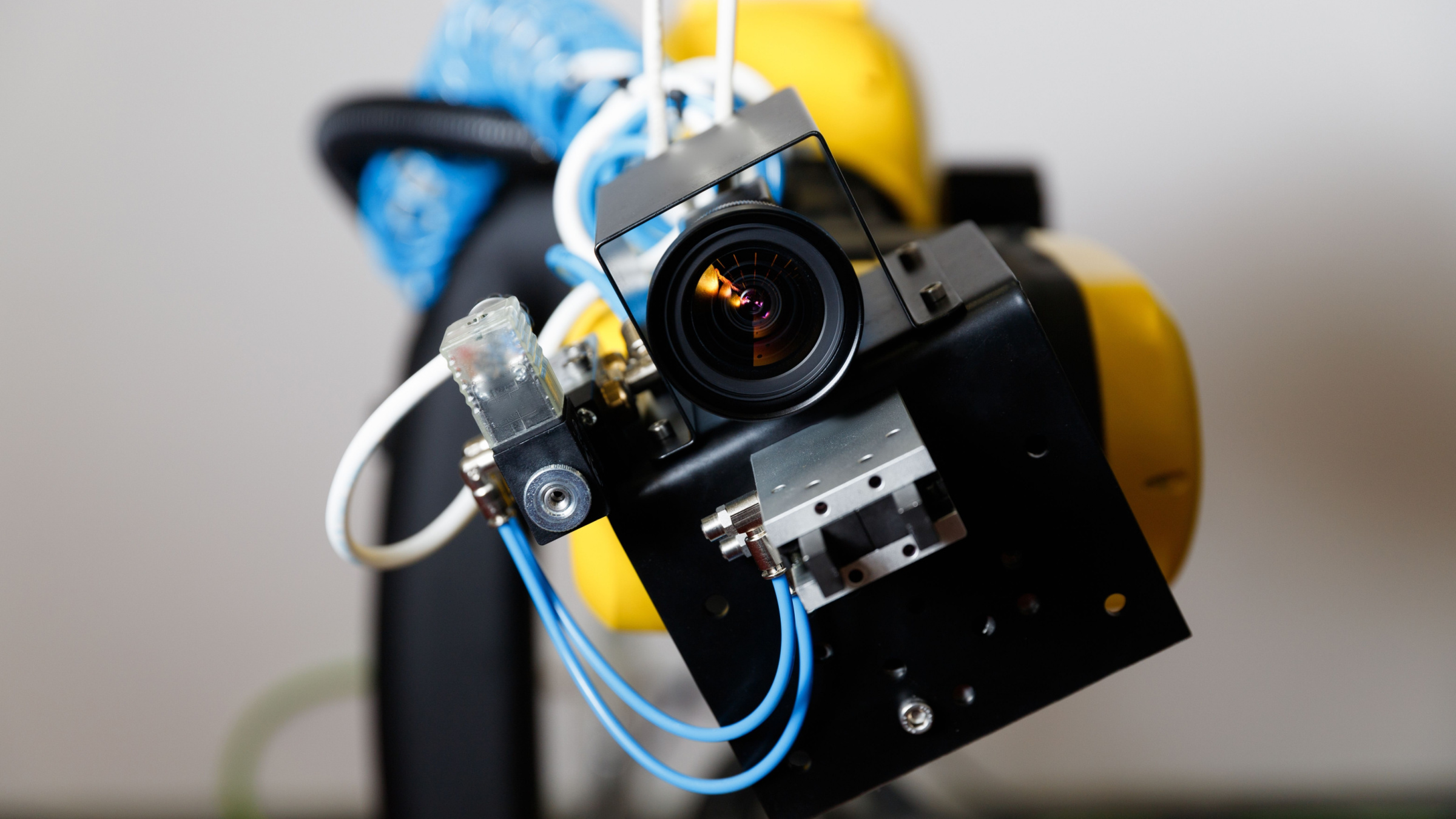
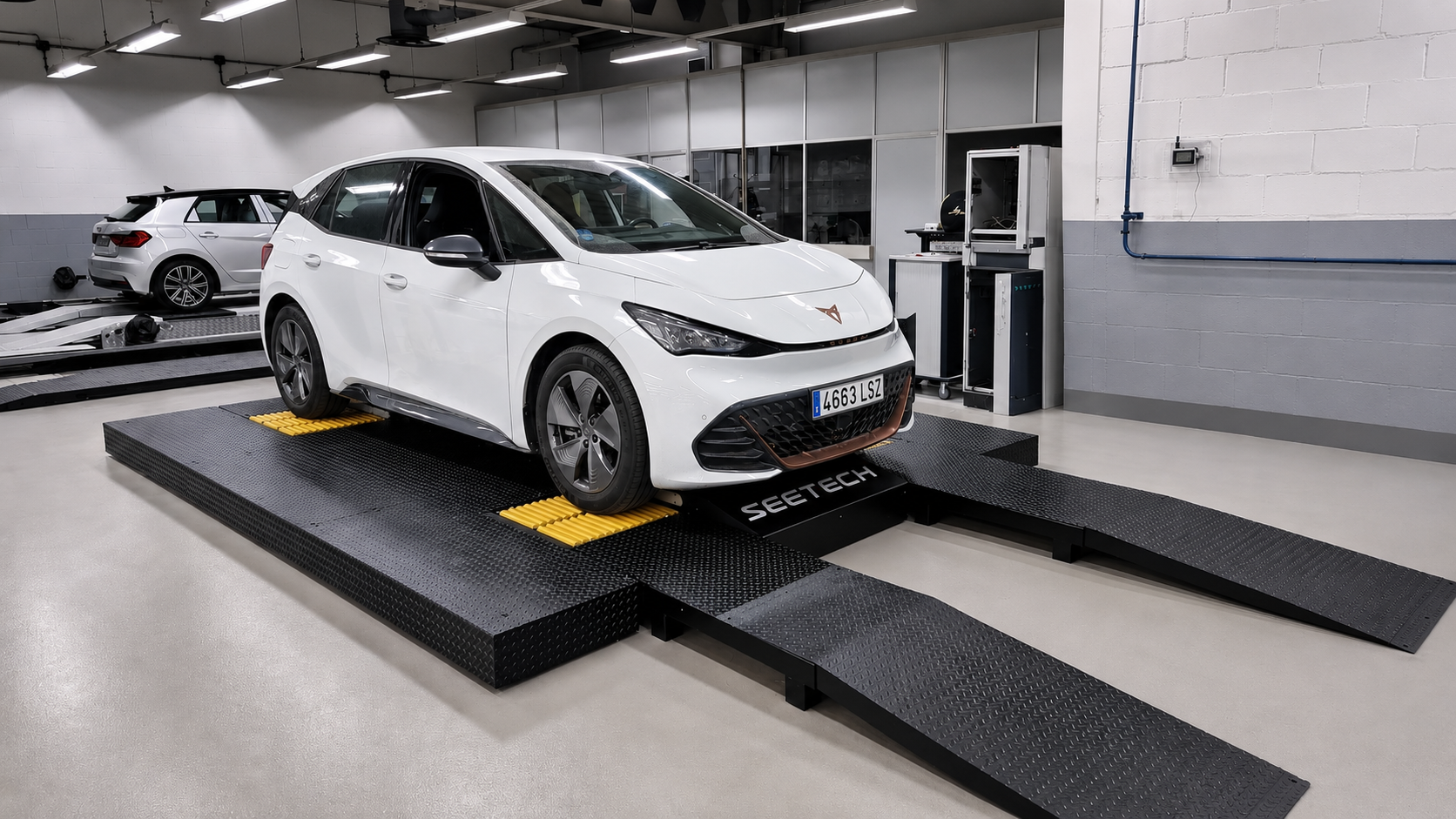
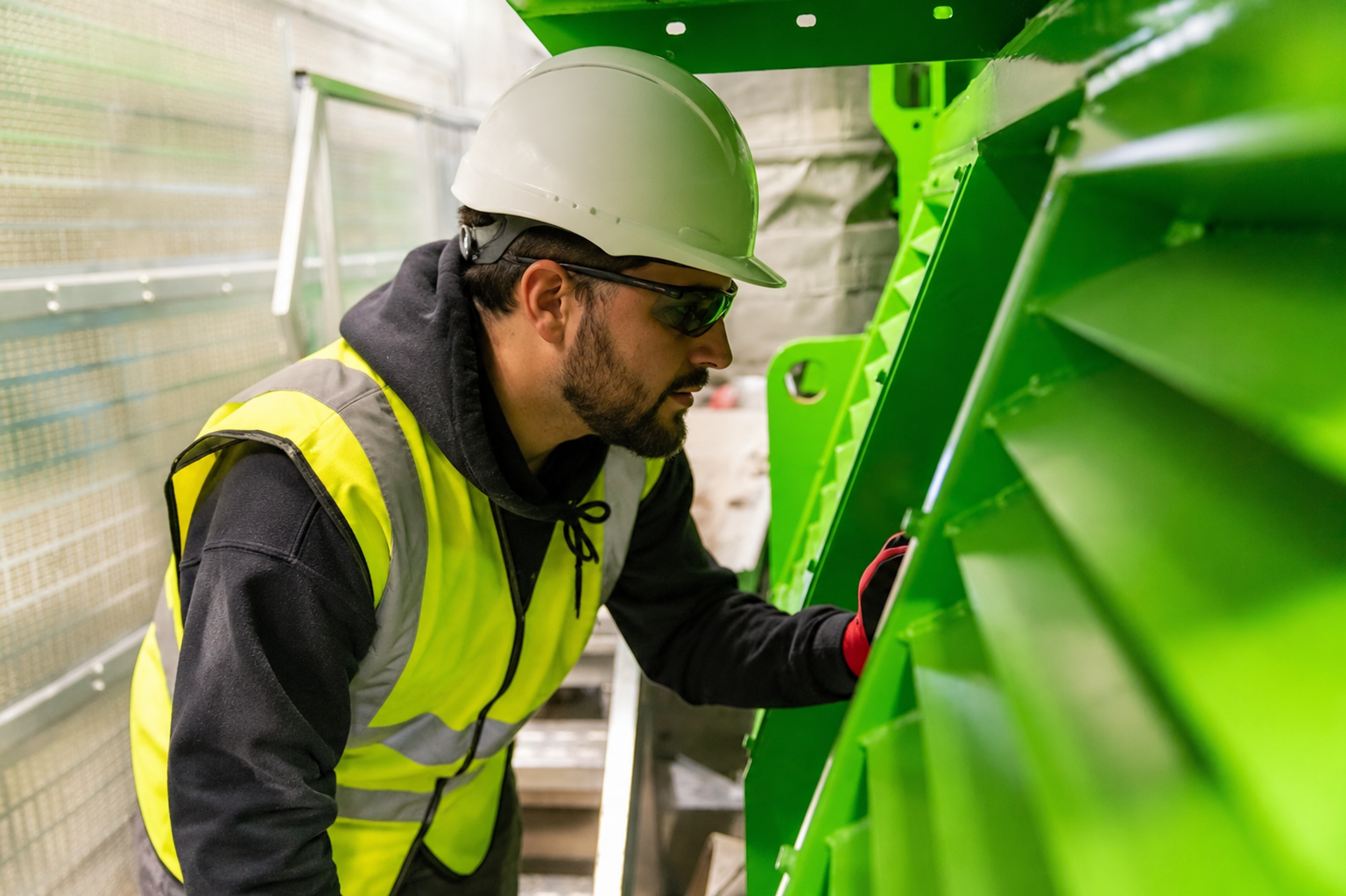
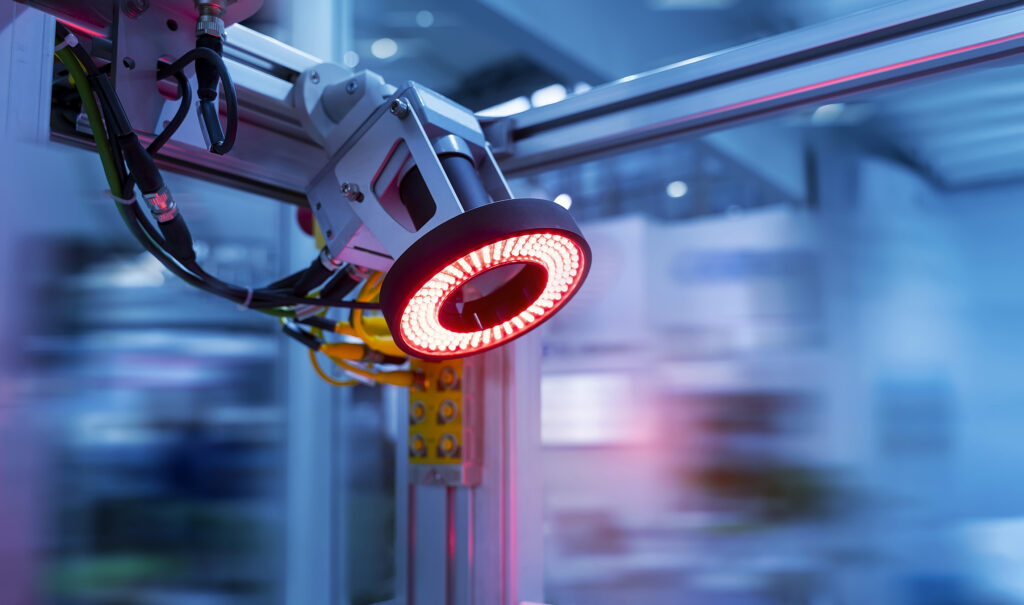
AI vision systems can automatically inspect parts and detect defects during production.
As part of our industrial AI consulting services, machine learning and industrial cameras identify scratches, misalignments, missing components or assembly errors in real time.
Automated quality inspection reduces scrap rates, improves product consistency and allows manufacturers to scale production without increasing manual inspection labor.

Production Optimization & Process Analytics
Factories generate massive amounts of data that often remain unused.
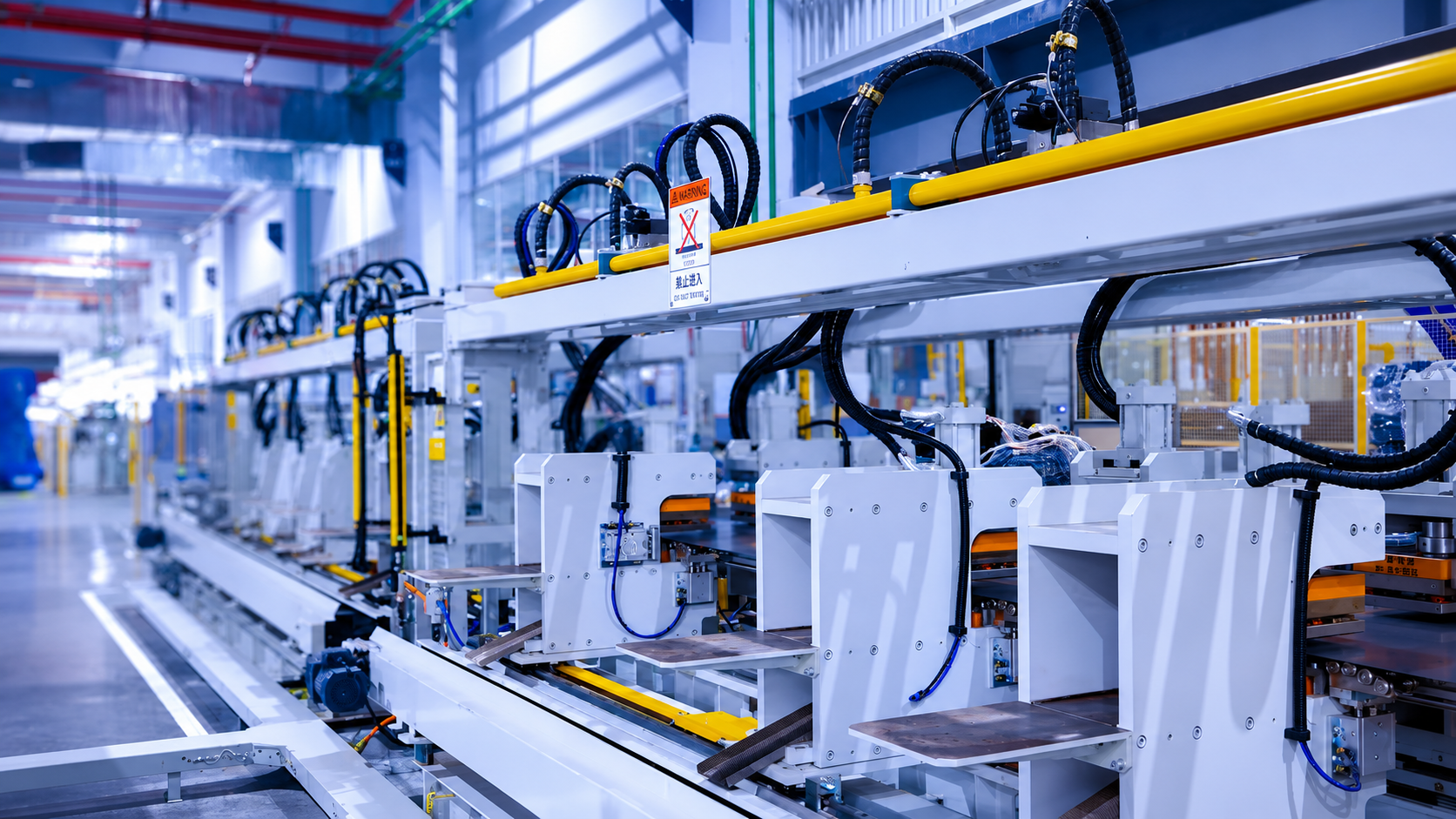
Through industrial AI consulting, AI analytics platforms can process production data to identify inefficiencies, bottlenecks and opportunities for optimization.
By analyzing machine performance, cycle times and process variables, companies can increase production throughput and reduce waste.
This transforms raw production data into actionable insights for plant managers.
Intelligent Automation & Robotics Integration
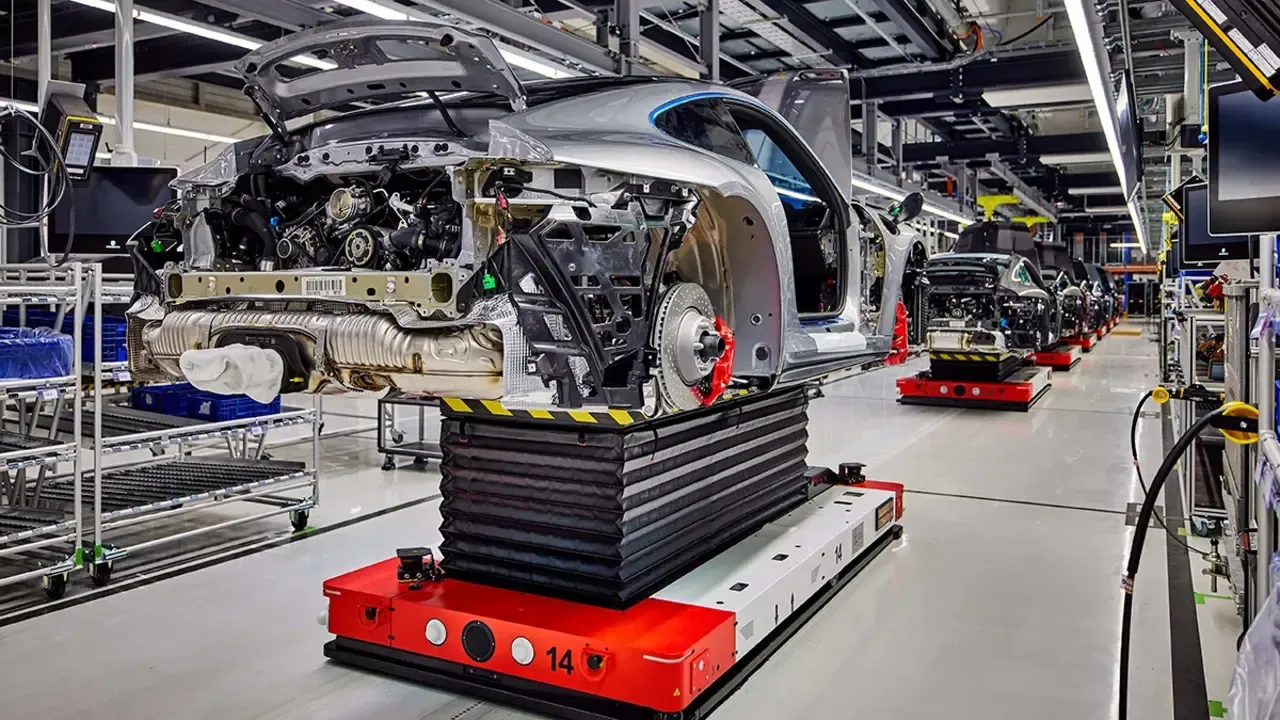
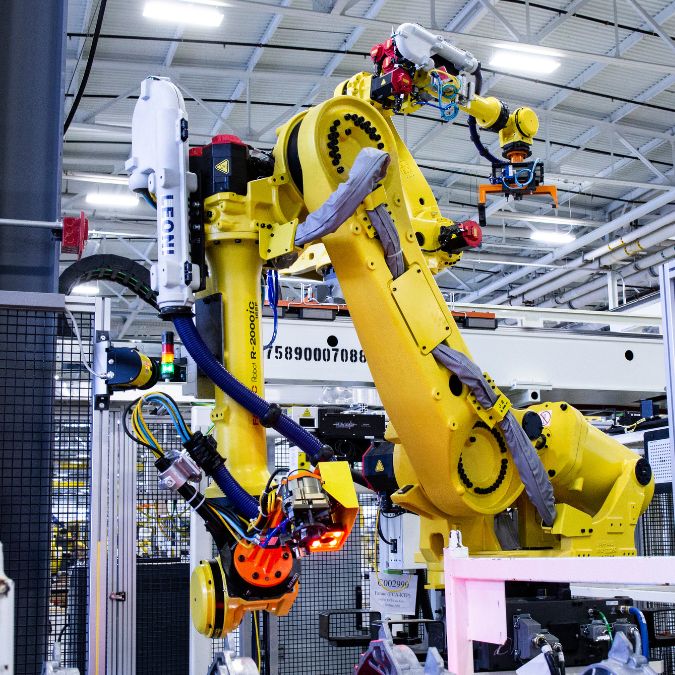
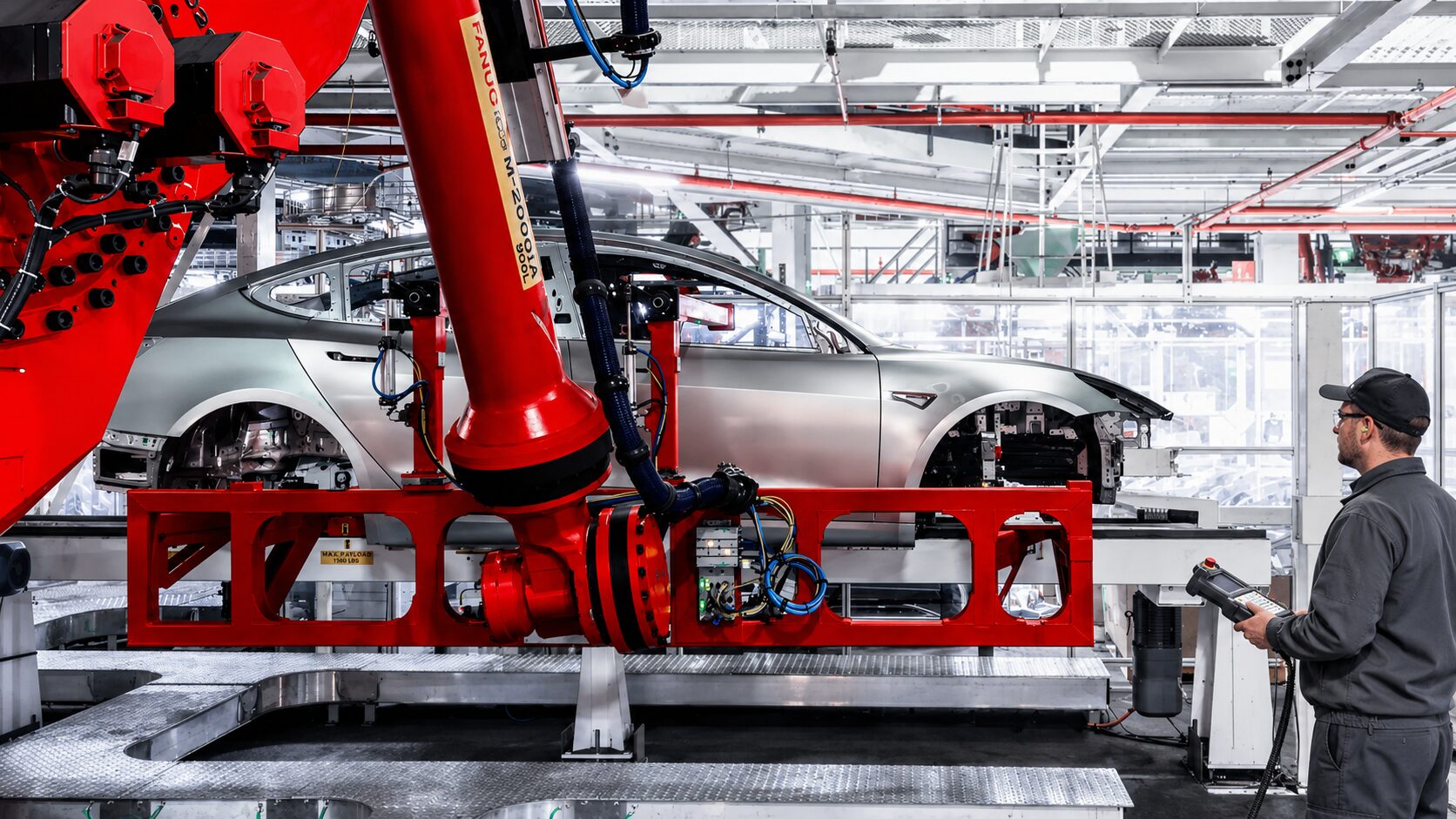
AI can significantly enhance robotic automation in manufacturing.
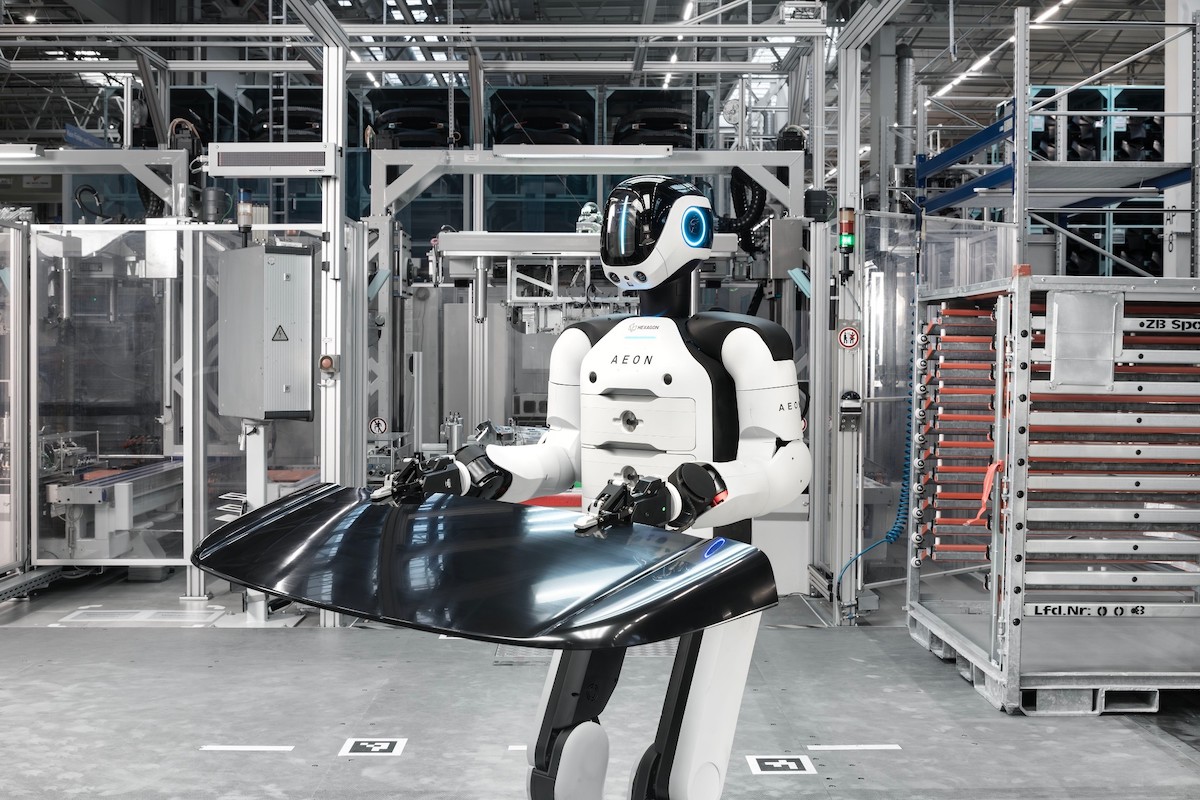
Our industrial AI consulting approach integrates robotics, vision systems and AI decision algorithms so robots can adapt to changing environments, perform complex tasks and collaborate with human operators.
This allows companies to automate processes that previously required manual intervention while maintaining flexibility in modern production environments.
let’s DISCUSS YOUR INDUSTRIAL AI CONSULTING PROJECT
Tell us about your factory, process, or automation challenge. Our engineering team will review your requirements and propose the right solution.
1. What is industrial AI and how is it used in manufacturing?
Industrial AI refers to the use of artificial intelligence technologies—such as machine learning, computer vision, and predictive analytics—to improve industrial processes.
In manufacturing environments, AI systems can analyze production data, monitor machine performance, detect defects, optimize workflows, and automate inspection tasks. Companies offering industrial AI consulting help manufacturers increase productivity, reduce downtime, and improve product quality through tailored AI strategies.
2. How can AI reduce downtime in factories?
AI systems can analyze sensor data from machines—including vibration, temperature, electrical consumption, and operational patterns—to detect early signs of mechanical failure.
By identifying anomalies before equipment breaks, predictive maintenance systems allow engineers to schedule maintenance proactively. This significantly reduces unexpected downtime and prevents costly production interruptions.
3. What is AI-based predictive maintenance?
Predictive maintenance uses machine learning algorithms to analyze historical and real-time equipment data in order to predict when a component is likely to fail.
Instead of relying on fixed maintenance schedules, predictive maintenance systems allow companies to perform maintenance only when needed. This reduces maintenance costs, increases equipment lifespan, and improves operational reliability—one of the most common entry points for industrial AI consulting projects.
4. How does AI vision improve quality inspection in production lines?
AI vision systems use industrial cameras and deep learning models to automatically detect defects in manufactured parts.
These systems can identify scratches, misalignments, missing components, incorrect assemblies, or surface defects in real time. Automated inspection improves quality consistency and allows manufacturers to scale production without increasing manual inspection labor.
5. Can robots perform autonomous inspection in factories?
Yes. Autonomous robots equipped with sensors, cameras, and AI software can perform inspection and monitoring tasks inside factories and industrial facilities.
Mobile robotic platforms can patrol predefined routes, inspect equipment, detect safety hazards, monitor environmental conditions, and report anomalies in real time. This reduces the need for manual inspection rounds and improves safety in large facilities.
6. What types of data are used for industrial AI systems?
Industrial AI systems typically analyze multiple data sources, including:
- Machine sensor data (vibration, temperature, pressure)
- Production line performance data
- Energy consumption data
- Industrial camera images
- Maintenance records
- Industrial IoT device data
By combining these data sources, AI models can identify patterns and detect inefficiencies across the entire production process.
7. Can AI optimize production efficiency in manufacturing plants?
Yes. AI-driven analytics platforms can analyze production data to identify bottlenecks, inefficient processes, and performance limitations.
By monitoring machine utilization, cycle times, and operational variables, AI systems can recommend adjustments that increase throughput, reduce waste, and improve overall equipment effectiveness (OEE).
8. What industries benefit from industrial AI solutions?
Industrial AI technologies are widely used across multiple sectors, including:
- Automotive manufacturing
- Aerospace engineering
- Industrial equipment production
- Energy and utilities
- Logistics and warehouses
- Chemical and process industries
Any environment with complex machinery, production processes, or large amounts of operational data can benefit from industrial AI consulting and system integration services.
9. Do AI systems require replacing existing factory equipment?
No. Most industrial AI solutions are designed to integrate with existing machines and control systems.
AI platforms can connect to PLCs, industrial sensors, MES systems, and production databases to analyze operational data without requiring major hardware modifications.
This allows manufacturers to upgrade their facilities with AI capabilities while preserving their existing infrastructure.
10. How long does it take to implement an industrial AI solution?
Implementation time depends on the complexity of the project and the available data, which is why an initial industrial AI consulting assessment is usually the first step.
Small AI deployments—such as vision inspection or predictive maintenance for a specific machine—can be implemented in a few months. Larger projects involving multiple production lines, robotics, or advanced analytics platforms may take longer.
A typical industrial AI project involves data analysis, system design, integration, testing, and operator training.