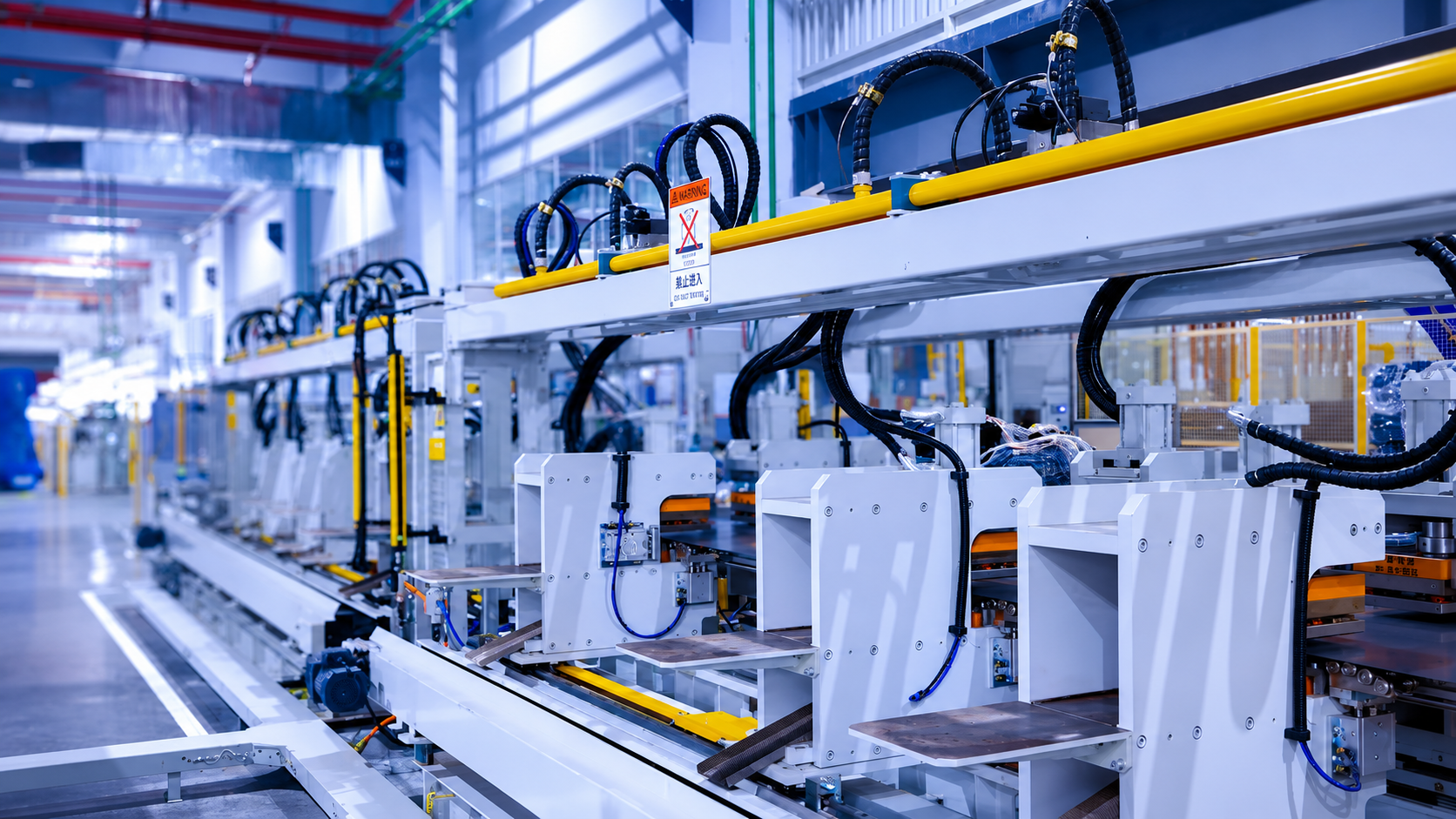
Engineered for the production line
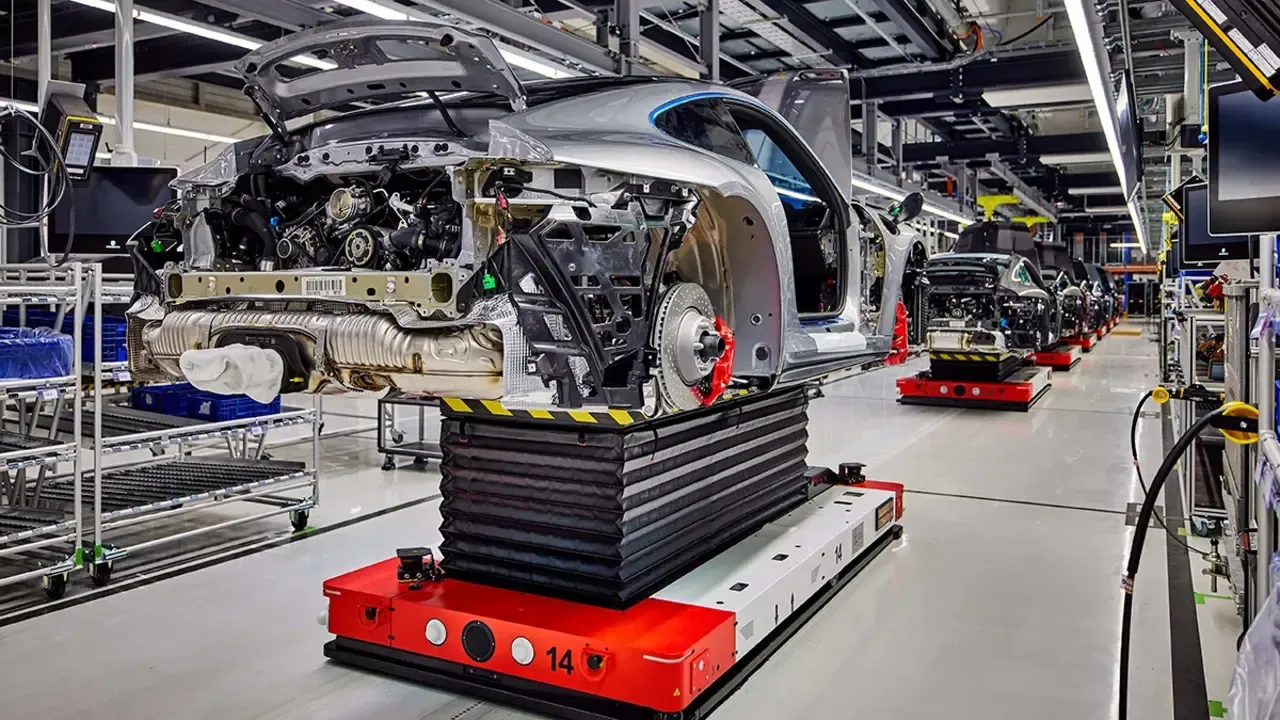
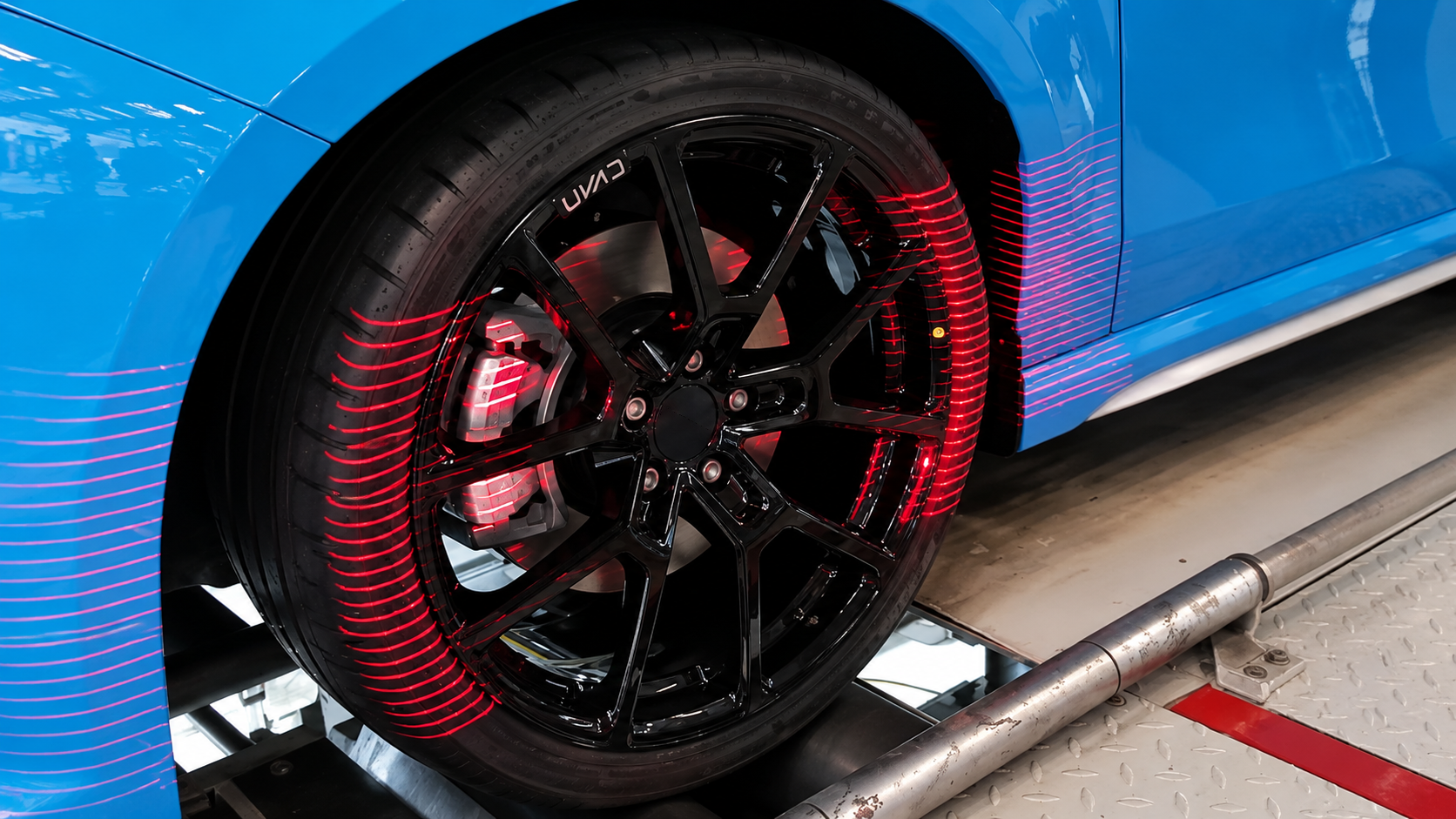
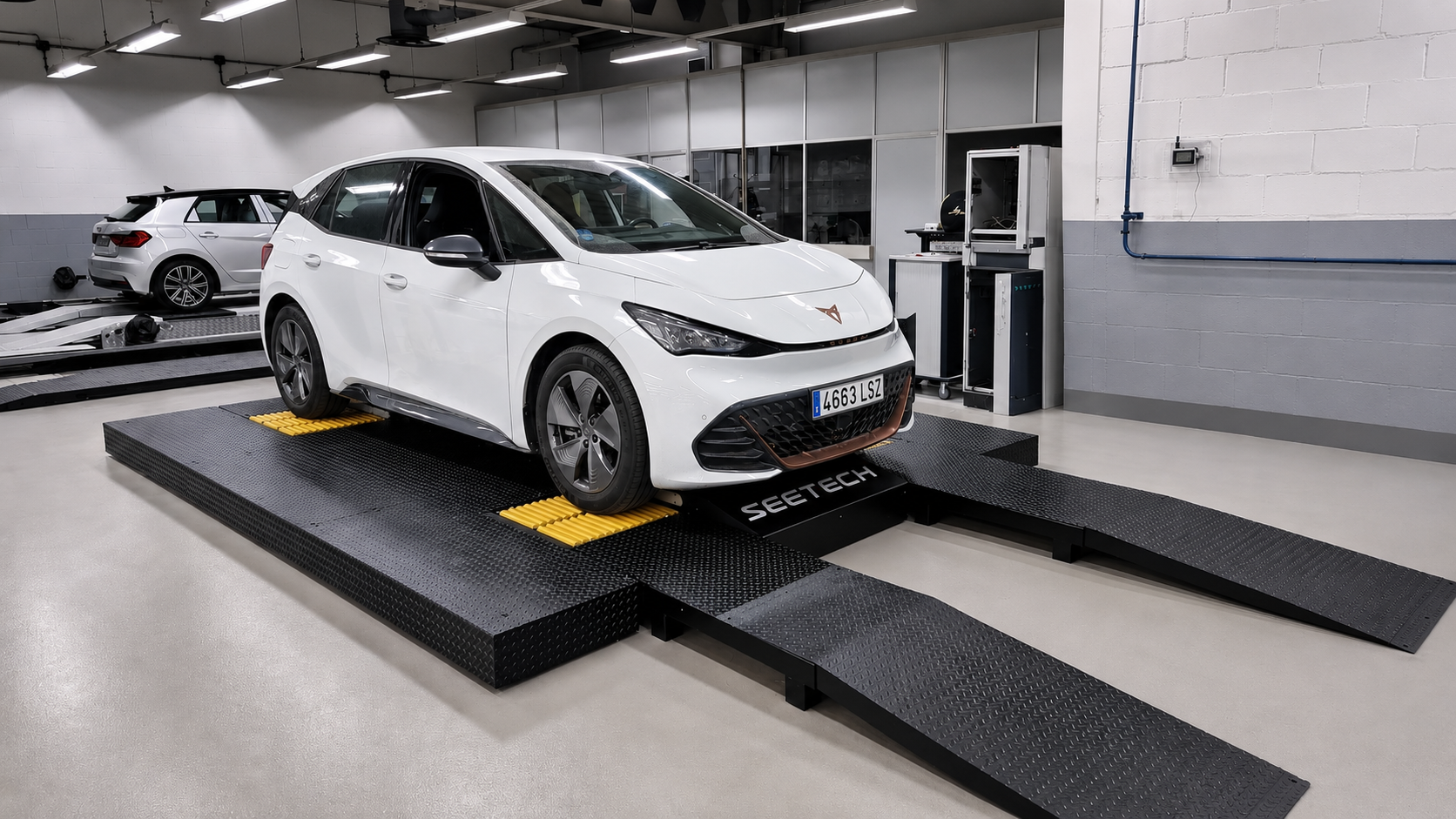
SEETECH’s end-of-line ADAS calibration system is built for one job: validating every advanced driver assistance sensor on the vehicle before it leaves the assembly line, inside the takt time of the line.
Designed exclusively for OEM and Tier 1 manufacturers, the system performs static, dynamic and simulated on-road calibration of cameras, radar, LiDAR, night vision and surround-view sensors — all in a single end-of-line station. Each end-of-line Adas Calibration System is engineered in-house and tailored to the production line, so plant managers get the throughput, accuracy and traceability ADAS validation demands without forcing their layout to fit a generic product.
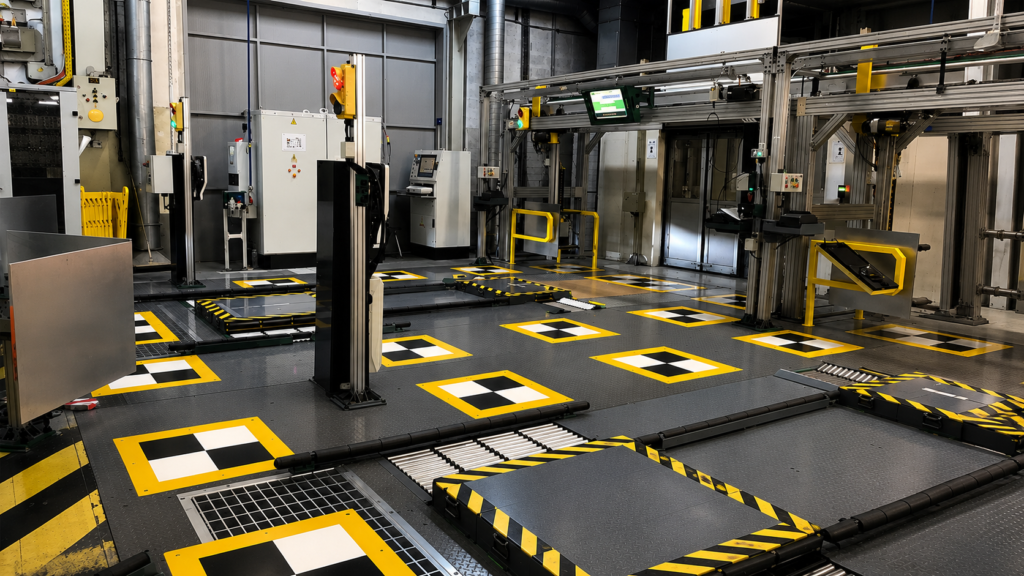
Full ADAS sensor coverage in one station
A single SEETECH End-of-Line ADAS calibration system handles every safety-critical and comfort sensor on modern vehicles:
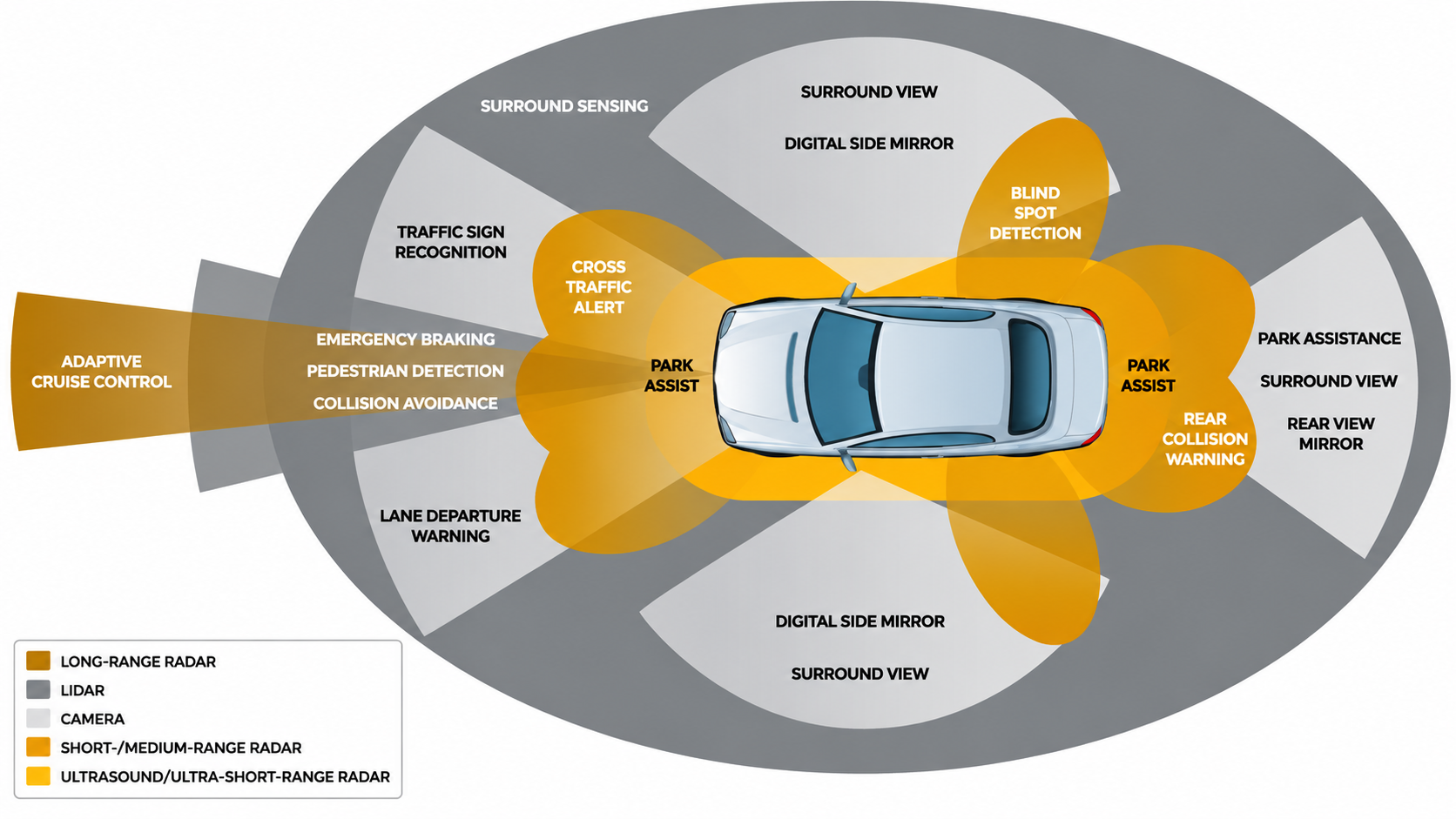
- Lane Keep Assist (LKA), Lane Departure Warning (LDW), Traffic Sign Recognition (TSR), Automatic Emergency Braking (AEB)
- Front, corner and rear radar — Adaptive Cruise Control (ACC), Blind Spot Detection (BSD), Rear Cross-Traffic Alert (RCTA)
- LiDAR sensors
- Night vision cameras
- 360° surround-view cameras
- Head-up Display (HuD)
- Ultrasonic and park-assist sensors
The same station supports passenger cars, SUVs, vans, light commercial vehicles, heavy commercial vehicles and EV platforms, with OEM-compliant target patterns and procedures automatically selected by VIN.
Robotic END-OF-LINE ADAS calibration station, or fully motorized
SEETECH ADAS calibration stations are available in two main configurations, so the solution scales with production volume and capital budget:
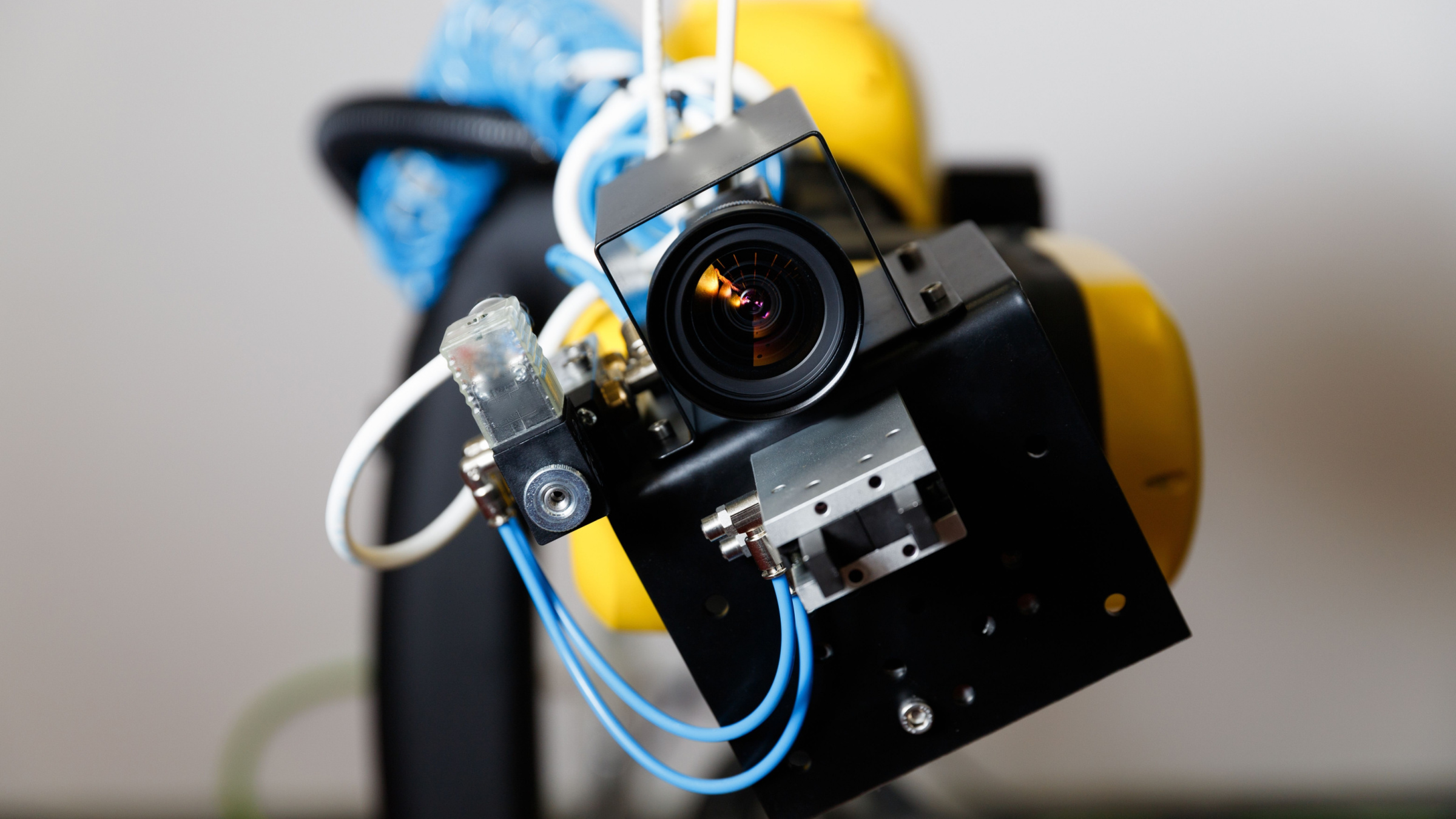
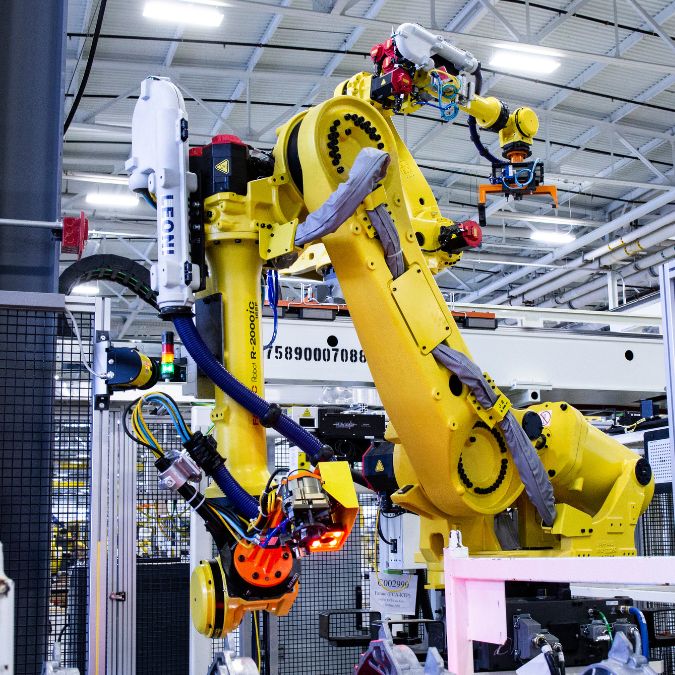
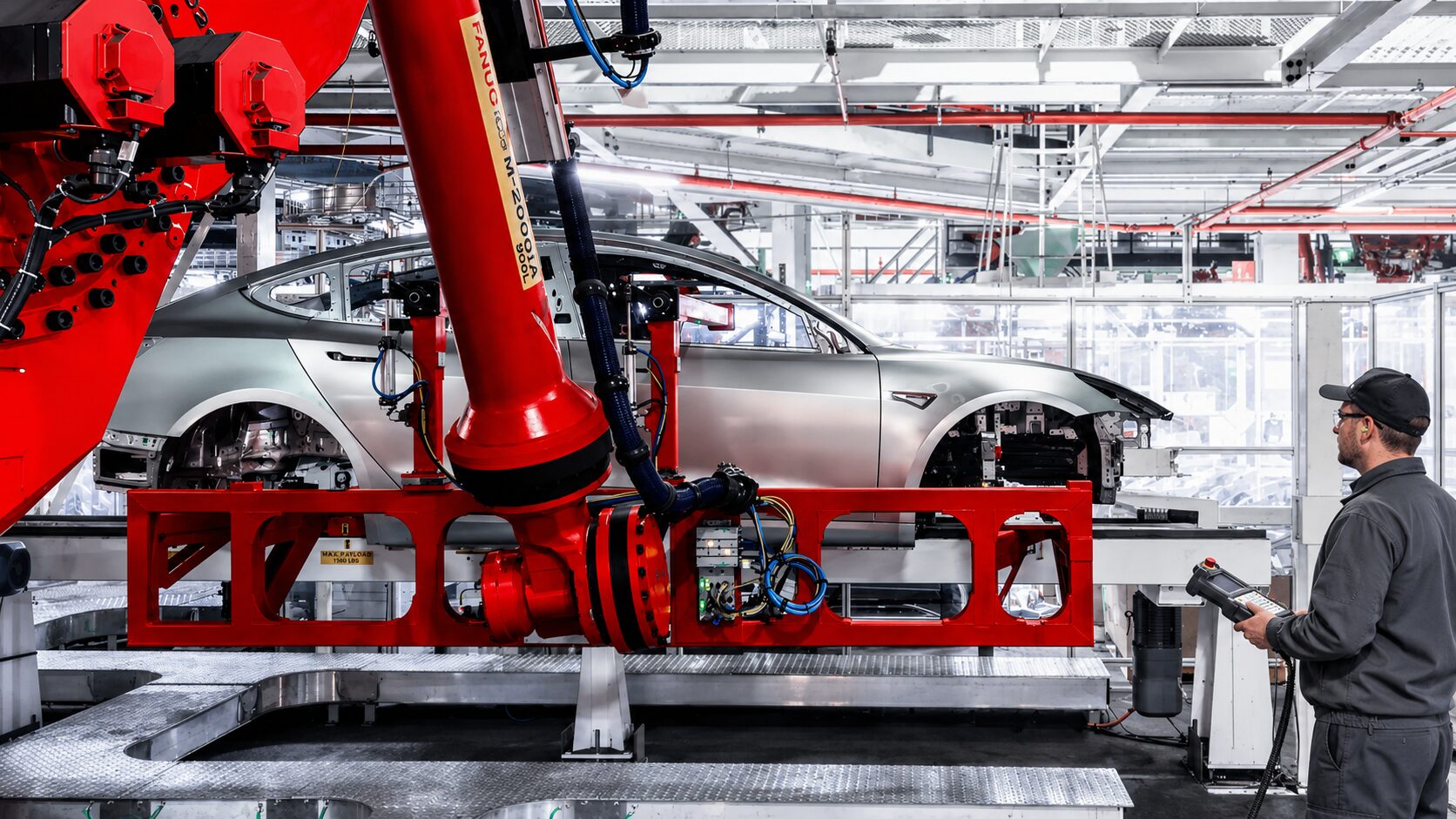
Robotic ADAS calibration station — A collaborating robot positions targets, reflectors and calibration panels for each sensor with high repeatability. Ideal for high-mix lines and multiple ADAS variants per platform, with fast changeover between vehicle models and minimal floor space.
Motorized ADAS calibration station — Servo-driven linear axes position the target frame in height, distance and lateral offset. Lower investment, same accuracy, same OEM compliance — engineered for lines with a stable product mix and a strict cycle-time budget.
Both configurations share the same vision system, the same software stack, and the same level of traceability. Hybrid solutions combining a robotic sensor station with motorized target frames are available on request.
Dynamic target and real on-road simulation with Unity 3D
This is what sets SEETECH apart from every other ADAS calibration system on the market.
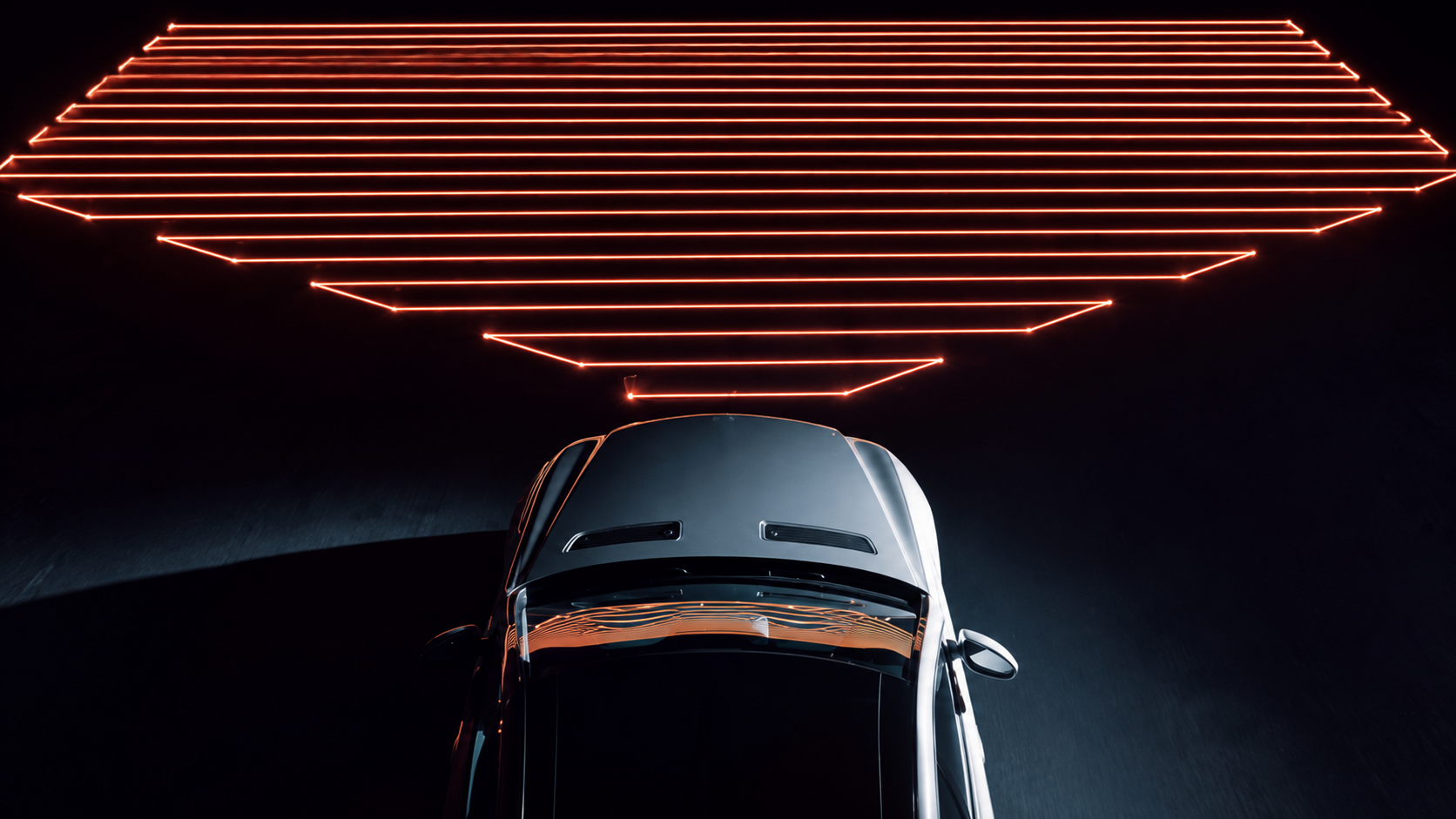
Beyond static target boards and dynamic mechanical targets, our system can project a fully simulated driving environment in front of the vehicle using a real-time Unity 3D engine. The vehicle’s forward-facing cameras and sensors see a realistic scene — moving vehicles, lane markings, traffic signs, pedestrians, varying weather and lighting conditions — exactly as they would on the road.
The ECU receives genuine sensor stimuli through the windshield while the car sits on the rollers or on the alignment platform, allowing the line to validate full ADAS behaviour, not just sensor aim, inside an end-of-line cycle.
The result: the level of validation that previously required an off-line test track or a post-production dynamic test drive, now built into your end-of-line station. No other ADAS calibration system for automotive production currently offers this capability in EOL configuration.
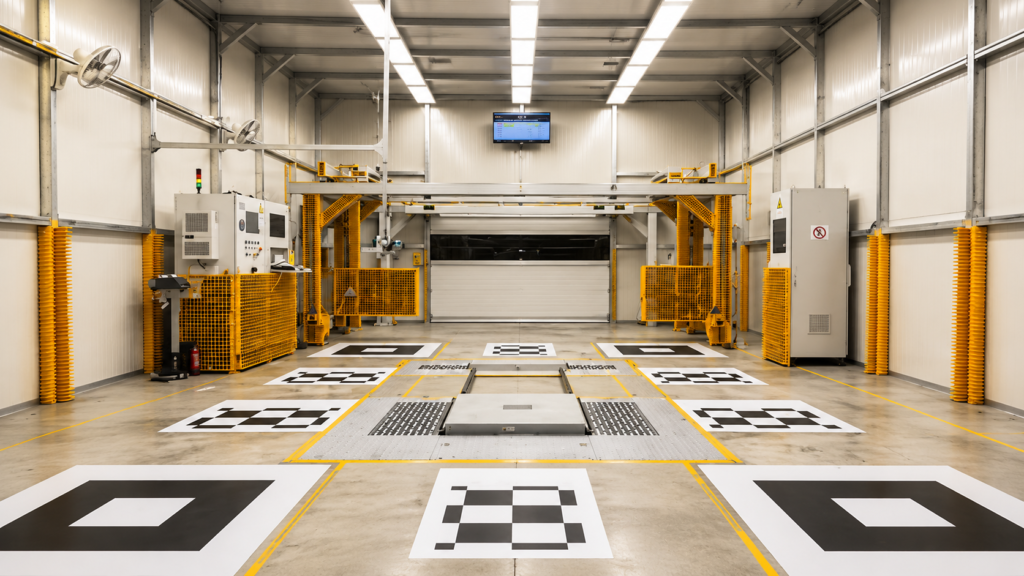
360° panoramic view calibration
Modern 360° panoramic view systems — also known as Surround View Monitor (SVM), Around View Monitor (AVM) or Bird’s Eye View — rely on four wide-angle fisheye cameras mounted on the front grille, the rear hatch and both side mirrors. The four feeds are stitched into a single top-down image of the vehicle that the driver uses for parking and low-speed manoeuvres, and that the ECU uses for automated parking, curb detection and obstacle avoidance.
The stitched image is only useful if each camera knows exactly where it sits on the body — in millimetres and in degrees. A few millimetres of mounting variation produce visible seams, ghosted obstacles and unreliable parking trajectories. That’s why 360 panoramic view calibration is mandatory at end-of-line.
SEETECH’s 360 panoramic view calibration module handles the full process inside the same end-of-line station:
- Automated positioning of OEM-pattern floor mat targets around the vehicle, referenced to the same vehicle coordinate system used for forward camera and radar calibration
- Simultaneous capture from all four AVM cameras with stitching-seam validation
- Fisheye lens distortion correction and extrinsic calibration written back to the ECU via CAN
- Per-vehicle stitched-image quality report stored in the MES record
- Compatibility with all current OEM AVM target patterns
Because 360° calibration shares the vehicle reference frame with our forward camera, radar and LiDAR calibration, every surround-view, ADAS and parking sensor on the car is validated in a single takt — no second station, no extra cycle time, no duplicated positioning.
Integrated with wheel alignment and headlamp aiming
ADAS sensor accuracy depends on the vehicle’s thrust axis. That’s why SEETECH’s ADAS calibration system is engineered to integrate seamlessly with our wheel alignment and headlamp aiming systems on the same end-of-line cell:
- Shared reference frame between wheel alignment, headlamp aiming and ADAS calibration
- A single vehicle positioning operation feeds all three processes
- Combined cycle time well below the sum of three standalone stations
- Single MES interface for full traceability across the cell
- Unified UI for operators — one screen, one workflow
Plants can deploy the ADAS station alone or as part of a complete EOL cell — same software, same support team, same engineering.
Built for the highest JPH on the line
SEETECH ADAS calibration stations are engineered around the only metric that matters on a production line: jobs per hour.
- Cycle time under 60 seconds per vehicle
- Automatic vehicle and model recognition via VIN
- Non-contact vehicle positioning — no paint damage
- Machine-vision fixture alignment robust under varying ambient light and vehicle paint colour
- Real-time correction of target position
- Pre- and post-calibration ECU parameter logging
- Per-vehicle calibration report with full traceability
- MES / Industry 4.0 connectivity (OPC UA, TCP/IP, PROFINET)
- 24/7 industrial duty cycle
- ISO 9001 and CE compliant
Why OEMs choose SEETECH for ADAS calibration
Customization, not catalogue. Every production line is different. Footprint, takt, vehicle mix, integration with existing systems — we engineer the calibration cell to your specifications instead of forcing your plant to fit ours.
In-house engineering. Mechanics, electronics, machine vision, software, robotics and on-road simulation — all developed by the same SEETECH team. Faster decisions, faster changes, faster lines.
Local European support. Installation, commissioning, recalibration and lifetime support delivered directly by SEETECH engineers — not subcontractors — from our Barcelona base. On site within hours, not weeks.
Fastest JPH in the segment. Our calibration cycle, target handling, ECU communication and Unity 3D scene rendering are engineered to keep your line moving — never an ADAS bottleneck.
Automation & Integration
- MES Connectivity: Direct integration with manufacturing execution systems for VIN-based test result tracking
- Real-Time Control: PC + PLC architecture with fieldbus communication
- Data Transfer: High-speed 10 Gbps lossless communication for instant feedback
- Remote Support: Predictive maintenance and remote diagnostics capabilities
Turnkey Infrastructure Solutions
Building a complete vehicle test stand takes more than just the dynamometer itself. In fact, it also requires full infrastructure and seamless system integration — from foundations and test chambers to exhaust extraction, HVAC, power supply, and media lines.
With this in mind, our turnkey approach starts from day one. We work closely with you to define every technical and operational requirement. From there, we handle the entire process — from initial planning and engineering through full implementation — to deliver a fully functional, ready-to-use test environment. From basement to roof, we manage every detail. As a result, your facility remains optimized, efficient, and built exactly to specification.
A high-performance dynamometer deserves an equally capable test environment. SEETECH delivers full turnkey test cells, including:
- Foundation engineering for high-mass roller systems
- Modular industrial soundproof rooms (up to 40 dB noise reduction)
- Exhaust extraction and HVAC systems
- Operator stations and safety interlocks
- Fully compliant with international EOL quality and safety regulations
SEETECH’s end-of-line ADAS calibration system is engineered to share its vehicle reference frame with the rest of our production-line equipment. It integrates directly with the HYDRA W15 wheel alignment machine, so radar, camera and LiDAR calibration is referenced to the measured thrust axis instead of the nominal centerline, and with the DRAGON X15 headlamp aiming machine so optical aiming and ADAS sensors align in a single vehicle-positioning operation. The same cell can incorporate our RTX-series 2WD and AWD dynamometers for full drivetrain, brake and ABS/ESP validation. One supplier, one MES handshake, one audit trail across the entire bay.
Optional Capabilities for Motor Companies
- Wheel Alignment Integration (for manufacturers who require it)
- Headlamp Aiming Calibration Integration
OUR ADAS CALIBRATION SYSTEMS Key Features:
Sensor coverage
- Forward-facing cameras (LKA, LDW, TSR, AEB)
- Front, corner and rear radar (ACC, BSD, RCTA)
- LiDAR sensors
- Night vision cameras
- 360° surround-view cameras (AVM / SVM)
- Head-up Display (HuD)
- Ultrasonic and park-assist sensors
Calibration modes
- Static calibration with fixed reference targets
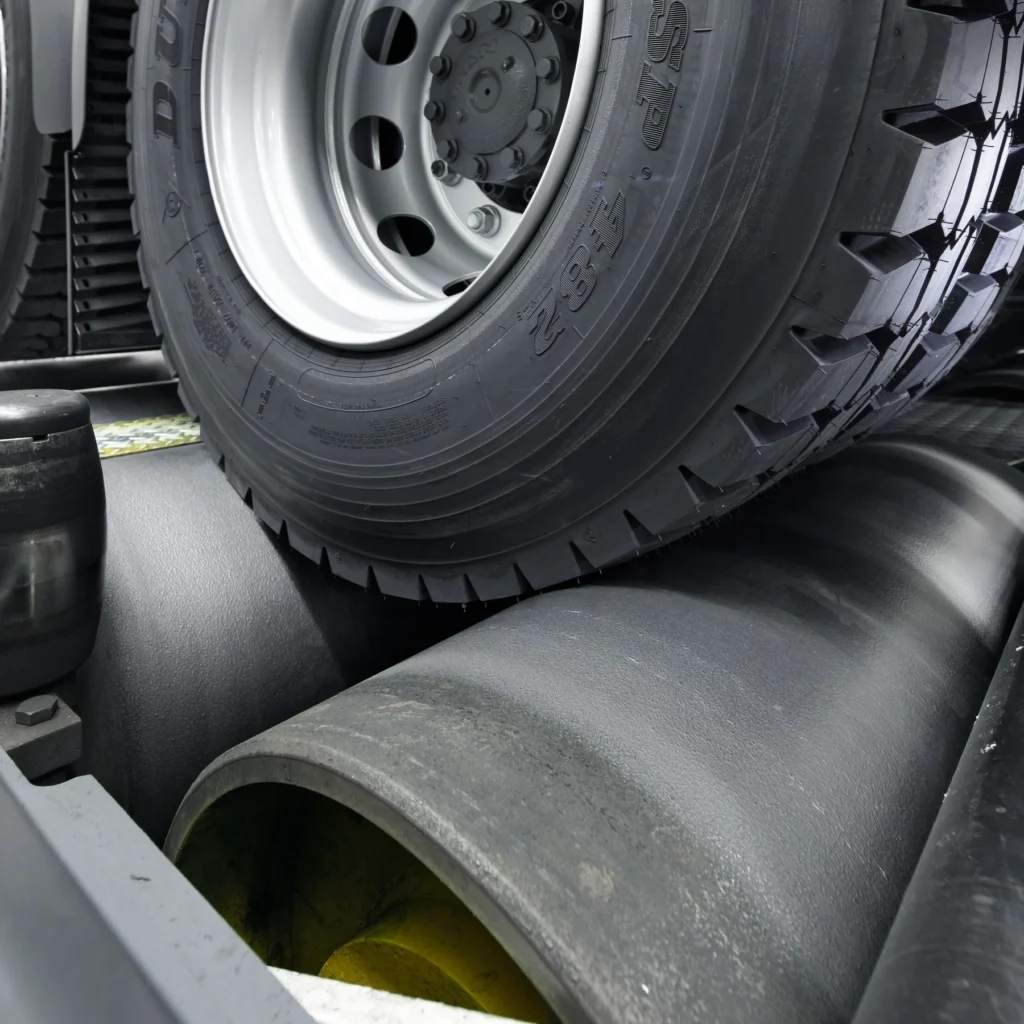
- Dynamic calibration on rollers or alignment platform
- Dynamic on-road simulation with Unity 3D engine
- 360° panoramic view calibration with floor-mat targets
Configurations
- Robotic ADAS calibration station with collaborative robot
- Fully motorized servo-driven target frame
- Hybrid robotic + motorized layouts
Performance
- Cycle time under 60 seconds per vehicle
- Automatic vehicle and model recognition via VIN
- Non-contact vehicle positioning — zero paint damage
- Machine-vision fixture alignment, robust against ambient light and paint colour
- Real-time target position correction
- 24/7 industrial duty cycle
Vehicle coverage
- Passenger cars, SUVs and crossovers
- Light and heavy commercial vehicles
- Vans
- EV platforms
- Multi-platform support on a single station
Automation & data
- MES / Industry 4.0 connectivity (OPC UA, TCP/IP, PROFINET)
- Pre- and post-calibration ECU parameter logging via CAN
- Per-vehicle calibration report with full traceability
- Stitched-image quality report for 360° AVM
- High-speed lossless data acquisition
- PC + PLC architecture with fieldbus communication
Integration
- Shared reference frame with wheel alignment and headlamp aiming
- Single vehicle positioning operation feeds all three processes
- Unified operator UI — one screen, one workflow
- Standalone station or full end-of-line cell
Compliance
- ISO 9001 certified
- CE compliant
- OEM-compliant target patterns and procedures
- Type-approval-ready for EU GSR 2019/2144 requirements
LET’S DISCUSS YOUR ADAS CALIBRATION PROJECT
Tell us about your cameras, radars, sensors, vehicle platforms and production requirements. SEETECH will help you define the right ADAS calibration solution.
1. What is end-of-line ADAS calibration?
End-of-line (EOL) ADAS calibration is the process of aligning, parametrising and validating every advanced driver assistance sensor on a finished vehicle before it leaves the assembly line. It covers extrinsic calibration of cameras, radar, LiDAR and surround-view systems against the vehicle coordinate system, ECU parameter writing, and functional verification — all inside the line’s takt time.
EOL calibration is distinct from aftermarket calibration in scale, cycle time and integration with other production tests, and forms part of the broader framework of driver-assistance and automated-driving standardisation defined by SAE J3016.
2. Why is ADAS calibration required at the end of line?
ADAS sensors are mounted with mechanical tolerances of several millimetres and a few angular minutes, but they need to operate at the millimetre and arc-minute level to perform safely. Without EOL calibration, lane-keep assist drifts, emergency braking misjudges distances, and surround-view systems show ghosted obstacles.
EOL calibration is also a type-approval requirement under regulations such as the EU General Safety Regulation (Regulation 2019/2144), which mandates a long list of ADAS features on every new vehicle sold in the EU.
3. Which ADAS sensors require calibration in OEM production?
A modern vehicle’s ADAS sensor set typically requires calibration of:
- Forward-facing cameras — Lane Keep Assist (LKA), Lane Departure Warning (LDW), Traffic Sign Recognition (TSR), Automatic Emergency Braking (AEB)
- Front and corner radar — Adaptive Cruise Control (ACC), Blind Spot Detection (BSD)
- Rear radar — Rear Cross-Traffic Alert (RCTA)
- LiDAR sensors
- Night vision cameras
- 360° surround-view cameras (AVM / SVM)
- Head-up Display (HuD)
- Ultrasonic and park-assist sensors
Each sensor is tied to a specific safety function evaluated by regulators and rating bodies such as Euro NCAP.
4. What is the difference between static and dynamic ADAS calibration?
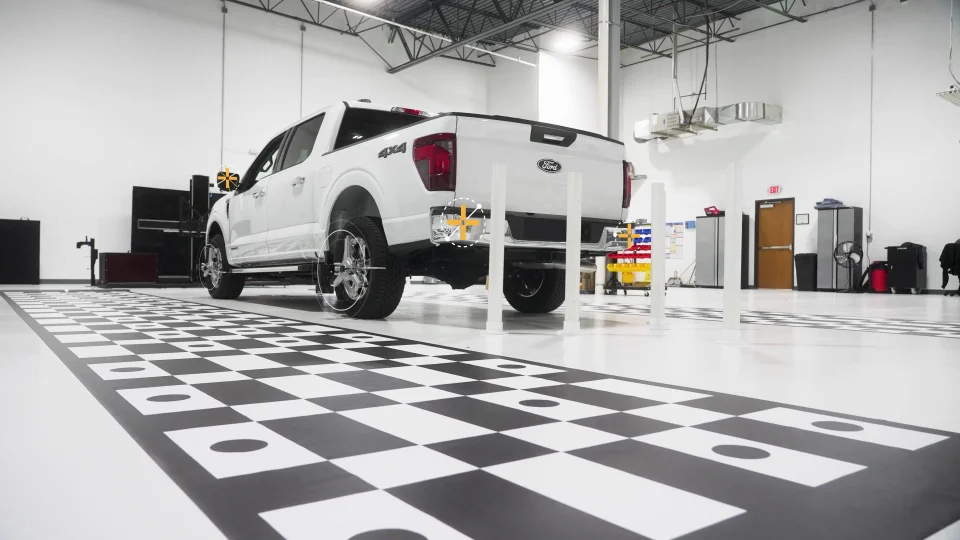
Static calibration uses fixed reference targets and reflectors placed at precise positions around the stationary vehicle, so the sensors can measure known geometry and write the corrections to their ECU.
Dynamic calibration validates sensor behaviour while the vehicle is moving — on rollers, on a calibration track, or with simulated stimuli — and is typically required for sensors that detect moving objects, such as radar and some camera-based systems. Most OEMs require both modes at end of line.
5. What is 360° panoramic view calibration?
360° panoramic view calibration — also called Around View Monitor (AVM), Surround View Monitor (SVM), or Bird’s Eye View — corrects the extrinsic parameters of the four fisheye cameras mounted on the vehicle’s front grille, rear hatch and side mirrors, so that their feeds can be stitched into a single distortion-free top-down view used by the driver and the automated-parking ECU.
It is governed in part by UNECE provisions on indirect vision and reversing-detection devices, which form the regulatory backbone for surround-view and rear-camera systems on new vehicles.
6. How long does end-of-line ADAS calibration take per vehicle?
Production-line calibration is constrained by line takt. SEETECH’s system targets a cycle time under 60 seconds for a full ADAS calibration including 360° panoramic view, achieved by parallelising target positioning, simultaneous multi-sensor data capture, and ECU communication.
Recent peer-reviewed research on EOL vehicle coordinate-system reconstruction confirms that cycle time is the dominant design constraint at this stage of production, separating EOL solutions from aftermarket equipment that does not face the same takt pressure.
7. Can ADAS calibration be integrated with wheel alignment in the same EOL cell?
Yes, and for high accuracy it should be. ADAS sensor calibration is referenced to the vehicle’s thrust axis, which is established by the wheel alignment process. When both processes share a single vehicle positioning operation and a single reference frame, the cell’s combined cycle time drops and overall accuracy improves.
Functional-safety standards covering automotive electrical and electronic systems, such as ISO 26262, treat this kind of upstream-downstream dependency formally as part of safe E/E system design.
8. What is dynamic on-road simulation for ADAS calibration?
Dynamic on-road simulation projects a real-time rendered driving environment in front of the vehicle’s forward sensors, so the ECU receives genuine optical and radar stimuli while the car sits in the EOL station. SEETECH uses the Unity 3D engine to render the scene, with moving traffic, lane markings, road signs, pedestrians and varying weather conditions.
This approach validates ADAS behaviour, not just sensor aim, and directly addresses scenarios formalised under the safety-of-the-intended-functionality concept defined in ISO 21448 (SOTIF).
9. Which regulations make ADAS mandatory on new vehicles?
In Europe, the General Safety Regulation (EU) 2019/2144 mandates the following ADAS features on all new vehicle types from 2022 and on all new vehicles from 2024:
- Automatic Emergency Braking (AEB)
- Emergency Lane-Keeping (ELK)
- Intelligent Speed Assistance (ISA)
- Driver Drowsiness and Attention Warning (DDAW)
- Reversing detection (camera or sensor)
- Event Data Recorder (EDR)
- Tyre Pressure Monitoring System (TPMS)
Safety-rating bodies such as Euro NCAP set additional, stricter targets that drive most OEM ADAS roadmaps above the regulatory minimum.
10. What is the difference between OEM end-of-line and aftermarket ADAS calibration?
OEM end-of-line calibration happens once, at the factory, on a perfectly known vehicle inside the line takt, and writes initial calibration values to a brand-new ECU. Aftermarket calibration happens later — typically after a windshield change, collision repair or sensor replacement — in a workshop, with variable vehicle condition and no production-line cycle constraint.
The two use different equipment, different precision targets, and very different cycle times. SEETECH builds for OEM production only. Recent peer-reviewed research quantifies the population-level safety impact of correctly calibrated ADAS across the EU.