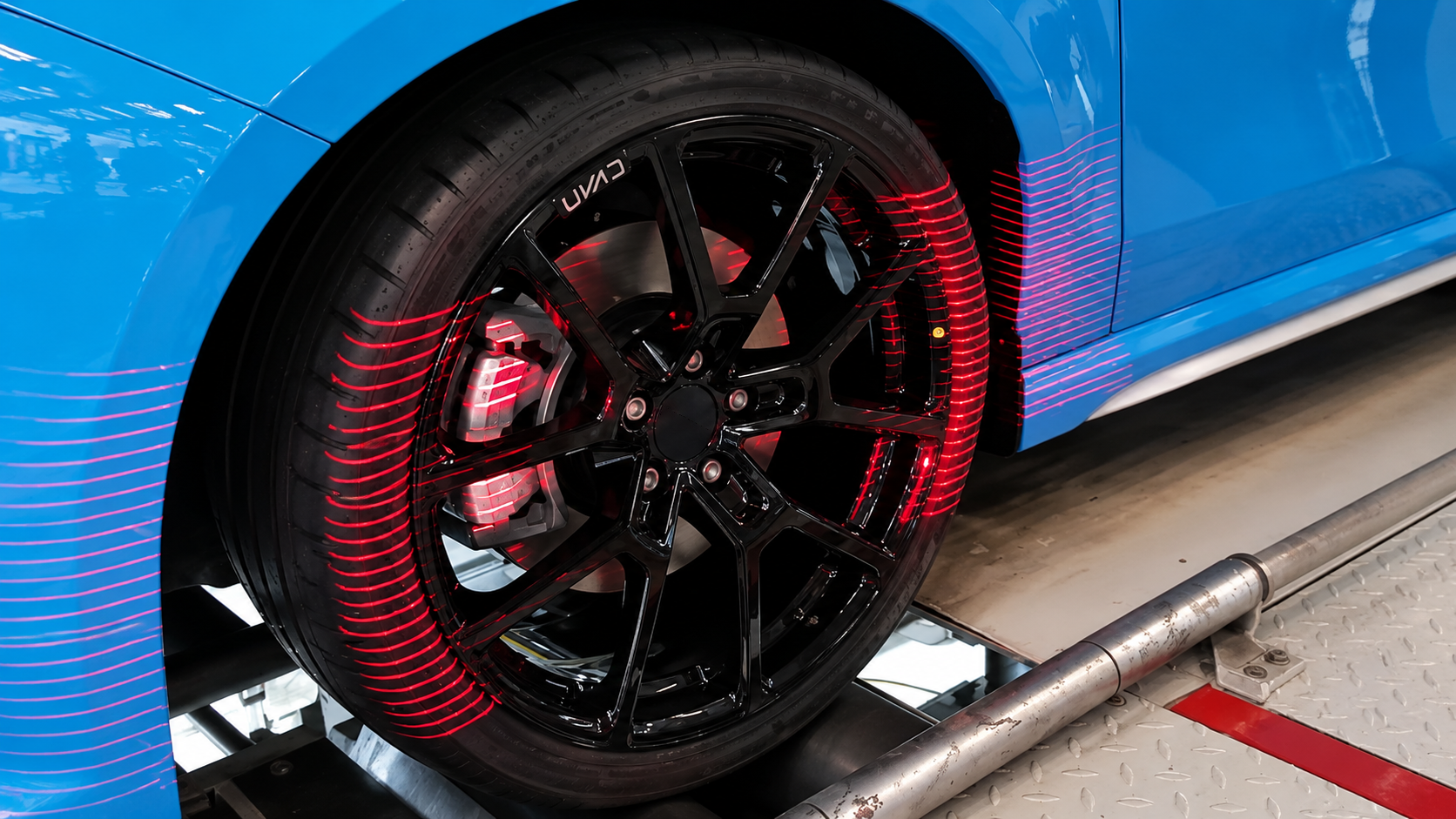
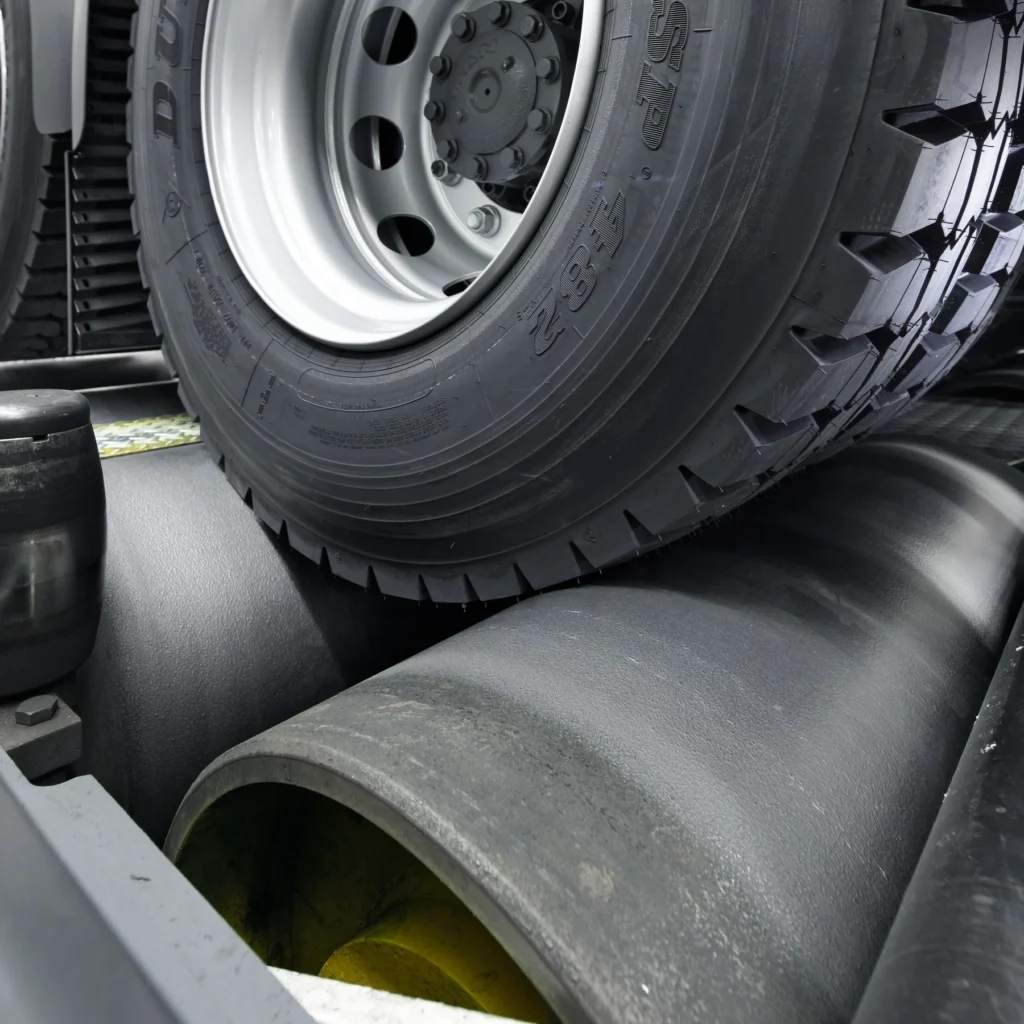
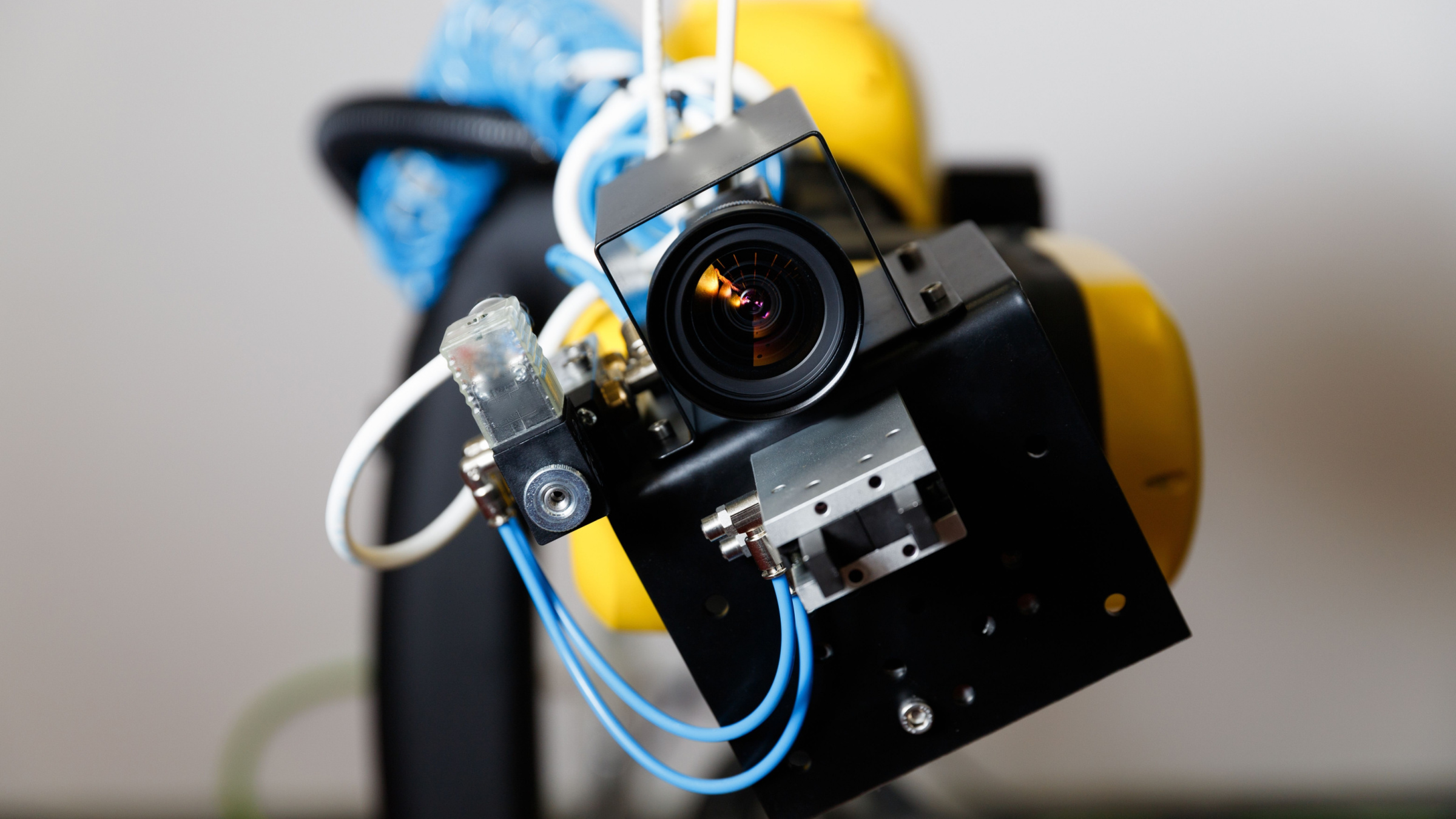
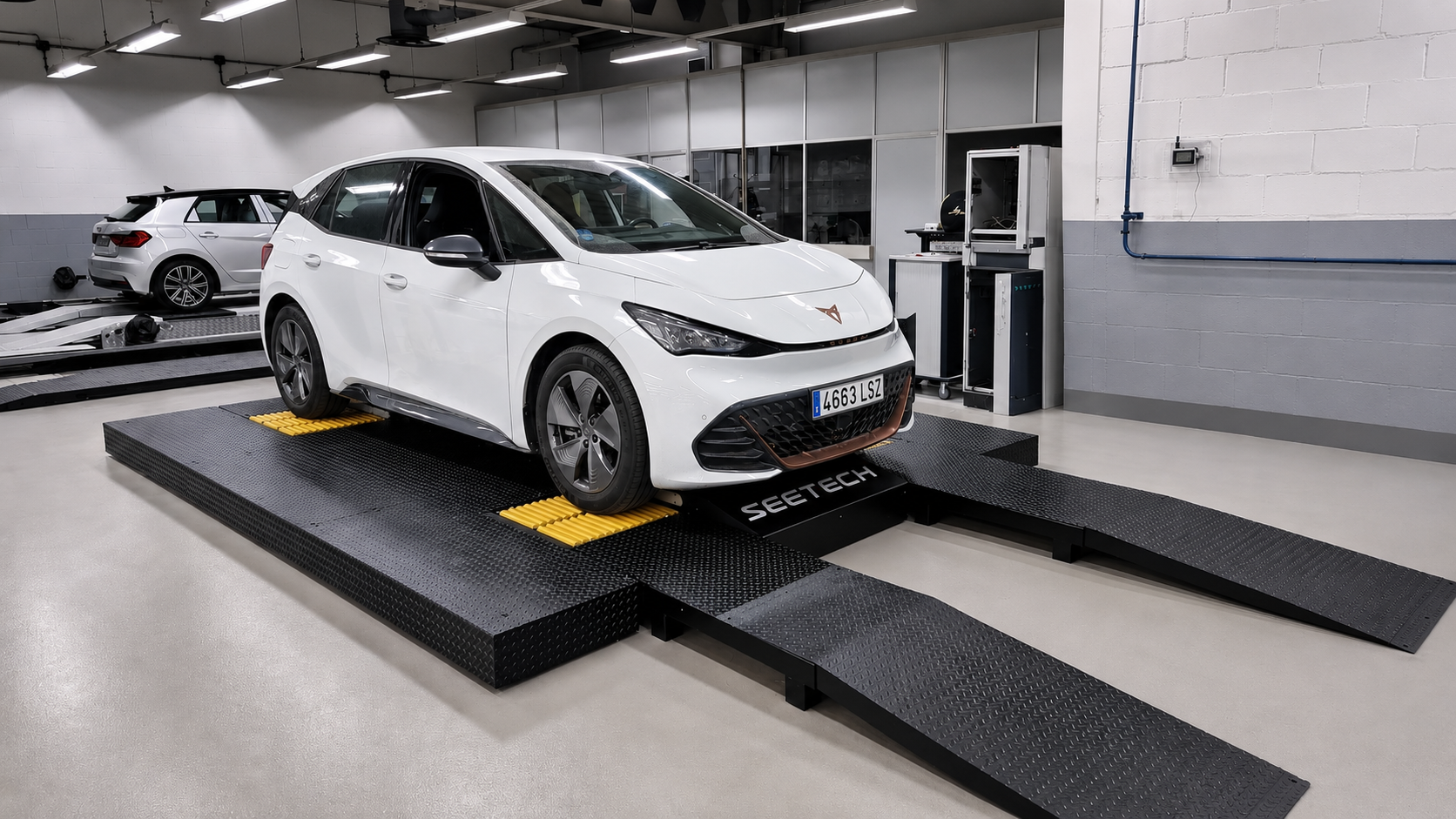
our dynamomter range
We offer four core models — plus full customization for your specific testing needs:
- RTX15 – High-precision 2WD dynamometer for standard drivetrain validation, performance mapping, and regulatory compliance testing.
- RTX25 – Flagship all-wheel-drive dynamometer (AWD dyno) for advanced end-of-line testing across FWD, RWD, and AWD platforms.
- RTX35 – Assembly line chassis dynamometer designed for continuous, high-volume production testing in motor company environments.
- RTX45 – Assembly line dynamometer with autonomous driving simulation capabilities, enabling advanced functional and endurance tests for future vehicle technologies.
All models can be adapted for:
- Motorcycles
- Light trucks
- Heavy-duty trucks
- Specialty and prototype vehicles
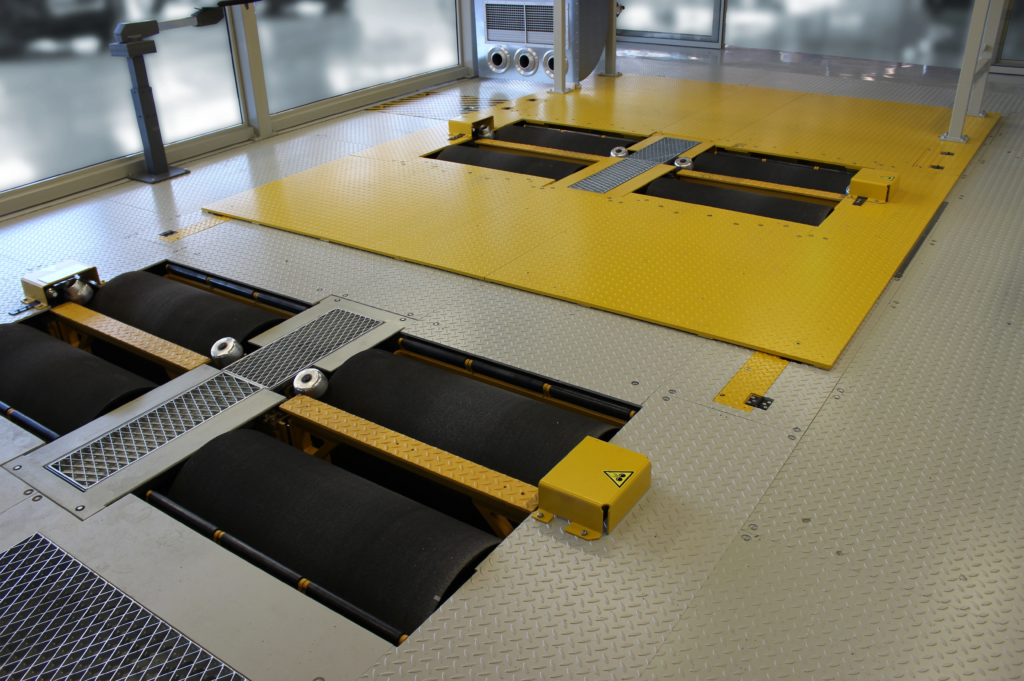
Technical Performance Best-in-Class Specifications
We’ve matched or exceeded the highest specifications offered by leading global competitors:
- Power: Up to 4,000 hp (continuous rating)
- Peak Traction Force: 6,000 N per roller
- Test Speeds: Up to 250 km/h for straight-line testing
- Roller Design: Large-diameter precision-machined steel rollers with high-grip surface coating for accuracy and durability
- Steering Capability: ±10° roller rotation for dynamic steering and simulated cornering tests
- Load Simulation: Programmable road gradients, wind resistance, and variable rolling resistance
- Regenerative Braking: Energy recovery for reduced operational costs and increased sustainability
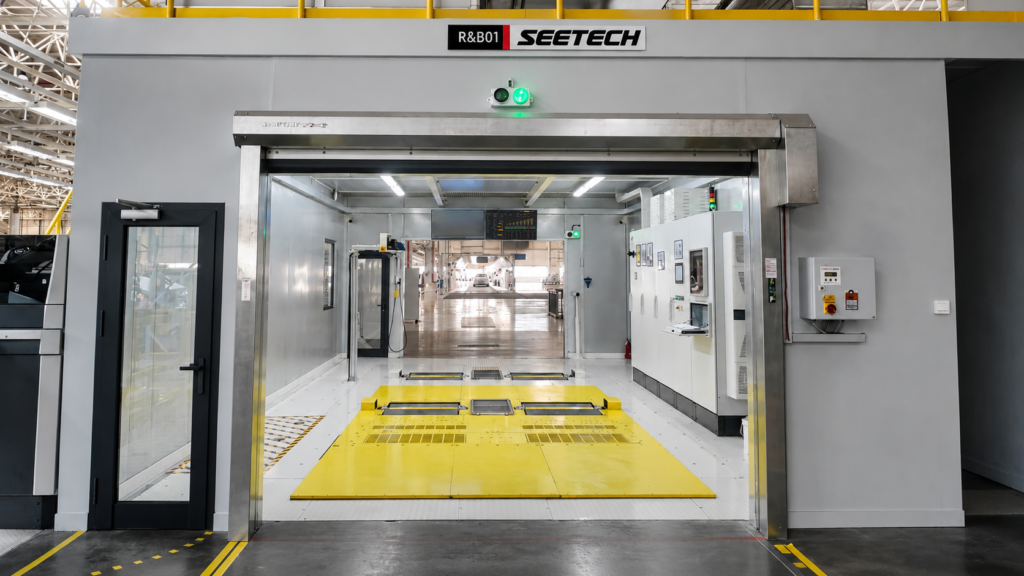
Full Testing Capabilities
Our all-wheel-drive dynamometers provide:
- Drivetrain Testing: FWD, RWD, and AWD operation with seamless switching
- Brake Testing: Static and dynamic evaluation, including programmable brake force profiles
- Safety System Validation: ABS, ESC, and ASR testing under variable load conditions
- Performance Analysis: Real-time torque, power, and speed measurement
- Durability Testing: Continuous operation cycles for endurance validation
- Vehicle Simulation: Road-load profiles to replicate real-world driving scenarios
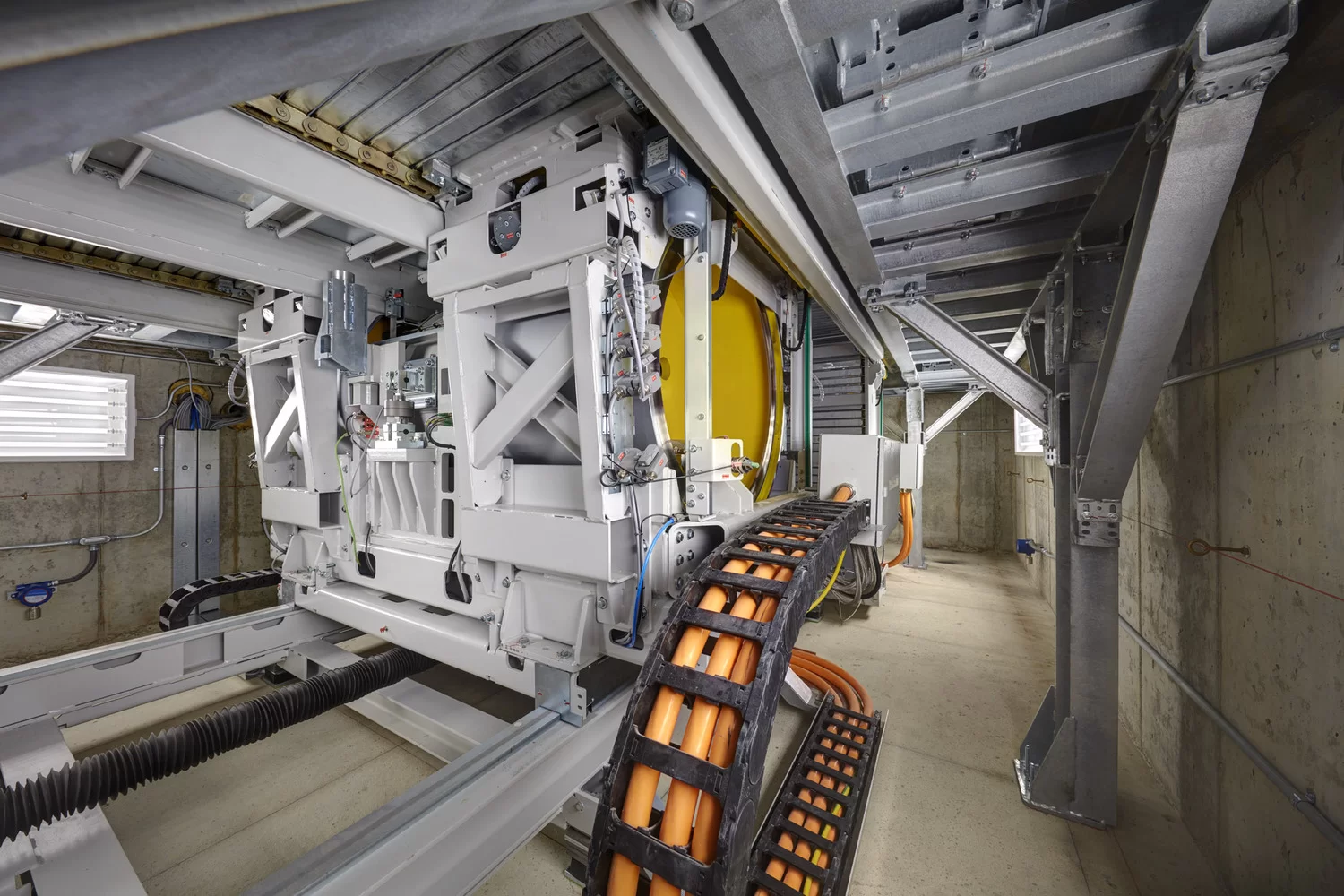
Automation & Integration
- MES Connectivity: Direct integration with manufacturing execution systems for VIN-based test result tracking
- Real-Time Control: PC + PLC architecture with fieldbus communication
- Data Transfer: High-speed 10 Gbps lossless communication for instant feedback
- Remote Support: Predictive maintenance and remote diagnostics capabilities
Turnkey Infrastructure Solutions
Building a complete vehicle test stand takes more than just the dynamometer itself. In fact, it also requires full infrastructure and seamless system integration — from foundations and test chambers to exhaust extraction, HVAC, power supply, and media lines.
With this in mind, our turnkey approach starts from day one. We work closely with you to define every technical and operational requirement. From there, we handle the entire process — from initial planning and engineering through full implementation — to deliver a fully functional, ready-to-use test environment.
From basement to roof, we manage every detail. As a result, your facility remains optimized, efficient, and built exactly to specification.
A high-performance dynamometer deserves an equally capable test environment. SEETECH delivers full turnkey test cells, including:
- Foundation engineering for high-mass roller systems
- Modular industrial soundproof rooms (up to 40 dB noise reduction)
- Exhaust extraction and HVAC systems
- Operator stations and safety interlocks
- Fully compliant with international EOL quality and safety regulations
Optional Capabilities for Motor Companies
- ADAS-ready Integration (for manufacturers who require it)
- Thermal Camera for heated windows Testing
- Perimetral Light Testing: Blinkers, stop, reverse, and brake light verification
Why Choose SEETECH AWD Dynamometers
- Over 25 years of experience in automotive test systems
- Global OEM and Tier-1 supplier trust in Europe, USA, and Asia
- Lifetime warranty for long-term reliability
- Proven accuracy and repeatability under all test conditions
- Custom engineering for unique production or R&D requirements
Modular Industrial Soundproof Room
This high-performance soundproof room features a durable I-steel welded frame with beams and columns for maximum strength. We build the walls with custom acoustic panels. Steel pipes inside add stability. In addition, the corners are edge-wrapped for a clean, professional finish.
The wall system includes:
- Exterior: composite steel cladding
- Interior: sound-insulated color steel panels
- Mineral wool core: for superior sound absorption (≥80%), with leak-proof fiber layer
- Certified noise reduction: up to 40 dB sound insulation
- Color: clean industrial white finish
Furthermore, the structure supports modular assembly and disassembly. The internal walls are lined with sound-absorbing materials, and the frame can hold additional equipment loads such as:
- Ventilation and exhaust fans
- Maintenance hoists
- Steel framing, air ducts, mirrors, and other accessories
Designed for demanding industrial environments. Therefore, this enclosure delivers robust construction, excellent acoustic performance, and the adaptability needed for a wide range of applications.
The RTX series operates as a standalone test bench or as part of a complete SEETECH end-of-line bay. The same vehicle that runs roll, brake and drivetrain validation on the dynamometer can move through chassis geometry on the HYDRA W15 wheel alignment machine, headlamp aiming on the DRAGON X15 headlamp aiming machine, and sensor validation on our end-of-line ADAS calibration system — all under one MES handshake, one VIN scan and one audit trail. One supplier from foundation engineering to final commissioning.
Key Features:
Performance & Power
- Supports FWD, RWD, and AWD passenger vehicles for maximum platform compatibility
- Four 40 kW AC motors with regenerative feedback for efficient energy use
- 1800 N nominal traction force per roller (4000 N peak) for demanding test conditions
- 50 cm diameter precision-machined rollers, rated for up to 14,000 kg per axle
- High-speed 10 Gbps lossless data transfer for instant operator feedback
- Test speeds up to 250 km/h — 25% higher than most industry-standard AWD dynos
- Dynamic acceleration/deceleration to simulate real driving conditions
Automation & Integration
- PC + PLC with real-time fieldbus architecture for fast system control
- MES-ready with VIN-based result tracking, performance logs, and statistics
- Automated software and intuitive operator interface
- Motorized wheelbase adjustment with flush floor installation (60 mm/s)
- Multi-axle variants available for different production needs
Testing Capabilities
- ABS, ESP, and ASR testing in both static and dynamic modes
- Integrated 4-bar lift for safe drive-through access
- Air-cooled eddy current load absorbers for precise load control
- Full brake testing: static and dynamic evaluations with programmable profiles
- Modular AWD Dyno — Extreme Power, Real-Time MES Integration, and Regenerative Brayability
Soundproof Room
- Reduces external noise interference
- Improves measurement accuracy
- Ensures a safe working environment for operators
Safety & Compliance
- Interlocks, emergency stops, and guided operator controls
- Fully compliant with EOL quality standards and industry safety regulations
- Ready for EV and autonomous vehicle testing
- Lifetime warranty for long-term reliability
State-of-the-Art Solutions
- Supports EV vehicles
- Supports autonomous vehicle testing
- EOL environmental compliance
True Turnkey Solutions
- Custom test chamber design
- Integrated exhaust and HVAC
- Power supply and media line routing
- Foundation engineering for high-mass rollers
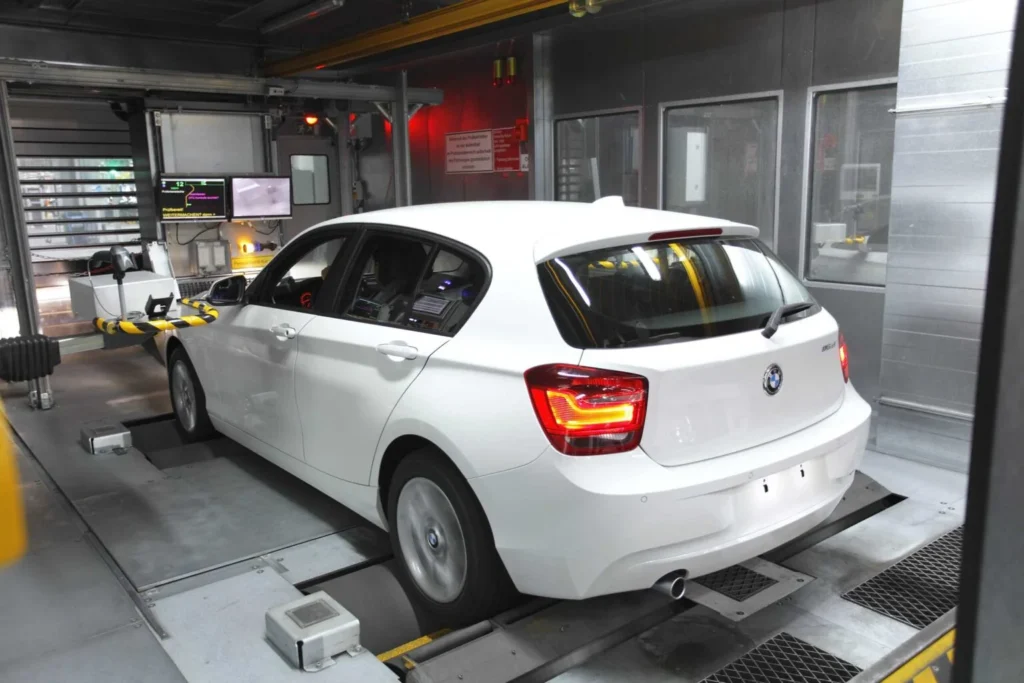
LET’S DISCUSS YOUR DYNAMOMETER PROJECT
Tell us about your vehicle testing requirements, production line, test cell or integration needs. SEETECH will help you define the right AWD or 2WD dynamometer solution.
1. What is the difference between an AWD dyno and a 2WD dynamometer?
An AWD dynamometer (all-wheel-drive dyno) measures vehicle performance by driving all four wheels simultaneously, making it ideal for cars and trucks with AWD or 4WD drivetrains. This setup allows accurate simulation of real-world load conditions for complex drivetrains.
A 2WD dynamometer drives only one axle — either the front or the rear — making it suitable for front-wheel-drive (FWD) or rear-wheel-drive (RWD) vehicles. While 2WD dynos are simpler and often less expensive, they cannot accurately test AWD systems without drivetrain modifications.
2. Can I test FWD or RWD vehicles on an AWD dyno?
Yes. Modern AWD dynamometers — especially linked roller systems like SEETECH’s — allow the operator to select FWD or RWD mode, disengaging the unused rollers. This ensures accurate measurement without unnecessary drivetrain strain. It is particularly useful for mixed production lines that test multiple drivetrain types on the same bench.
3. Why are fully linked rollers important for AWD testing?
In AWD vehicles, the front and rear axles are mechanically connected. If the rollers are not synchronized, even a small speed difference can cause drivetrain wind-up, leading to inaccurate results or mechanical damage. Fully linked rollers — either mechanically or electronically — ensure that all wheels rotate at exactly the same speed, which:
- Prevents unnecessary stress on the vehicle’s transmission
- Provides repeatable, precise measurements
- Simulates real driving conditions more accurately
4. What types of vehicles can be tested on an AWD or 2WD dynamometer?
SEETECH’s dynamometers are designed to handle almost any wheeled vehicle, including:
- Passenger cars (compact, sedan, hatchback)
- High-performance sports cars
- SUVs and crossovers
- Light commercial trucks and vans
- Heavy-duty trucks and buses
- Motorcycles and three-wheelers
Our custom engineering allows us to adapt roller size, load capacity, and control systems for unique applications, from small-displacement scooters to multi-axle heavy vehicles.
5. What measurement capabilities do chassis dynamometers offer?
A high-quality chassis dynamometer measures:
- Torque (Nm) and power (kW or hp) at the wheels
- Vehicle speed and roller RPM
- Drivetrain efficiency and losses
- Fuel consumption (when integrated with fuel measurement equipment)
- Emissions data (when connected to an emissions analyzer)
They can also simulate aerodynamic drag, road gradients, and rolling resistance, allowing engineers to test under real-world conditions without leaving the facility.
6. How accurate and repeatable are dynamometer measurements?
Accuracy depends on the quality of the equipment and calibration. SEETECH’s AWD and 2WD dynamometers use:
- Precision-ground steel rollers
- Linked control systems with real-time synchronization
- High-speed data acquisition (up to 10 Gbps)
- Automated calibration routines
This ensures measurement accuracy within ±1% or better, and results are highly repeatable between tests — even across different days or operators.
7. Do I need to prepare my vehicle before dyno testing?
Yes. Proper preparation ensures both safety and test accuracy. Before testing:
- Warm up the engine and drivetrain to normal operating temperature
- Check tire pressures and match them across axles
- Disable traction control and stability systems unless specifically testing them
- Ensure all fluids are at proper levels
- Remove loose items from the vehicle interior
- Secure the vehicle on the dyno using approved straps and wheel chocks
8. What can an AWD dyno do that a 2WD dyno cannot?
An AWD dynamometer can:
- Test full AWD drivetrain functionality under load
- Evaluate torque distribution between front and rear axles
- Test vehicles with variable AWD systems (e.g., electronically controlled couplings)
- Perform brake balance and ABS/ESC testing in AWD mode
- Simulate traction loss scenarios and power shifts between axles
These capabilities are essential for manufacturers of modern AWD and 4WD vehicles, where drivetrain control is integrated into vehicle safety and performance systems.
9. Why do some dynos make more noise than others?
Noise mainly comes from roller-to-tire contact and the dyno’s load absorption system (eddy currents, hydraulic brakes, or AC motors). High-grip roller surfaces provide better traction and prevent tire slip but can generate more noise, especially at high speeds. SEETECH uses precision-balanced rollers, optimized surface textures, and soundproof room options to minimize operational noise while maintaining measurement accuracy.
10. What types of test modes do dynos support?
Our dynamometers support multiple operating modes, including:
- Steady-state testing – Holding a constant speed or load for tuning and diagnostics
- Ramp runs – Gradually accelerating to measure power and torque curves
- Transient tests – Simulating real-world acceleration, braking, and load changes
- Drive-cycle simulations – Reproducing standard test cycles like WLTP, NEDC, or custom OEM cycles
- Custom programmable profiles – Fully configurable speed, load, and gradient patterns for specialized testing