Automotive EOL Systems for OEM Production Lines
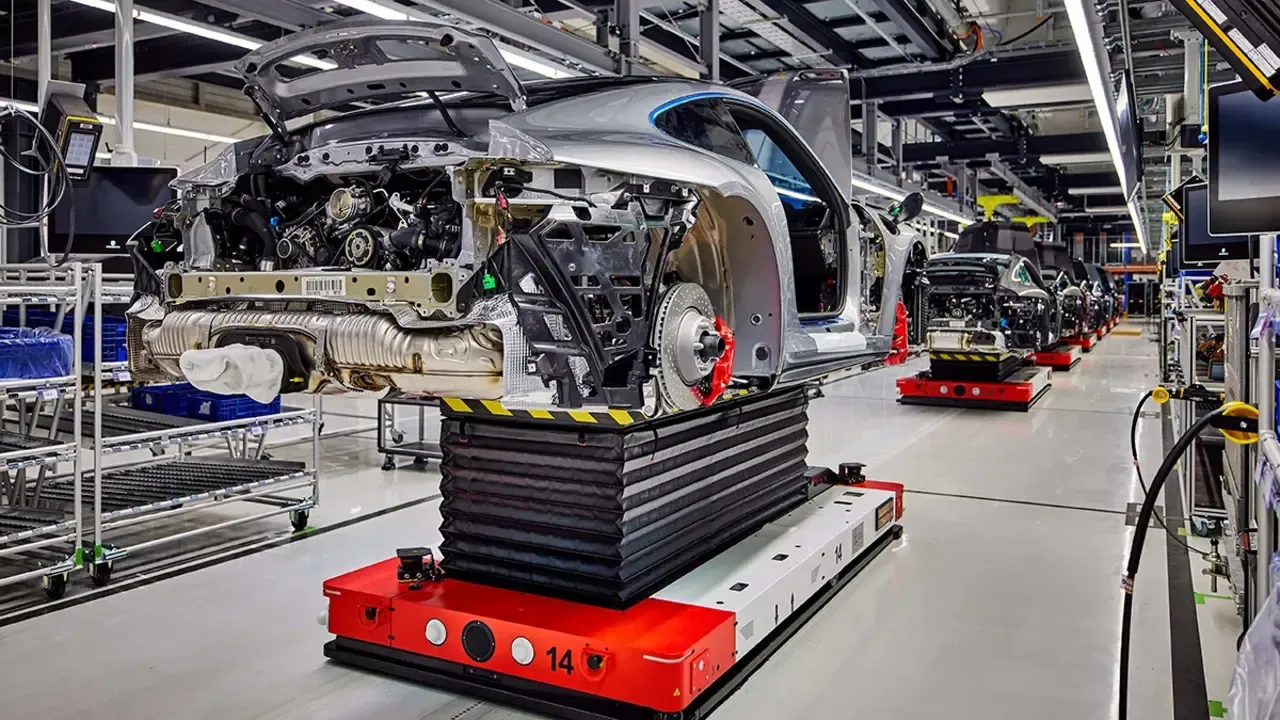
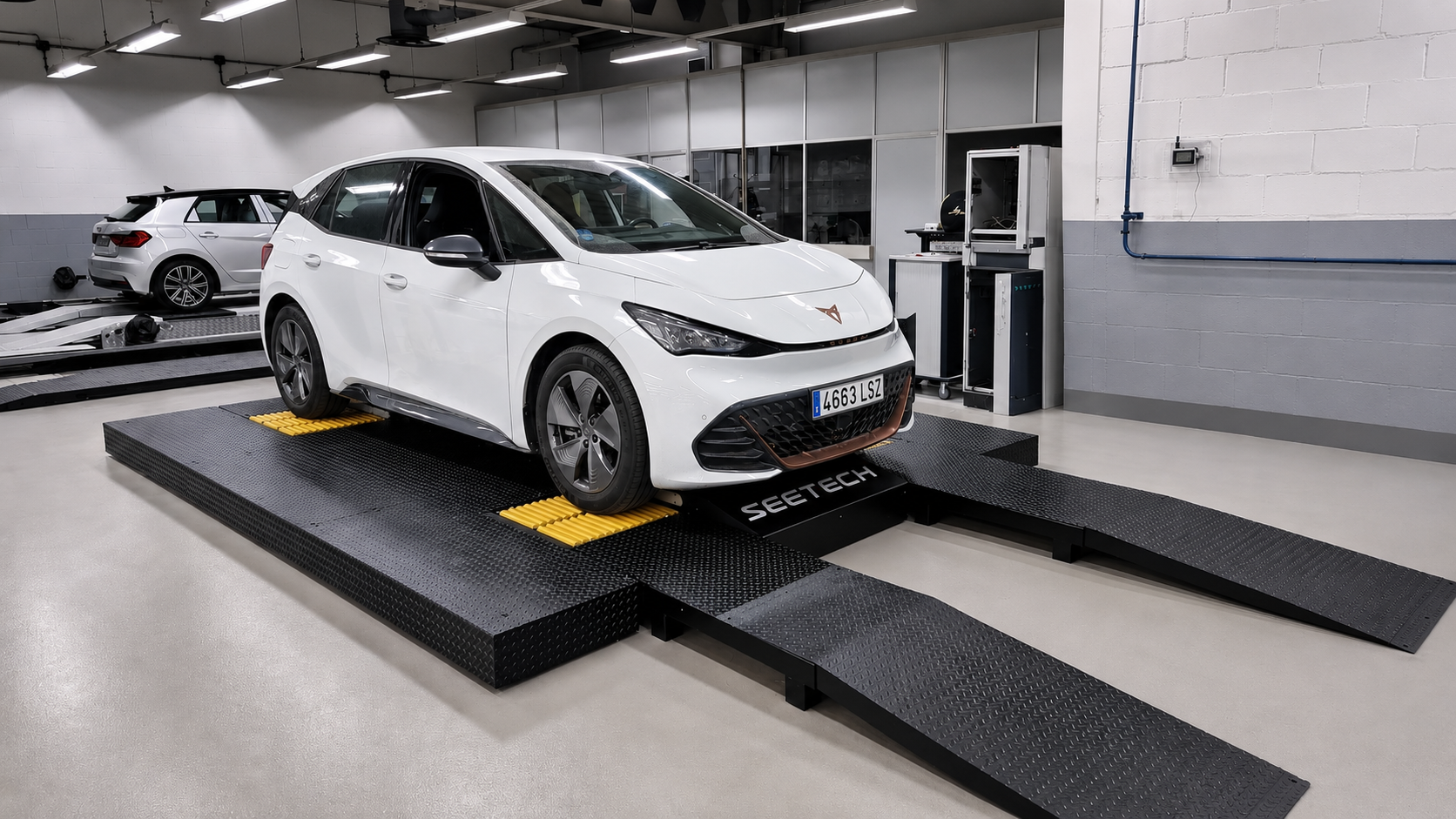
Automotive EOL Systems are not only test benches. In a real vehicle factory, they combine production equipment, measurement systems, adjustment stations, calibration processes, inspection tools and traceability software into one controlled end-of-line workflow.
SEETECH develops these systems for automotive assembly plants that need more than a pass/fail result. Our solutions help operators adjust headlights, verify wheel geometry, calibrate ADAS sensors, inspect assemblies, validate vehicle functions and record every relevant result against the vehicle VIN.
Headlamp Aiming Systems
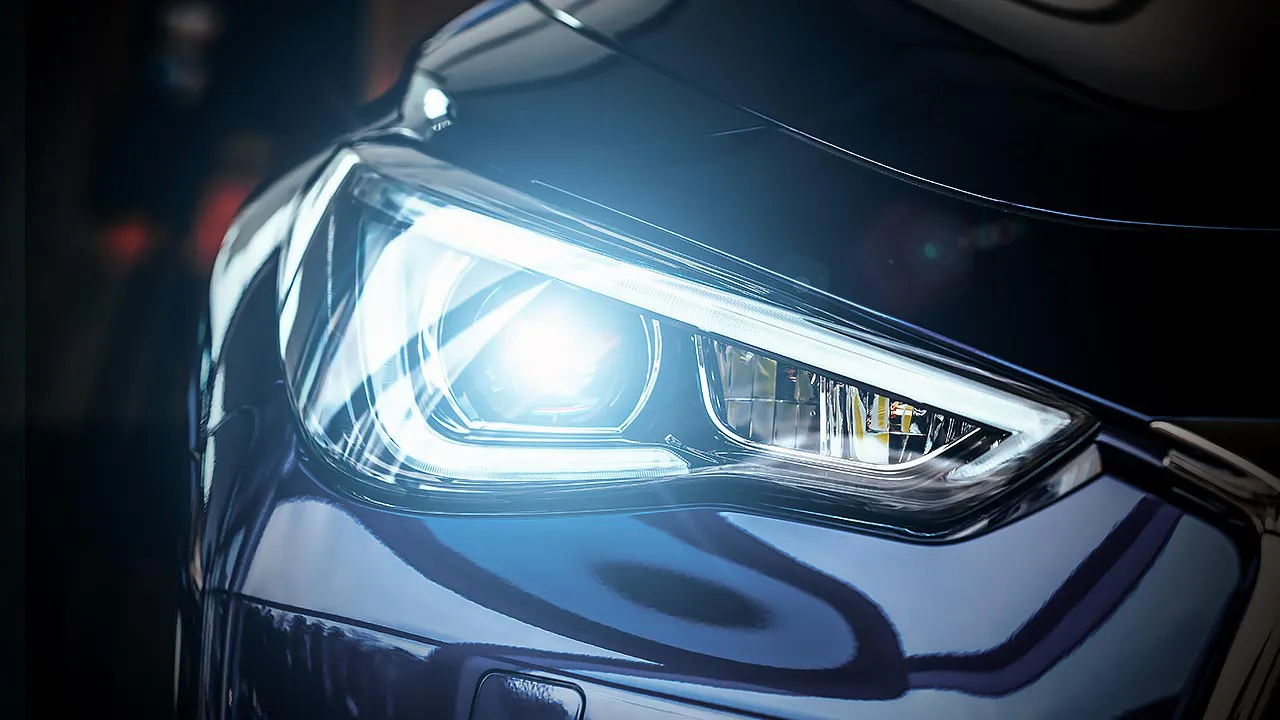
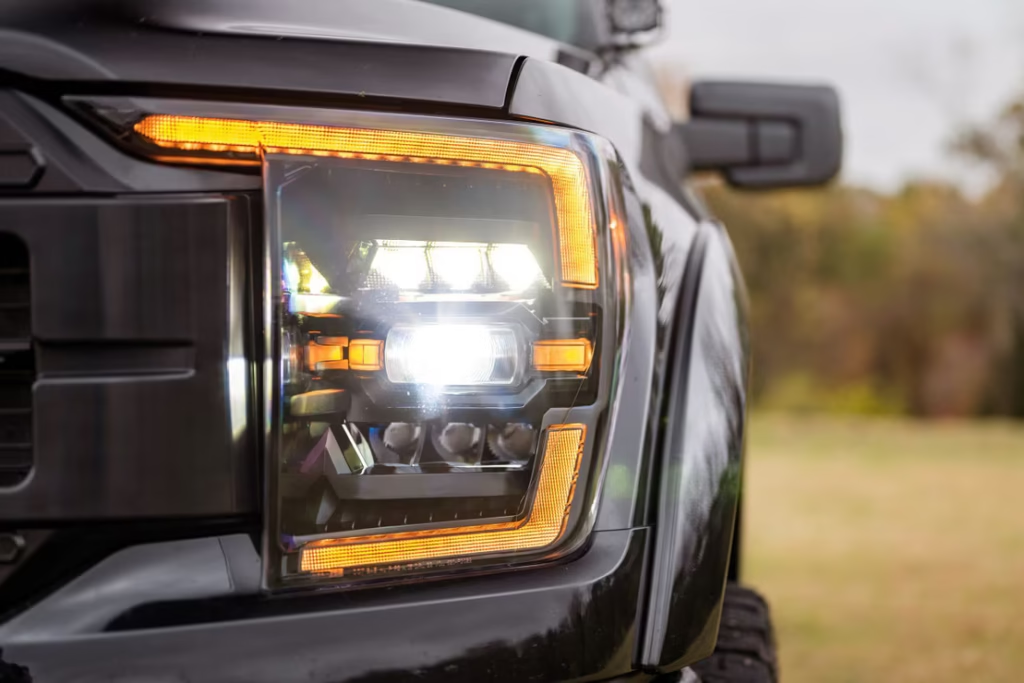
Headlamp aiming is a mandatory quality and adjustment step for every vehicle leaving the production line. As part of our Automotive EOL Systems, SEETECH headlamp aiming stations verify and correct beam orientation using precision photometric screens, automated positioning and measurement software.
Stations can be integrated into end-of-line conveyors or deployed as standalone production bays. Each result is linked to the vehicle VIN and can be exported to MES, quality databases or customer traceability systems. Systems can be configured for fully automatic operation, operator-guided adjustment or mixed production environments with several vehicle models on the same line.
Wheel Alignment Devices
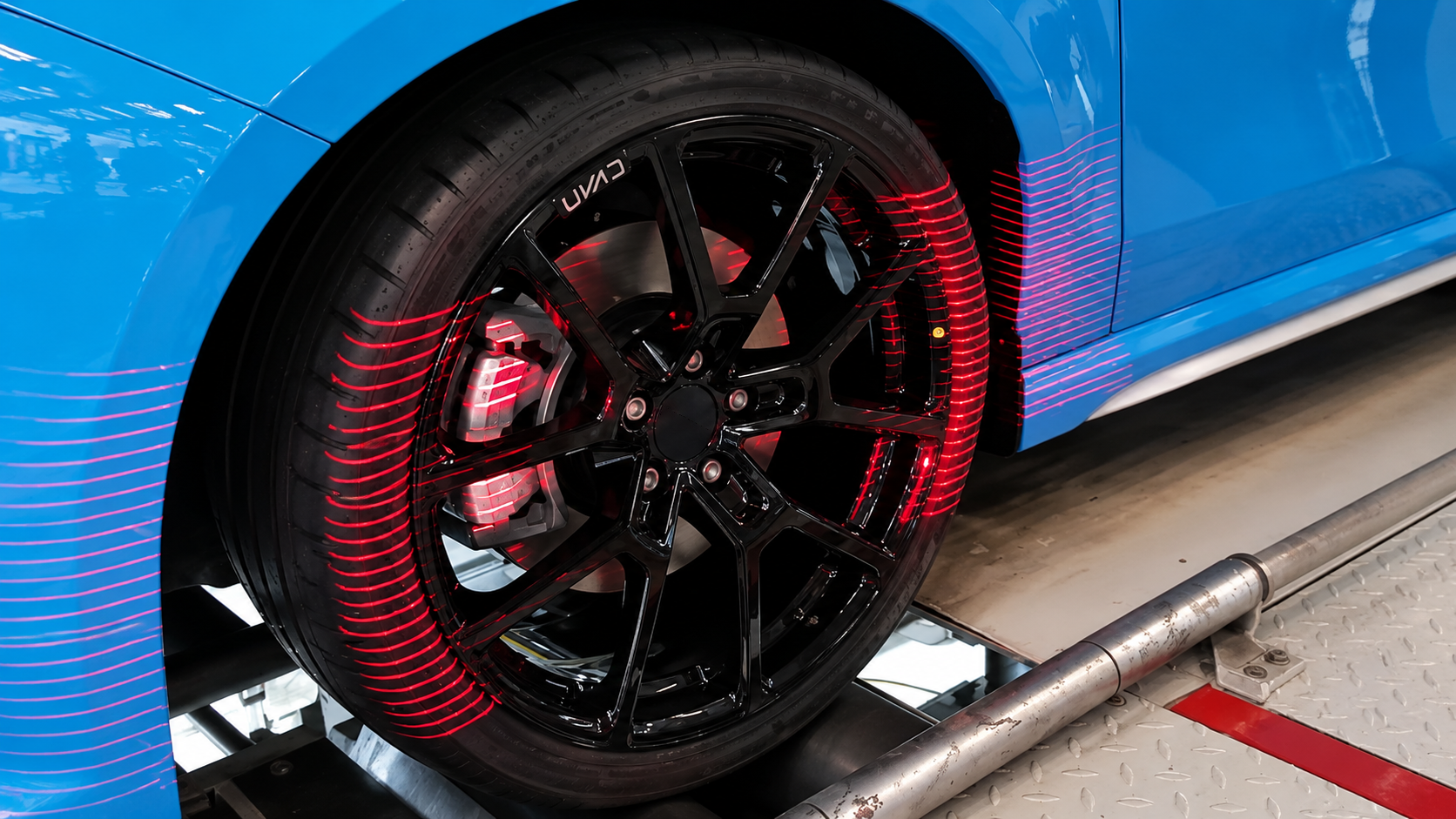
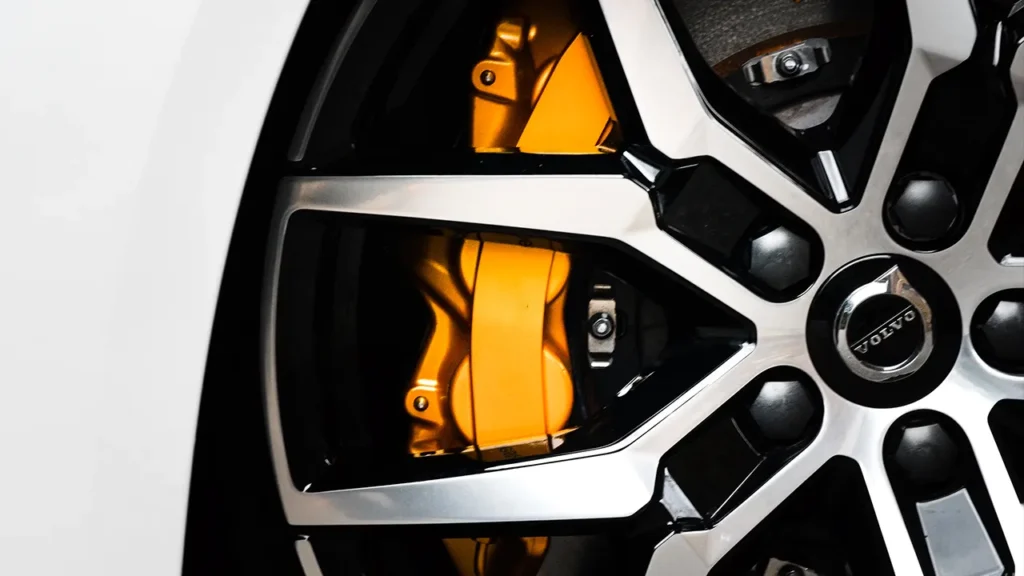
Incorrect wheel geometry leads to tyre wear, handling problems and customer complaints. SEETECH wheel alignment devices measure toe, camber, caster and thrust angle directly on the production line, allowing manufacturers to verify and adjust each vehicle before final release.
As part of a complete Automotive EOL Systems architecture, alignment results are linked to the VIN and stored in the production database. The system can support passenger cars, commercial vehicles and heavy vehicles, with fixed-line or flexible configurations depending on plant layout, cycle time and vehicle mix.
roller test benches
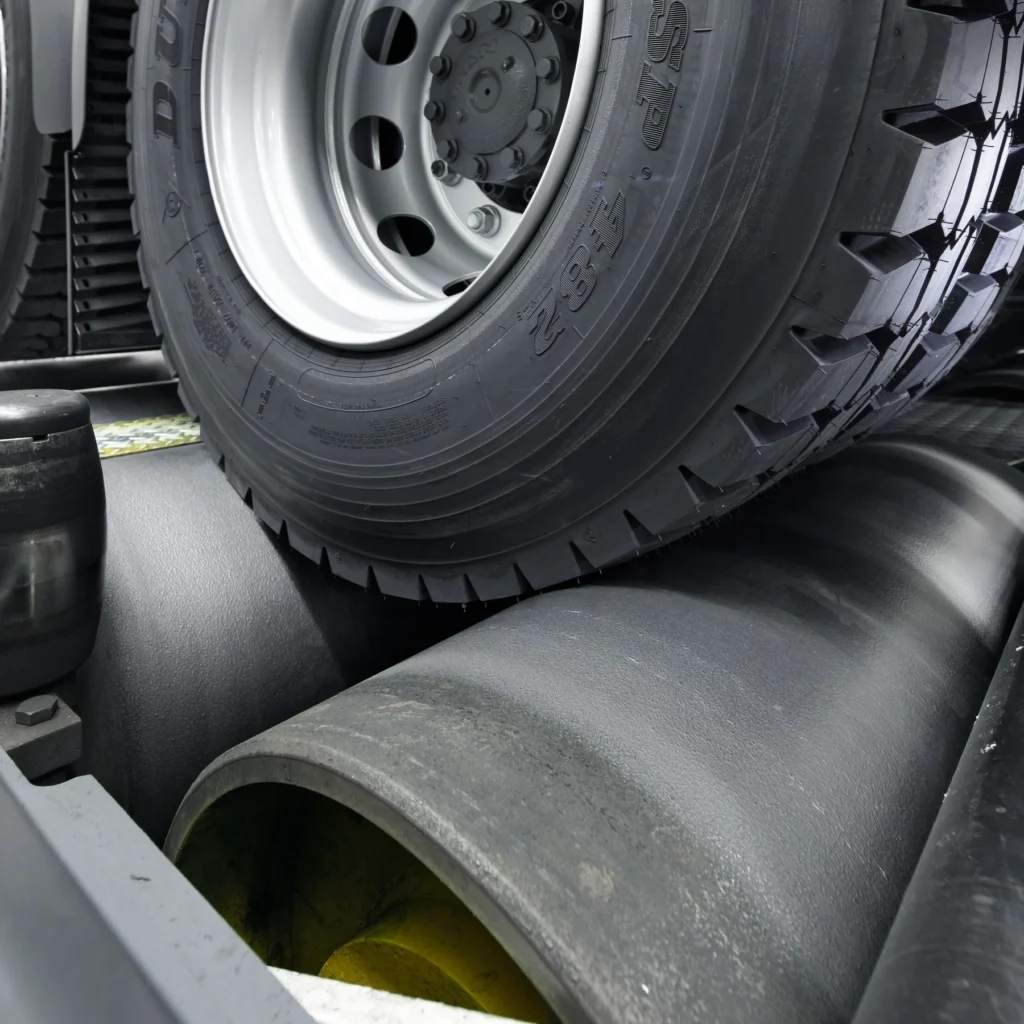
Roller test benches are used to verify vehicle speed, drivetrain behaviour, braking response and functional performance under controlled production conditions. These systems allow OEMs to check complete vehicles before delivery, using repeatable test sequences adapted to each model and production requirement.
Integrated into Automotive EOL Systems, roller test benches can exchange data with PLCs, MES platforms, VIN databases and quality systems. Each test result is stored automatically, giving the factory a clear production record for every vehicle tested on the line.
ADAS Calibration Stations
Modern vehicles leave the factory equipped with cameras, radar sensors and LiDAR units that require precise calibration before delivery. SEETECH ADAS calibration stations position targets, guide the vehicle, trigger calibration routines and verify that each sensor is correctly adjusted according to OEM specifications.
As part of our Automotive EOL Systems, ADAS stations can be integrated with OBD interfaces, diagnostic tools, automated target positioning, VIN identification and MES traceability. Calibration status can be written to the vehicle ECU and stored in the production system, giving the factory a complete quality record for every vehicle.
As ADAS content increases across all vehicle segments, end-of-line calibration has become a standard — and non-negotiable — step in quality validation.
quality control systems
Assembly operators need clear, accurate information at every station on the line. SEETECH quality control systems provide operator screens, work instructions, component checklists, missing-parts detection and routing information to reduce mistakes during production.
These systems form the digital layer of modern Automotive EOL Systems, connecting shop-floor operations with production databases and quality records. Each relevant event can be linked to the VIN, helping factories control rework, prevent wrong routing and maintain complete traceability across the line.
vehicle inspection systems
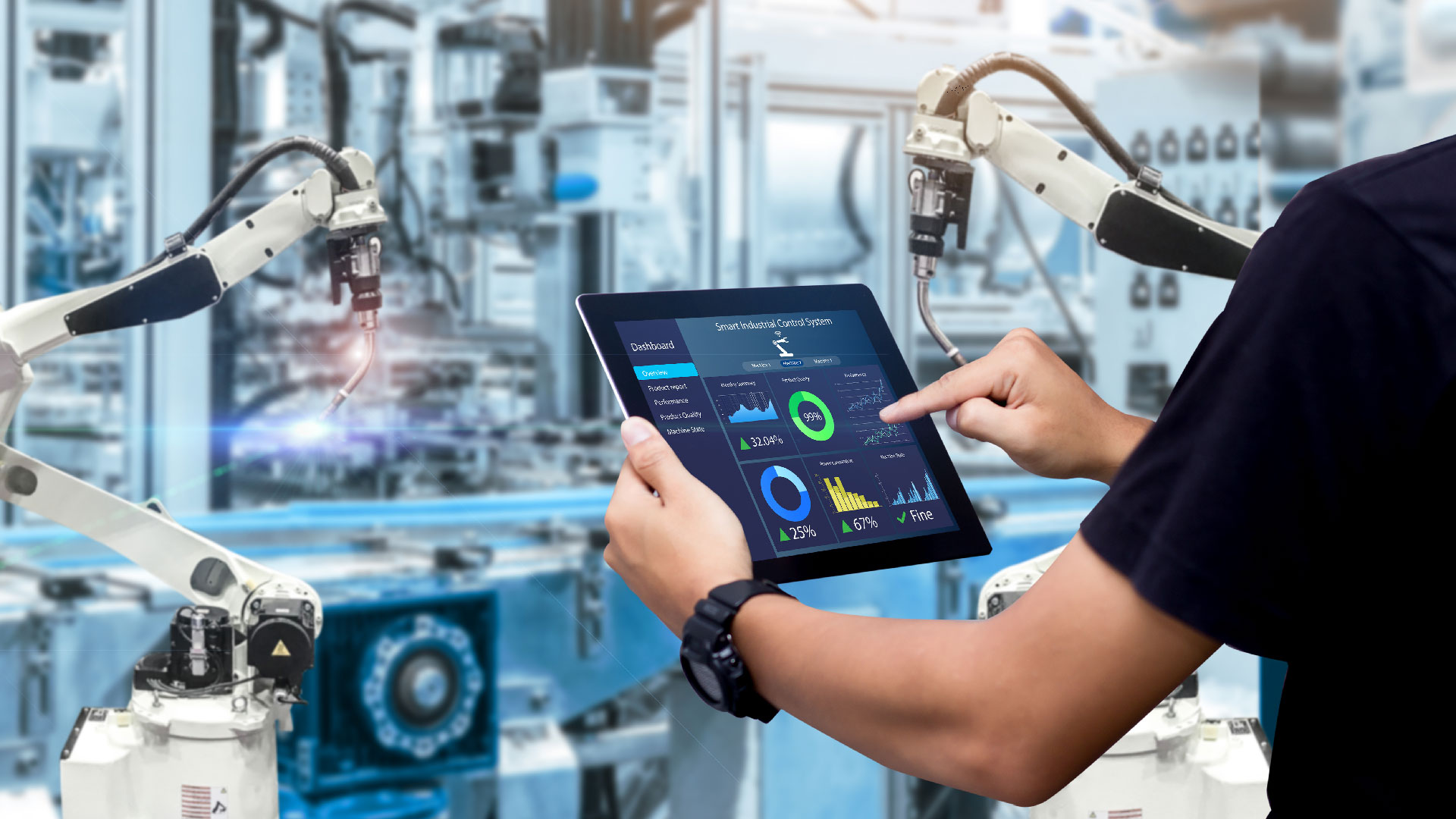
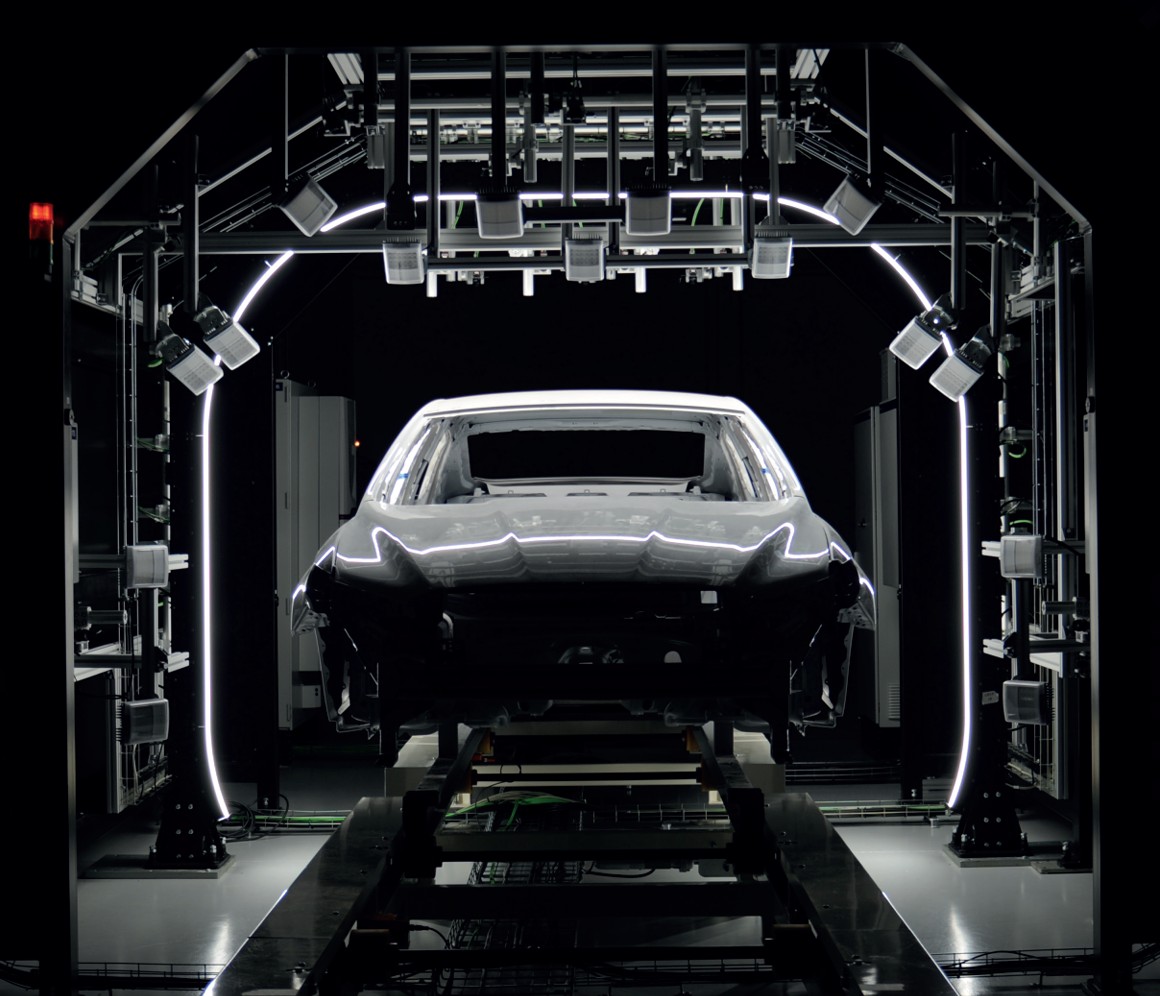
Vehicle quality verification requires more than individual test stations. SEETECH vehicle inspection systems combine vision technologies, measurement devices, sensors and automated validation processes to inspect vehicles throughout the production line and before final release.
These systems can verify component presence, labels, codes, assembly conditions, dimensional references, cosmetic defects and final quality status. Integrated into Automotive EOL Systems, they provide real-time results, automatic NOK detection and complete traceability for OEM and Tier 1 production environments.
automotive machine vision
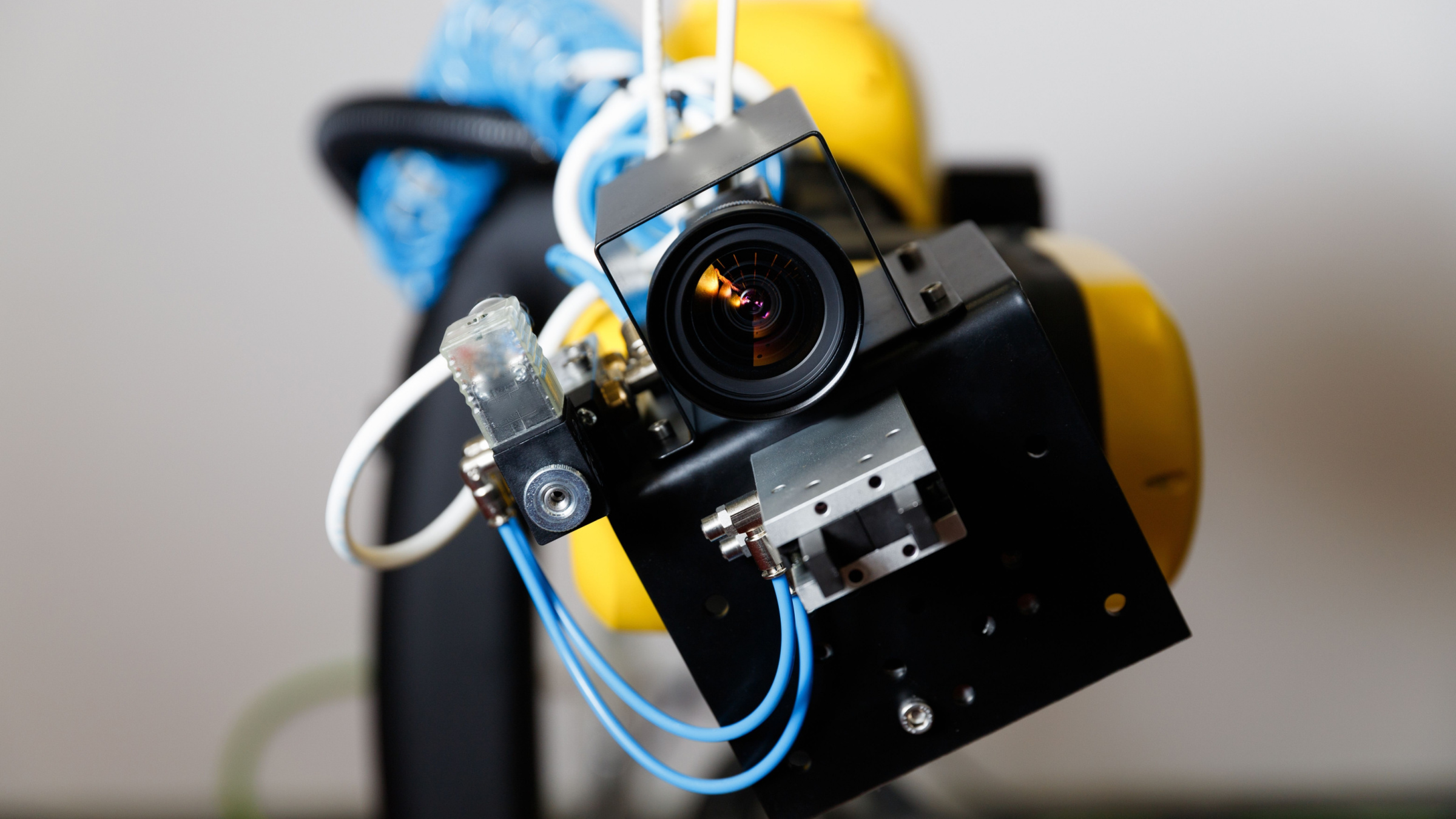
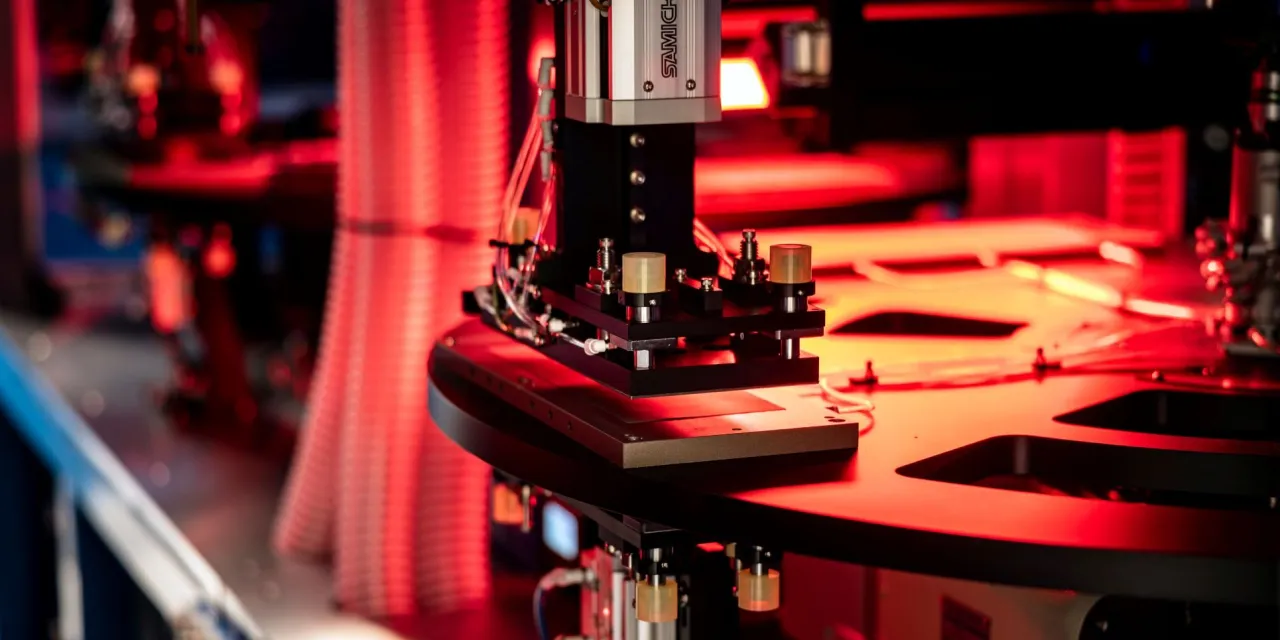
Automotive manufacturers use machine vision to control quality, reduce operator dependency and verify critical assembly steps with repeatable results. SEETECH machine vision systems use industrial cameras, lighting, AI-based image processing, OCR, barcode reading and dimensional analysis to inspect components, assemblies and complete vehicles.
Designed for integration into Automotive EOL Systems, these solutions can identify missing parts, wrong variants, incorrect positioning, surface defects and unreadable codes. Results are linked to the vehicle or component identifier, allowing the factory to keep full production traceability without manual data entry.
production line traceability
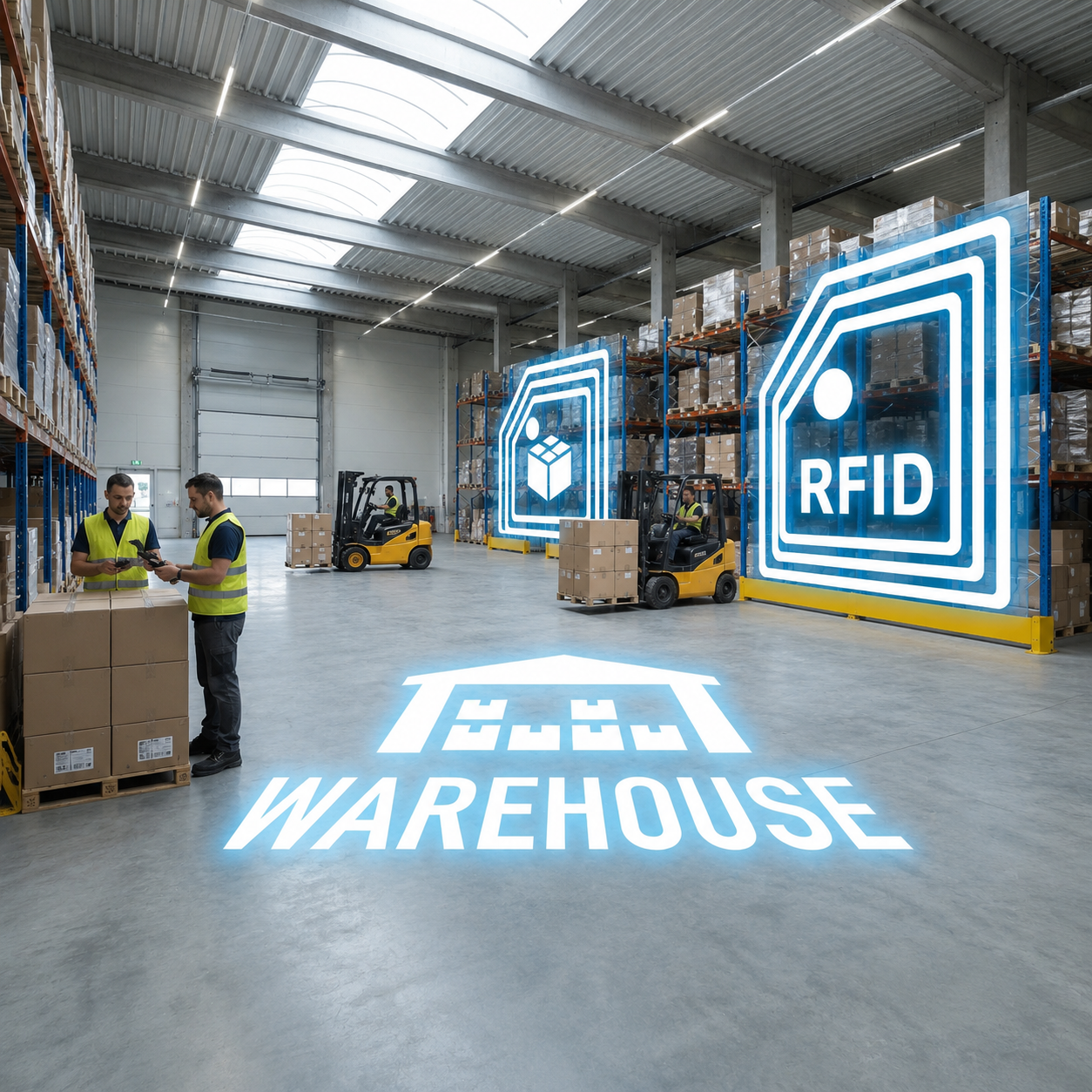
Complete production traceability is a fundamental requirement for modern automotive manufacturing. SEETECH traceability systems track vehicles, components, test results, calibration data and production events using VIN identification, barcode readers, RFID, OCR verification and centralized databases.
In a complete Automotive EOL Systems setup, every inspection result, adjustment value, test measurement and process event can be linked to the vehicle VIN. This allows manufacturers to investigate quality issues faster, contain defective batches, generate audit records and maintain full control over the production history of every vehicle.
ev battery inspection
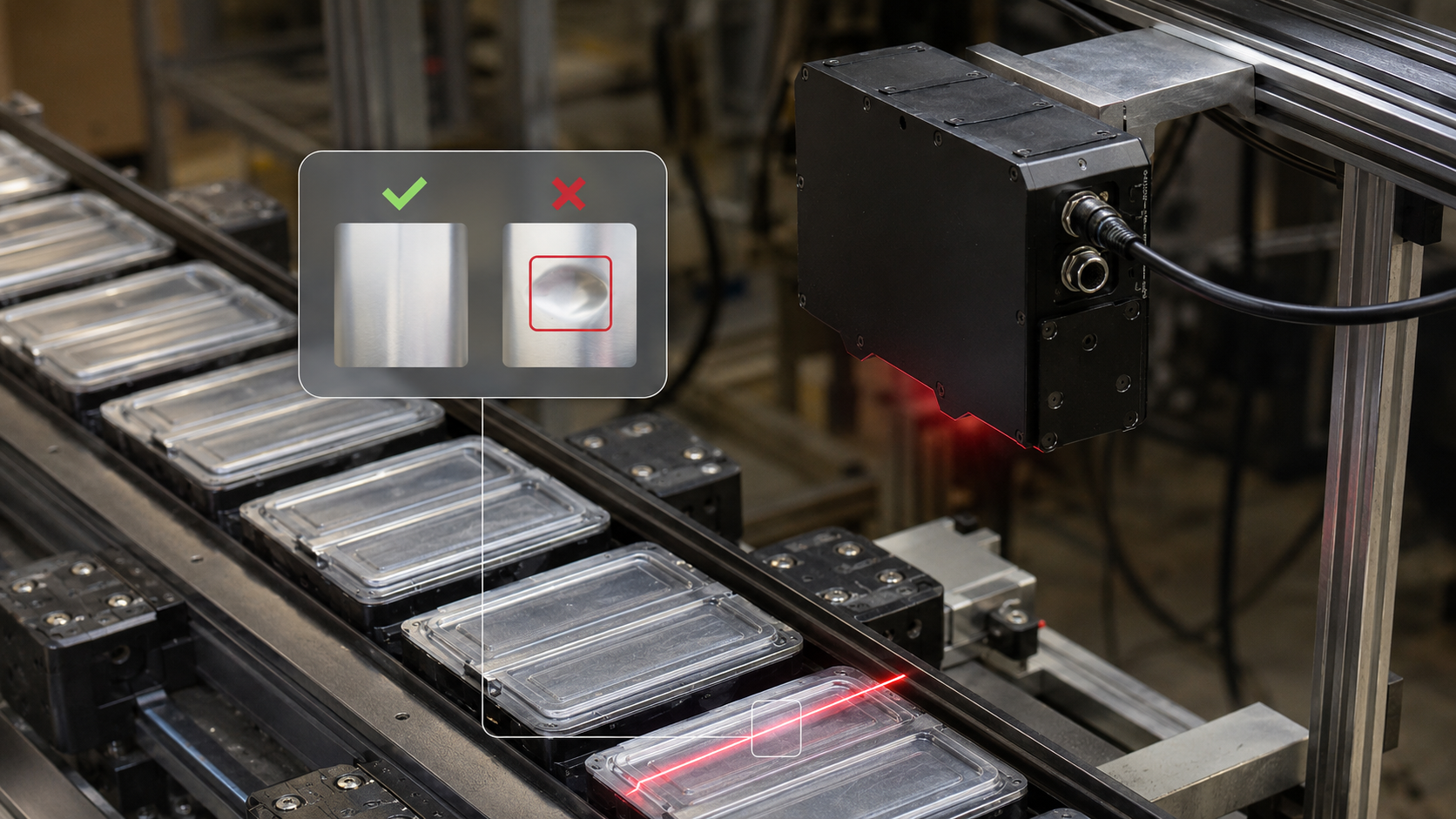
EV battery inspection is becoming a critical module inside modern Automotive EOL Systems, especially for electric and hybrid vehicle production. These systems can verify battery pack presence, connector position, label readability, barcode or DataMatrix codes, sealing conditions and correct assembly before the vehicle leaves the production line.
SEETECH can integrate battery-related inspections with leak test equipment, insulation test interfaces, vision systems and MES traceability. Each result can be linked to the VIN, creating a complete quality record for every electric vehicle produced and helping OEMs detect battery assembly defects before final release.
acoustic & noise testing
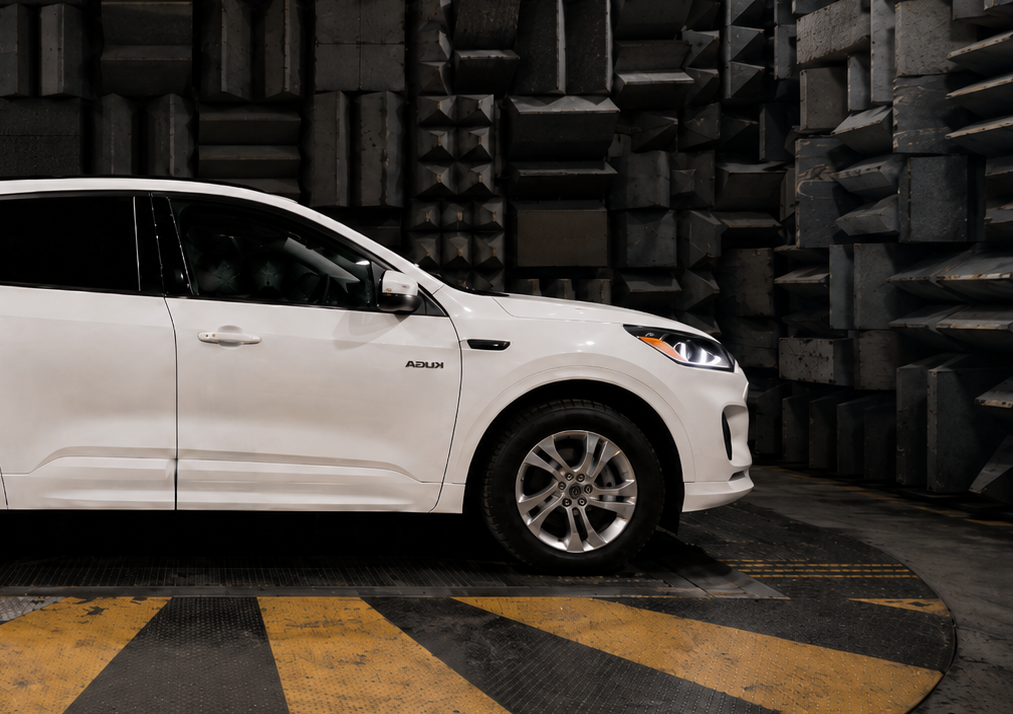
Noise, vibration and acoustic behaviour are important indicators of vehicle quality. SEETECH acoustic and noise testing systems measure sound pressure levels, detect abnormal noises and verify production quality standards using calibrated microphones, signal analysis and automated test sequences.
Integrated into Automotive EOL Systems, these stations can help identify problems related to powertrains, driveline components, bearings, fans, air leaks or assembly defects. Test results are stored against the VIN, giving the factory a repeatable acoustic quality record for every vehicle tested.
leak testing systems
Air and fluid leak detection is essential for product quality, safety and long-term reliability in automotive production. SEETECH leak testing systems verify sealing integrity in components, assemblies and complete vehicle systems using pressure decay, flow measurement, differential pressure testing or customer-specific test methods.
As part of integrated Automotive EOL Systems, leak testing stations provide fast, repeatable and traceable results. Each measurement can be connected to the VIN, MES and quality database, helping OEMs detect manufacturing defects early and reduce warranty risk before vehicles leave the factory.
automotive shaker systems
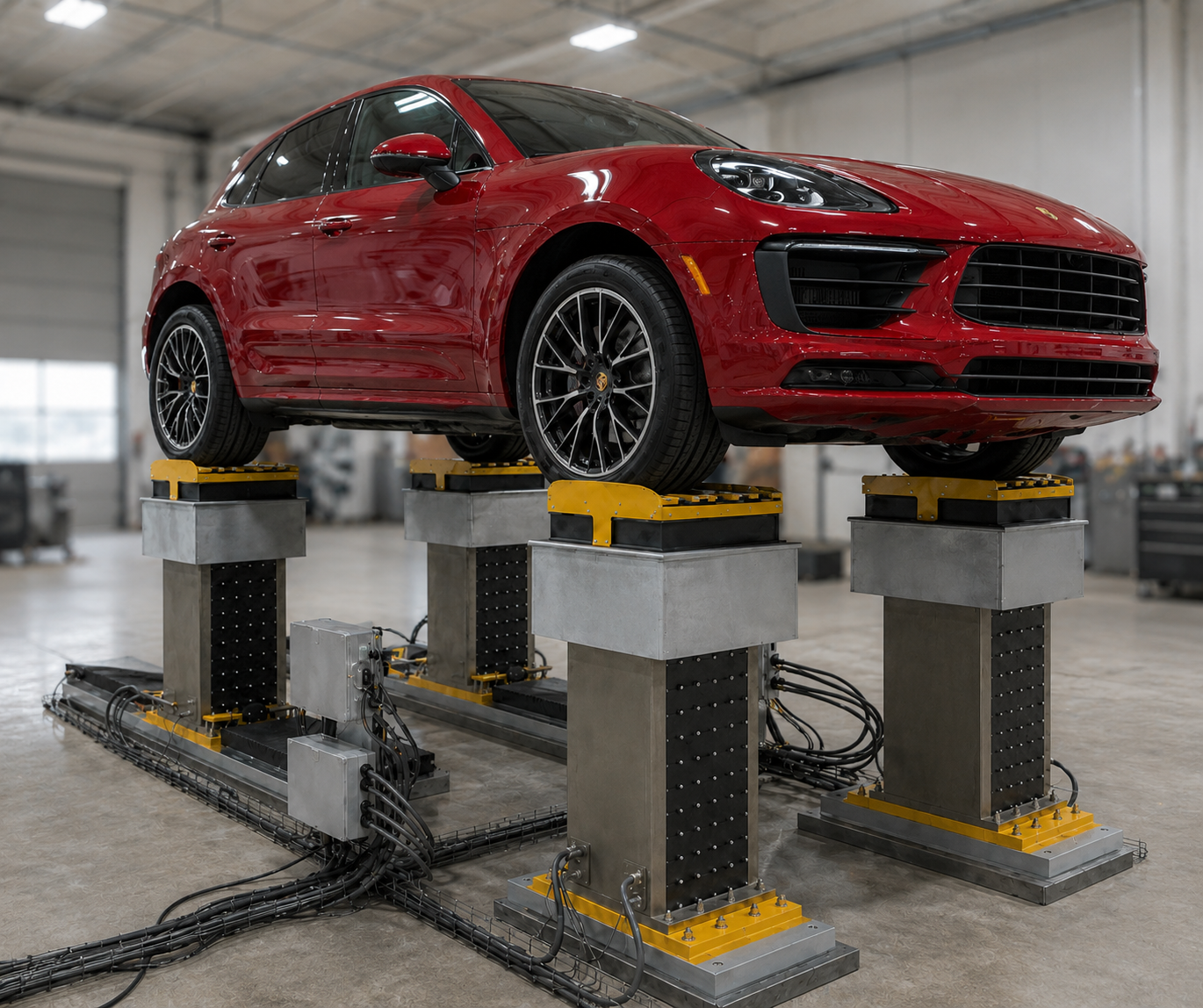
Vehicle components and assemblies must withstand vibration, resonance and durability requirements throughout their operational life. SEETECH automotive shaker systems simulate real operating conditions for validation, endurance checks and production quality verification.
These systems can be configured for component testing, assembly validation or complete production-line integration. With automated test sequences, data acquisition and traceability functions, shaker systems can become part of a wider Automotive EOL Systems strategy for controlling reliability and reducing field failures.
All-Wheel Dynamometers
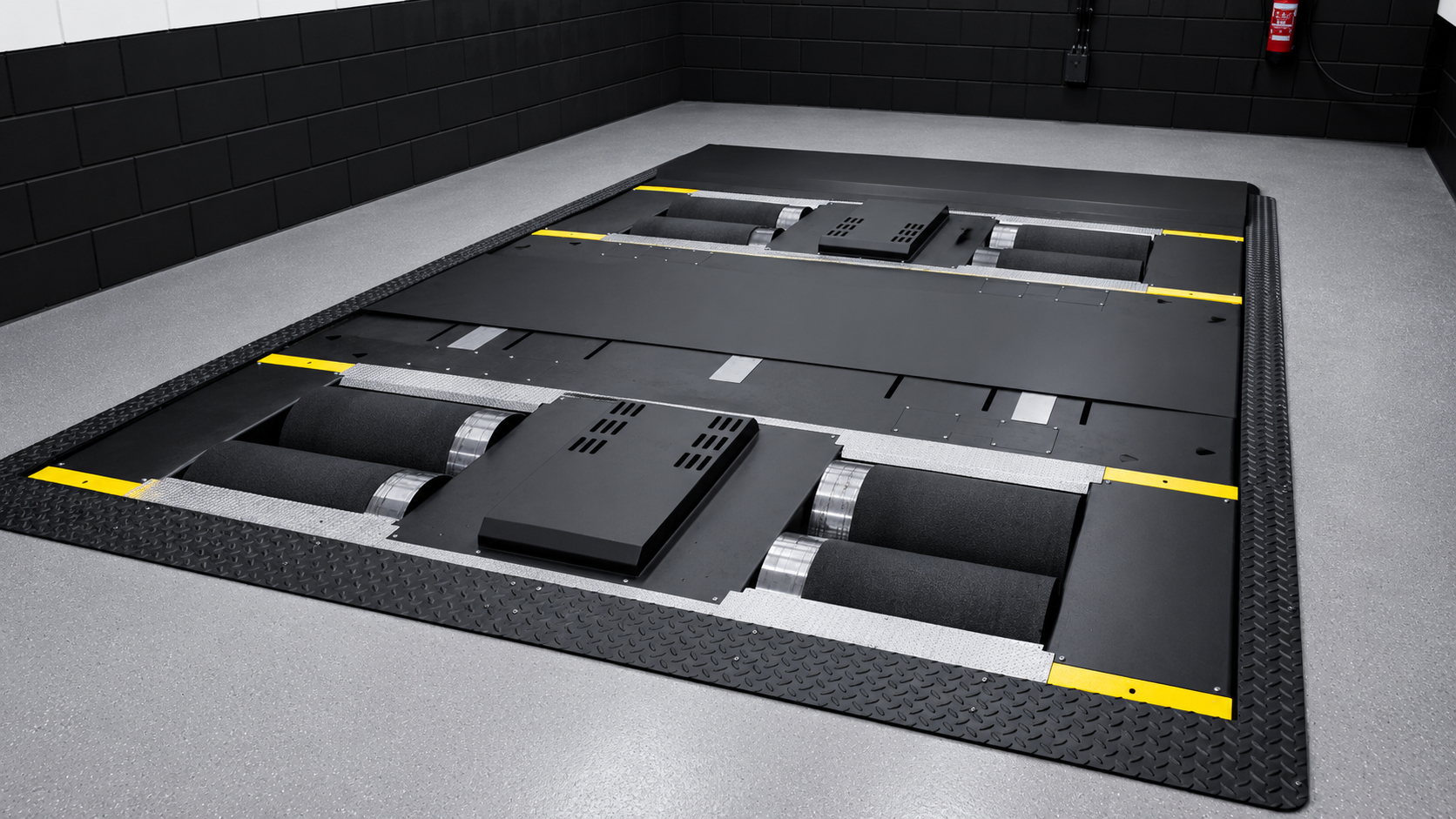
All-wheel dynamometers allow manufacturers to verify powertrain behaviour, drivetrain response, braking performance and vehicle functions under controlled production conditions. They are especially important for AWD, 4WD, hybrid and electric vehicles, where all driven wheels must be tested without disconnecting drivetrain components.
Integrated into Automotive EOL Systems, SEETECH dynamometers can run automated test routines by model, record results by VIN and export production data in real time. These systems help OEMs validate complete vehicles before delivery while maintaining full traceability of speed, load, brake and drivetrain measurements.
Let’s discuss
your AUTOMOTIVE EOL SYSTEMS PROJECT
Tell us about your production line, vehicle models, cycle time or quality challenge. Our engineering team will review your requirements and propose the right EOL configuration for your factory.
1. What are Automotive EOL Systems?
Automotive EOL Systems are the machines, software and production stations installed at the final stages of a vehicle assembly line to inspect, adjust, calibrate, validate and record the quality status of each vehicle before release.
A complete EOL setup can include headlamp aiming, wheel alignment, ADAS calibration, roller test benches, dynamometers, leak testing, acoustic checks, machine vision, production routing and VIN-level traceability. In modern factories, these systems are normally connected to manufacturing control layers following industrial integration principles such as ISA-95 enterprise-control system integration.
2. Why is headlamp aiming required at the end of the production line?
Headlamp orientation is subject to legal and homologation requirements in most markets. In Europe, lighting installation requirements are covered by UN Regulation No. 48, while in the United States lighting equipment is covered by FMVSS No. 108.
During assembly, handling and transport operations can move the headlamp away from its correct setting. A dedicated end-of-line headlamp aiming station verifies and corrects beam orientation before the vehicle is released, helping manufacturers maintain compliance, reduce lighting-related warranty claims and store each adjustment result against the vehicle VIN.
3. What wheel geometry parameters are checked in Vehicle End-of-Line Systems?
Vehicle End-of-Line Systems typically check front and rear toe, camber and, where applicable, caster and thrust angle. The parameters measured depend on the vehicle platform, suspension architecture and OEM quality specifications.
Wheel alignment stations measure the vehicle on a controlled reference surface and compare the results automatically against the target values for the specific model and variant. These checks support consistent vehicle behaviour, tyre wear control and quality records aligned with ISO 9001 quality management principles.
4. What is an all-wheel dynamometer and why is it used in Automotive EOL Systems?
An all-wheel dynamometer is a chassis dynamometer designed to apply load to all driven wheels of a vehicle. It is especially important for AWD, 4WD, hybrid and electric vehicles, where testing only one axle may be technically limited or unsuitable for the drivetrain configuration.
Integrated into Automotive EOL Systems, all-wheel dynamometers allow manufacturers to verify drivetrain behaviour, speed signals, braking response, ABS and ESP functions, powertrain performance and vehicle operation under controlled production conditions. Chassis dynamometer procedures and drive-quality evaluation are covered in standards such as SAE J2951.
5. What sensors require ADAS calibration at end-of-line?
Vehicles equipped with advanced driver assistance systems require calibration of sensors whose performance depends on precise alignment, field of view or target position. This can include front cameras, surround-view cameras, front radar, corner radar, blind spot monitoring sensors and LiDAR units.
ADAS calibration procedures vary by OEM, vehicle model and sensor supplier. End-of-line calibration stations must support the correct target patterns, diagnostic interfaces, vehicle positioning method and tolerance requirements for each model in production. Active safety and driver-assistance technologies are also evaluated by independent safety programmes such as Euro NCAP Safety Assist protocols.
6. How are ADAS calibration stations integrated into production lines?
ADAS calibration stations can be installed as dedicated end-of-line stations or combined with other vehicle calibration processes inside a shared production bay. The vehicle is positioned using guide systems, centering devices or automated references, while calibration targets are placed manually or moved automatically depending on the required level of automation.
As part of Automotive EOL Systems, ADAS stations can communicate with diagnostic tools, vehicle ECUs, PLCs, MES platforms and quality databases. For industrial data exchange, many factories use standards and technologies such as OPC UA to connect machines, control systems and higher-level production software.
7. What is a production control system in automotive manufacturing?
A production control system is the hardware and software layer that guides operators, manages station workflows, verifies process completion and controls routing decisions across the production line. It can provide work instructions, component checklists, model-specific parameters, quality alerts and station status information.
Inside Automotive EOL Systems, production control software connects physical machines with the factory database. This reduces errors caused by wrong variants, missing components, incorrect assembly sequences or manual routing decisions. The structure is normally aligned with IT/OT integration models such as ANSI/ISA-95.
8. How does missing-parts detection work on an automotive assembly line?
Missing-parts detection systems use barcode readers, RFID, machine vision cameras, sensors, operator confirmations or PLC signals to verify that each required component has been installed in the correct position and at the correct production step.
If a component is missing, incorrectly installed or does not match the expected vehicle configuration, the system can trigger an operator alert, generate an NOK event or prevent the vehicle from advancing depending on the plant’s control strategy. For identification and traceability across industrial and supply-chain environments, standards such as GS1 EPCIS can be used to structure event-based product data.
9. Can SEETECH equipment be integrated with MES and quality systems?
Yes. SEETECH Automotive EOL Systems are designed to interface with plant MES platforms, quality databases, ERP systems and production control systems using industrial communication methods such as OPC UA, REST API, SQL databases, file exchange or customer-specific protocols.
Inspection results, adjustment values, calibration records, test measurements and routing decisions can be linked to the vehicle VIN and sent to upstream systems in real time. This supports Automotive Production Line Traceability, reduces manual data entry and helps manufacturers maintain structured quality records in line with ISO 9000 quality management standards.
10. What is Automotive Production Line Traceability?
Automotive Production Line Traceability is the ability to connect each vehicle, component, operation, measurement, adjustment, calibration result and quality event to a unique production identifier such as the VIN. It allows manufacturers to know exactly what happened to each vehicle during production.
In Automotive EOL Systems, traceability can include headlamp adjustment values, wheel alignment measurements, ADAS calibration results, dynamometer data, leak test results, acoustic measurements, machine vision images, operator actions, software versions and station timestamps. This supports the wider concept of the manufacturing digital thread, described by NIST’s Digital Thread for Smart Manufacturing.
11. How do Automotive EOL Systems support Digital Product Passport requirements?
Automotive EOL Systems create structured production data at the point where the vehicle is inspected, adjusted, calibrated and released. This data can include component identifiers, test results, calibration status, inspection images, machine parameters and production timestamps.
As European industry moves toward more structured product information, initiatives such as the European Commission’s Digital Product Passport increase the importance of reliable production data. EOL traceability helps manufacturers prepare cleaner, more complete records for compliance, audits and lifecycle documentation.
12. Which automotive manufacturers and facilities use SEETECH systems?
SEETECH supplies Automotive EOL Systems for OEMs, Tier 1 suppliers, vehicle assembly plants, final assembly centres and homologation facilities. Our equipment can be used for headlamp aiming, ADAS calibration, wheel alignment, dynamometers, vehicle inspection, traceability and production-line quality control.
SEETECH systems are used in international automotive environments, including Spain, Germany, France, the United Kingdom, the United States, Turkey and the Czech Republic. Each project is adapted to the customer’s production volume, vehicle model mix, existing infrastructure, factory standards and integration requirements.
13. Why choose SEETECH for Automotive EOL Systems?
SEETECH combines mechanical engineering, automation, machine vision, measurement systems, calibration knowledge and production software to deliver Automotive EOL Systems that are built for real factory conditions. Our systems are not generic test benches; they are production tools designed to inspect, adjust, calibrate, validate and document each vehicle before release.
Whether the project is a single retrofit station or a complete end-of-line deployment, SEETECH focuses on robust industrial design, VIN-level traceability, MES integration, operator usability and configurations matched to the actual production process. The result is a practical EOL solution that supports quality control without slowing down the factory.