Advanced Engineering Services for Industrial Automation Projects
Industrial automation projects fail when engineering is fragmented. A production-ready system must combine controls, electrical design, robotics, machine vision, safety, data integration and commissioning into one coordinated technical solution.
SEETECH provides advanced engineering services for companies that need practical, robust and maintainable automation systems. Our work covers new machines, production line upgrades, control system modernization, inspection systems, robotic integration and turnkey industrial projects.
Each service is delivered by engineers familiar with factory conditions, OEM requirements and continuous production environments, so the final system is not only technically correct but usable, supportable and ready for daily operation.
INDUSTRIAL CONTROL SYSTEMS ENGINEERING
Industrial machinery, automated production lines and complex technical installations require reliable and scalable industrial control systems architectures. SEETECH provides advanced engineering services for industrial control systems including PLC programming, HMI development, SCADA integration, industrial networking, motion control and real-time process automation.
Our industrial control systems engineering team develops robust automation architectures adapted to demanding industrial environments where reliability, safety and continuous operation are critical.
MACHINE VISION ENGINEERING
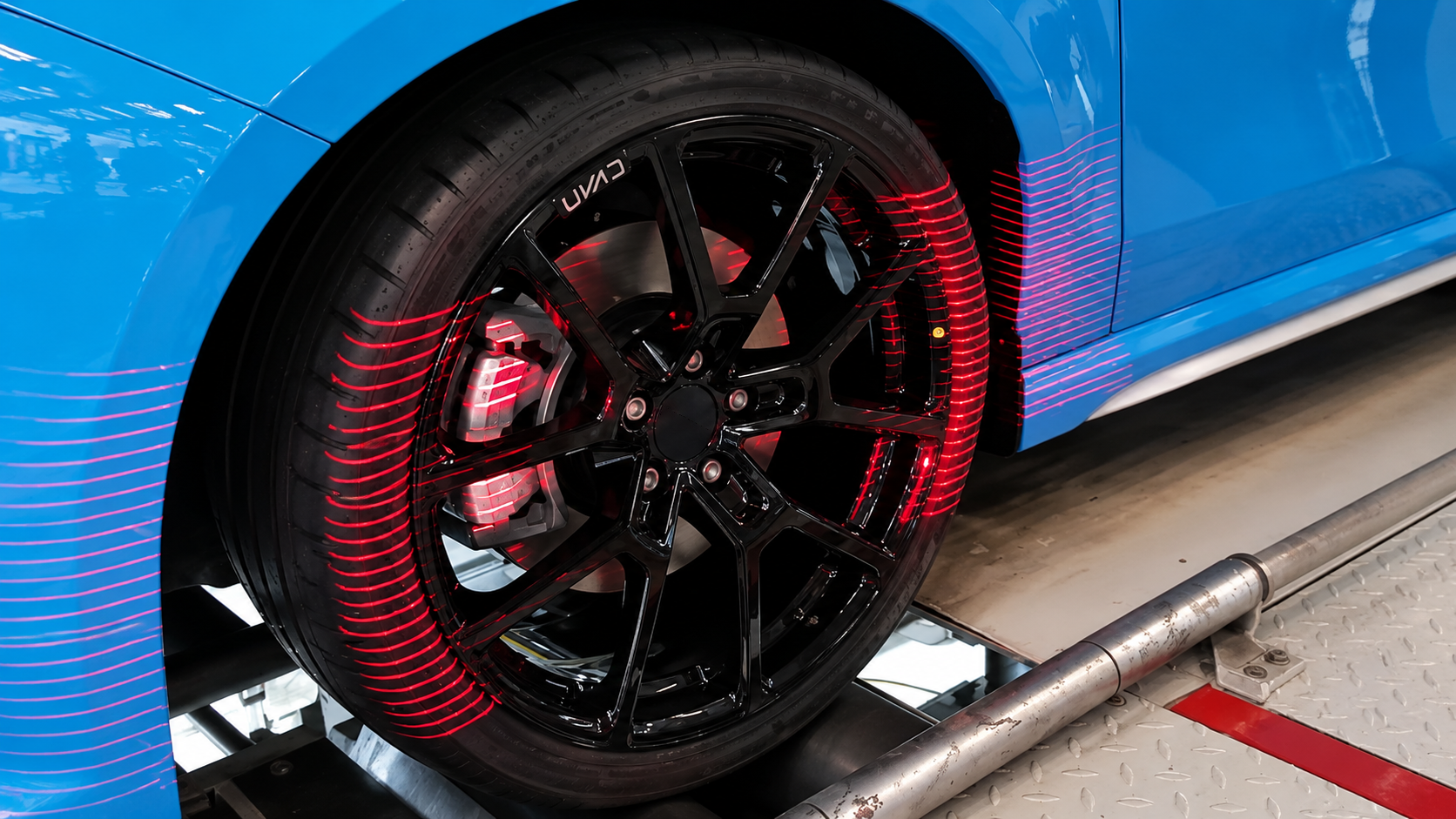
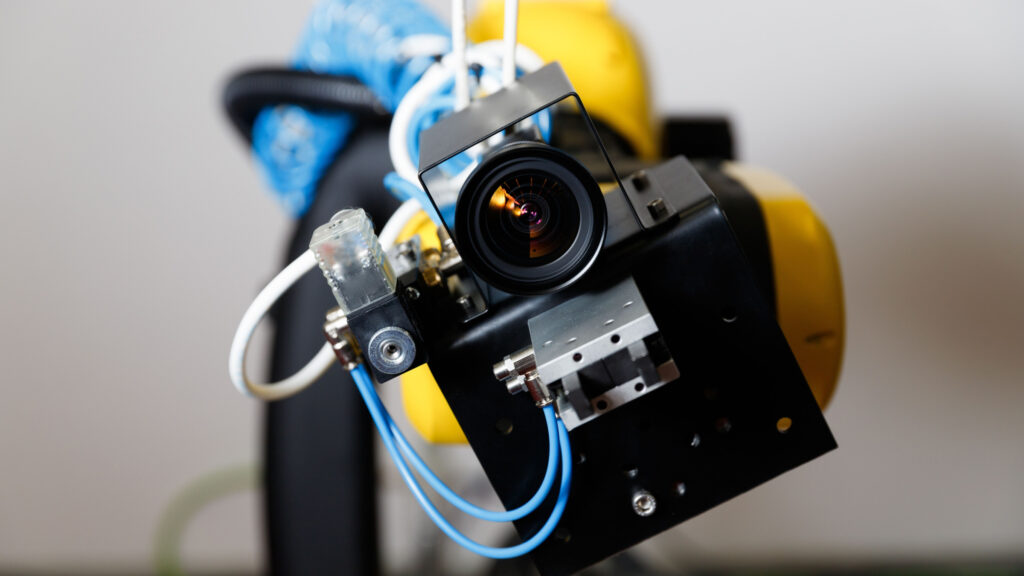
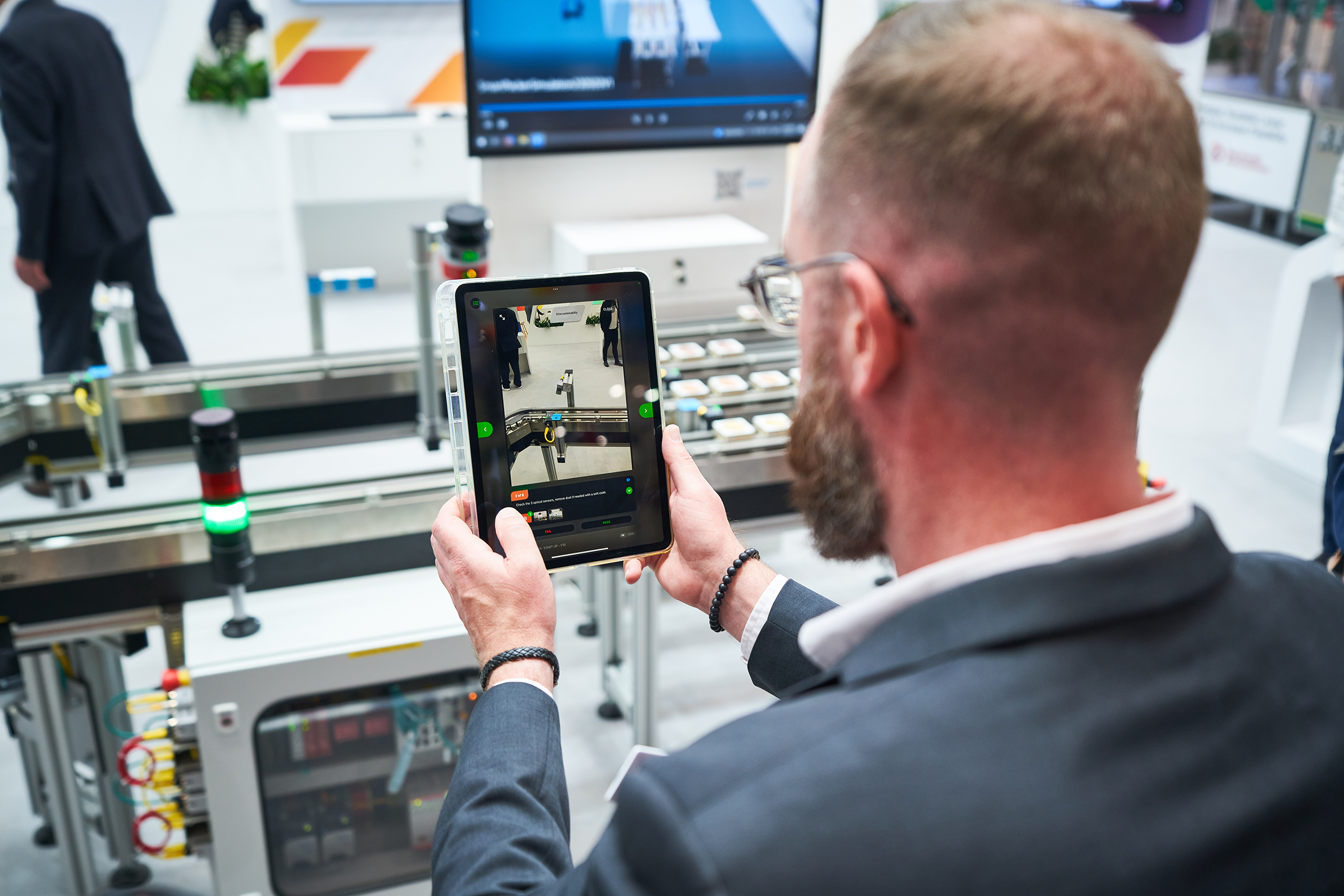
Industrial machine vision systems allow production processes to operate with higher precision, automation and quality control. SEETECH develops machine vision engineering solutions for positioning verification, dimensional control, defect detection, component tracking, process validation, OCR/barcode reading and AI-based visual inspection applications.
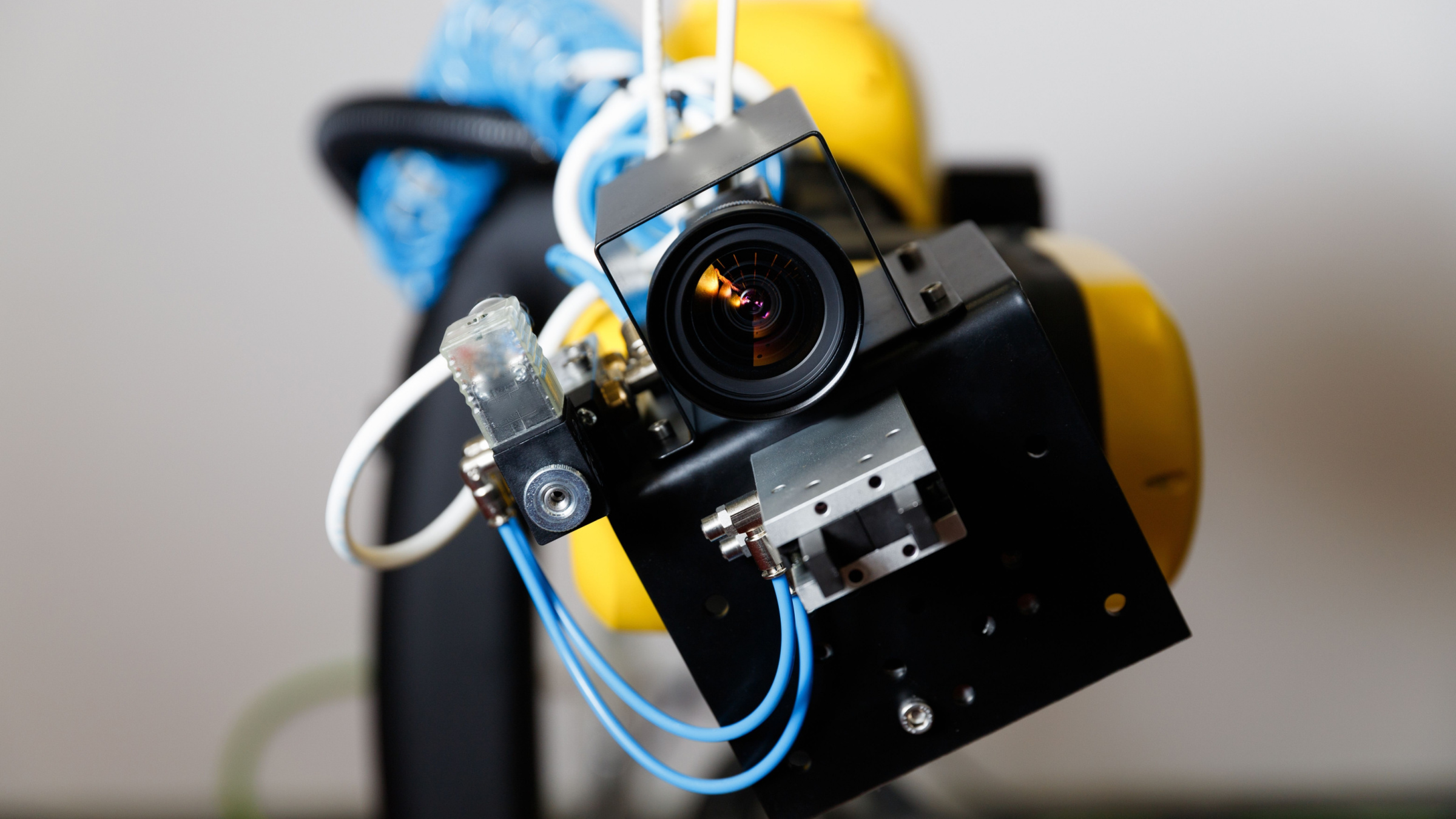
Our machine vision engineering services combine industrial cameras, optical systems, AI image processing and high-speed industrial computing platforms to deliver reliable real-time analysis in production environments.
ROBOTICS & AUTOMATION INTEGRATION
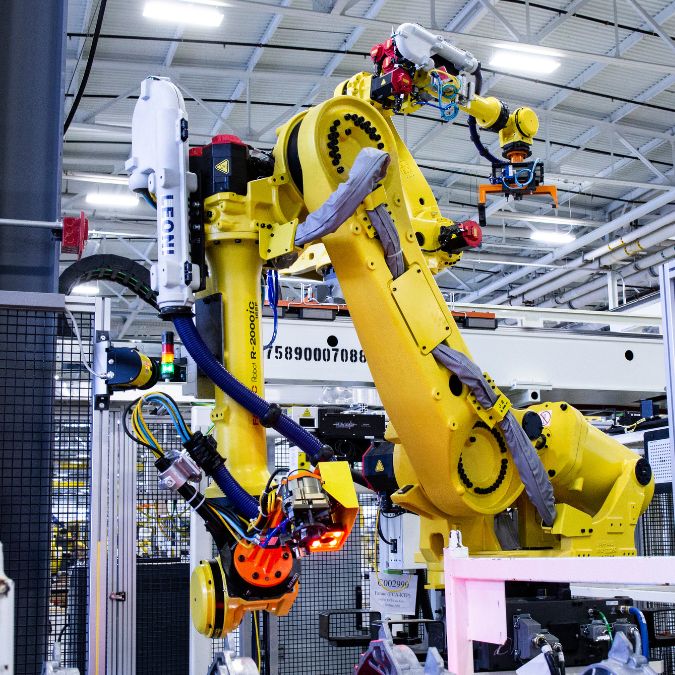
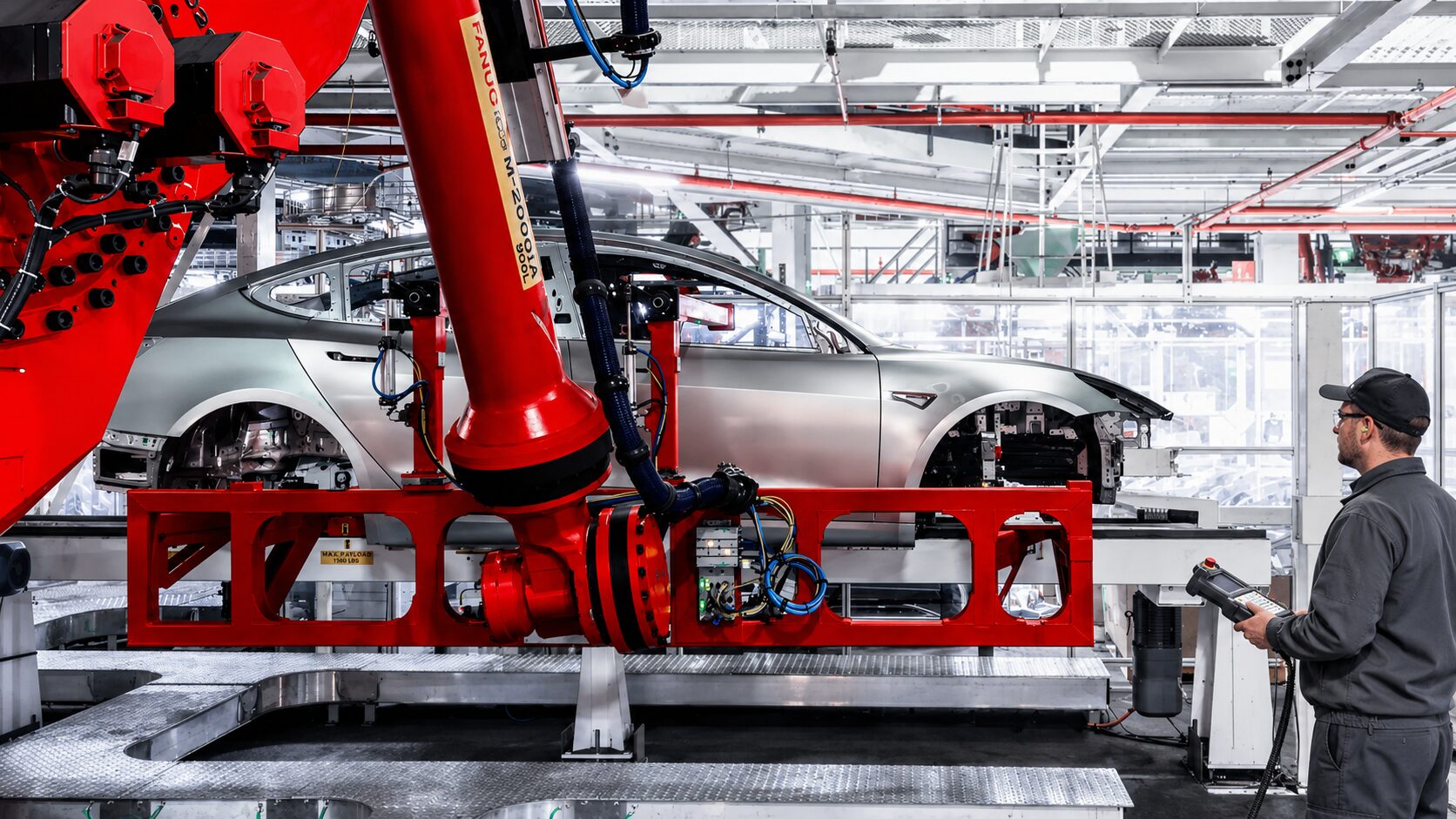
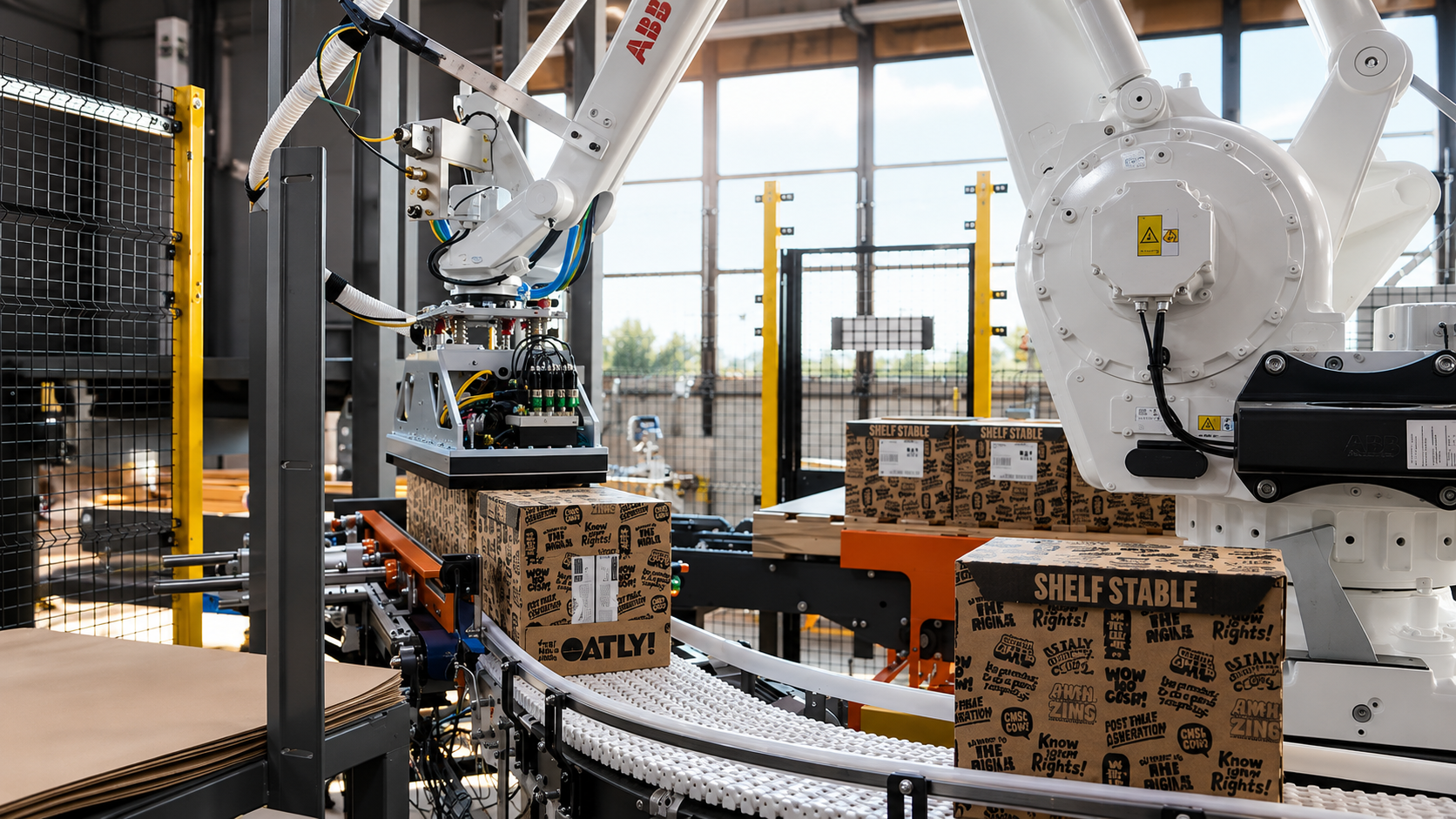
Industrial robotics integration improves production flexibility, operational consistency and manufacturing efficiency. SEETECH integrates robotic systems from KUKA, ABB and Fanuc for industrial automation applications including handling, assembly, welding, inspection, testing and process automation.
Our robotics integration engineering services include industrial robot programming, end-effector design, safety systems integration, industrial communication networks, machine vision guidance and synchronization with upstream and downstream production equipment.
INDUSTRIAL AI & DATA ANALYTICS
Modern factories generate large volumes of production data that can be transformed into operational intelligence through industrial AI engineering. SEETECH provides industrial AI services focused on predictive maintenance, anomaly detection, process optimization, industrial analytics and intelligent monitoring systems.
Our industrial AI algorithms analyze machine performance, sensor data, energy consumption and production variables to identify inefficiencies and detect operational risks before failures occur.
ELECTRICAL POWER DISTRIBUTION
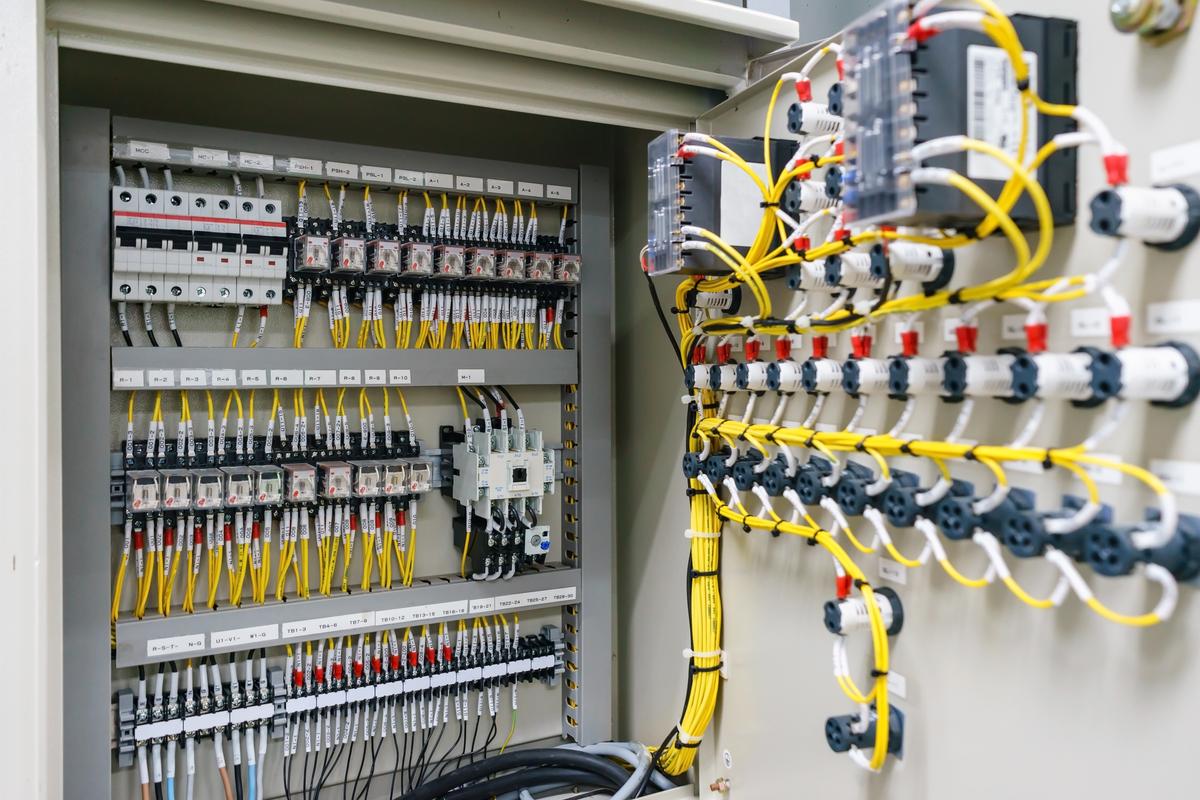
Industrial facilities require stable, safe and scalable electrical power distribution infrastructures capable of supporting complex automation systems and continuous operation. SEETECH develops industrial electrical engineering solutions including power distribution systems, industrial control panels, motor control centres, VFD integration, cable routing, protection systems and complete industrial electrical schematics.
SCADA & INDUSTRIAL DIGITALIZATION
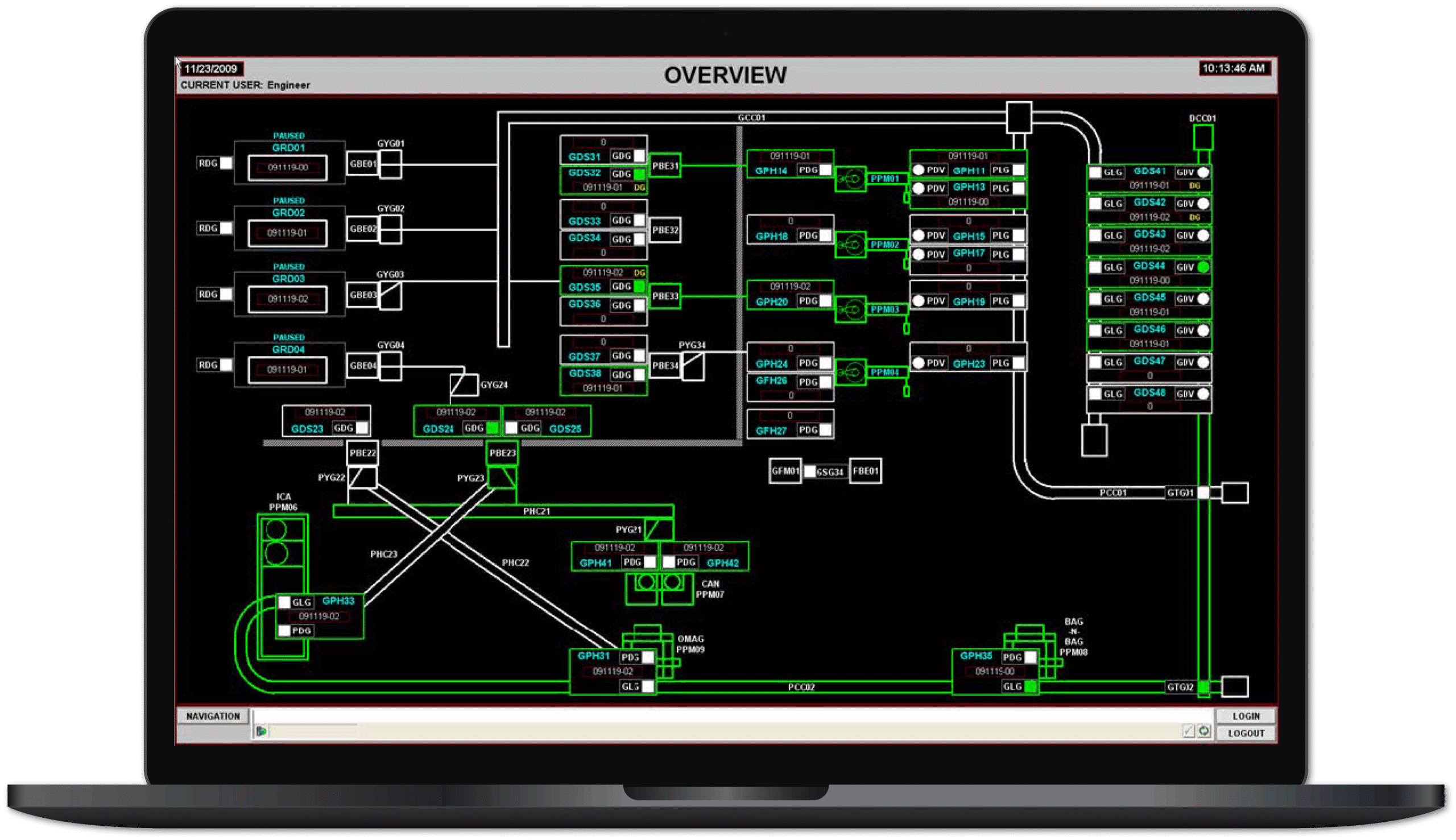
Industrial SCADA platforms provide real-time visibility over machines, production processes, alarms and operational performance. SEETECH develops SCADA engineering and industrial digitalization systems for production monitoring, remote diagnostics, industrial IoT integration and centralized process supervision.
Our SCADA platforms allow operators and plant managers to monitor industrial systems, analyze production data, track downtime and improve operational efficiency from a unified interface.
FUNCTIONAL SAFETY ENGINEERING
Industrial automation systems must operate under strict functional safety requirements to protect operators, equipment and production processes. SEETECH provides functional safety engineering services including risk analysis, safety PLC programming, safety architecture development, emergency stop systems integration, safe motion configuration and industrial safety validation.
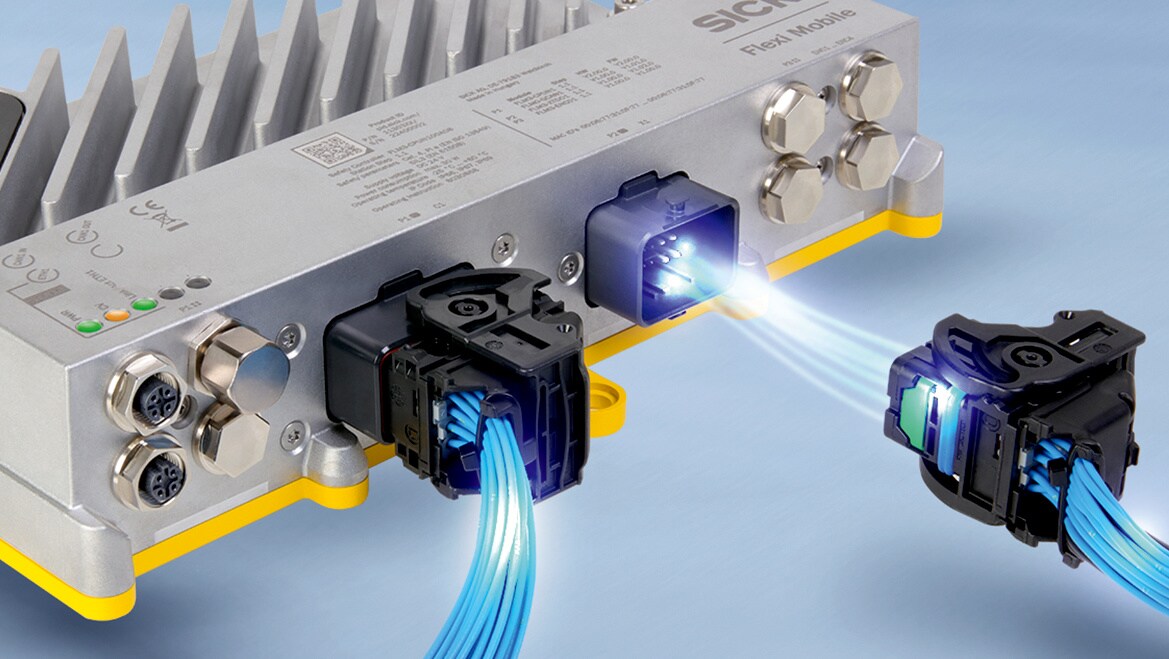
Our functional safety engineering team works with industrial safety platforms from Siemens, Pilz, Sick and other leading manufacturers, while following international functional safety standards.
TURNKEY ENGINEERING
SEETECH provides turnkey engineering services covering complete industrial automation projects from initial system design to installation, commissioning, startup support and long-term technical assistance. Our turnkey engineering approach gives industrial clients a single point of responsibility from concept to production.
Our engineering team manages mechanical integration, electrical installation, automation deployment, industrial networking, production validation and operator training for complex industrial projects.
LET’S DISCUSS YOUR INDUSTRIAL AUTOMATION ENGINEERING PROJECT
Tell us about your production line, automation challenge or engineering scope. Our advanced engineering team will review your requirements and propose the right combination of control systems, robotics, machine vision and electrical engineering for your project.
1. What does industrial control systems engineering include?
Industrial control systems engineering covers the design, programming and integration of the hardware and software that automate machinery and production processes. Typical scope includes PLC programming, HMI development, SCADA integration, motion control, industrial networking, safety circuits and synchronization with upper-level MES platforms — all part of the advanced engineering services SEETECH delivers for industrial automation projects.
A well-designed control architecture must guarantee deterministic real-time behaviour, scalability for future production changes and compliance with applicable safety and electrical standards. Modern systems are increasingly built around IEC 61131-3 compliant platforms to ensure code portability and long-term maintainability.
2. Which PLC platforms and programming languages are used in industrial automation?
The most widely used PLC platforms in European industry are Siemens SIMATIC S7, Beckhoff TwinCAT, Rockwell ControlLogix and Schneider Modicon. Each manufacturer offers its own engineering environment, but all support the standardized programming languages defined by IEC 61131-3: Ladder Diagram (LD), Structured Text (ST), Function Block Diagram (FBD), Sequential Function Chart (SFC) and Instruction List (IL). SEETECH’s advanced engineering services cover all of these platforms across multi-vendor production environments.
Language choice depends on the application: Ladder remains common for discrete logic and maintenance accessibility, while Structured Text is preferred for complex algorithms, data handling and motion sequences. Vendor-neutral best practices and certification programmes are maintained by the International Society of Automation, whose standards inform much of the engineering work in modern control system projects.
3. What is OPC-UA and why is it important in modern factories?
OPC-UA (Open Platform Communications Unified Architecture) is an industrial communication standard that allows machines, PLCs, SCADA systems, MES and cloud platforms to exchange data securely and independently of the manufacturer. It defines both the transport layer and an information model, making it possible to describe equipment and data semantically rather than as raw tag lists.
OPC-UA is one of the key enablers of Industry 4.0 architectures and is actively developed by the OPC Foundation. SEETECH builds OPC-UA connectivity into its SCADA and digitalization advanced engineering services to ensure shop-floor equipment can be integrated with plant IT systems without compromising cybersecurity.
4. What is the difference between traditional machine vision and AI-based inspection?
Traditional machine vision relies on deterministic algorithms — pattern matching, edge detection, thresholding, blob analysis — configured by an engineer based on known geometric or photometric features. It is fast, repeatable and well suited to controlled environments where parts and lighting are consistent.
AI-based inspection uses deep learning models trained on labelled image datasets to recognize defects, classify parts or detect anomalies that are difficult to define with explicit rules. It excels at variable surfaces, organic textures and cosmetic defects, but requires representative training data and validation. Modern industrial vision systems often combine both approaches in a single inspection pipeline — an architecture that sits at the heart of SEETECH’s machine vision advanced engineering services.
5. Which industrial robot brands does SEETECH integrate?
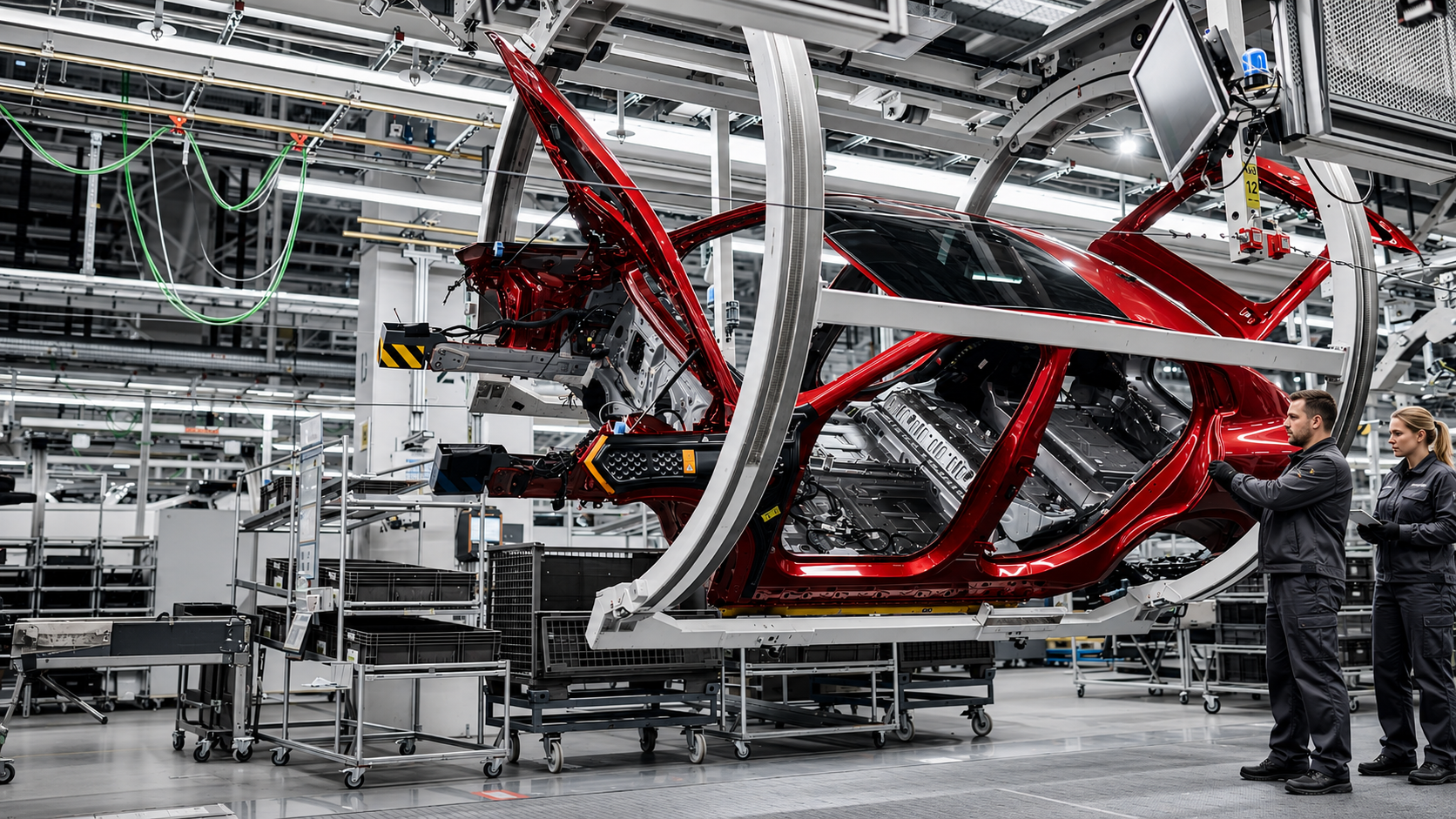
SEETECH integrates industrial robotics platforms from the three leading global manufacturers: KUKA, ABB and Fanuc. Each brand has strengths in specific application areas — KUKA in heavy-payload and automotive body-shop applications, ABB in process automation and palletizing, Fanuc in high-speed handling and CNC integration. The International Federation of Robotics publishes annual data on global robot deployments that confirms these three vendors’ dominance across discrete manufacturing.
Our robotics advanced engineering services include robot programming, end-effector design, safety system configuration, machine vision guidance and synchronization with conveyors, presses or testing stations. All installations are designed to meet the safety requirements applicable to the target market and production environment.
6. What safety standards apply to industrial robot installations?
Industrial robot installations in Europe must comply with the Machinery Directive and the harmonized standards ISO 10218-1 and ISO 10218-2, which cover safety requirements for the robot itself and for its integration into a complete robotic system. Collaborative applications — where humans and robots share a workspace without physical separation — must additionally meet the requirements of ISO/TS 15066.
Compliance typically involves risk assessment, safety-rated monitored stop functions, speed and separation monitoring, power and force limiting where applicable, and validated safety circuits compliant with ISO 13849. SEETECH carries out the full functional safety integration — using safety platforms from Siemens, Pilz and Sick — as part of every robotic cell or production line project.
7. How can industrial AI improve predictive maintenance?
Industrial AI improves predictive maintenance by analysing sensor data — vibration, temperature, current consumption, acoustic signatures — to detect deviations from normal operating patterns before they result in failure. Unlike scheduled maintenance, which intervenes at fixed intervals regardless of equipment condition, predictive approaches act only when data indicates degradation, reducing both downtime and unnecessary maintenance work.
Effective implementations combine domain knowledge of the equipment with machine learning models trained on historical operational data. The result is typically a measurable reduction in unplanned downtime and an extension of component lifetime, and is increasingly recognized as a core element of smart manufacturing strategies. SEETECH delivers these capabilities through its industrial AI and data analytics advanced engineering services.
8. What role does machine vision play in production line quality control?
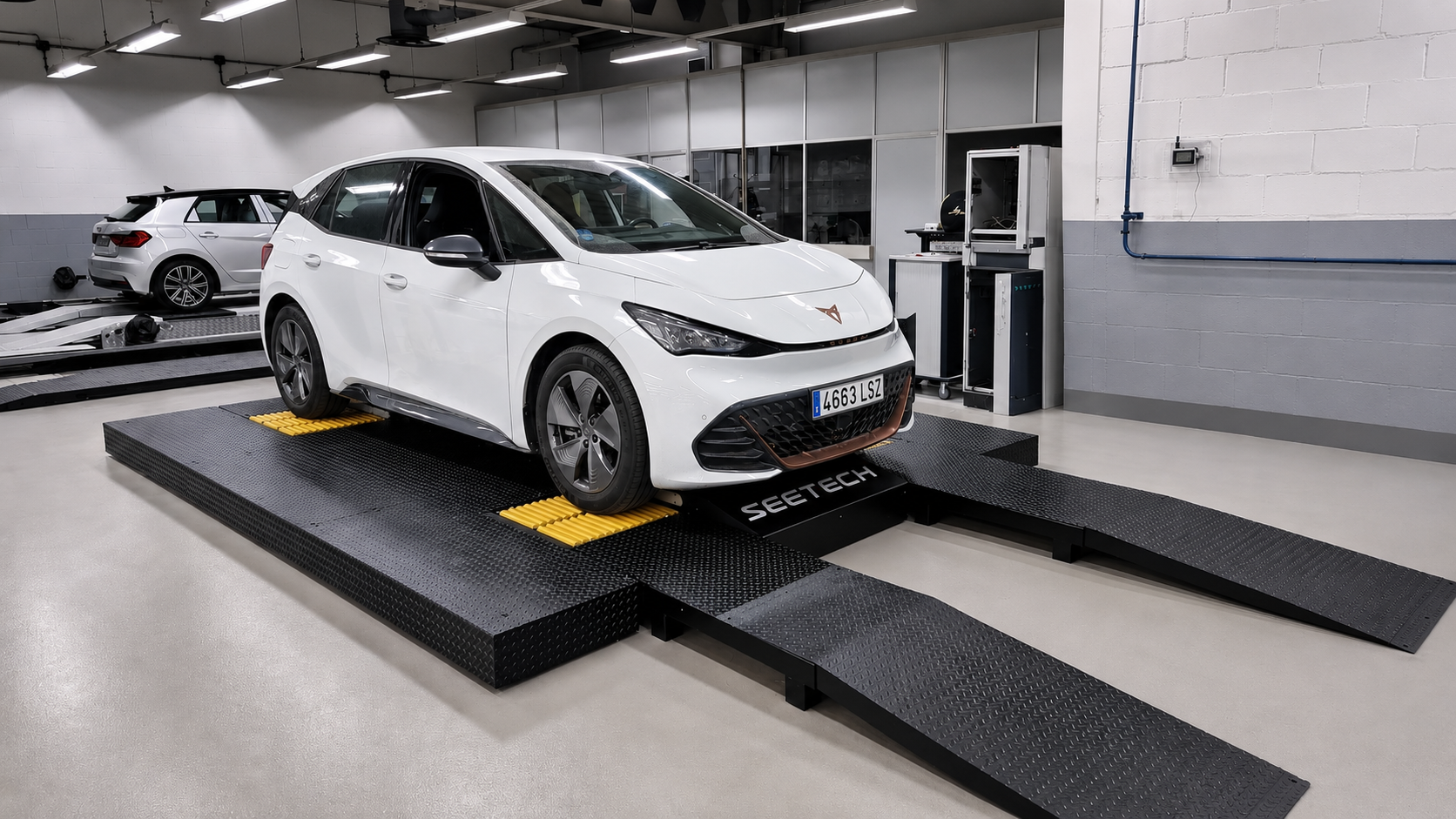
Machine vision is used in production lines to perform dimensional measurement, surface defect detection, presence and orientation verification, character and barcode reading, and assembly validation. It operates continuously, without fatigue, and at speeds well beyond what manual inspection can achieve, making it suitable for 100% inspection in high-volume manufacturing.
Modern vision systems can be configured for in-line inspection at production speed or for slower, more detailed end-of-line verification, following the integration and interoperability practices promoted by the Association for Advancing Automation. Results are linked to product or vehicle identifiers and stored as part of the quality traceability record, supporting both real-time process control and long-term root-cause analysis.
9. What standards apply to industrial electrical panel design?
Electrical panels for industrial machinery in Europe are designed in accordance with IEC 60204-1, which defines requirements for the electrical equipment of machines, including supply disconnection, protection against electric shock, conductor selection, control circuits, wiring practices and identification. Panels destined for the North American market additionally follow UL 508A.
Compliant panel design requires correct selection of protective devices, coordination of short-circuit current ratings, proper segregation of power and control wiring, adequate thermal management and clear documentation. SEETECH delivers electrical panels engineered to the relevant standards for each target market as part of its turnkey advanced engineering services, with complete schematics, bills of materials and acceptance documentation.
10. What is a VFD and how is it used in industrial motor control?
A variable frequency drive (VFD) is a power electronics device that controls the speed and torque of an AC motor by varying the frequency and voltage of its electrical supply. VFDs replace older methods such as fixed-speed motors with mechanical throttling, and allow precise control over conveyors, pumps, fans, spindles and machine axes.
Beyond speed regulation, VFDs reduce mechanical stress on driven equipment through controlled acceleration and deceleration, and significantly lower energy consumption in variable-load applications such as pump and fan systems. As part of its electrical and motor control advanced engineering services, SEETECH integrates VFDs from leading manufacturers including Siemens, ABB and Schneider into complete motor control centres and automation panels.