CUSTOM MACHINE DESIGN FOR INDUSTRIAL PRODUCTION
When standard equipment does not fit your process, custom machine design becomes the only serious option. Our custom engineering solutions are developed around your production requirements, available space, cycle time, operator workflow and quality targets. From concept and mechanical design to manufacturing, controls and commissioning, we build industrial equipment that is made for the way your factory actually works.
This approach is ideal for automotive, assembly, testing, calibration, packaging and precision manufacturing lines that need reliable, production-ready machines.
INDUSTRIAL AUTOMATION ENGINEERING
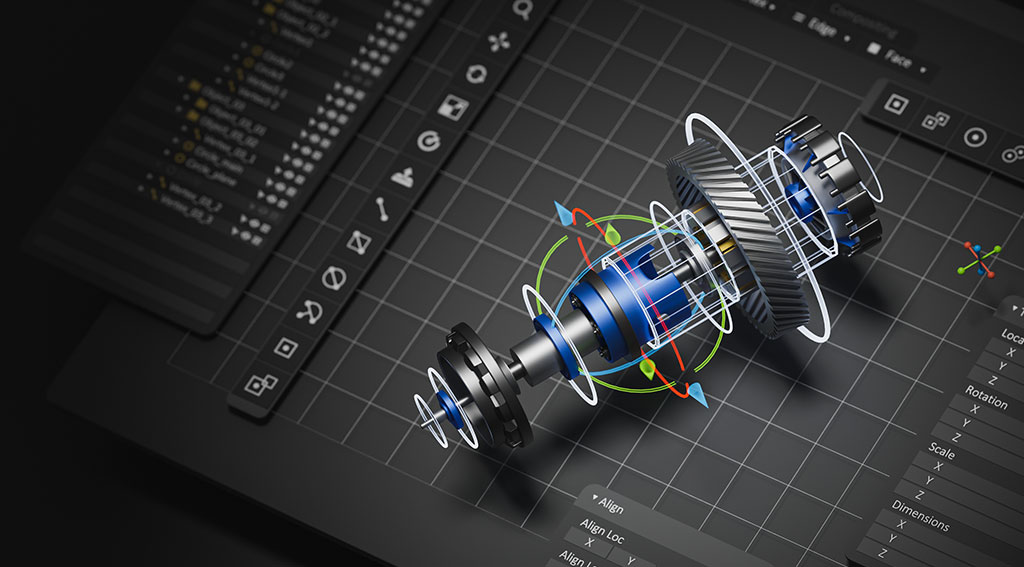
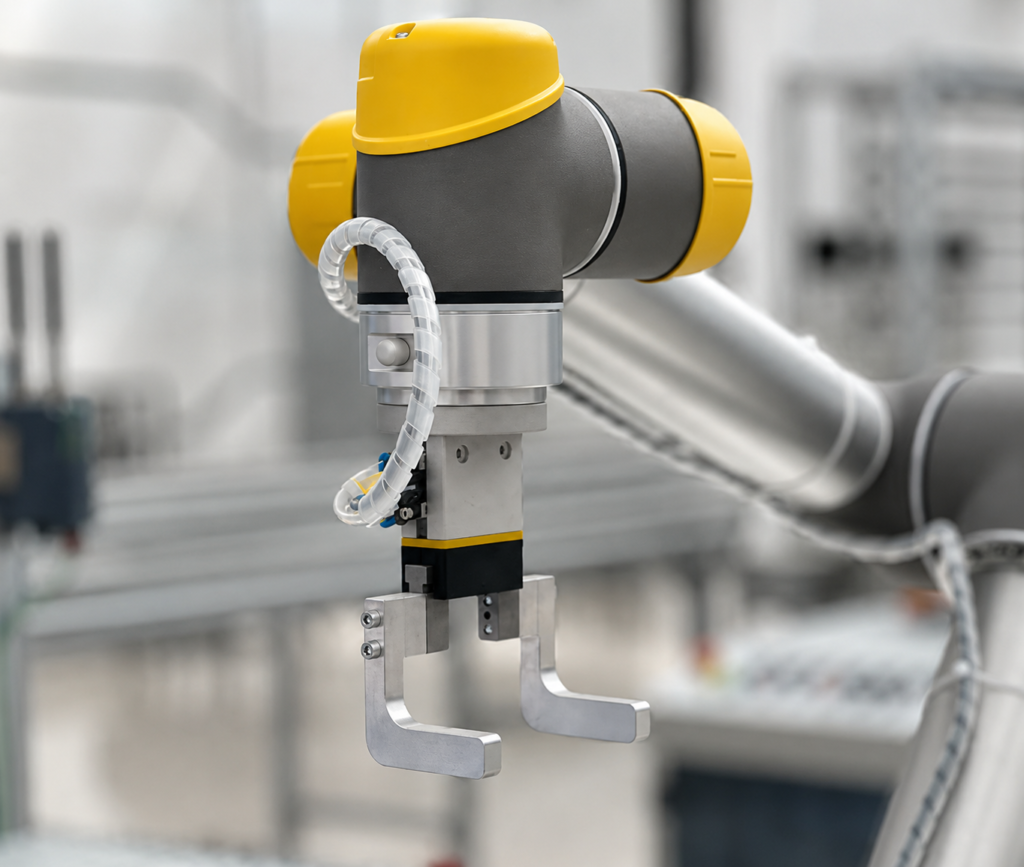
Manufacturers look for industrial automation engineering when they need to reduce manual work, improve repeatability and increase production capacity.
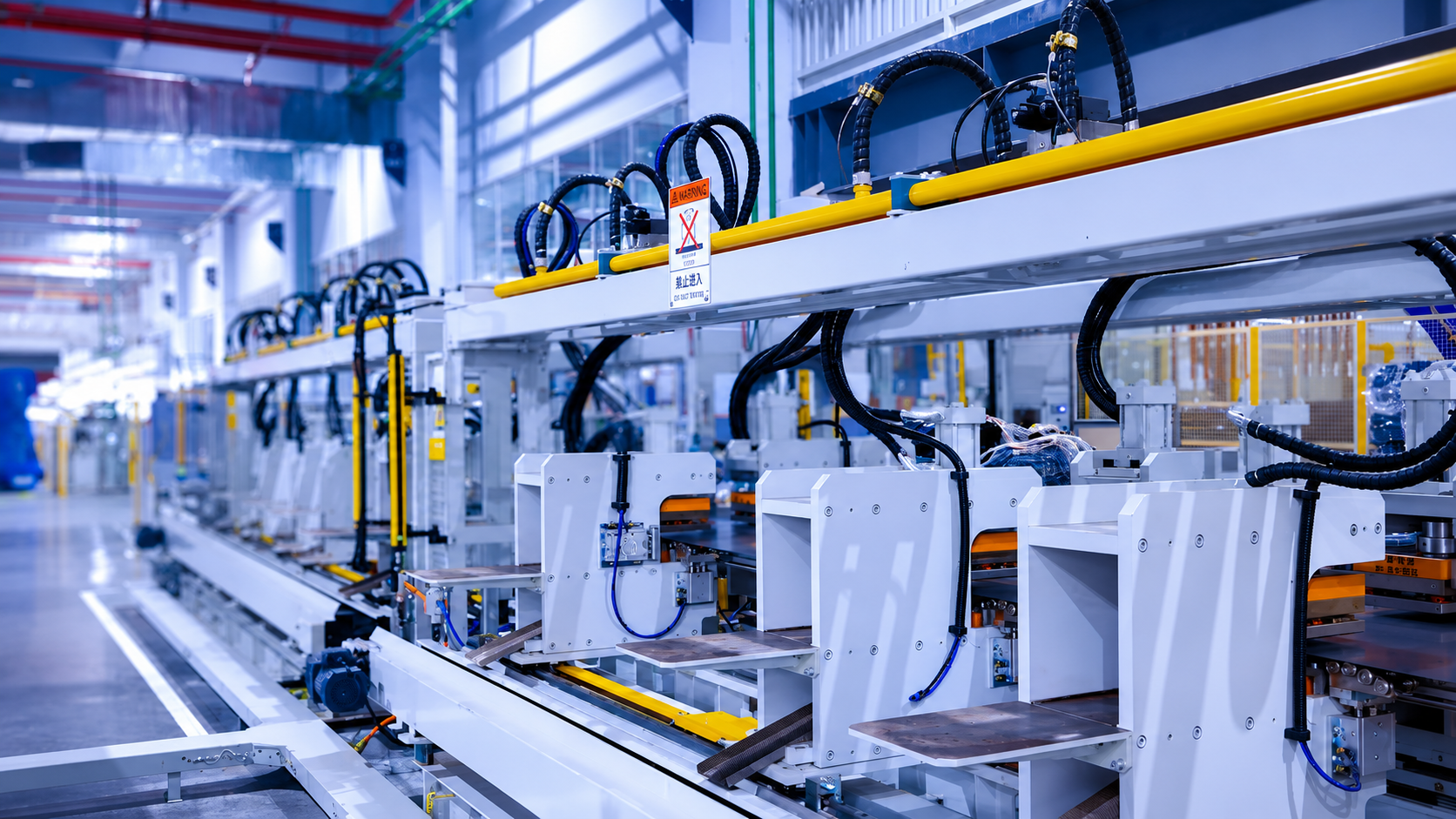
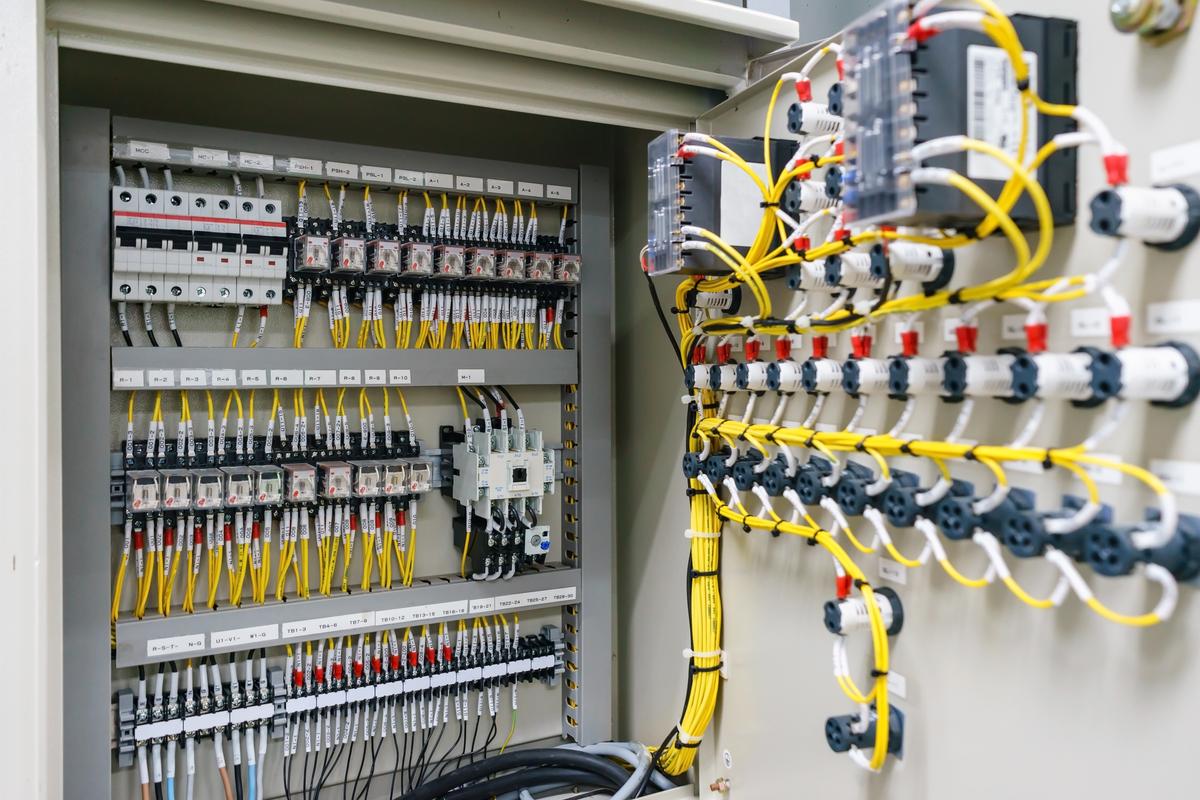
We design and integrate automation systems using mechanical engineering, electrical design, PLC controls, HMIs, sensors, robotics and safety systems.
Our custom engineering solutions are built to connect with your existing process instead of forcing your factory to adapt to a generic machine.
The result is a controlled, scalable and maintainable production system designed for real industrial conditions.
ROBOTIC INTEGRATION AND HANDLING SYSTEMS
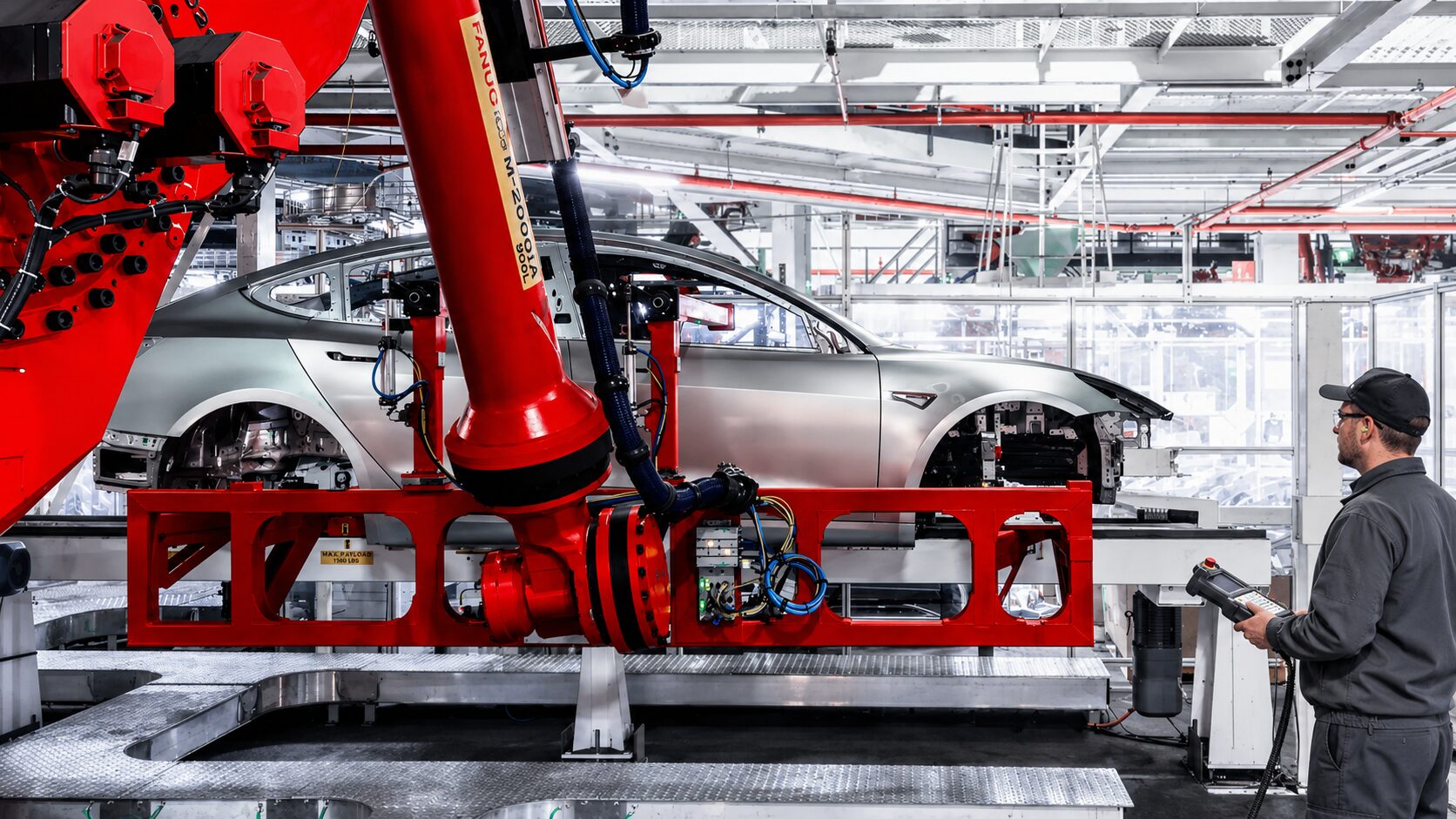
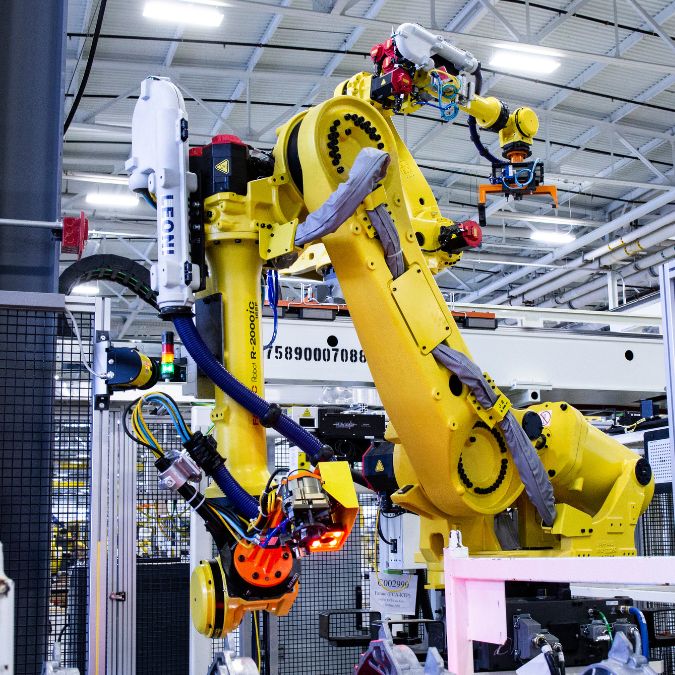
Robotics is one of the most requested areas in custom machine design because factories need faster, safer and more consistent handling of parts.
We develop robotic systems for loading, unloading, positioning, assembly assistance, inspection support and repetitive production tasks.
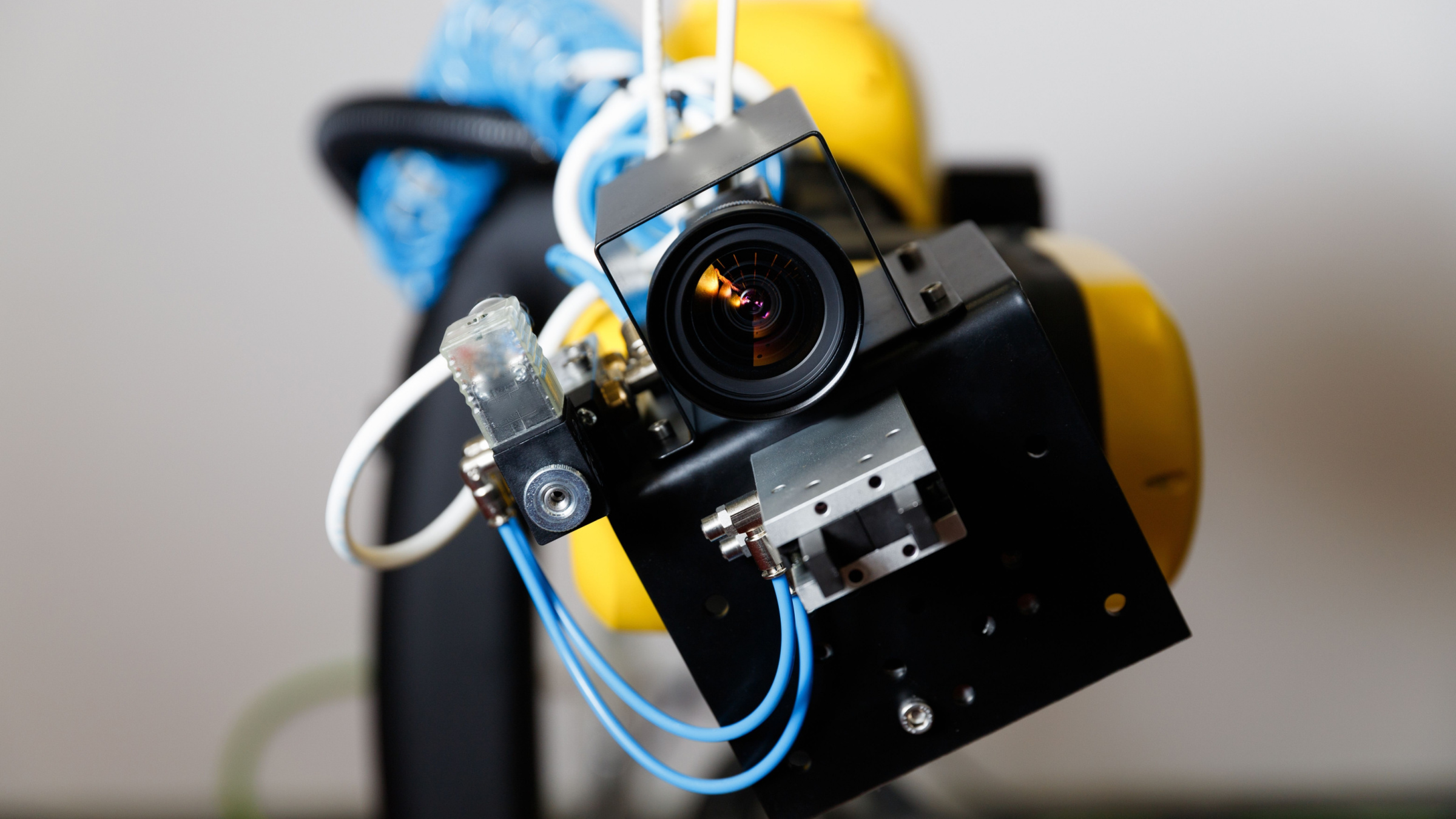
Through industrial automation engineering, robots can be combined with vision systems, fixtures, sensors and custom tooling to work as a complete production cell.
These systems help reduce operator dependency, improve process stability and support higher-volume manufacturing.
MACHINE VISION, INSPECTION AND QUALITY CONTROL
Industrial buyers increasingly look for custom engineering solutions that include automated inspection, traceability and quality control.
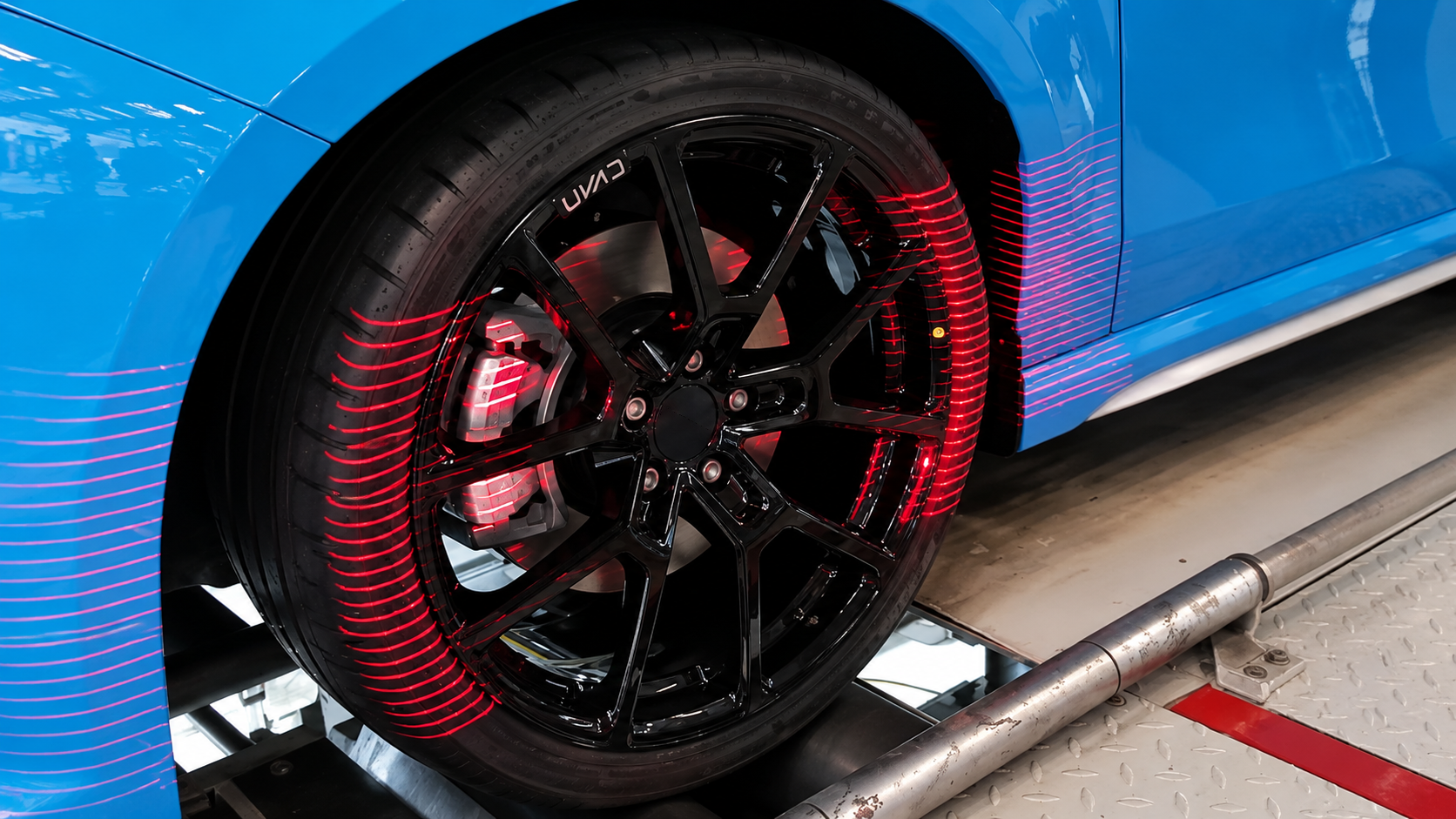
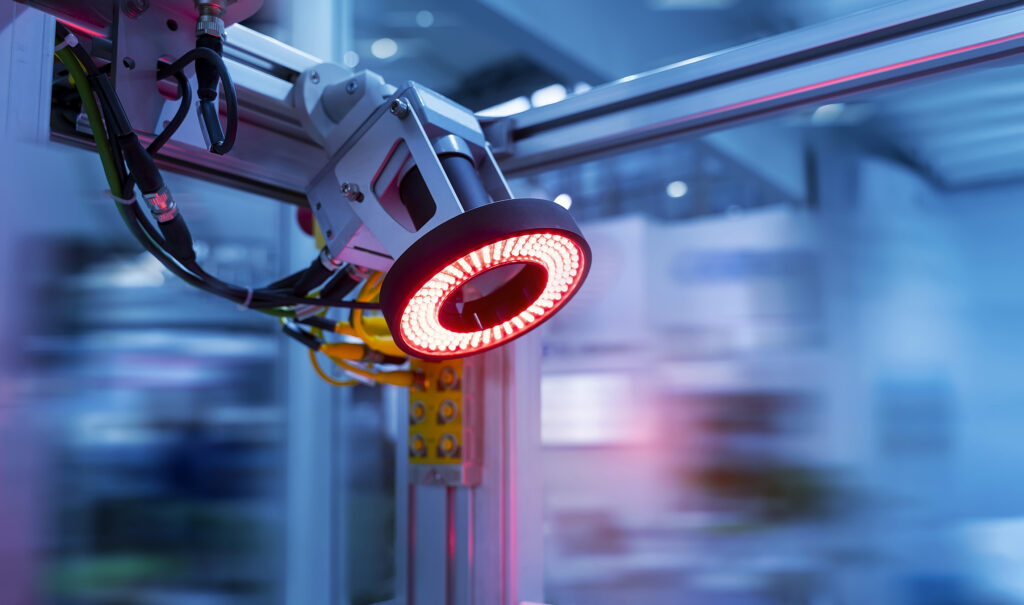
Machine vision systems can verify dimensions, detect defects, check assembly presence, read codes, guide robots and validate process results.
When combined with industrial automation engineering, cameras, lighting, sensors and software become part of a reliable production control system.
This is especially valuable for automotive, electronics, medical, packaging and high-precision manufacturing where manual inspection is slow, inconsistent or impossible at scale.
INDUSTRIAL TEST SYSTEMS, CALIBRATION AND RETROFITS
Manufacturers need production equipment that can test, measure and validate every critical process before a part leaves the line.
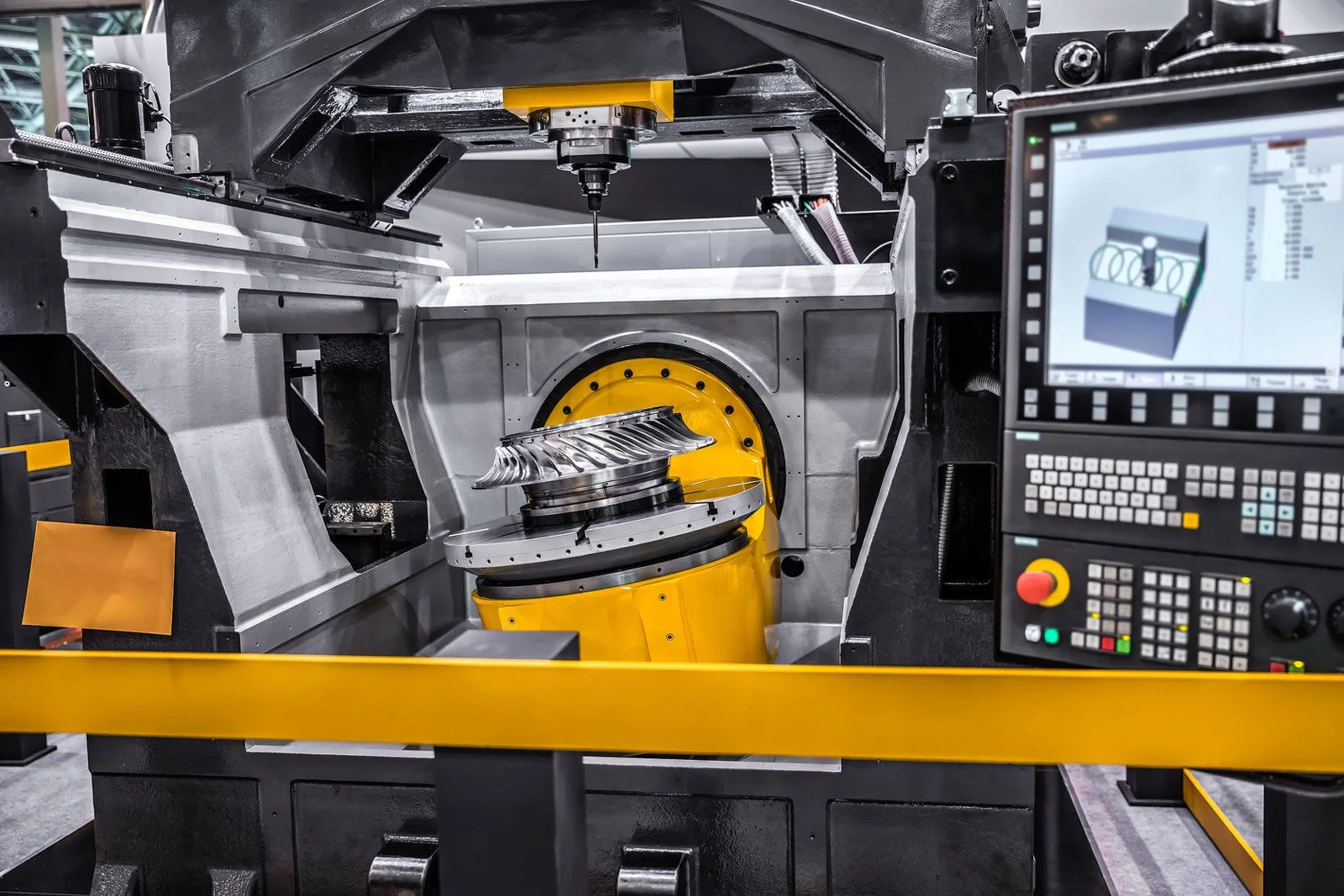
We develop custom machine design for end-of-line test benches, calibration stations, functional testing equipment, measurement systems and production retrofits. Through industrial automation engineering, existing machines can be upgraded with new PLC controls, sensors, safety systems, data acquisition, traceability and operator interfaces.
Our custom engineering solutions help factories extend machine life, improve accuracy, reduce downtime and bring older equipment up to modern production standards without replacing the entire installation.
let’s DISCUSS YOUR custom engineering PROJECT
Tell us about your factory, process, or automation challenge. Our engineering team will review your requirements and propose the right solution.
1. What are custom engineering solutions for industrial production?
Custom engineering solutions are machines, systems and production equipment designed specifically around the requirements of a factory process.
Instead of using standard equipment that may not fit the production line, a custom solution is developed around the product, available space, cycle time, operator workflow, quality targets and integration requirements.
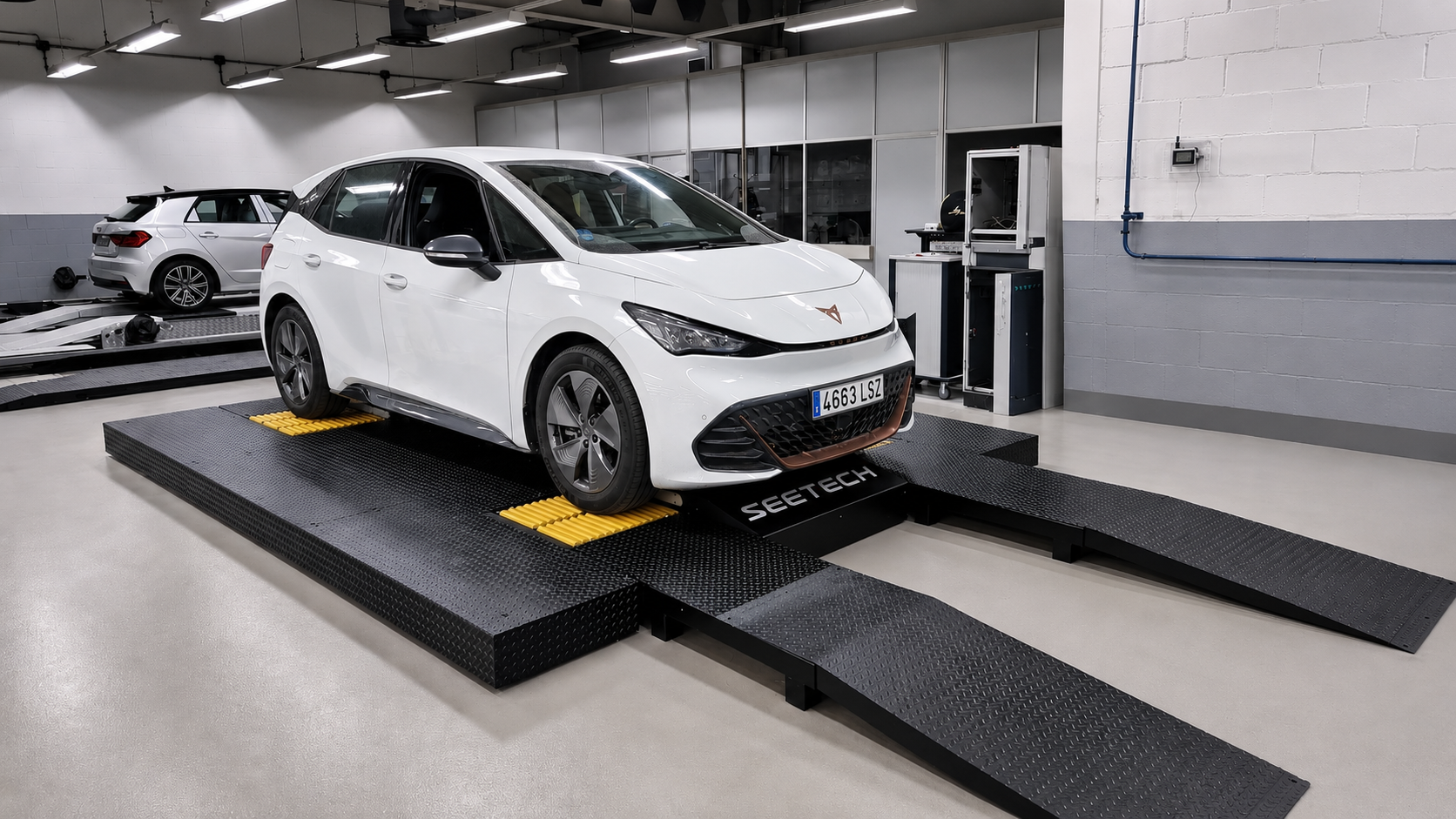
SEETECH designs and manufactures custom industrial machinery for automotive assembly plants and precision manufacturing environments, including testing systems, calibration stations, automation cells, robotic systems and machine vision equipment.
2. When does a factory need custom machine design?
A factory needs custom machine design when standard equipment cannot meet the technical, dimensional, production or quality requirements of the process.
This is common in automotive production, end-of-line testing, calibration, inspection, robotic handling and precision assembly, where the machine must be adapted to the product and not the other way around.
Custom machine design allows manufacturers to improve repeatability, reduce manual work, control quality and integrate the machine correctly into the existing production line.
3. What is an ADAS calibration station?
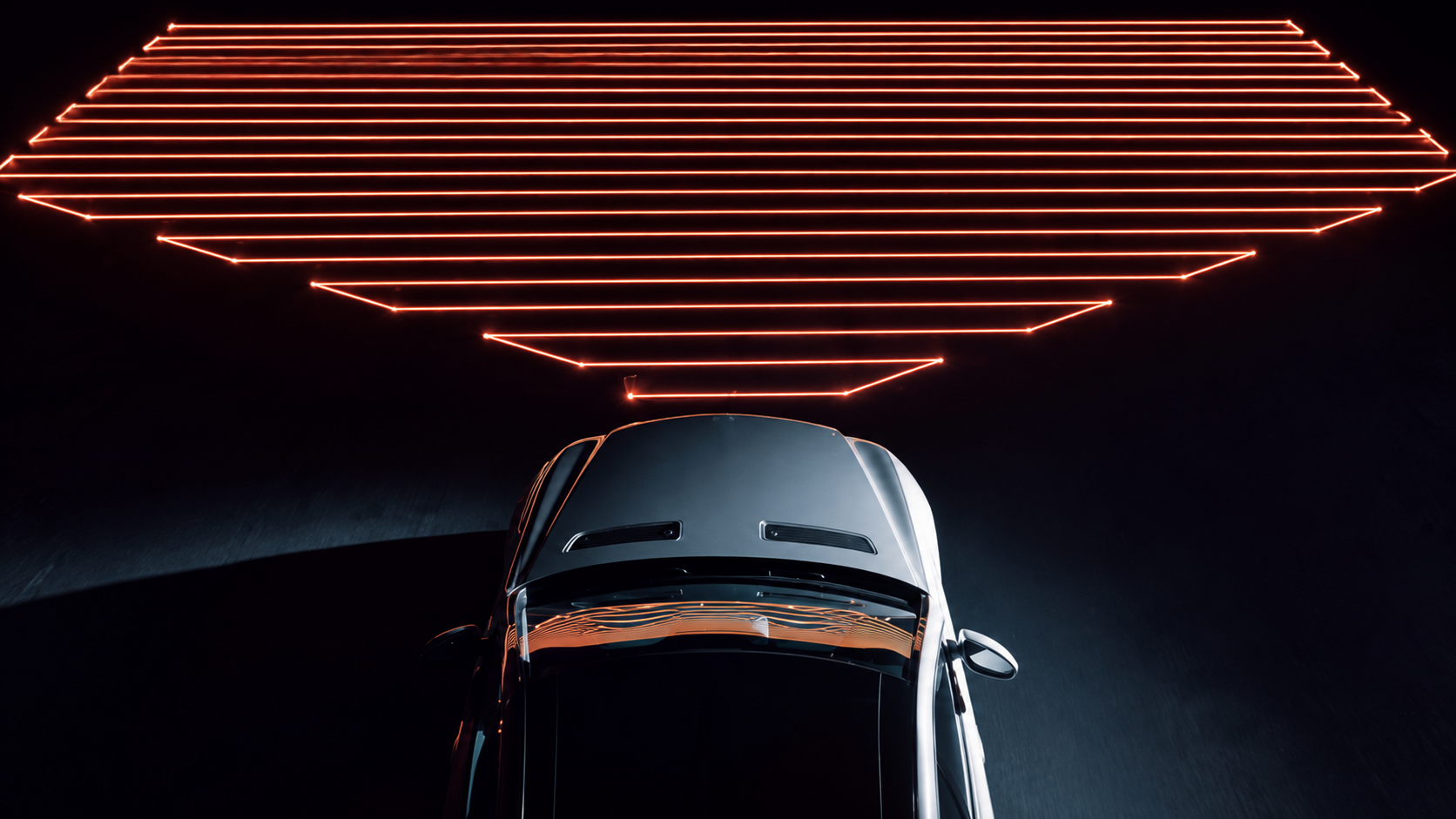
An ADAS calibration station is an industrial system used to calibrate and validate advanced driver assistance systems such as cameras, radar sensors and other vehicle perception systems.
These stations can include calibration targets, vehicle positioning systems, alignment references, sensors, cameras, PLC controls, operator interfaces and traceability software.
SEETECH develops ADAS calibration stations for automotive production environments where repeatability, accuracy and controlled procedures are critical.
4. Why are headlamp aiming machines important in automotive manufacturing?
Headlamp aiming machines are used to adjust and verify the position of vehicle headlights during production.
Correct headlamp alignment is important for visibility, vehicle quality and compliance with lighting requirements. Manual adjustment can be inconsistent, especially in high-volume production environments.
SEETECH manufactures headlamp aiming machines that can integrate optical measurement, automatic positioning, machine vision, PLC control, HMI operation and production data logging.
5. How does machine vision improve industrial inspection?
Machine vision systems use industrial cameras, lighting, optics and software to inspect parts and processes automatically.
These systems can detect missing components, incorrect assemblies, surface defects, dimensional problems, code reading errors and positioning deviations in real time.
SEETECH integrates machine vision into production equipment, robotic cells, calibration stations and end-of-line test systems to improve quality control and reduce dependence on manual inspection.
6. What types of robotic integration can be used in factories?
Robotic integration can be used for loading, unloading, handling, positioning, assembly assistance, inspection support, machine tending and repetitive production tasks.
A complete robotic system can include industrial robots, custom tooling, fixtures, conveyors, sensors, machine vision, safety systems and PLC controls.
SEETECH develops robotic cells around the real production process, focusing on cycle time, safety, repeatability, maintainability and integration with existing factory equipment.
7. What is an end-of-line test bench?
An end-of-line test bench is a system used to verify that a product, component or vehicle performs correctly before it leaves the production line.
Depending on the application, a test bench can measure torque, speed, force, position, electrical behaviour, functional performance, calibration values and safety-related parameters.
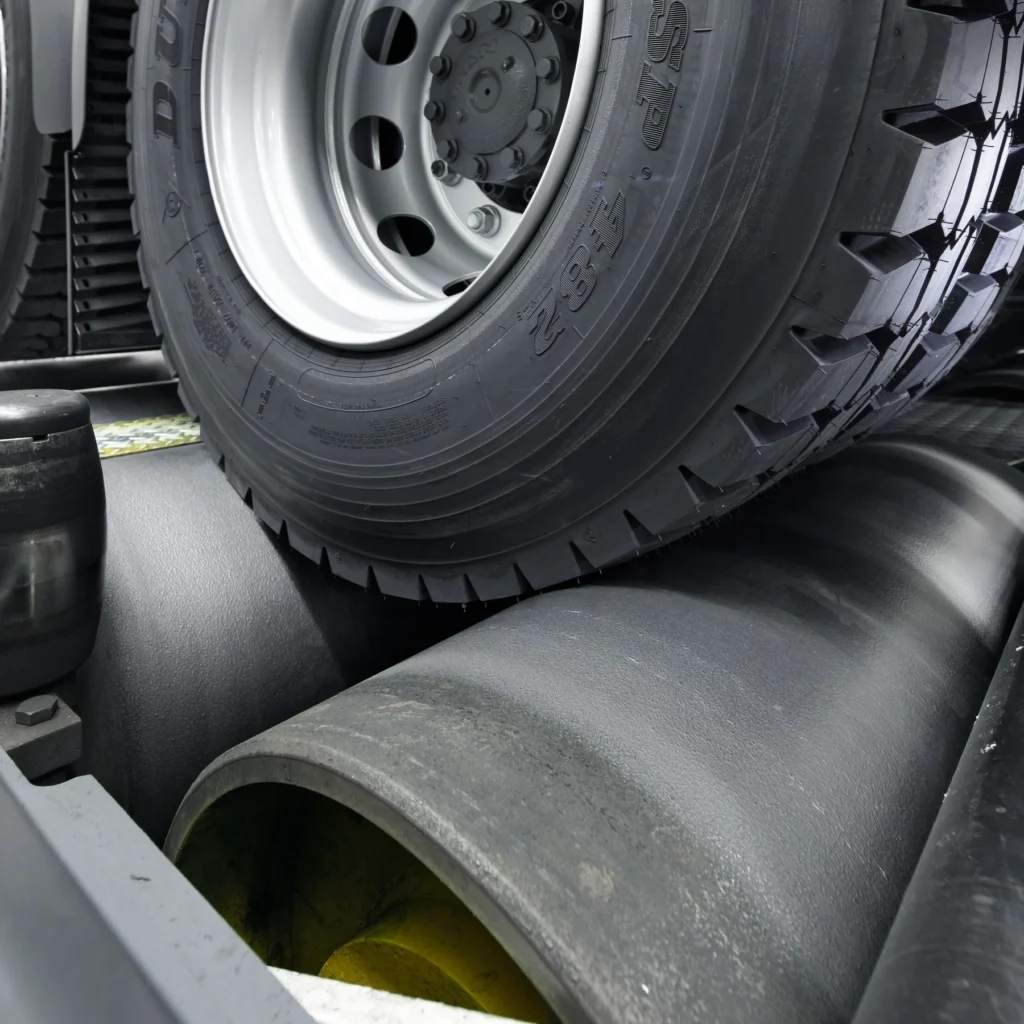
SEETECH designs and manufactures custom test benches, all-wheel dynamometers, power benches and validation systems for automotive and industrial production environments.
8. Can existing machines be upgraded instead of replaced?
Yes. In many cases, existing machines can be upgraded through an industrial retrofit instead of being fully replaced.
A retrofit can include PLC upgrades, HMI modernization, new sensors, actuator replacement, electrical cabinet redesign, safety upgrades, machine vision integration, data acquisition and traceability systems.
SEETECH develops retrofits for production machines, test benches, calibration systems and automation equipment to improve reliability, usability, safety and production performance.
9. What production data can be used for industrial monitoring?
Industrial monitoring systems can collect and analyze data from machines, sensors, PLCs, cameras, test benches and production databases.
Typical data includes cycle times, alarms, machine states, temperature, vibration, energy consumption, test results, calibration values, inspection images and operator actions.
By using this data correctly, manufacturers can detect process deviations, improve traceability, support predictive maintenance and make better decisions about production performance.
10. How long does it take to develop a custom industrial machine?
The development time depends on the complexity of the machine, the technical requirements, the production environment and the level of integration needed.
A simple retrofit or inspection station may take less time, while a complete automation cell, ADAS calibration station, all-wheel dynamometer or custom test bench requires engineering, manufacturing, software development, assembly, validation and commissioning.
A typical custom engineering project includes concept design, mechanical design, electrical design, PLC and HMI programming, manufacturing, installation, calibration, operator training and production support.