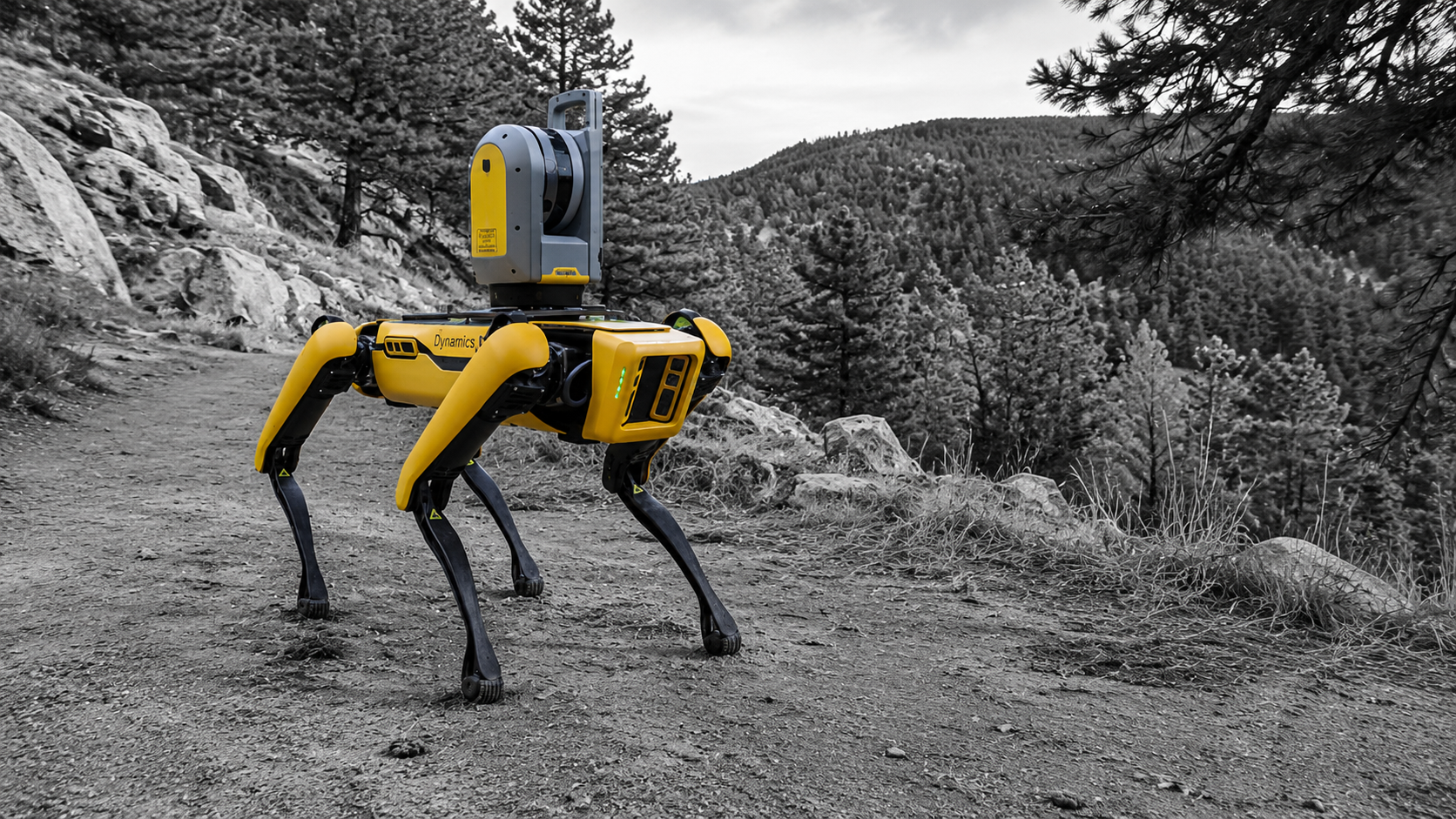
MACHINE COMMISSIONING FOR PRODUCTION EQUIPMENT
Correct machine commissioning is the difference between equipment that only works in theory and equipment that performs reliably in production.
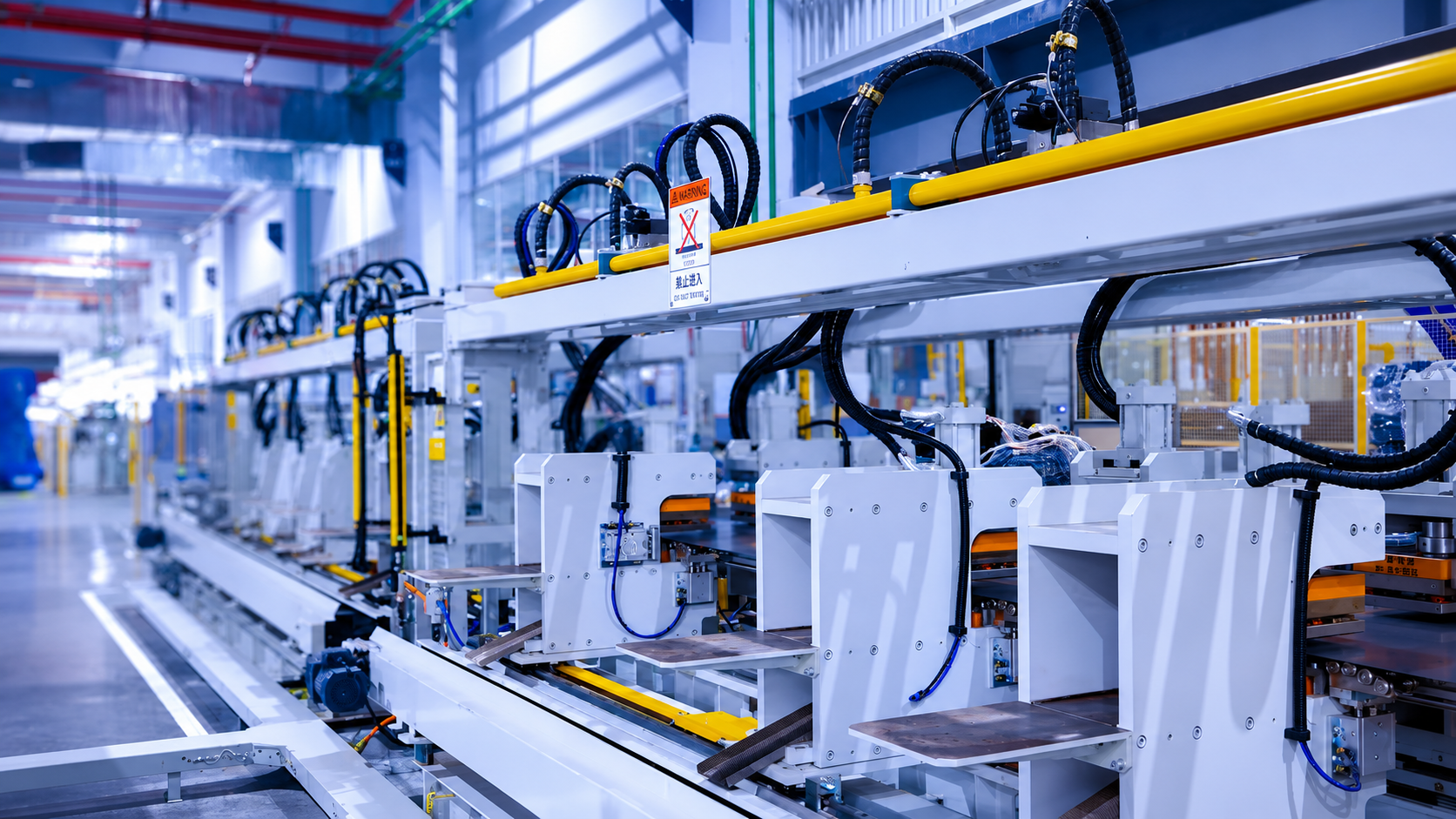
Our industrial commissioning services cover mechanical checks, electrical verification, pneumatic systems, safety devices, sensors, actuators, PLC logic and operator interfaces.
Before a machine is released for production, we verify that every subsystem works correctly and that the equipment meets the required cycle time, accuracy and safety conditions.
This process helps manufacturers reduce start-up problems, avoid production delays and bring new equipment into operation with confidence.
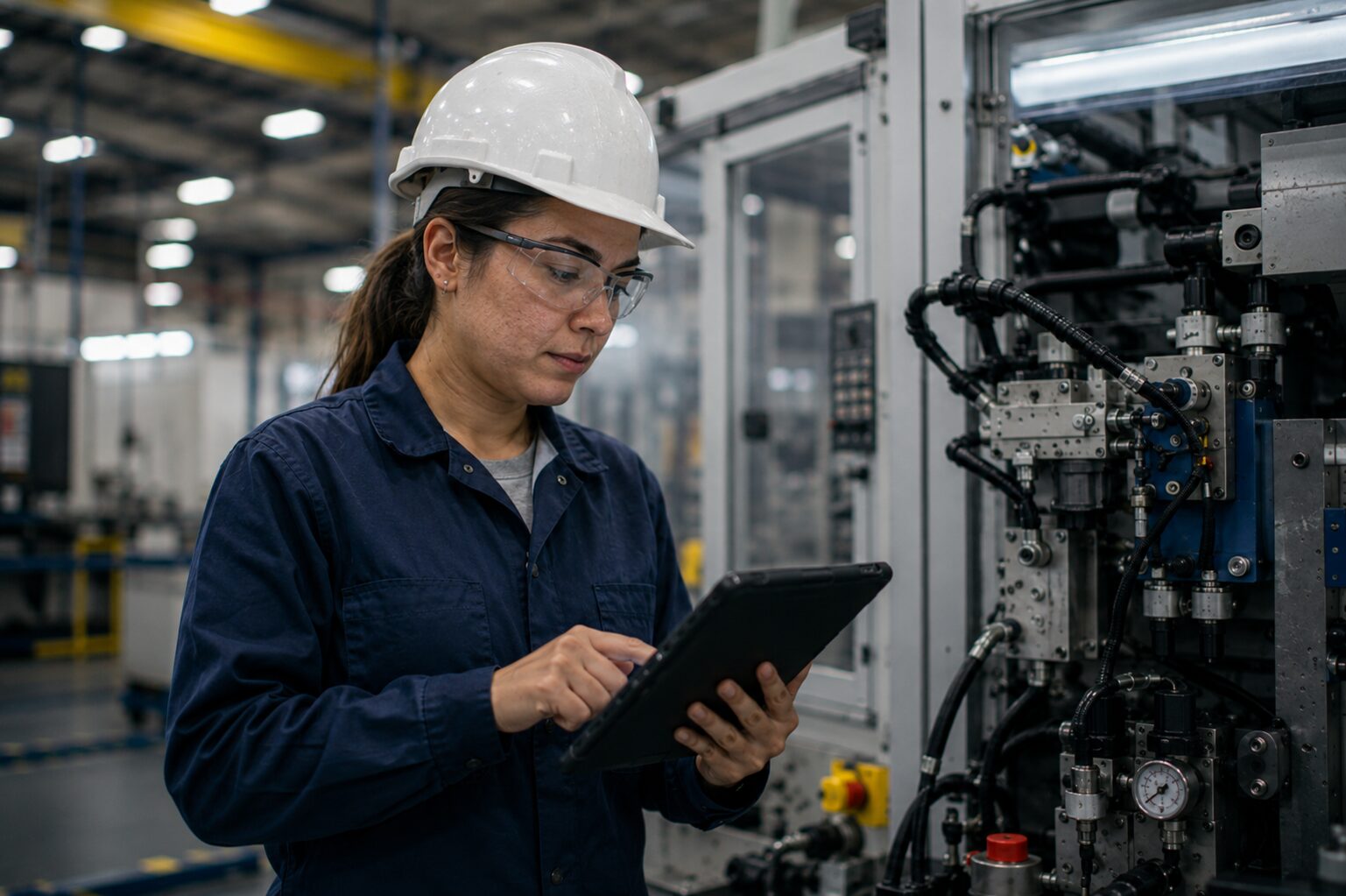

AUTOMATION COMMISSIONING AND PLC START-UP
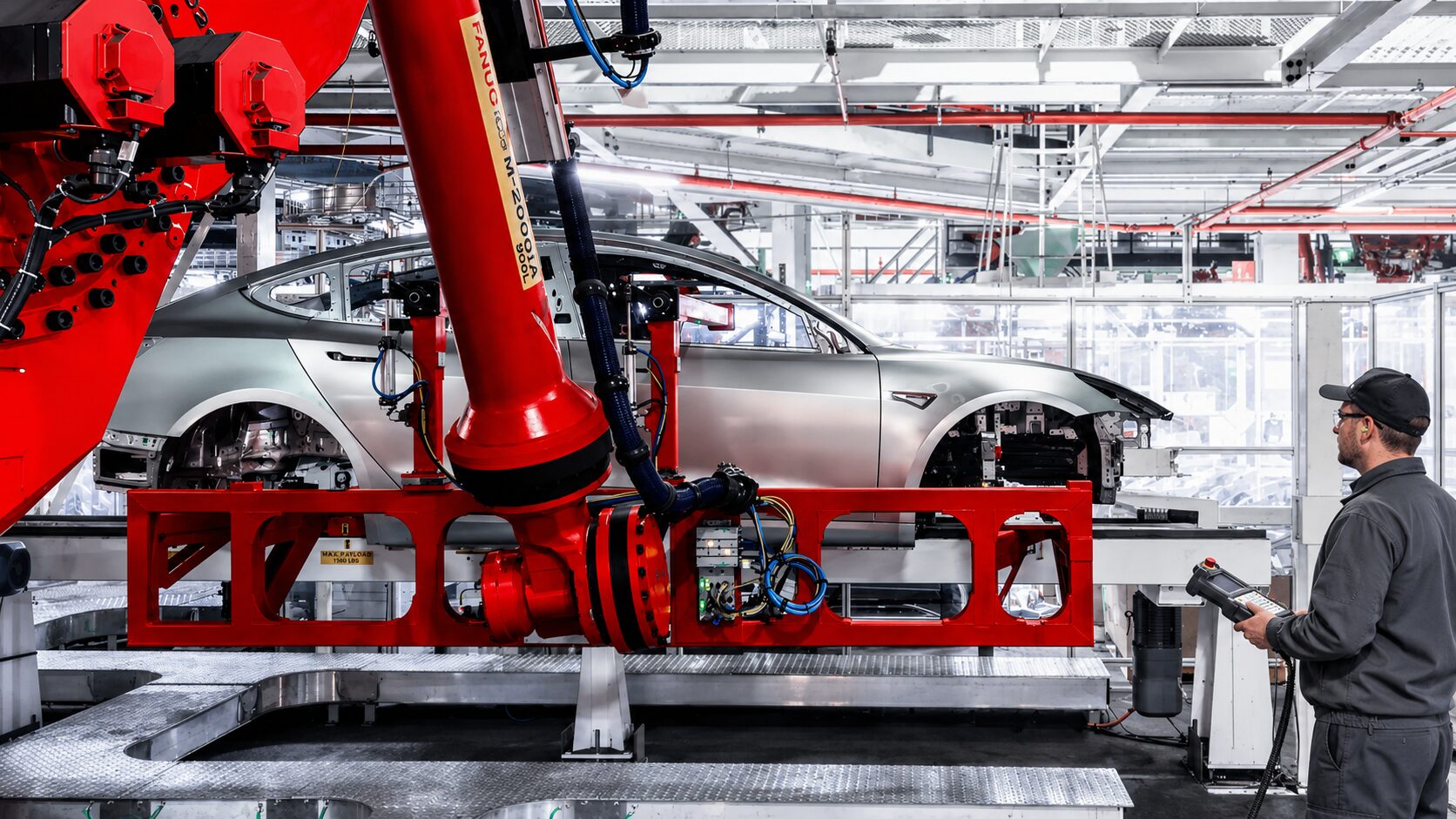
Factories rely on automation commissioning to make sure PLC programs, HMIs, drives, robots, sensors and safety systems work together as one complete production system.
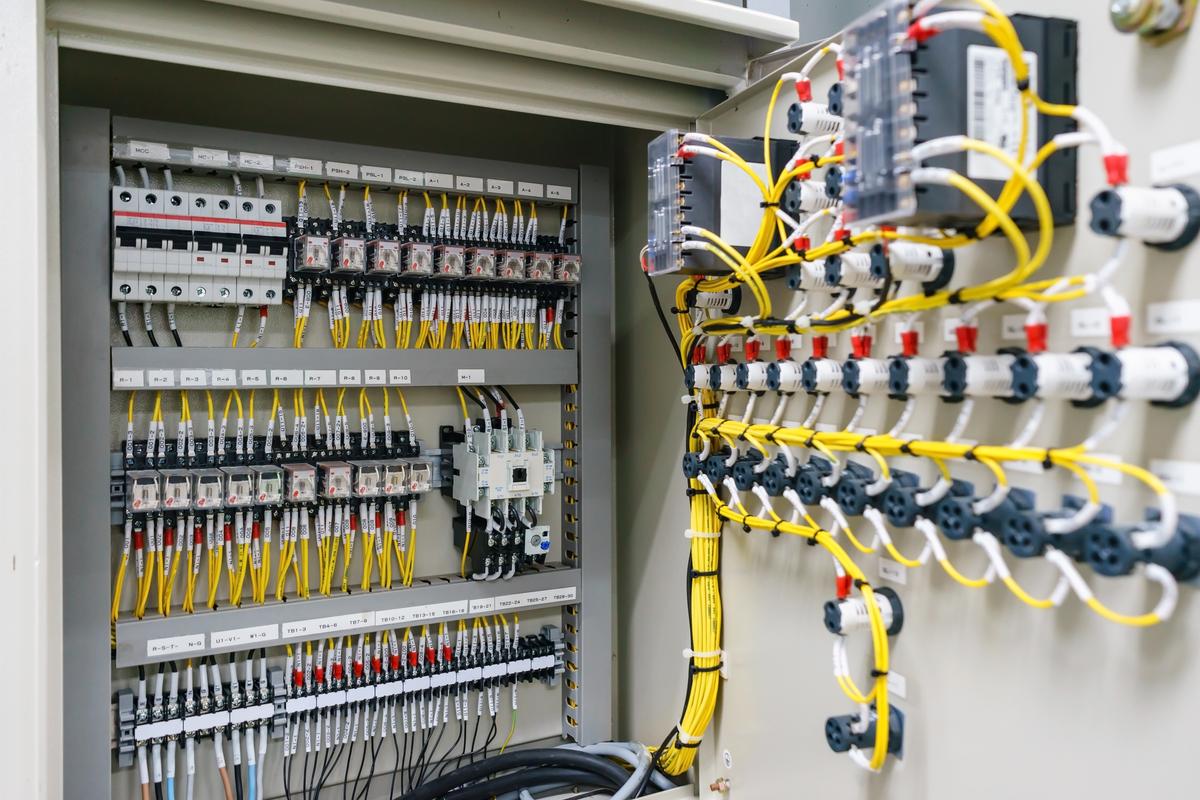
We test input and output signals, validate control sequences, adjust parameters, debug alarms and confirm that the automation responds correctly under real operating conditions.
Our industrial commissioning services are focused on practical production performance, not just software execution.
The goal is to deliver a stable, safe and maintainable automation system that operators and maintenance teams can trust.
SITE ACCEPTANCE TESTING AND PERFORMANCE VALIDATION
Industrial buyers look for machine commissioning that includes clear validation before equipment is accepted into production.
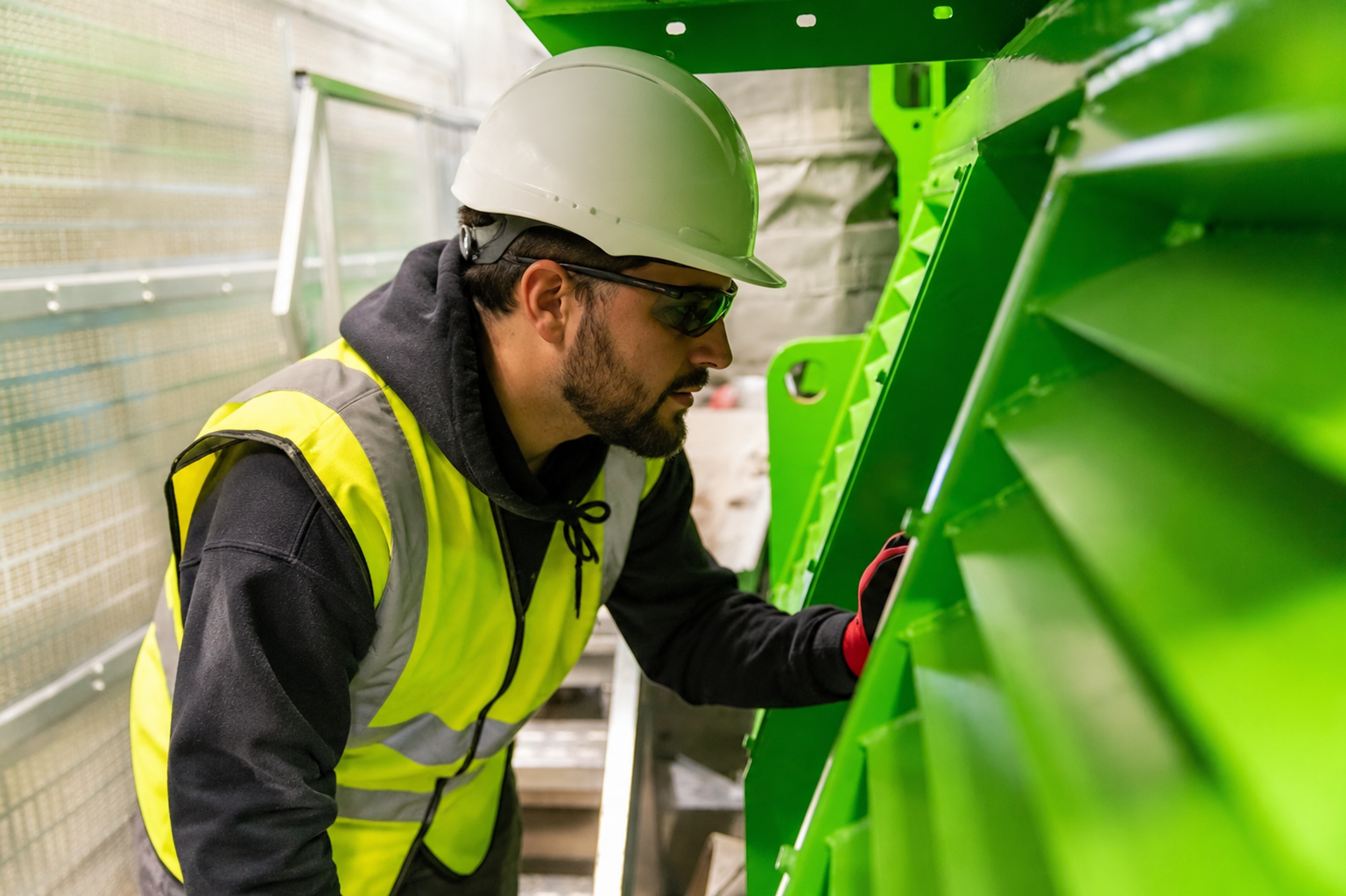
We support Site Acceptance Testing by checking machine functions, cycle time, safety systems, measurement accuracy, repeatability, alarms, documentation and operator workflow.
Through structured industrial commissioning services, every critical requirement can be tested against the project specification before the machine is considered ready.
This reduces technical risk and gives the customer objective evidence that the equipment performs as expected in its final production environment.

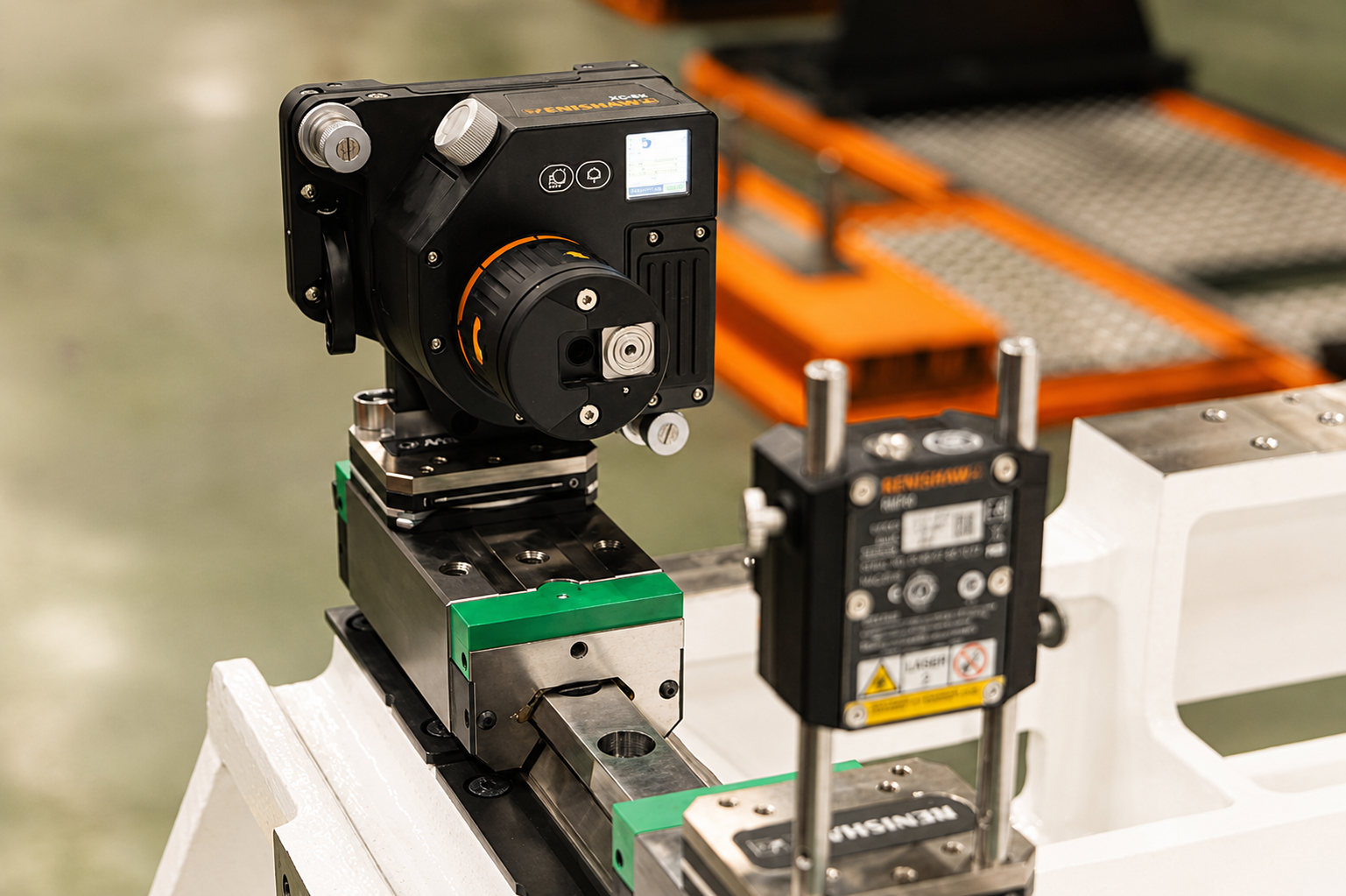
CALIBRATION, MEASUREMENT AND QUALITY SYSTEM COMMISSIONING
Machines that measure, test or calibrate products require more than standard automation commissioning.
They need verified sensors, calibrated instruments, stable fixtures, repeatable movement, correct software logic and reliable data acquisition.
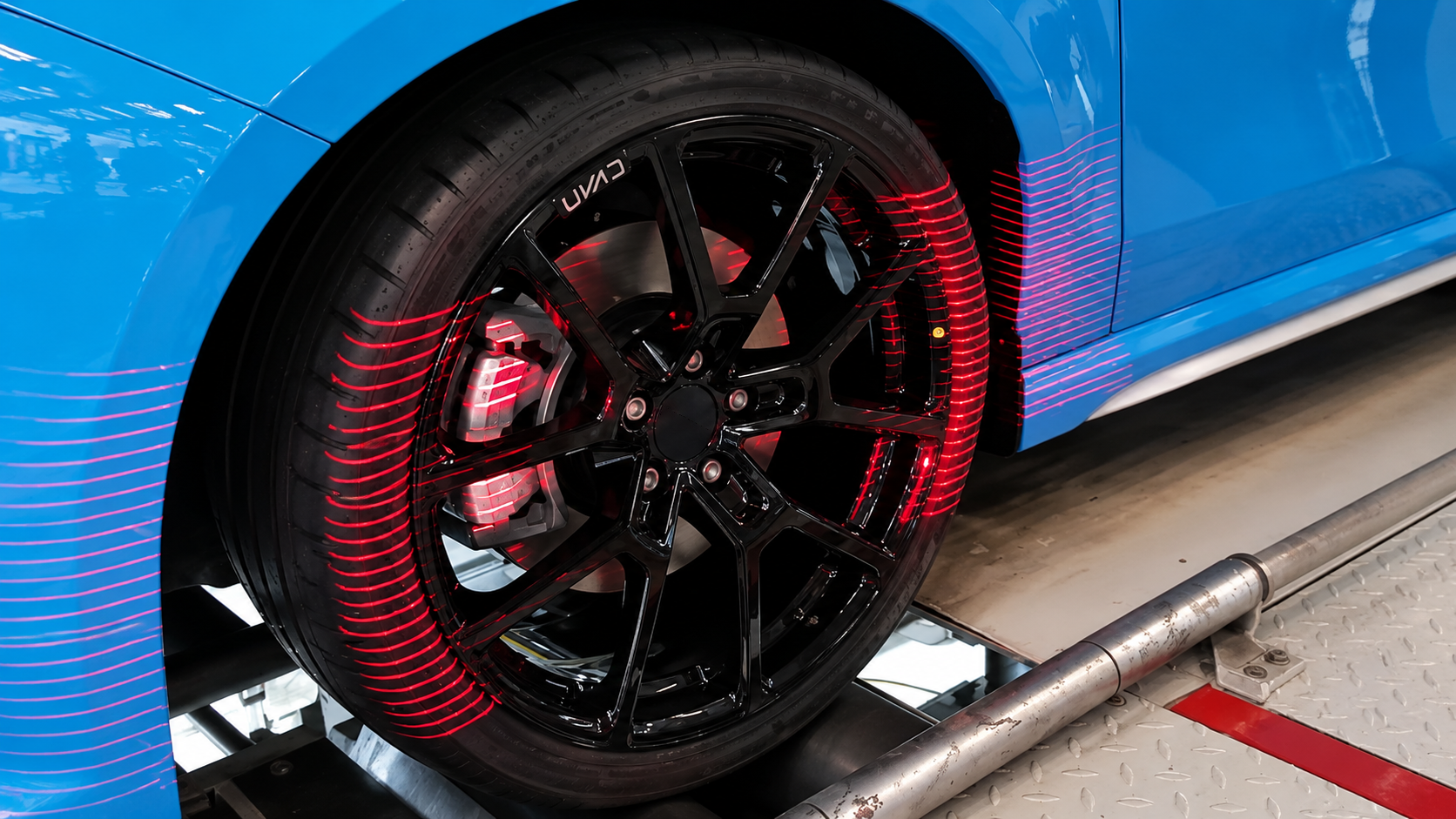
Our industrial commissioning services include adjustment and validation of measurement systems, test benches, calibration stations, inspection devices and end-of-line equipment.
This is essential for automotive, assembly, testing and high-precision manufacturing where every result must be accurate, traceable and repeatable.
PRODUCTION RAMP-UP, TRAINING AND FINAL HANDOVER
Good machine commissioning does not end when the machine starts moving.
We support production ramp-up by helping operators, maintenance teams and process engineers understand how the equipment works, how to react to alarms and how to keep the system stable.
During final automation commissioning, we fine-tune parameters, monitor early production behavior, correct start-up issues and prepare the machine for long-term operation.
Our industrial commissioning services finish with practical handover support so the customer receives not only a working machine, but a production-ready system.
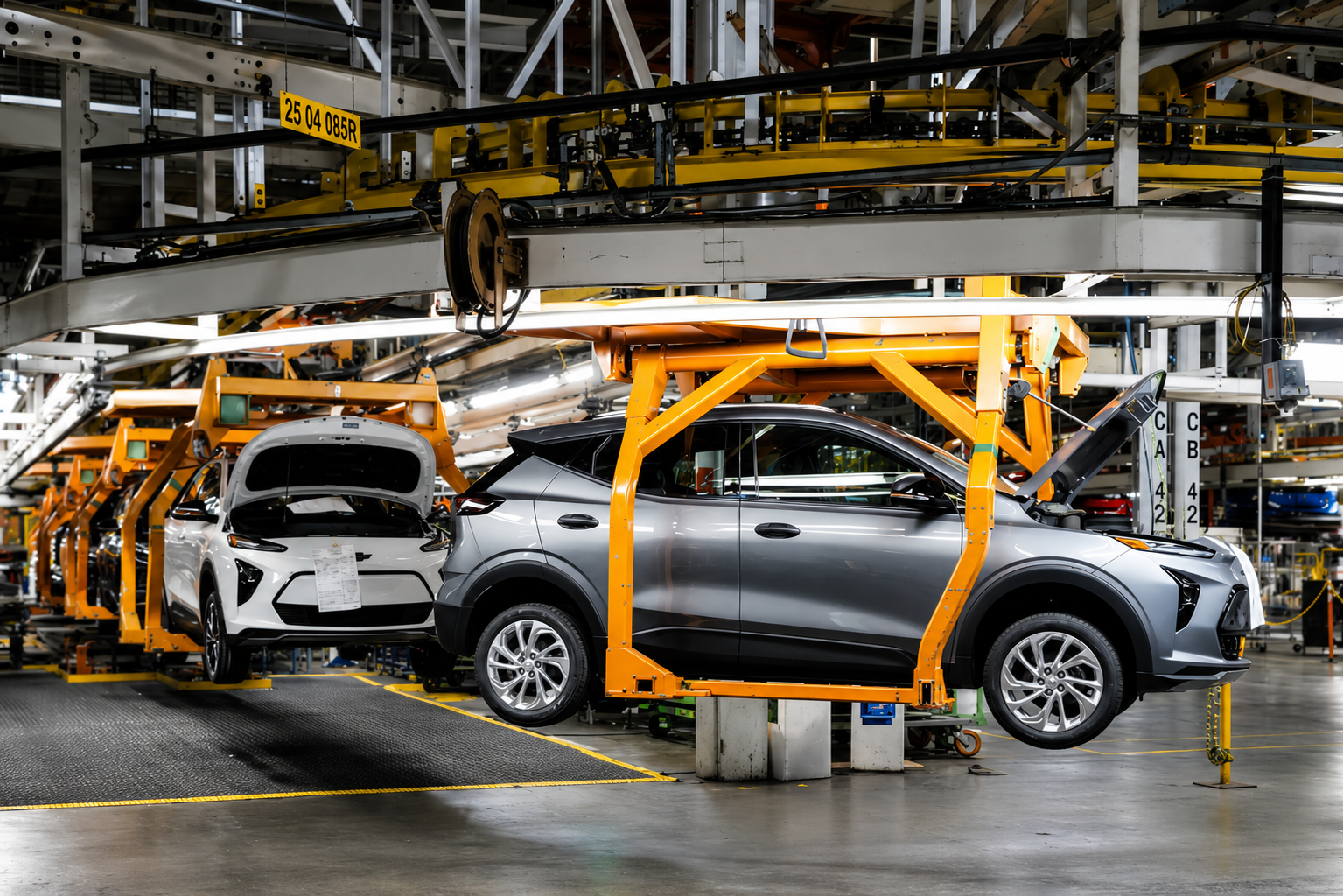
LET’S GET YOUR INDUSTRIAL SYSTEMS COMMISSIONED
From installation and calibration to start-up, validation and handover, we help industrial plants bring complex systems online safely, accurately, and on schedule.
1. What are industrial commissioning services?
Industrial commissioning services are the technical checks, tests and adjustments carried out before production equipment is released for normal operation.
The purpose is to confirm that the machine, automation system, safety functions, sensors, actuators, utilities and operator interfaces work correctly together in the real production environment.
2. Why is machine commissioning important before production starts?
Machine commissioning is important because equipment that works during installation may still fail under real production conditions.
Commissioning helps identify mechanical, electrical, pneumatic, software, safety and process problems before they affect production output, product quality or operator safety.
3. What checks are included in machine commissioning?
Machine commissioning normally includes mechanical inspection, electrical verification, pneumatic checks, sensor testing, actuator testing, safety-device validation and confirmation of machine movements.
It also includes checking cables, motors, drives, control panels, emergency stops, guards, interlocks, operating modes, alarms and HMI functions before production release.
4. What is automation commissioning and PLC start-up?
Automation commissioning is the process of testing the PLC, HMI, drives, robots, sensors and control logic to confirm that the machine behaves as designed.
During PLC start-up, engineers verify input and output signals, test sequences, adjust parameters, debug alarms and confirm that the automation system responds correctly in manual, automatic and fault conditions.
5. How are PLC inputs, outputs, sensors and actuators tested?
Each PLC input and output is tested against the electrical drawings and the machine function it controls.
Sensors are checked for correct signal, position and repeatability. Actuators are tested for correct movement, timing, direction, speed and response to faults or safety interruptions.
6. What is Site Acceptance Testing during commissioning?
Site Acceptance Testing, or SAT, is the final verification process carried out after the machine has been installed at the customer’s production site.
SAT confirms that the equipment meets the agreed specification, including cycle time, safety functions, measurement accuracy, repeatability, alarms, operator workflow and production readiness.
7. Why are safety systems validated during commissioning?
Safety systems are validated to confirm that emergency stops, safety gates, light curtains, interlocks, safe torque off functions and safety PLC logic operate correctly.
This step is critical because a machine should not be released to production until its safety-related control functions have been tested under realistic operating and fault conditions.
8. What role does functional safety play in industrial commissioning?
Functional safety focuses on whether safety-related control systems reduce machine risk as intended.
During commissioning, engineers check that safety functions are correctly wired, programmed, documented and tested so that the machine reaches a safe state when a hazardous condition occurs.
9. Why is calibration important in commissioning?
Calibration is essential when machines measure, test, align, inspect or certify products during production.
Measurement systems, sensors, fixtures, cameras, probes and test benches must be adjusted and validated so that results are accurate, repeatable and traceable before the equipment is used for production quality control.
10. What happens during production ramp-up and final handover?
Production ramp-up confirms that the machine can operate reliably over repeated production cycles, not only during isolated tests.
During final handover, engineers fine-tune parameters, monitor early production behavior, resolve start-up issues, train operators and maintenance teams, and deliver the documentation needed for long-term operation.