PREVENTIVE MAINTENANCE FOR INDUSTRIAL MACHINERY
Unexpected downtime is expensive, and most failures are easier to prevent than to repair during production.
Our preventive maintenance service is designed to keep machines, automation systems and production equipment working reliably before problems become breakdowns.
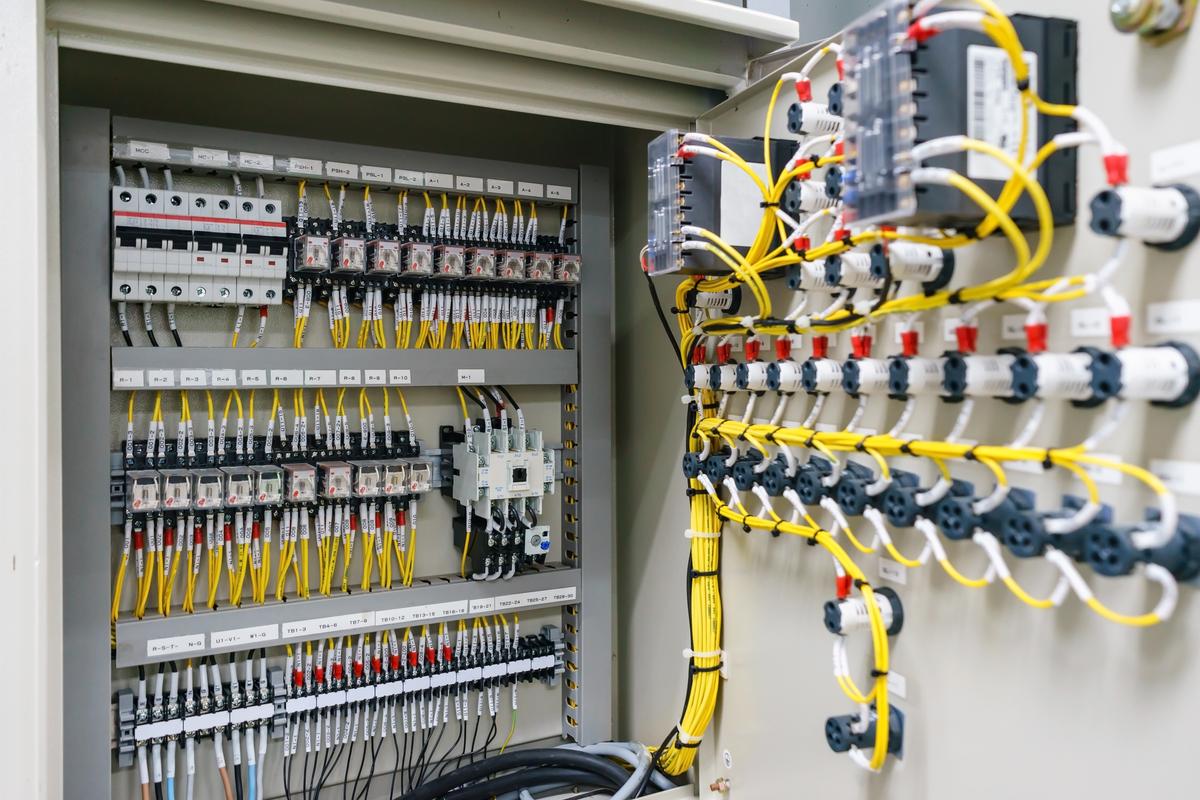
We inspect mechanical components, electrical systems, sensors, actuators, pneumatic circuits, safety devices, PLC signals and operator interfaces.
These industrial maintenance services help manufacturers reduce unplanned stops, extend machine life and keep production equipment stable under real factory conditions.
CORRECTIVE AND REACTIVE MACHINE MAINTENANCE
When a machine fails, the priority is simple: diagnose the problem fast and recover production safely.
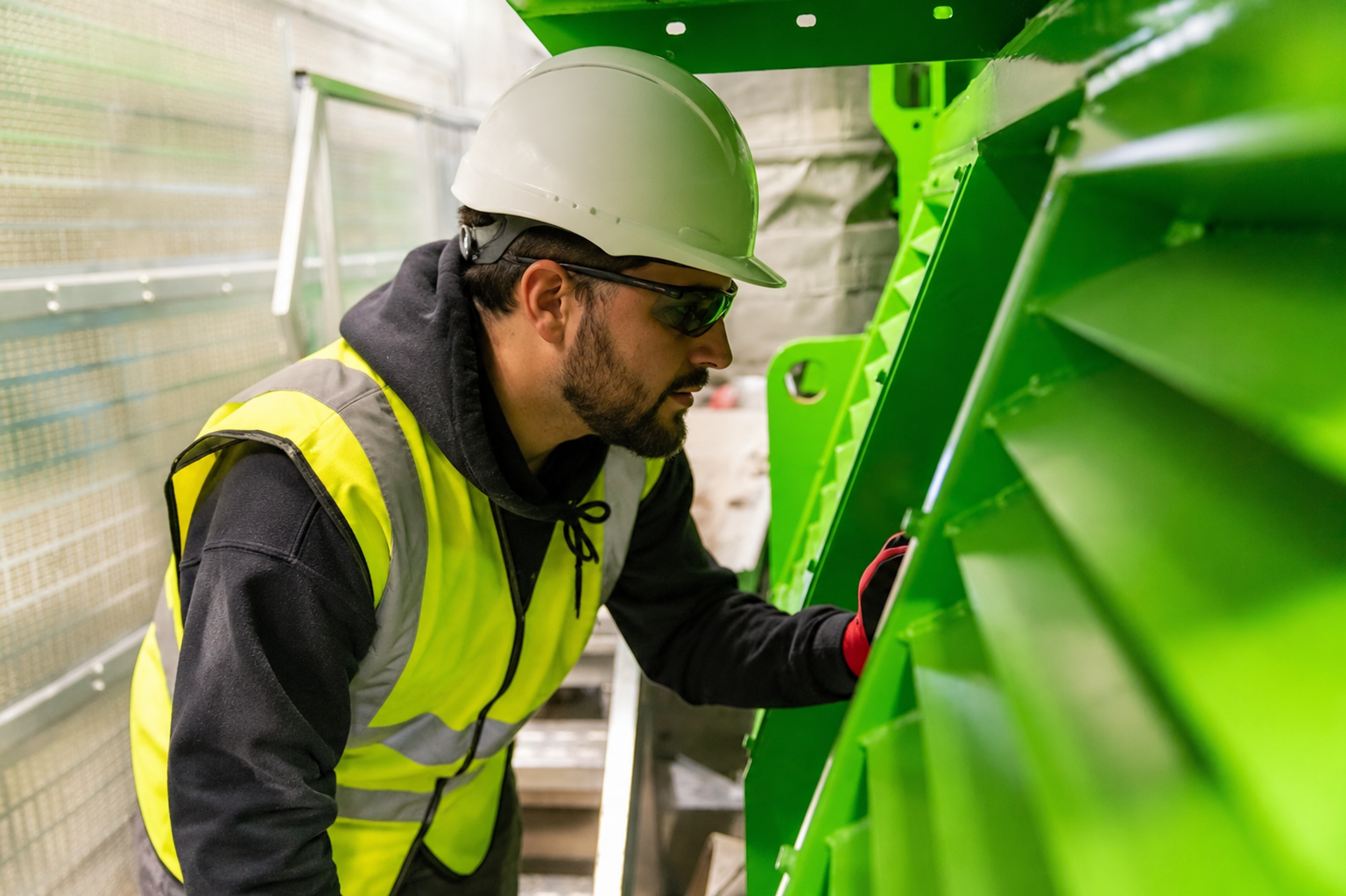
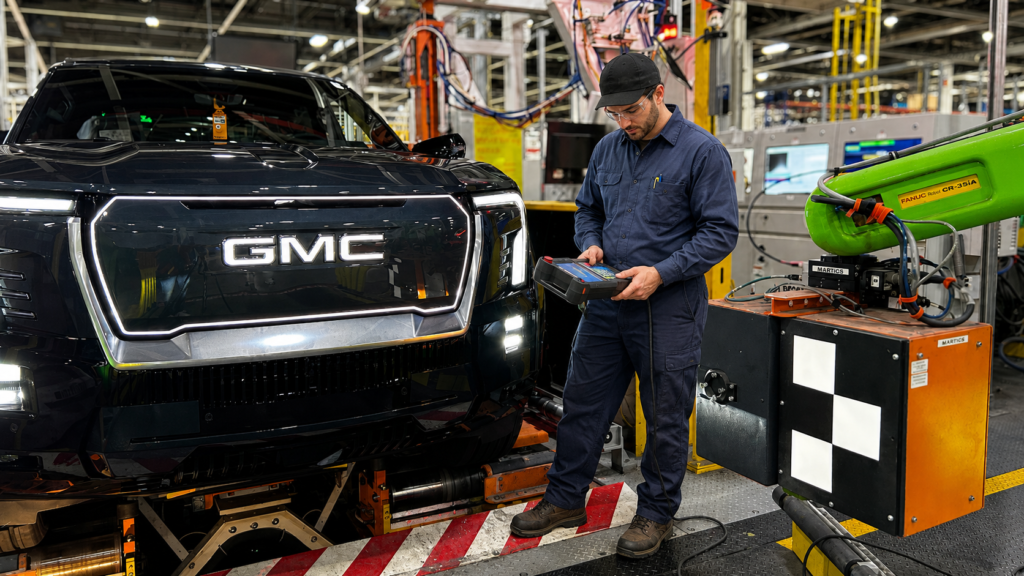
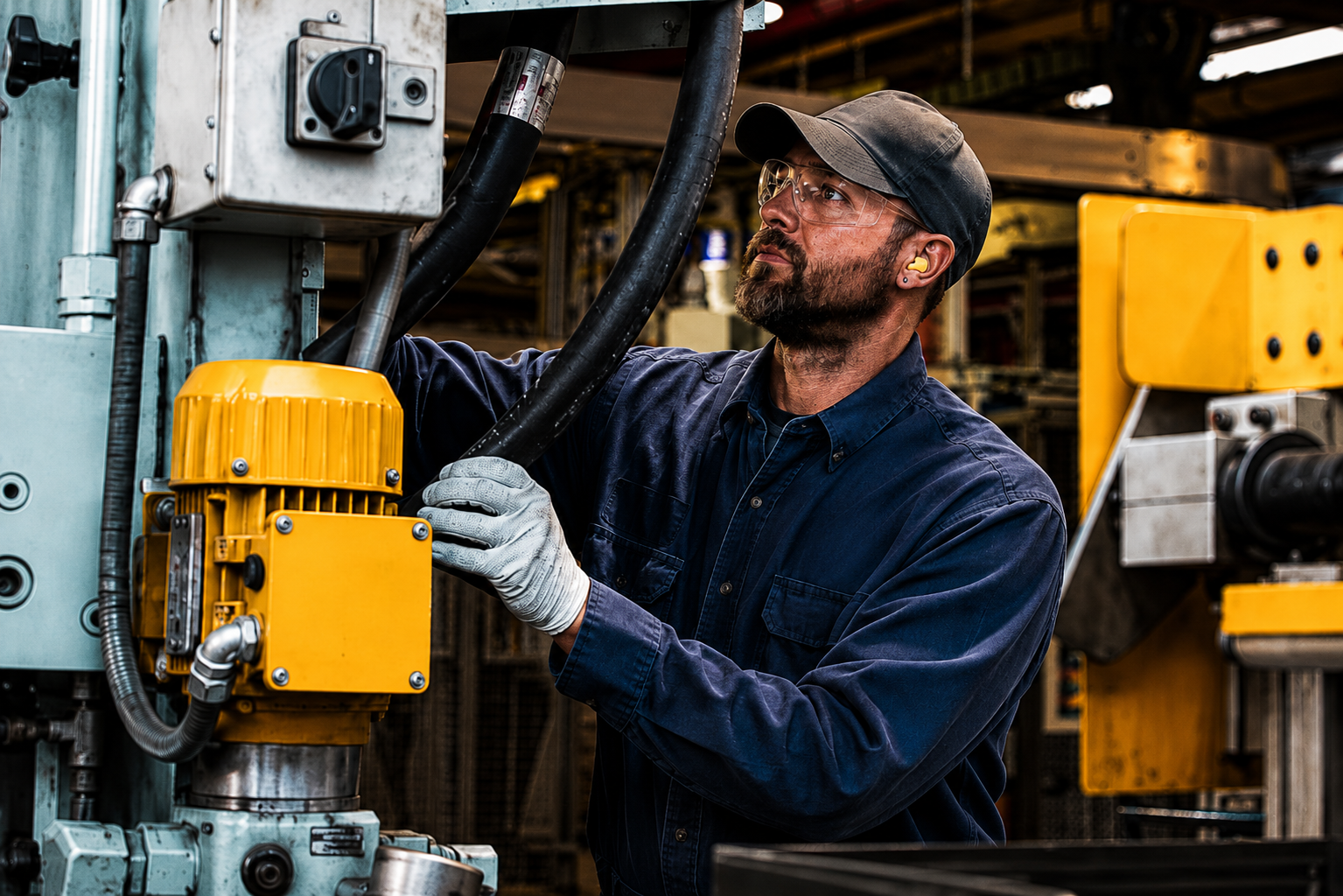
Our corrective and reactive machine maintenance service focuses on troubleshooting faults, replacing damaged components, adjusting systems and restoring equipment functionality.
We work on mechanical assemblies, electrical panels, sensors, PLC-controlled systems, pneumatic equipment, fixtures, test benches and automation cells.
These industrial maintenance services are essential when production lines need practical technical support instead of generic repair work.
PREDICTIVE MAINTENANCE AND FAILURE DETECTION
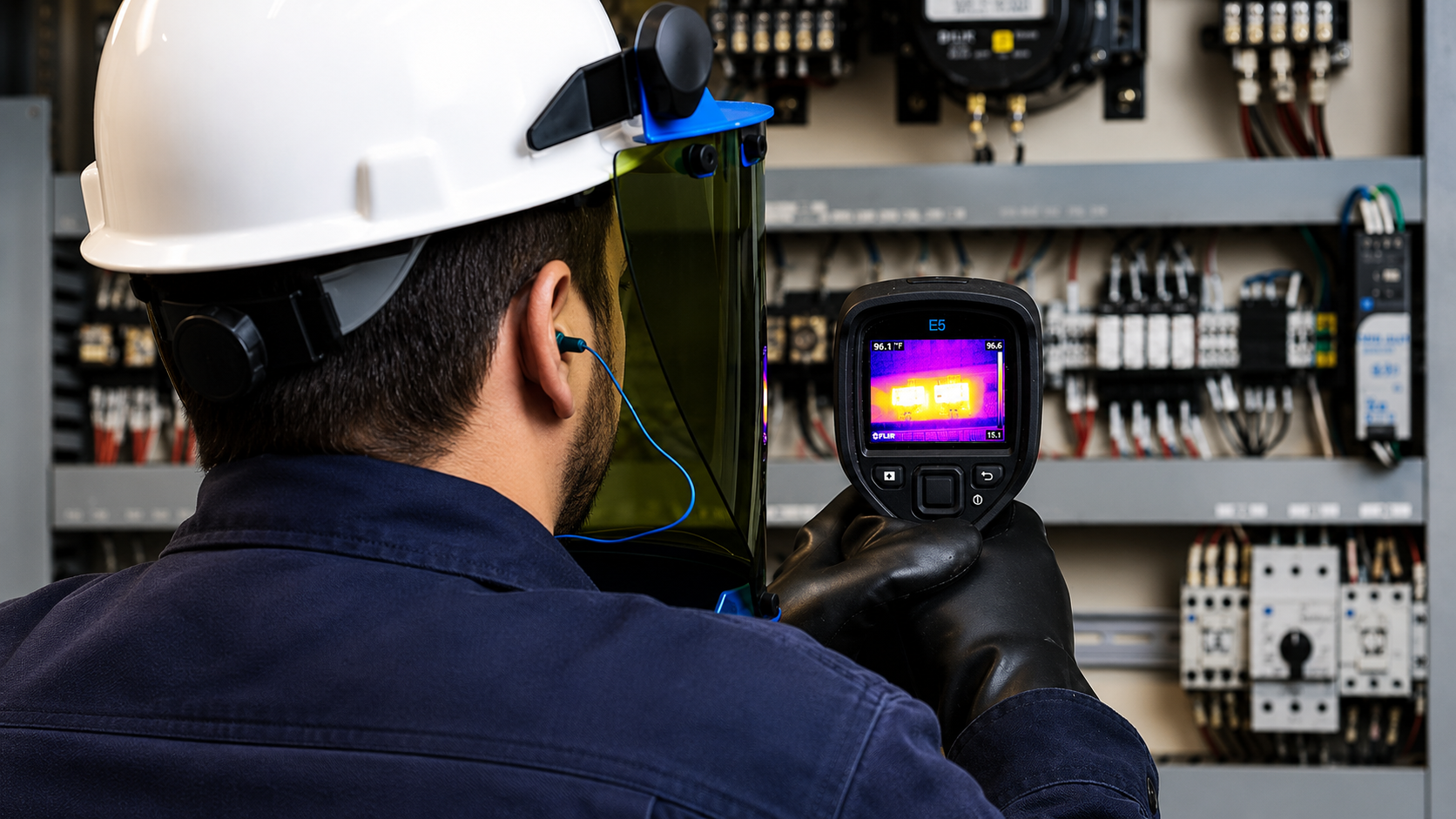
Predictive maintenance helps factories detect early signs of failure before a machine stops production.
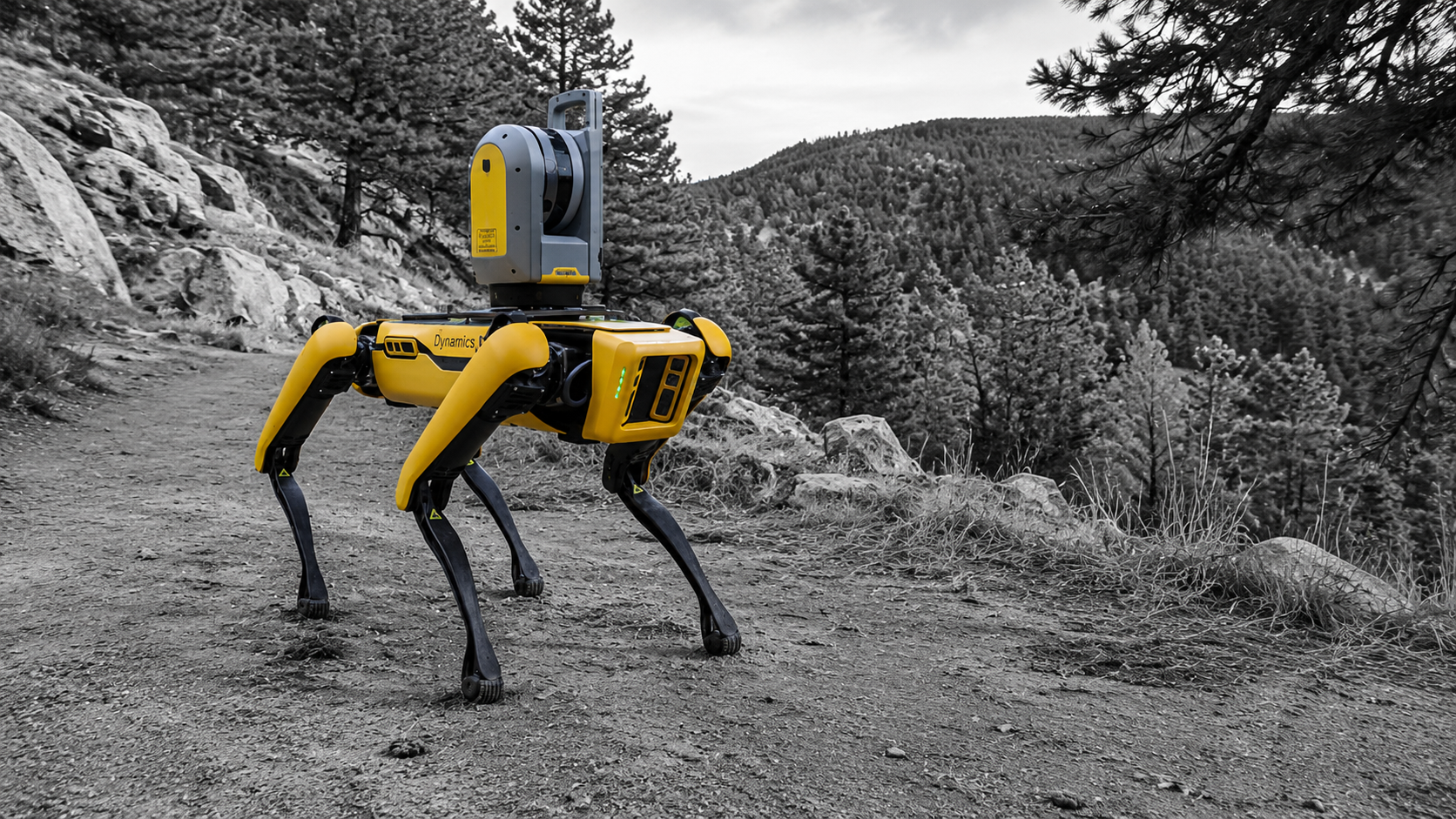
By monitoring vibration, temperature, electrical consumption, cycle behavior, sensor signals and process data, manufacturers can identify abnormal conditions before they become serious damage.
Our industrial maintenance services can support predictive strategies by connecting machine data, inspection routines and technical analysis with real production needs.
This approach is especially useful for critical machines, high-value equipment and production lines where downtime has a direct impact on cost, delivery and quality.
CONDITION-BASED MAINTENANCE AND MACHINE INSPECTION
Not every machine needs service only because a calendar says so.
Condition-based machine maintenance uses the real state of the equipment to decide when intervention is needed.
We inspect wear, alignment, movement, noise, temperature, sensor response, pneumatic performance, safety functions and production behavior to understand the actual condition of the machine.
This makes preventive maintenance more precise, avoids unnecessary interventions and helps maintenance teams focus on the equipment that really needs attention.
EMERGENCY REPAIR, SPARE PARTS AND TECHNICAL SUPPORT
Industrial maintenance is not only about scheduled service.
Factories also need emergency repair, spare parts support and technical assistance when equipment becomes unstable or stops unexpectedly.
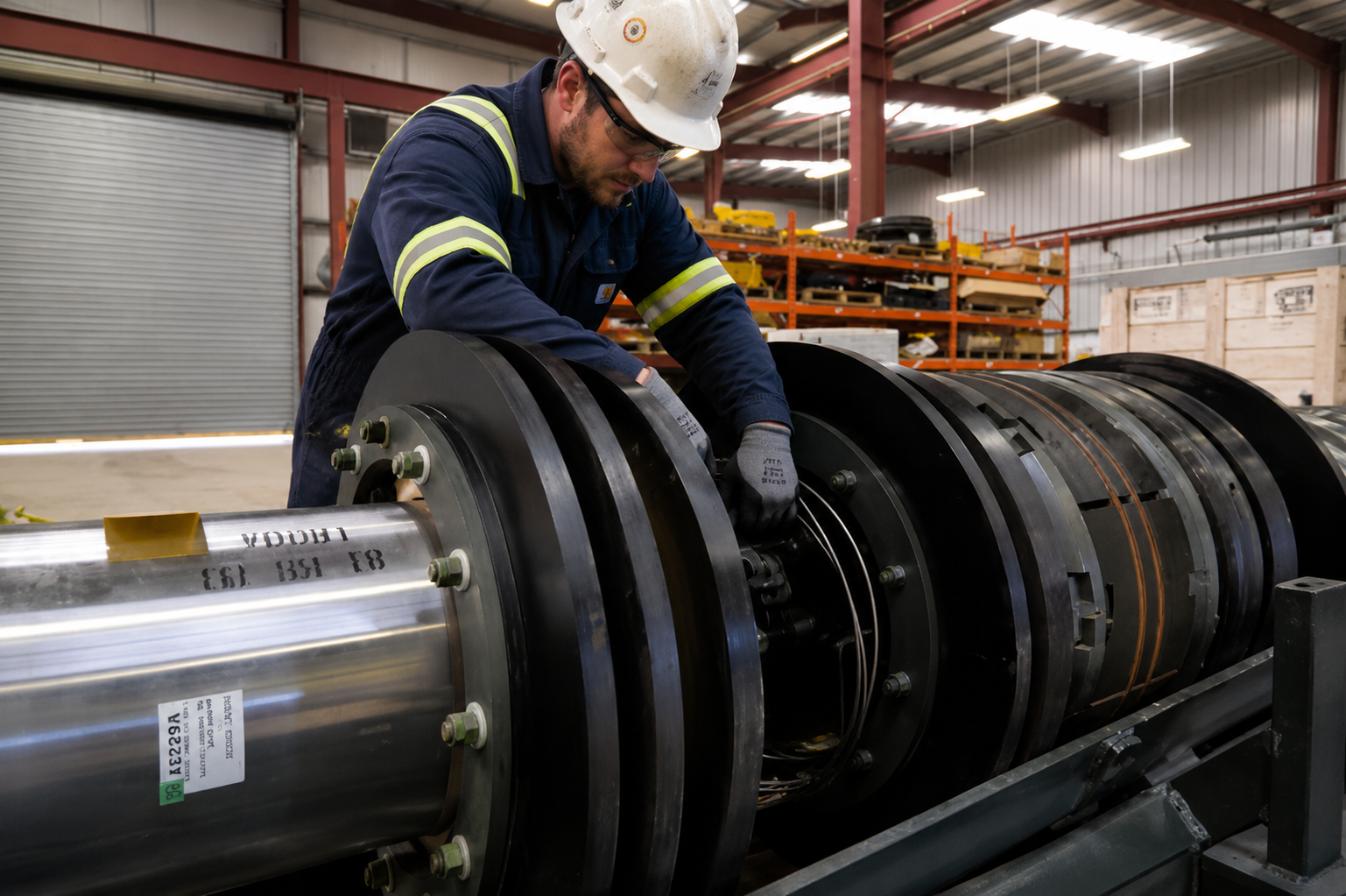
Our industrial maintenance services include fault diagnosis, component replacement, mechanical adjustment, electrical troubleshooting, software checks and support for obsolete or difficult-to-source parts.
Combined with proper preventive maintenance, this helps manufacturers recover faster from breakdowns and reduce the risk of the same failure happening again.
LET’S DISCUSS YOUR INDUSTRIAL MAINTENANCE NEEDS
Tell us about your machinery, production line, or equipment issue. Our engineering team will review your situation and propose the right preventive, corrective, or predictive maintenance solution.
1. What are industrial maintenance services?
Industrial maintenance services are technical services used to keep machinery, automation systems and production equipment operating safely, reliably and efficiently.
They can include preventive maintenance, corrective repairs, machine inspections, electrical troubleshooting, mechanical adjustments, sensor checks, PLC signal verification, pneumatic system inspections and safety device testing.
SEETECH provides industrial maintenance services for production machines, test benches, automation cells, calibration systems and industrial equipment working under real factory conditions.
2. Why is preventive maintenance important for industrial machinery?
Preventive maintenance helps manufacturers detect wear, misalignment, loose components, electrical problems and unstable machine behaviour before they become production breakdowns.
Instead of waiting for a machine to fail, preventive maintenance uses planned inspections and technical checks to reduce unplanned downtime and extend equipment life.
SEETECH inspects mechanical components, sensors, actuators, pneumatic circuits, electrical systems, PLC signals, operator interfaces and safety devices to keep industrial machinery stable and production-ready.
3. What is the difference between preventive, corrective and predictive maintenance?
Preventive maintenance is performed before a failure occurs, usually through scheduled inspections, adjustments and component checks.
Corrective maintenance is performed after a fault or breakdown has been detected, with the objective of restoring the machine to proper working condition.
Predictive maintenance uses machine data, sensor readings and operating behaviour to identify early signs of failure before the equipment stops production.
4. How can predictive maintenance reduce factory downtime?
Predictive maintenance helps reduce downtime by detecting abnormal machine behaviour before it becomes a serious failure.
Factories can monitor vibration, temperature, electrical consumption, cycle behaviour, sensor signals, alarms and process data to identify early signs of wear or instability.
SEETECH can support predictive maintenance strategies by connecting machine data, technical inspections and production knowledge to help manufacturers act before a critical machine stops.
5. What machine data is useful for industrial maintenance?
Useful machine data can include cycle times, alarms, operating states, vibration, temperature, pressure, electrical consumption, sensor signals, test results, inspection values and maintenance records.
This data helps maintenance teams understand how machines behave during production and detect changes that may indicate wear, overload, misalignment or component failure.
When machine data is combined with practical inspection routines, manufacturers can make better decisions about maintenance timing, spare parts and production risk.
6. What is included in an industrial machine inspection?
An industrial machine inspection checks the real condition of the equipment before a failure affects production.
Typical inspections can include mechanical wear, alignment, movement, noise, temperature, pneumatic performance, actuator response, sensor behaviour, electrical cabinet condition, PLC signals, HMI operation and safety functions.
SEETECH uses machine inspections to identify weak points, unstable behaviour and components that require adjustment, replacement or closer monitoring.
7. Why is safety important during industrial maintenance?
Industrial maintenance often involves machines with electrical, mechanical, pneumatic, hydraulic or stored energy risks.
Safe maintenance requires proper isolation, controlled procedures, verified machine states and attention to safety devices before intervention begins.
SEETECH’s maintenance work can include checks on safety systems, emergency stops, guards, sensors, electrical circuits and control signals to help ensure the machine is returned to production in a safe and controlled condition.
8. Can existing machines be repaired or upgraded instead of replaced?
Yes. Many industrial machines can be repaired, adjusted or upgraded instead of being replaced completely.
Depending on the machine condition, work may include mechanical adjustment, electrical troubleshooting, PLC checks, sensor replacement, pneumatic repairs, HMI improvements, safety upgrades, spare parts replacement or retrofit work.
SEETECH helps manufacturers recover and improve existing equipment when replacement is unnecessary, too expensive or too disruptive for production.
9. What should emergency machine repair include?
Emergency machine repair should focus on fast diagnosis, safe intervention and practical recovery of production.
The repair process can include fault analysis, mechanical checks, electrical troubleshooting, sensor verification, PLC signal diagnosis, pneumatic system inspection, component replacement and machine adjustment.
SEETECH provides technical support for production machines, automation systems, test benches, fixtures and industrial equipment when unexpected faults interrupt manufacturing operations.
10. How often should industrial machinery be maintained?
The maintenance frequency depends on the machine type, production load, operating environment, criticality, failure history and component wear.
Some machines require scheduled preventive maintenance, while others benefit from condition-based maintenance using inspections, sensor data and real operating behaviour.
SEETECH can help define maintenance routines for industrial machinery based on actual factory conditions, not generic calendar intervals that ignore how the equipment is really used.