PLC, HMI AND CONTROL SYSTEM RETROFIT
Old control systems are one of the biggest risks in industrial machinery because obsolete PLCs, HMIs and electrical components become harder to maintain every year.
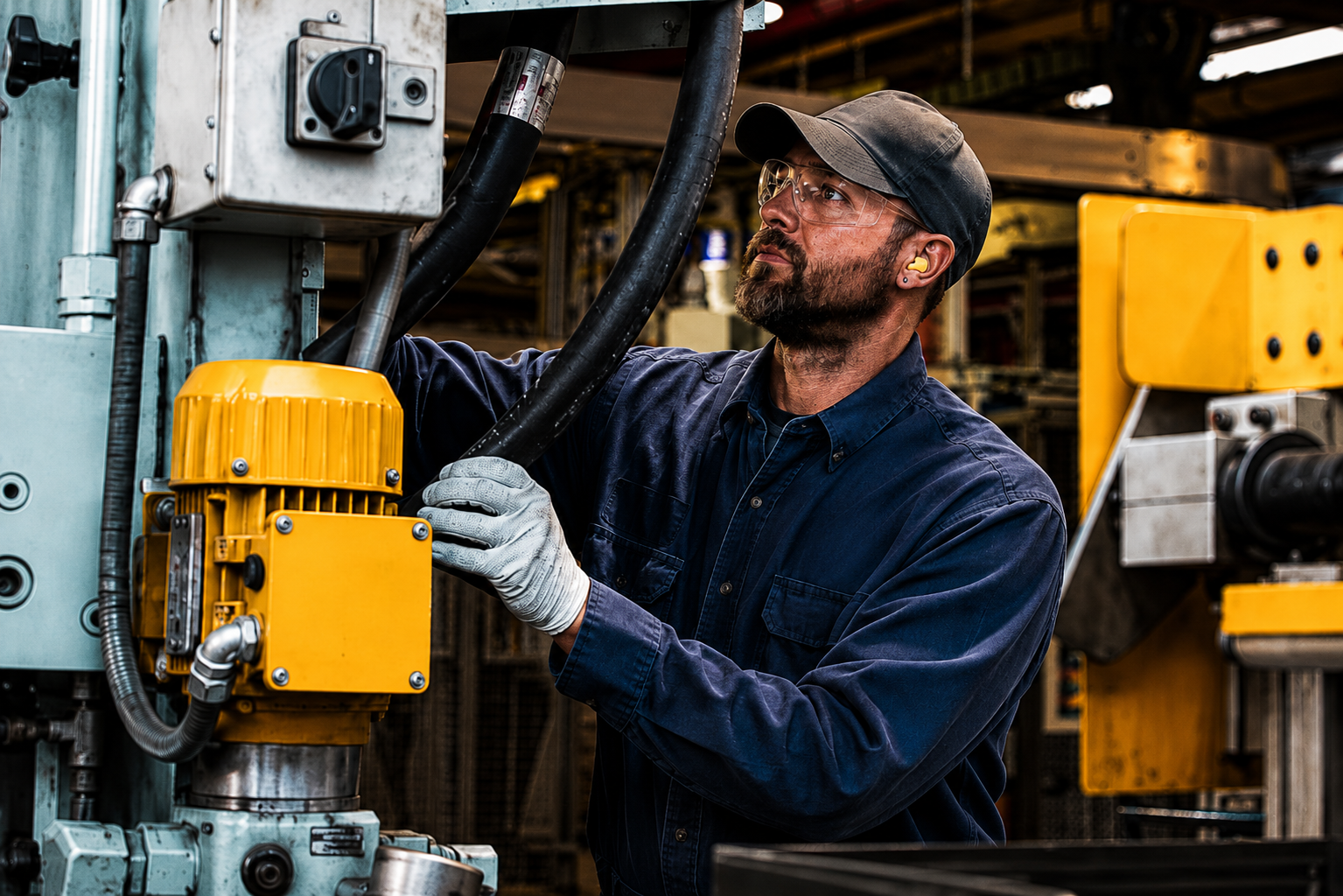
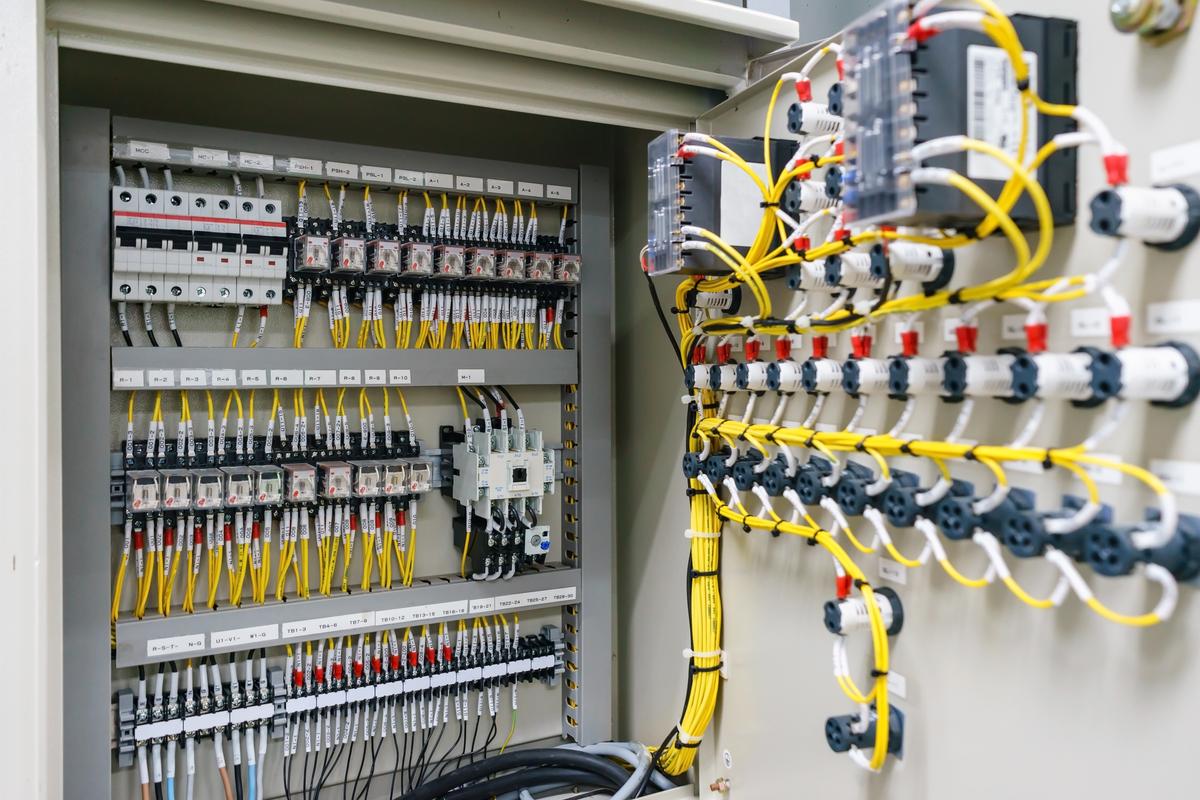
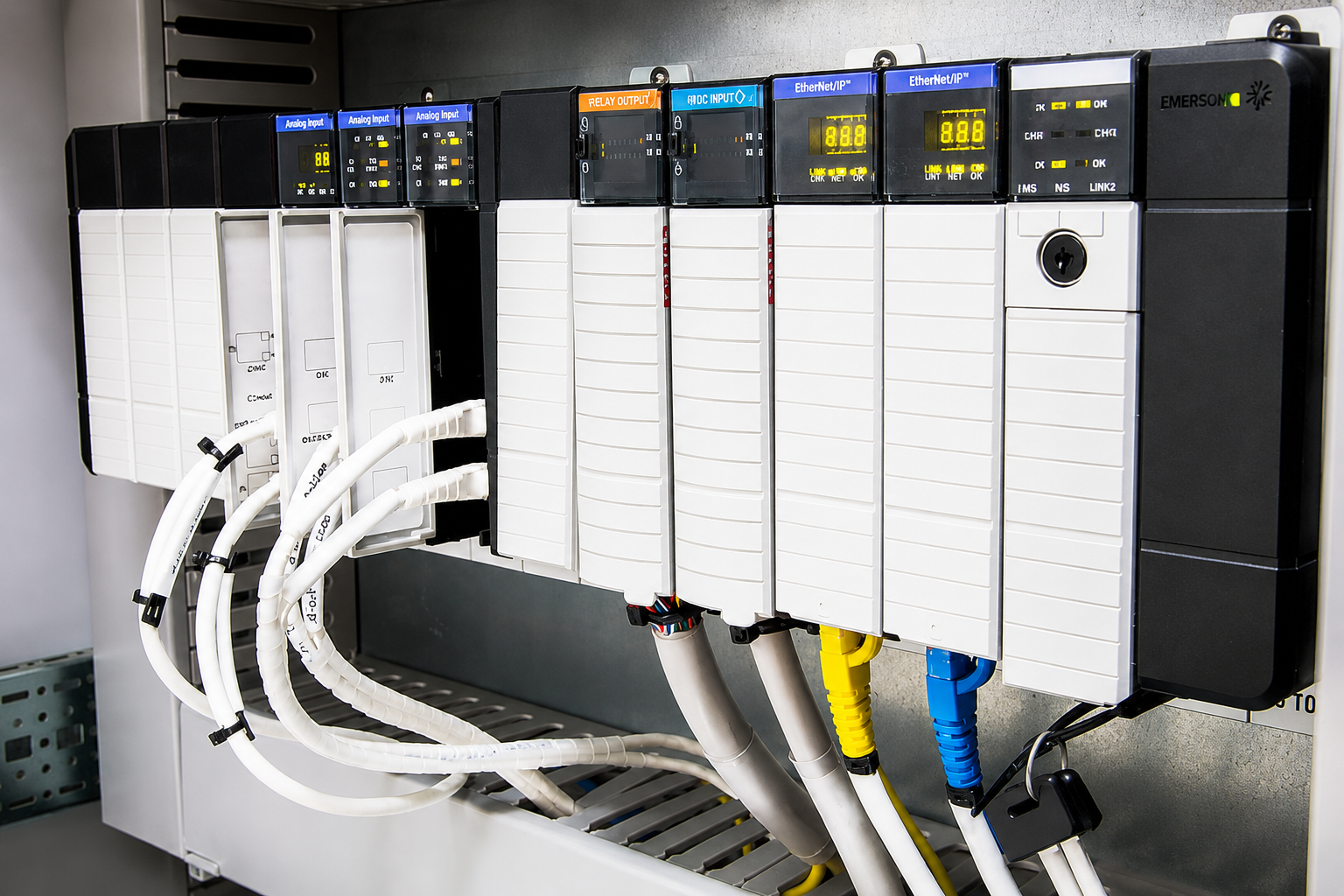
Our machine retrofit services replace outdated control platforms with modern PLCs, HMIs, drives, sensors and communication systems.
An industrial machine retrofit keeps the existing mechanical structure when it is still valuable, while upgrading the automation architecture that controls the process.
This is the right solution for manufacturers that want better reliability, easier maintenance, faster troubleshooting and a machine that can continue working for years without a full replacement.
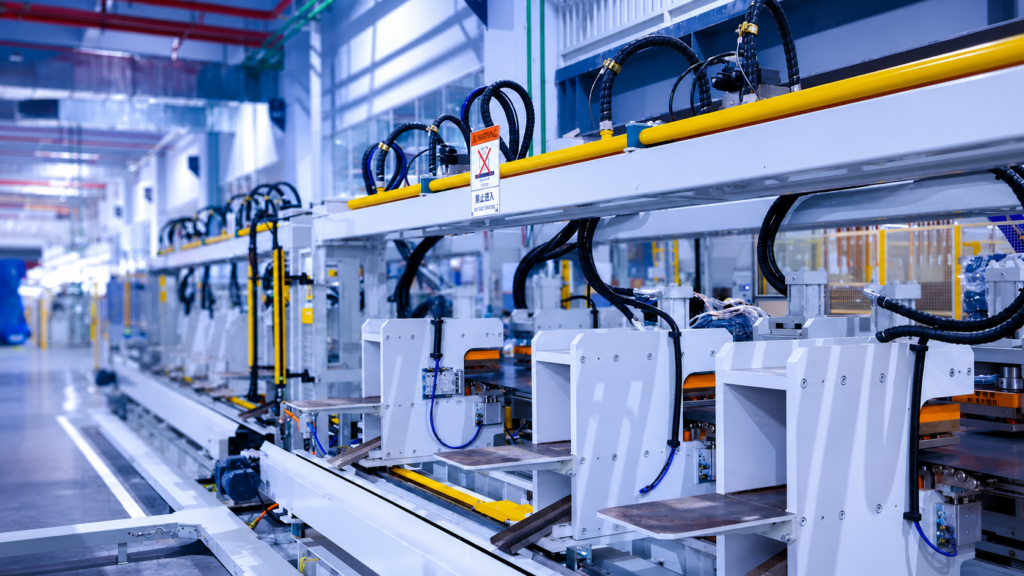
AUTOMATION RETROFIT FOR EXISTING PRODUCTION LINES
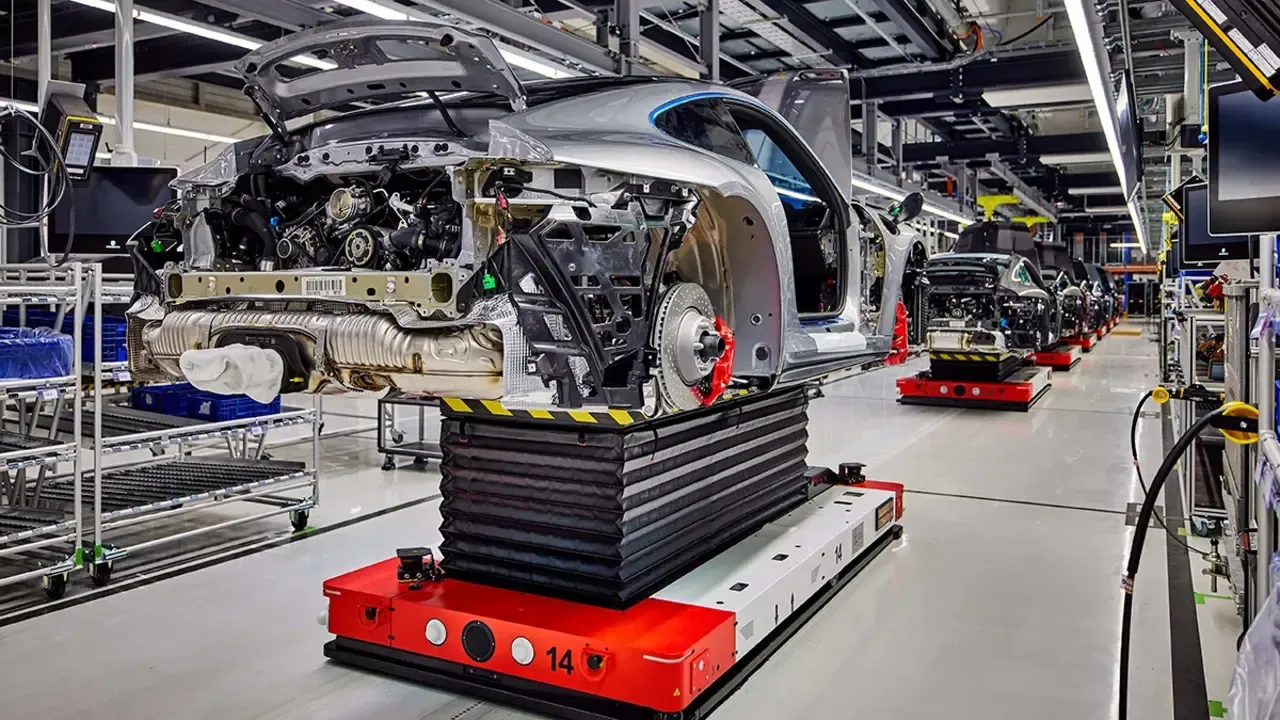
Many production lines still work mechanically, but their automation no longer matches modern factory requirements.
An automation retrofit upgrades the way machines move, communicate, detect parts, control sequences and interact with operators.
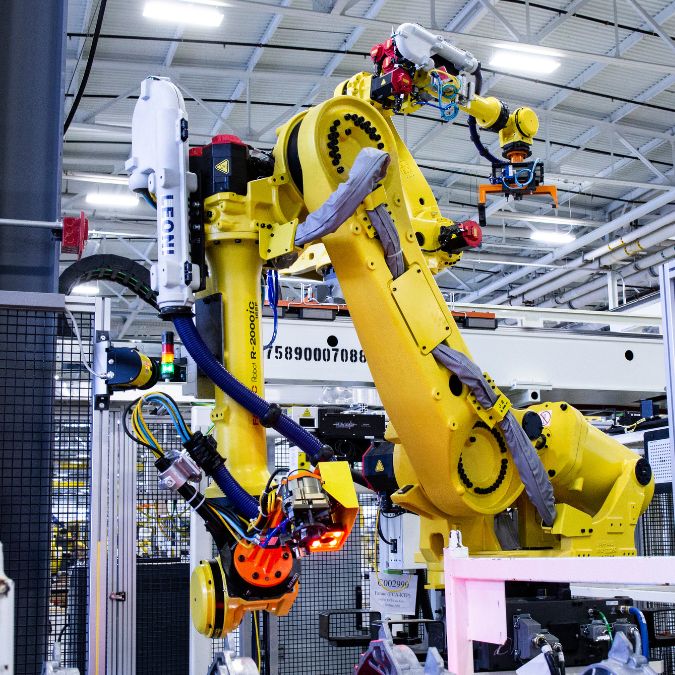
We improve existing production equipment by integrating sensors, actuators, PLC logic, HMIs, safety devices, drives and process control systems.
These machine retrofit services help factories increase productivity, reduce manual intervention and improve process stability without replacing the entire production line.
MECHANICAL MODERNIZATION AND MACHINE REBUILDING
A machine does not always need to be replaced just because some components are worn, outdated or no longer precise.
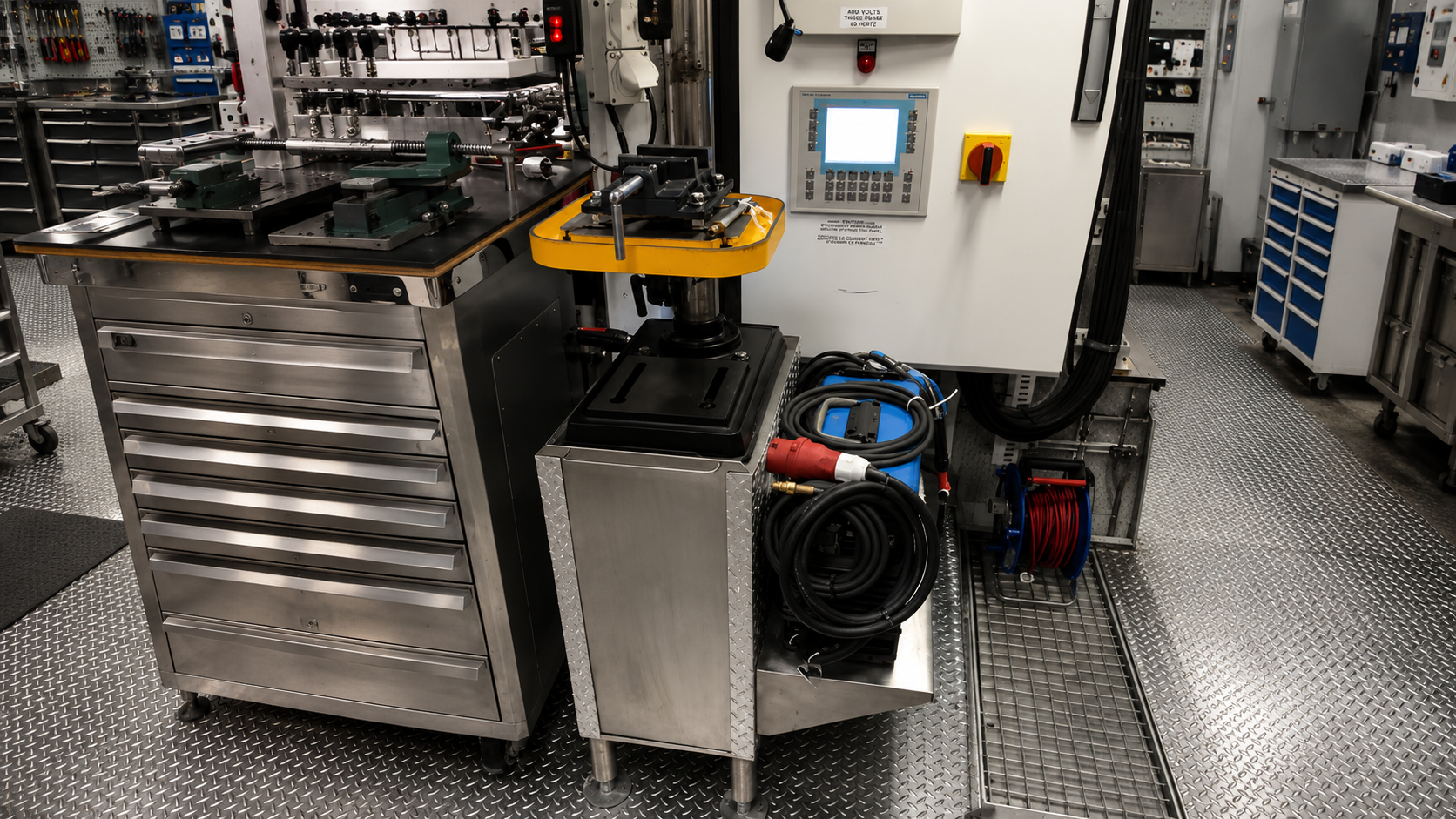
Our industrial machine retrofit work can include mechanical rebuilding, fixture redesign, actuator replacement, pneumatic upgrades, alignment correction and structural improvements.
We analyze the machine’s real condition and identify which parts should be repaired, replaced or redesigned to recover performance.
Combined with an automation retrofit, mechanical modernization can extend machine life, improve accuracy and bring old equipment closer to modern production standards.
MACHINE SAFETY RETROFIT AND COMPLIANCE UPGRADES
Older machines often need safety upgrades before they can meet current production, maintenance and operator protection requirements.
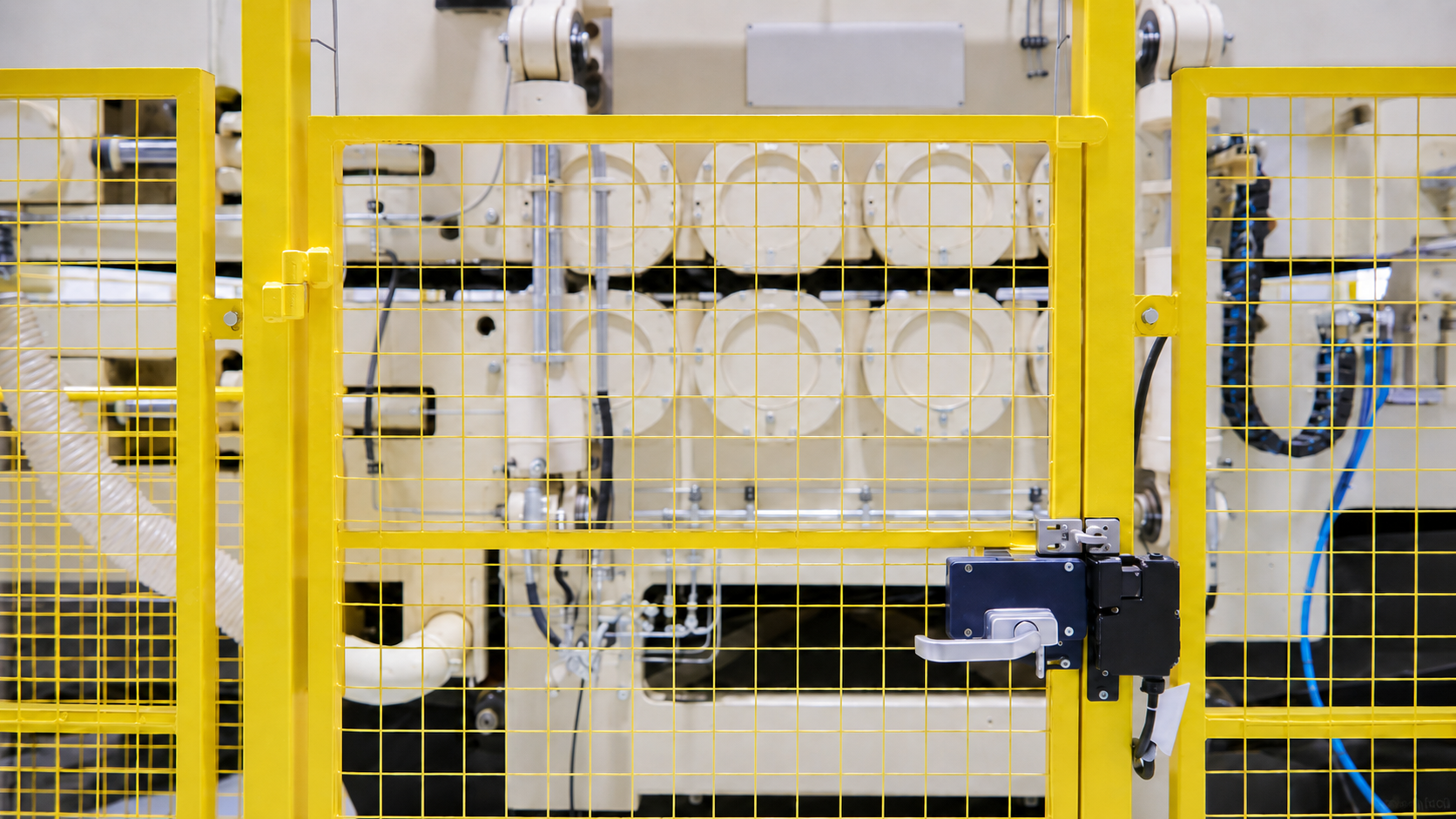
Our machine retrofit services can include safety PLCs, emergency stops, light curtains, safety scanners, interlocks, guards, access control and updated safety circuits.
A proper industrial machine retrofit does not only make the machine work better; it also makes it safer to operate, maintain and troubleshoot.
This is especially important for automated cells, presses, test benches, robotic systems, conveyors and machines where operators work close to moving parts.
MACHINE VISION, DATA AND INDUSTRY 4.0 RETROFIT
Factories increasingly want older machines to provide more information, better quality control and stronger traceability.
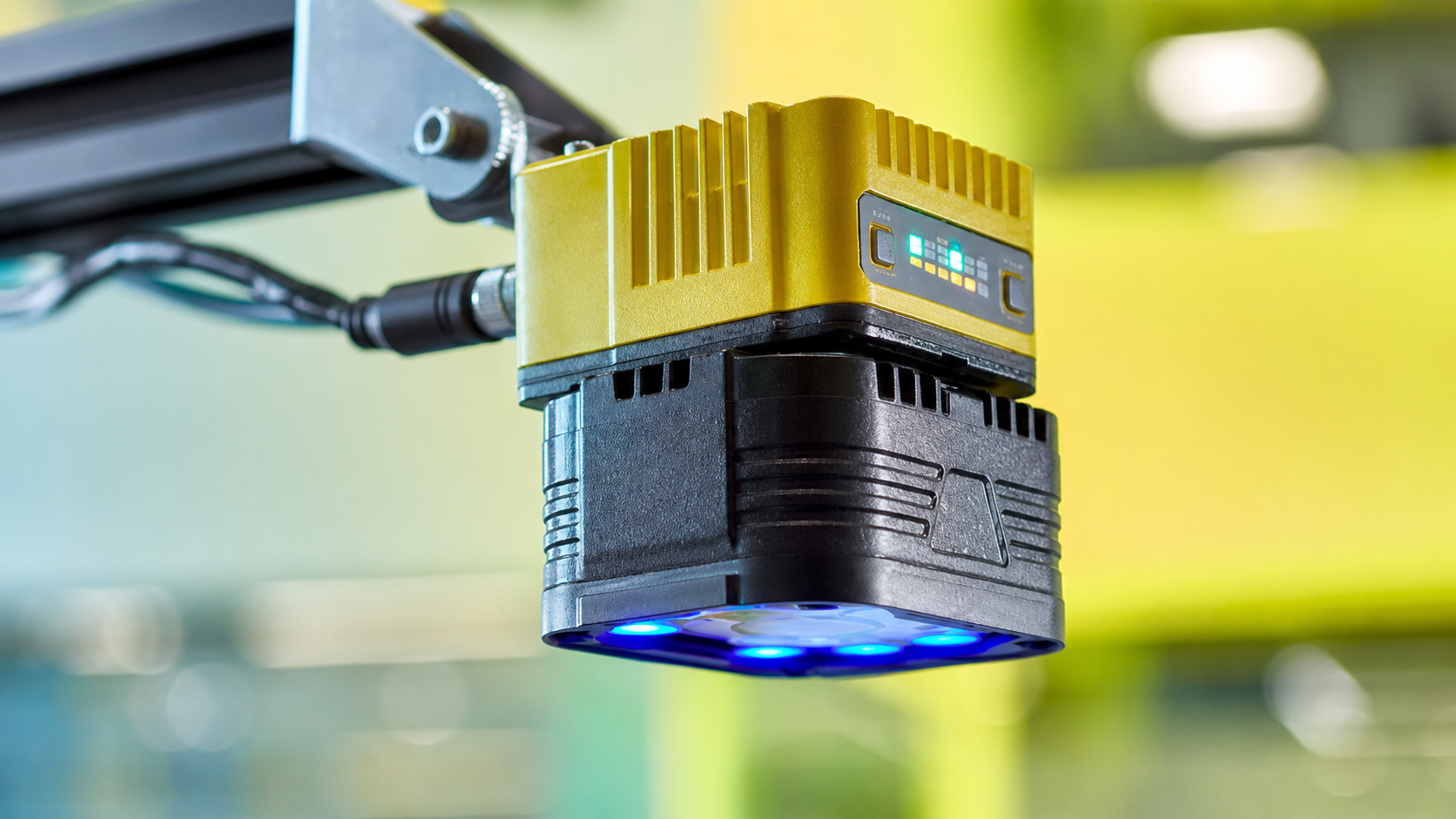
An automation retrofit can add machine vision, barcode readers, sensors, data acquisition, production counters, alarms, remote diagnostics and connection to factory systems.
These machine retrofit services help transform legacy equipment into smarter production assets without starting from zero.
This is valuable when manufacturers need inspection, traceability, reporting, process monitoring or quality validation from machines that were originally built without modern data capabilities.
MODERNIZE YOUR INDUSTRIAL EQUIPMENT WITHOUT REPLACING IT
Tell us about your old PLC, HMI, safety system, machine vision needs, or production line limitations. Our engineering team will help you upgrade the machine and extend its working life.
1. What are machine retrofit services?
Machine retrofit services upgrade existing industrial equipment so it can continue operating with better reliability, safety, control and production performance.
Instead of replacing the full machine, a retrofit keeps the useful mechanical structure and modernizes the parts that limit performance, such as PLCs, HMIs, drives, sensors, electrical cabinets, safety systems, actuators or communication hardware.
SEETECH provides machine retrofit services for production equipment, automation systems, test benches, calibration stations, conveyors, robotic cells and industrial machinery that needs modernization without a full replacement.
2. Why retrofit an old PLC or HMI?
Old PLCs and HMIs become a serious risk when spare parts are difficult to find, software support is limited or troubleshooting takes too long.
A PLC and HMI retrofit replaces obsolete control platforms with modern automation hardware, updated operator interfaces, improved diagnostics and better communication with factory systems.
This helps manufacturers reduce downtime, simplify maintenance, improve machine visibility and keep existing equipment productive for more years.
3. What is an automation retrofit for a production line?
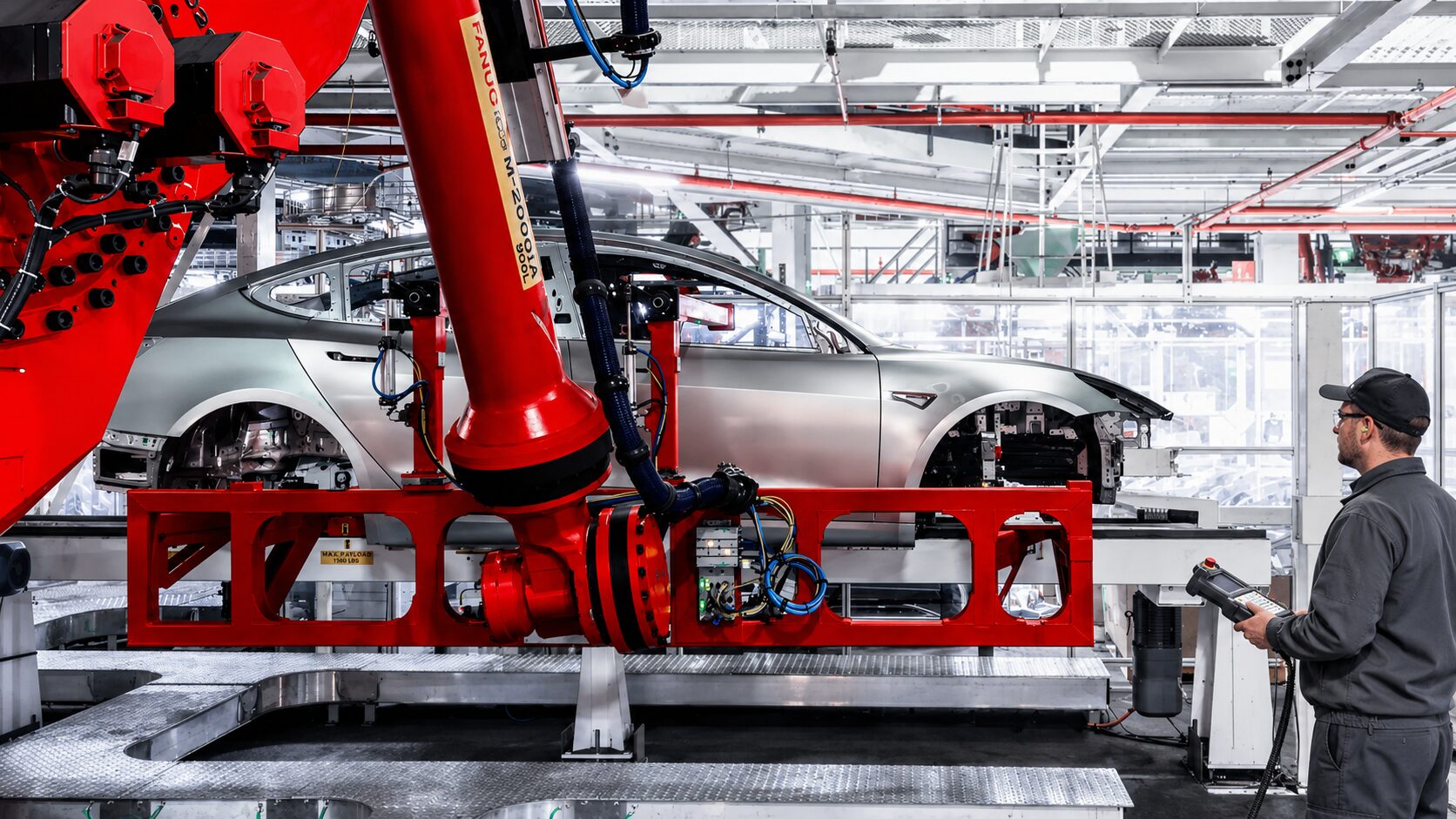
An automation retrofit upgrades how an existing production line moves, detects parts, controls sequences, communicates and interacts with operators.
It can include new sensors, actuators, PLC logic, HMIs, drives, safety devices, communication networks and process control systems.
SEETECH develops automation retrofits for manufacturers that want to increase productivity, reduce manual intervention and improve process stability without replacing the complete production line.
4. When should a machine be retrofitted instead of replaced?
A machine should be considered for retrofit when the mechanical structure is still valuable but the controls, safety systems, sensors or worn components are limiting performance.
This is common when a machine still performs its core function but suffers from obsolete electronics, poor diagnostics, unreliable components, missing traceability or outdated safety architecture.
A properly planned industrial machine retrofit can extend equipment life, reduce capital expenditure and bring old machines closer to modern production standards.
5. What is included in a machine safety retrofit?
A machine safety retrofit upgrades the protective systems used to reduce risk for operators, maintenance technicians and production personnel.
Depending on the machine, this can include safety PLCs, emergency stops, interlocks, guards, light curtains, safety scanners, access control, safety relays and updated safety circuits.
SEETECH can integrate safety upgrades into automation cells, presses, test benches, conveyors, robotic systems and machines where operators work close to moving parts.
6. Can guards and interlocks be added to existing machines?
Yes. Existing machines can often be upgraded with physical guards, interlocking devices, access controls and safety sensors.
These upgrades help control access to hazardous areas and reduce the risk of unexpected movement during operation, cleaning, adjustment or maintenance.
A good retrofit does not only add safety devices. It also checks how the machine is used, where operators interact with it and how safety functions are connected to the control system.
7. Can machine vision be added to old industrial equipment?
Yes. Machine vision can be added to existing machines to improve inspection, positioning, quality control, barcode reading, traceability and process validation.
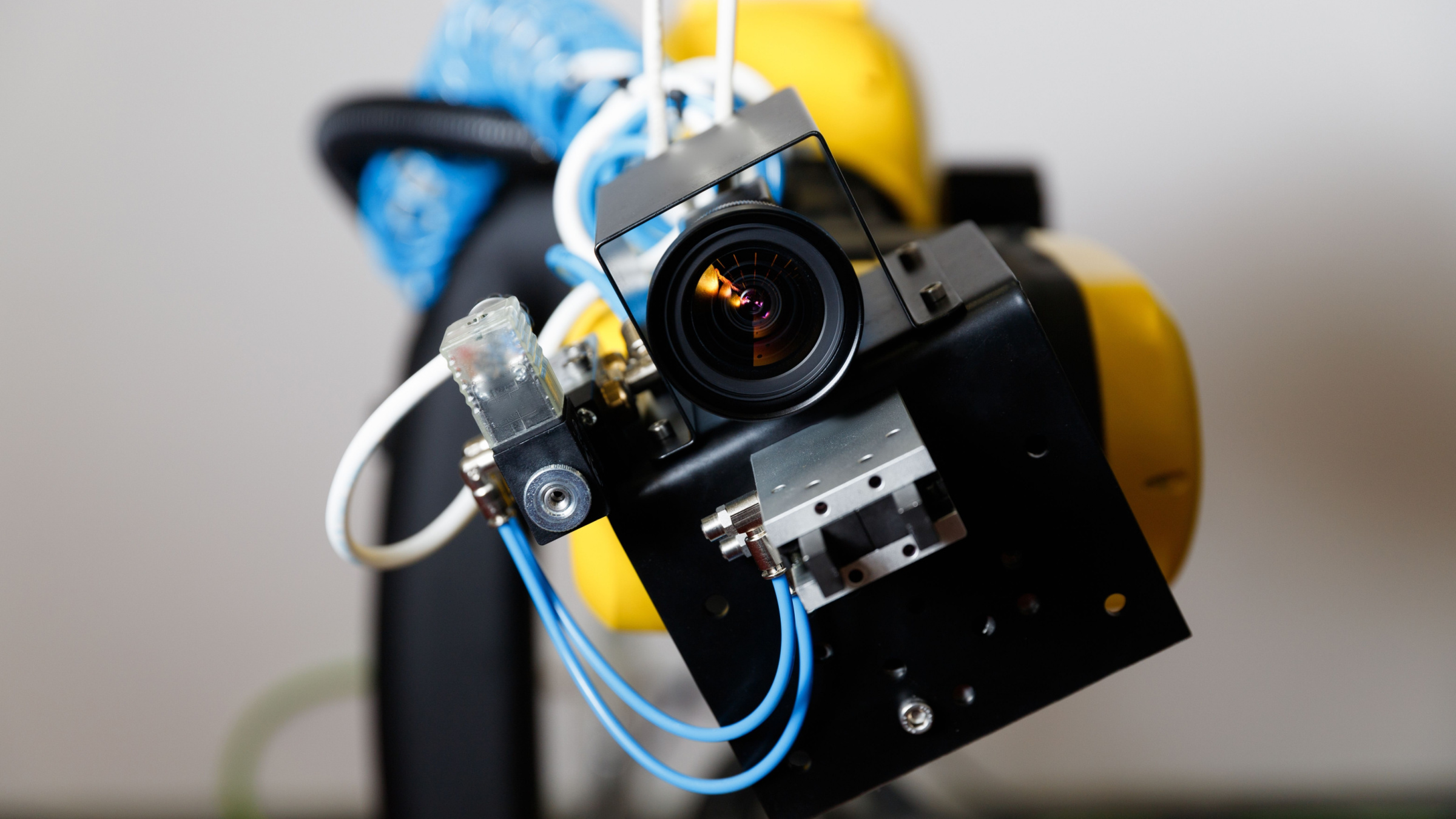
A machine vision retrofit can include industrial cameras, lenses, lighting, sensors, image processing software, reject logic and communication with the PLC or factory database.
SEETECH integrates machine vision into legacy equipment when manufacturers need better quality control from machines that were not originally designed with modern inspection capabilities.
8. How can a retrofit add Industry 4.0 capabilities?
An Industry 4.0 retrofit connects existing machines to modern data, monitoring and traceability systems.
This can include production counters, alarms, machine states, cycle times, barcode readers, sensors, data acquisition, remote diagnostics and connection to MES or factory databases.
By adding these capabilities, legacy equipment becomes easier to monitor, troubleshoot and integrate into a smarter production environment.
9. Does a retrofit require stopping production?
Most machine retrofit projects require some planned downtime, but the objective is to control that downtime instead of waiting for an unexpected failure.
The retrofit can be planned in stages, with engineering, electrical preparation, software development and component procurement completed before the machine is stopped.
SEETECH can help define a retrofit plan that reduces production disruption, improves safety during intervention and brings the machine back into operation in a controlled way.
10. How long does an industrial machine retrofit take?
The duration depends on the machine condition, retrofit scope, electrical complexity, mechanical work, software requirements and production constraints.
A simple PLC or HMI retrofit may be faster, while a complete modernization involving controls, safety systems, mechanical rebuilding, machine vision and data integration requires more engineering and commissioning time.
A typical retrofit project includes machine assessment, concept definition, electrical and mechanical engineering, component selection, software development, installation, testing, validation and operator training.