CONTROL CABINET DESIGN AND ELECTRICAL ENGINEERING
Reliable control cabinet design starts before the first component is installed.
We design industrial control cabinets around the machine, production process, available space, electrical requirements, safety functions and maintenance needs.
Our engineering team develops electrical schematics, cabinet layouts, cable routing, terminal plans and component specifications using professional design tools such as EPLAN, AutoCAD Electrical and 3D modelling software.
The result is a cabinet engineered for clean installation, easy troubleshooting, long-term serviceability and stable operation in real industrial environments.
ELECTRICAL CONTROL PANEL MANUFACTURING
Industrial buyers need electrical control panel manufacturing that is accurate, repeatable and ready for production use.
We manufacture electrical panels and industrial control cabinets for machinery, automation systems, testing equipment, robotics cells, production lines and industrial facilities.
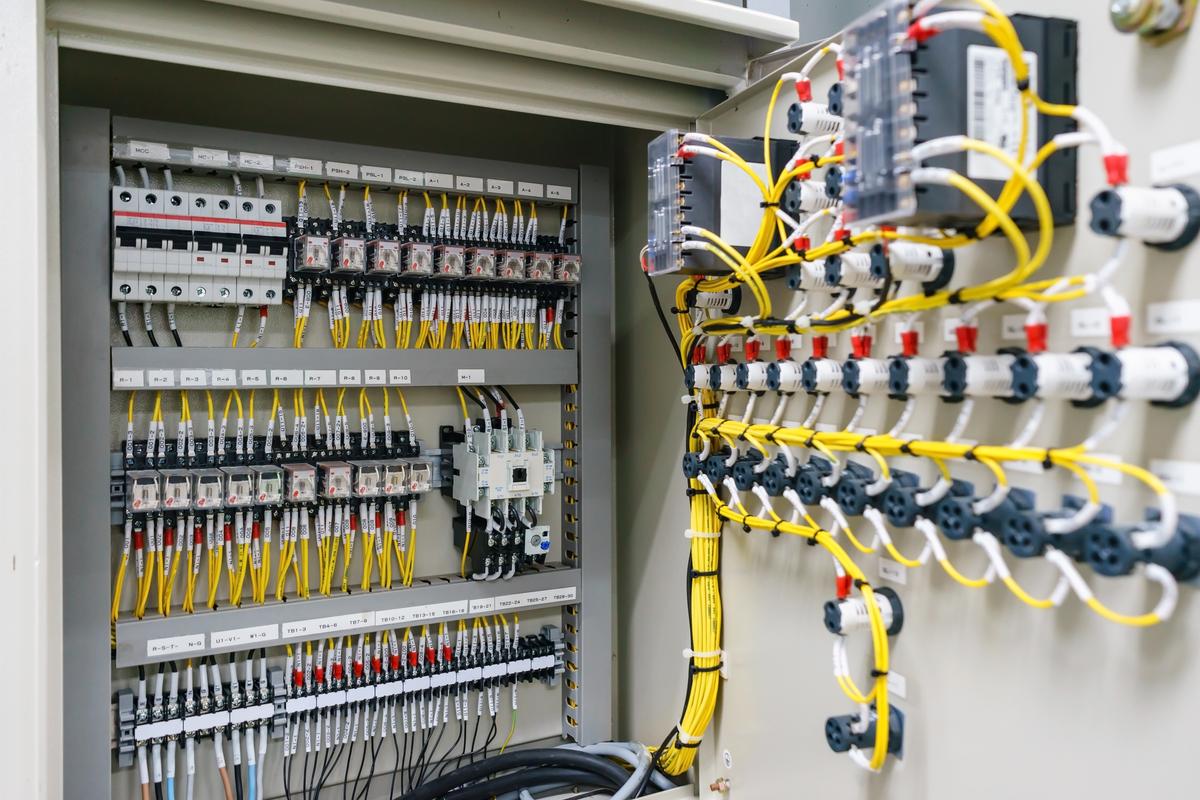
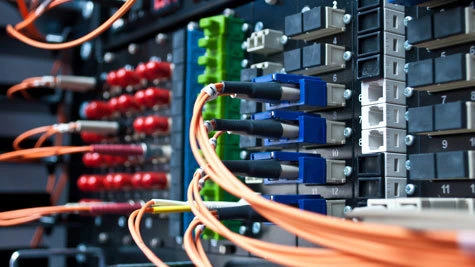
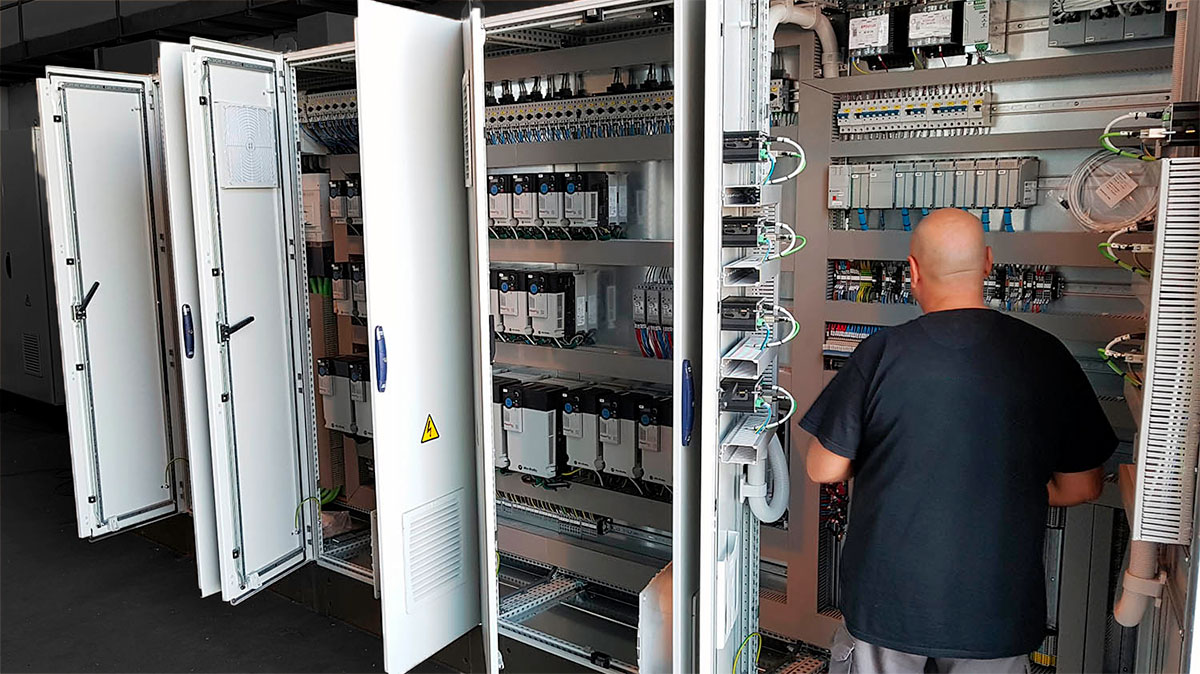
Each cabinet is assembled with disciplined wiring methods, labelled components, organized cable routing and a layout designed for maintenance access.
From one-off custom panels to small series production, our process keeps quality consistent while adapting each build to the customer’s technical requirements and preferred component brands.
PLC, HMI AND AUTOMATION CONTROL CABINETS
Modern machines need more than a basic electrical enclosure.
Our industrial control cabinets can integrate PLCs, HMIs, drives, remote I/O, safety relays, sensors, actuators, communication modules and machine control hardware.
Through precise control cabinet design, we make sure the automation architecture is clear, maintainable and compatible with the rest of the production system.
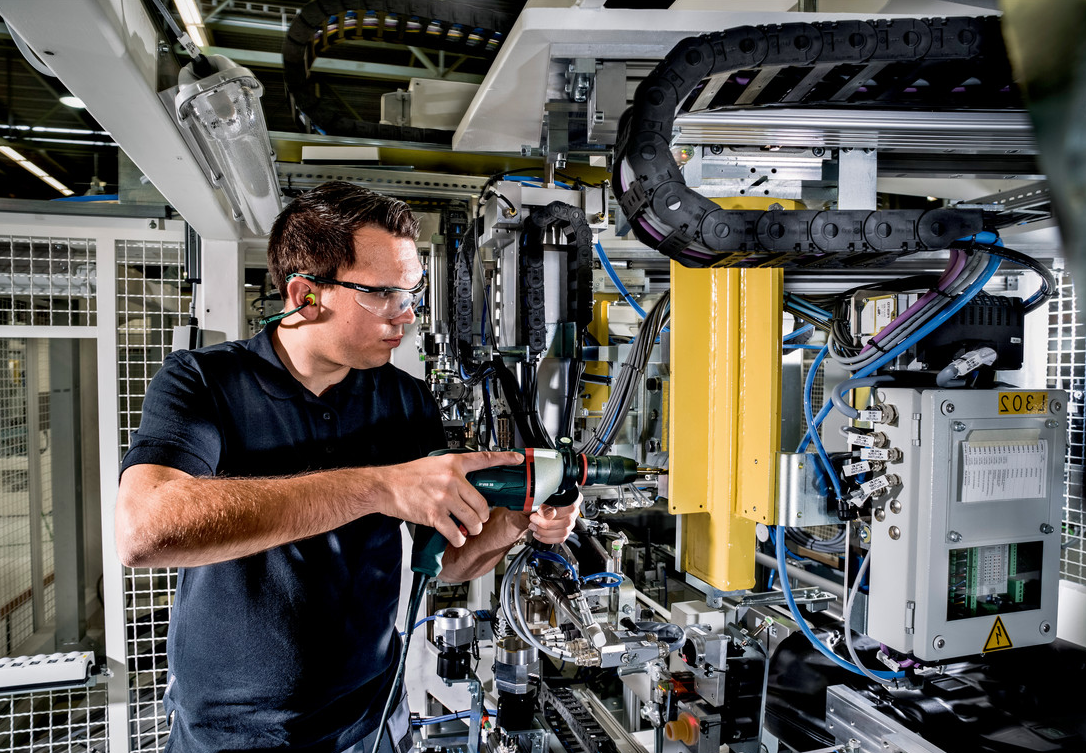
These cabinets are built for industrial automation, robotics, testing systems, calibration machines, conveyors, assembly stations and process control applications where reliability and fast fault diagnosis matter.
TESTED CONTROL CABINETS FOR SAFETY AND COMPLIANCE
A control cabinet is not finished when the wiring is complete.
Every cabinet must be tested, verified and documented before it is installed in a production environment.
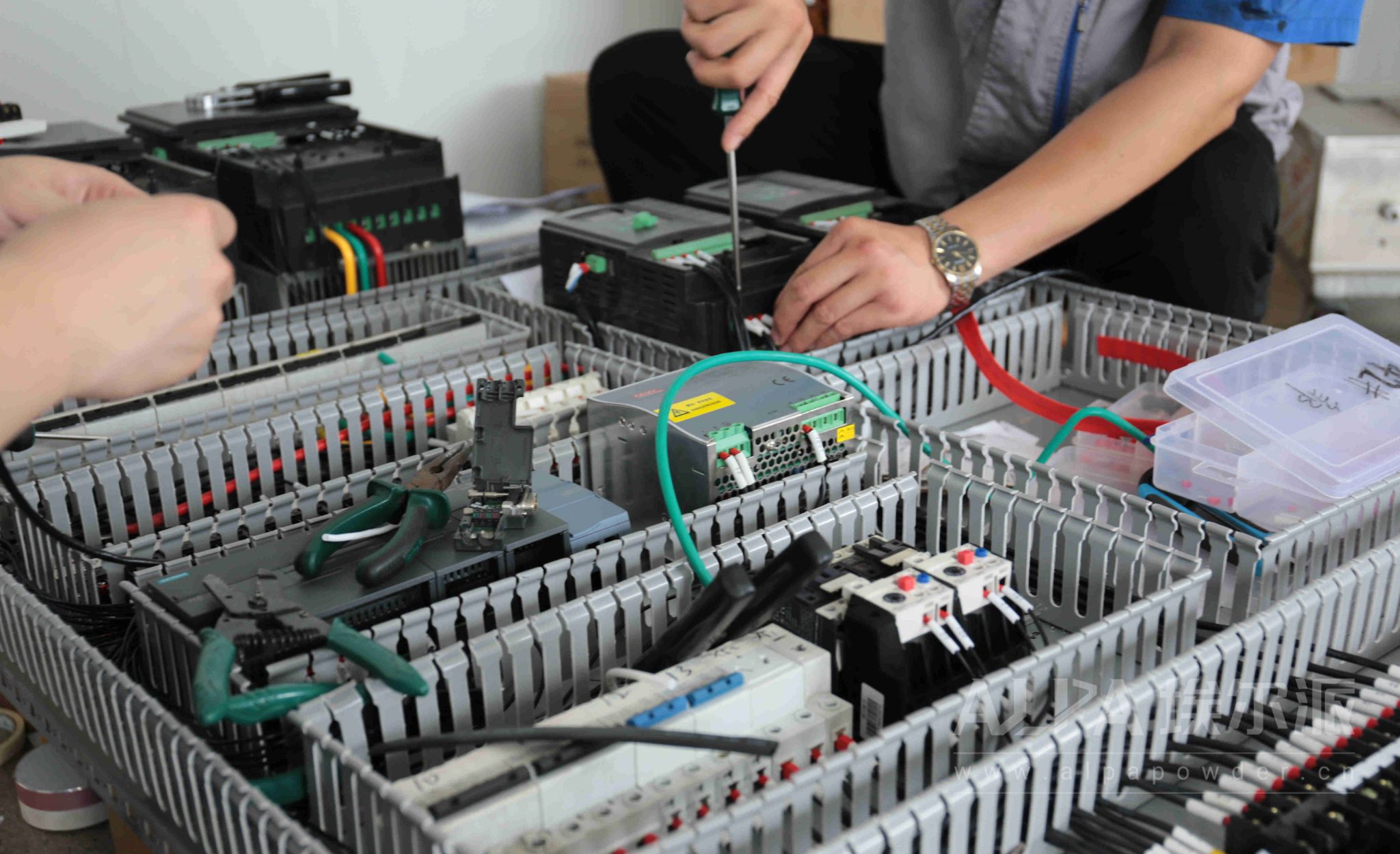
Our electrical control panel manufacturing process includes functional checks, electrical safety verification, insulation resistance testing, component inspection and, when required, FAT and SAT support.
We design and build cabinets with CE, UL and IEC requirements in mind, helping customers receive a documented, traceable and production-ready system. UL also treats industrial control panel quality control and manufacturer knowledge as key parts of its control panel program
INSTALLATION, COMMISSIONING AND WORLDWIDE DELIVERY
Good control cabinet design only delivers value when the cabinet is installed, connected and commissioned correctly.
We support delivery, installation and commissioning of industrial control cabinets at the customer’s facility, whether the project is in Spain, Europe or overseas.
Our team verifies connections, checks signals, supports machine start-up, validates integration with the automation system and provides the required technical documentation.
This gives manufacturers a complete service: engineering, electrical control panel manufacturing, testing, installation and commissioning from one supplier.
LET’S DISCUSS YOUR INDUSTRIAL CONTROL CABINET PROJECT
Tell us about your machine, automation system, or electrical requirements. Our engineering team will review your cabinet design, manufacturing, testing, and commissioning needs.
1. What are industrial control cabinets?
Industrial control cabinets are electrical enclosures that house the control, power, automation and safety components used to operate industrial machines and production systems.
They can include PLCs, HMIs, drives, power supplies, circuit protection, safety relays, communication modules, terminals and wiring for sensors, actuators, motors and machine devices.
SEETECH designs and manufactures these cabinets for machinery, automation systems, robotic cells, testing equipment, calibration machines and production lines.
2. Why is good control cabinet design important?
Good cabinet design improves reliability, safety, troubleshooting, maintenance access and long-term serviceability.
A poorly designed cabinet can create wiring errors, overheating problems, difficult diagnostics, unsafe interventions and unnecessary production downtime.
SEETECH designs each cabinet around the machine, available space, electrical requirements, safety functions, cable routing and maintenance needs.
3. What is included in electrical control panel manufacturing?
Electrical control panel manufacturing includes enclosure preparation, mounting plate assembly, component installation, wiring, cable labelling, terminal connection, inspection and testing.
Each panel should be built according to the electrical schematics, cabinet layout, component specifications and project requirements.
SEETECH manufactures electrical cabinets with organized wiring, labelled components, clean cable routing and layouts designed for easy maintenance and troubleshooting.
4. What components are used inside a control cabinet?
A control cabinet can include PLCs, HMIs, servo drives, variable frequency drives, remote I/O, safety relays, power supplies, circuit breakers, contactors, relays, terminals and communication modules.
Depending on the machine, the cabinet may also connect to sensors, actuators, motors, pneumatic valves, robots, conveyors, vision systems, test benches and operator stations.
The internal layout must be clear, accessible and correctly engineered so the system can operate reliably in real industrial conditions.
5. How do control cabinets support automation systems?
Control cabinets are the central electrical and automation point for many machines because they contain the hardware that manages sequences, signals, safety logic and operator interaction.
The PLC controls the automation process, while the HMI allows operators to manage machine functions, view alarms, check diagnostics and monitor production status.
SEETECH builds these systems for automation lines, robotics cells, conveyors, assembly machines, testing systems and calibration equipment.
6. Why is clean wiring important in electrical cabinets?
Clean wiring is essential because it makes installation, inspection, troubleshooting and maintenance faster and safer.
Organized wiring reduces confusion, helps technicians identify components quickly and lowers the risk of mistakes during repairs or future modifications.
SEETECH uses disciplined wiring methods, labelled cables, organized routing and layouts designed for long-term service access.
7. How are control cabinets tested before delivery?
Control cabinets should be tested before delivery to verify that wiring, components, safety circuits and control functions match the project requirements.
Testing can include visual inspection, continuity checks, insulation resistance testing, electrical safety verification, component inspection, functional testing and signal validation.
SEETECH can also support FAT and SAT procedures when panels must be validated before installation or final commissioning.
8. What standards apply to electrical control panels?
Electrical control panels may need to consider CE, IEC, UL, NFPA and machinery safety requirements depending on the machine, destination market and customer specifications.
Relevant requirements can involve electrical equipment of machines, industrial control panels, machinery safety, low-voltage assemblies and safety-related control systems.
SEETECH designs and manufactures cabinets with documentation, traceability and compliance requirements in mind.
9. Can control cabinets be customized for special machines?
Yes. Control cabinets can be customized for special machinery, robotic cells, test benches, calibration stations, conveyors, assembly equipment and complete production lines.
Custom panels are useful when standard solutions do not match the machine layout, control architecture, component preferences, safety requirements or production environment.
SEETECH can manufacture one-off custom cabinets or small series adapted to the customer’s technical requirements and preferred component brands.
10. What is included in control cabinet installation and commissioning?
Control cabinet installation and commissioning includes delivery, positioning, electrical connection, signal checks, machine start-up support, automation integration and documentation review.
During commissioning, the cabinet is connected to the machine, PLC signals are verified, operator functions are tested and the control system is validated under real production conditions.
SEETECH supports industrial control cabinets from engineering and manufacturing to installation, commissioning and worldwide delivery.