AUTOMATED INSPECTION FOR MODERN FACILITIES
IInspection robotics is not only about sending a mobile robot through a facility. In a real industrial environment, it combines autonomous mobility, sensor payloads, AI vision, route planning, alarm logic and industrial data integration into one repeatable inspection process.
SEETECH develops inspection robotics solutions for companies that need more than occasional manual rounds. Our systems help factories, warehouses, utilities and technical facilities automate inspections, detect abnormal conditions, capture structured data and deliver useful alerts for maintenance, safety and operations teams.
Each project is designed around the real site conditions: inspection routes, critical assets, access limitations, environmental conditions, communication infrastructure and the information that operators actually need. From thermal inspection and acoustic leak detection to gauge reading, gas monitoring and remote walkthroughs, SEETECH builds robotic inspection solutions that are practical, traceable and ready for daily industrial use.
Our engineering team combines robotics integration, machine vision, industrial automation, sensor configuration, dashboard development, commissioning and support. This allows us to deliver industrial inspection automation systems that do not depend on the robot alone, but on a complete solution adapted to the facility, the process and the operational objectives of the customer.
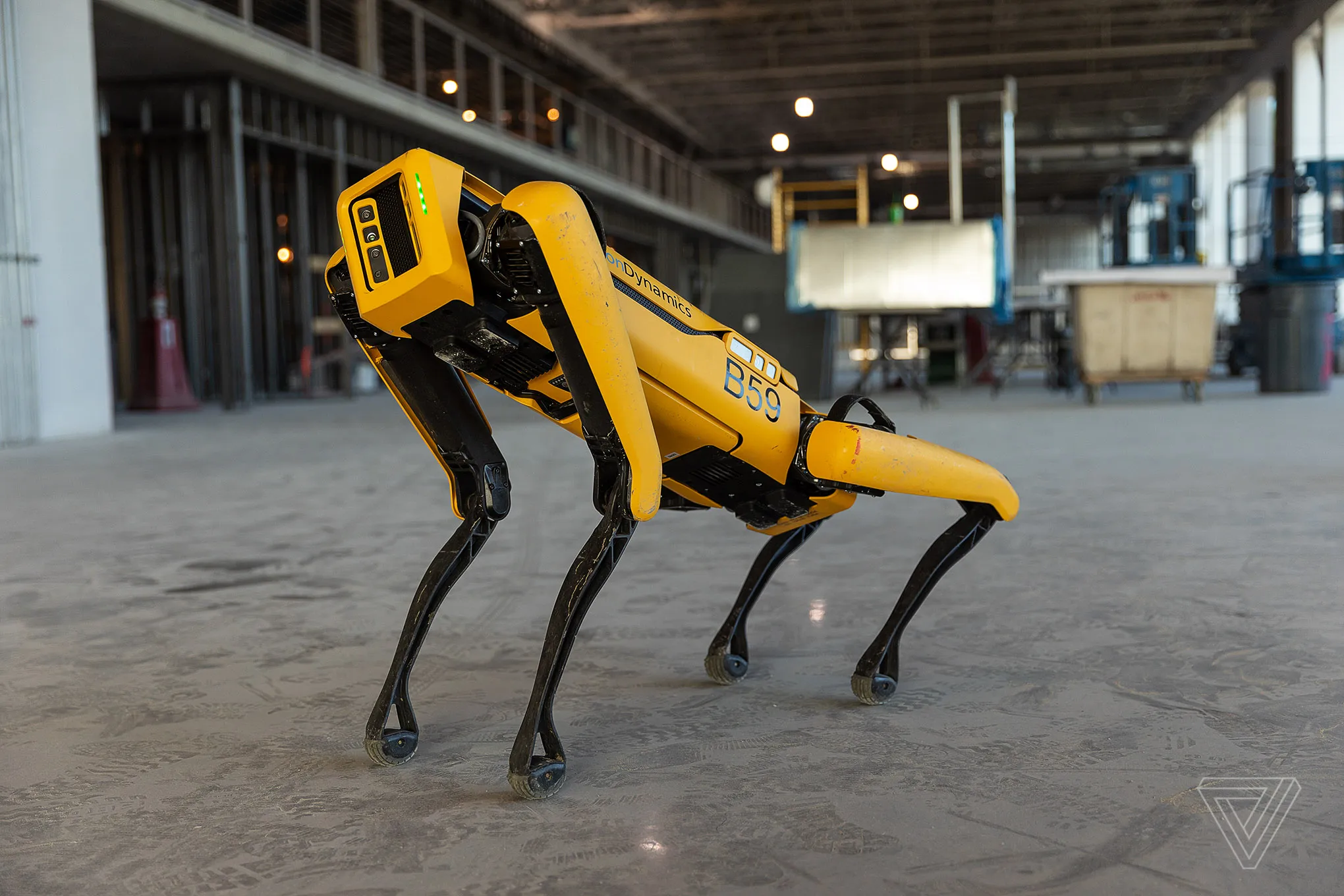
MOBILE INSPECTION ROBOTS
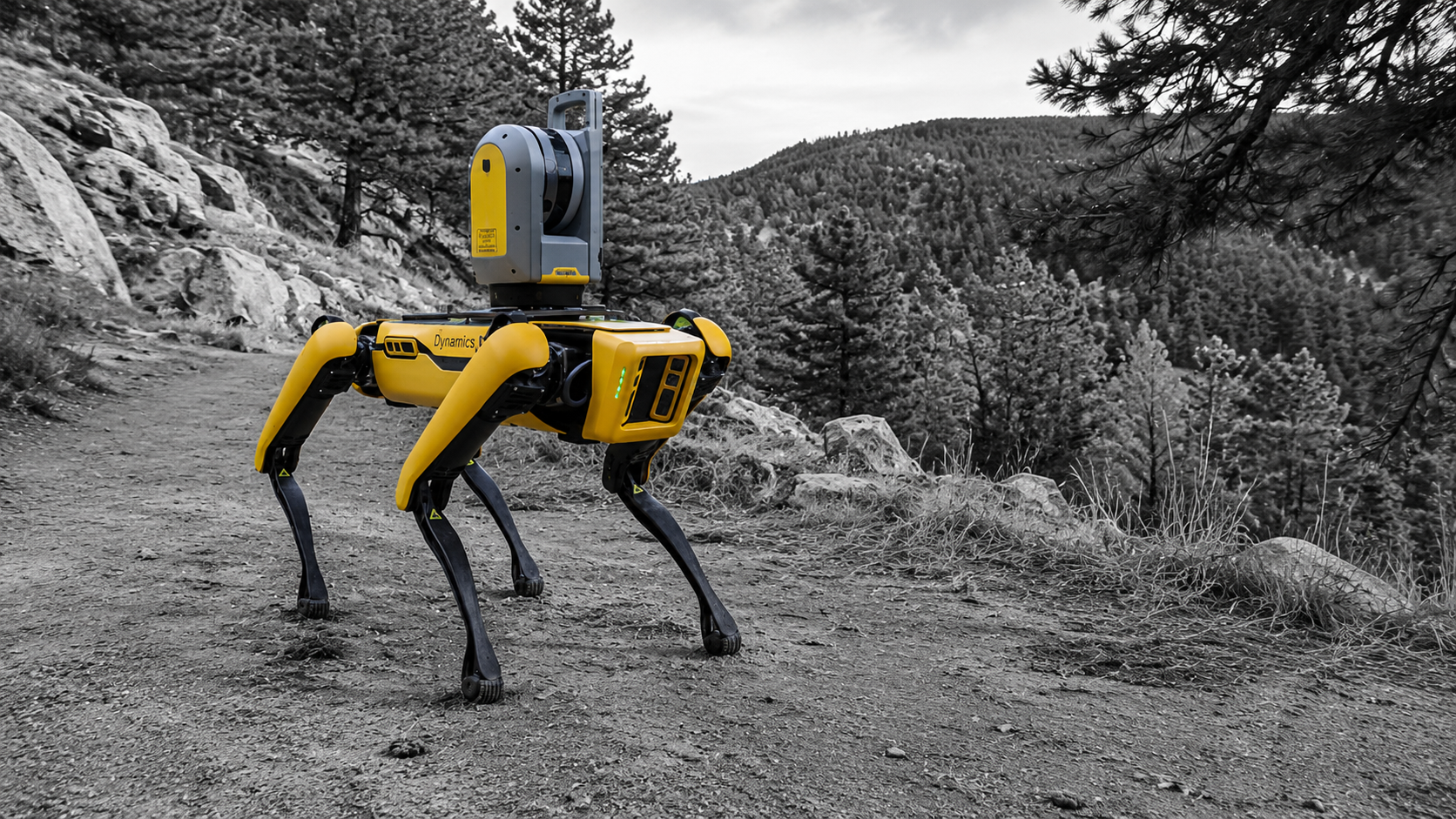
Inspection robotics allows industrial sites to automate repetitive inspection rounds using mobile robots equipped with cameras, sensors and intelligent data capture tools.
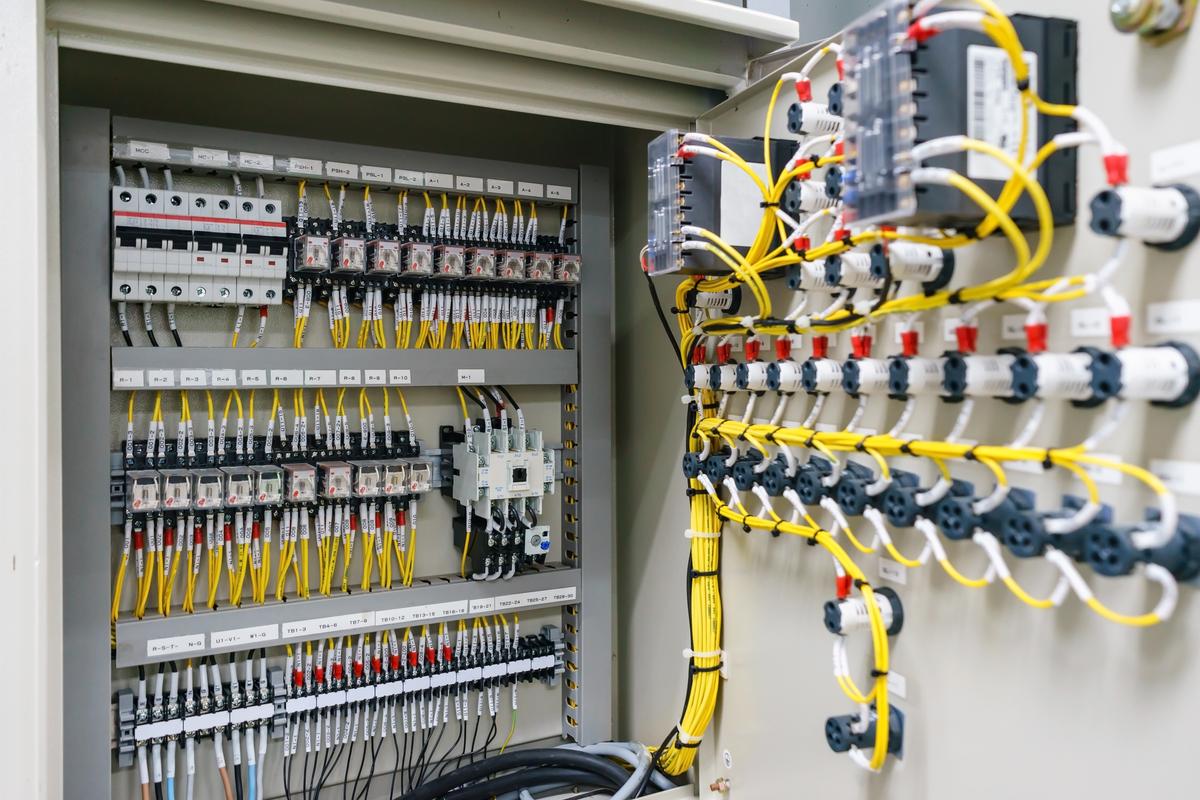
SEETECH integrates autonomous mobile robots for factories, warehouses, utilities and technical facilities where operators currently perform manual checks on equipment, gauges, valves, electrical cabinets, production areas or restricted zones.
Each robotic inspection solution can follow predefined routes, capture structured data, detect abnormal conditions and generate alerts.
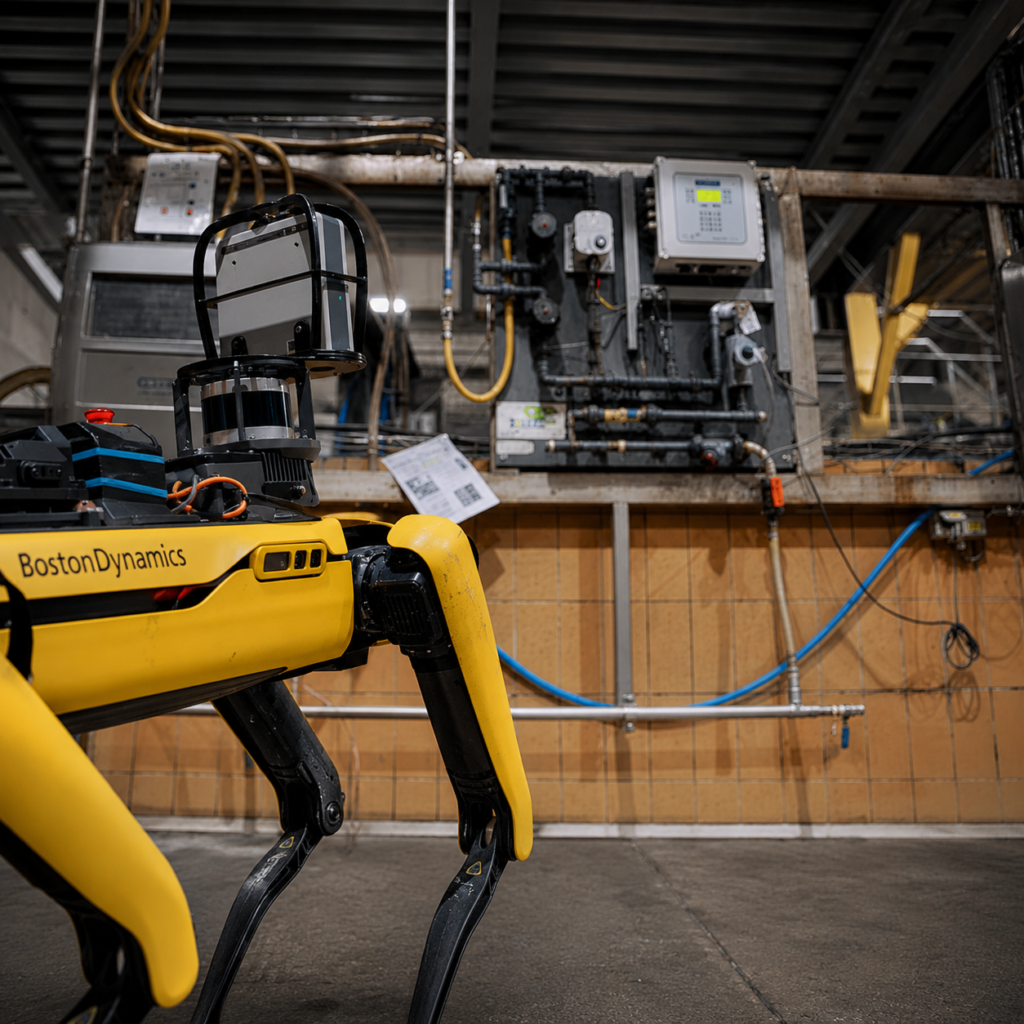
THERMAL INSPECTION
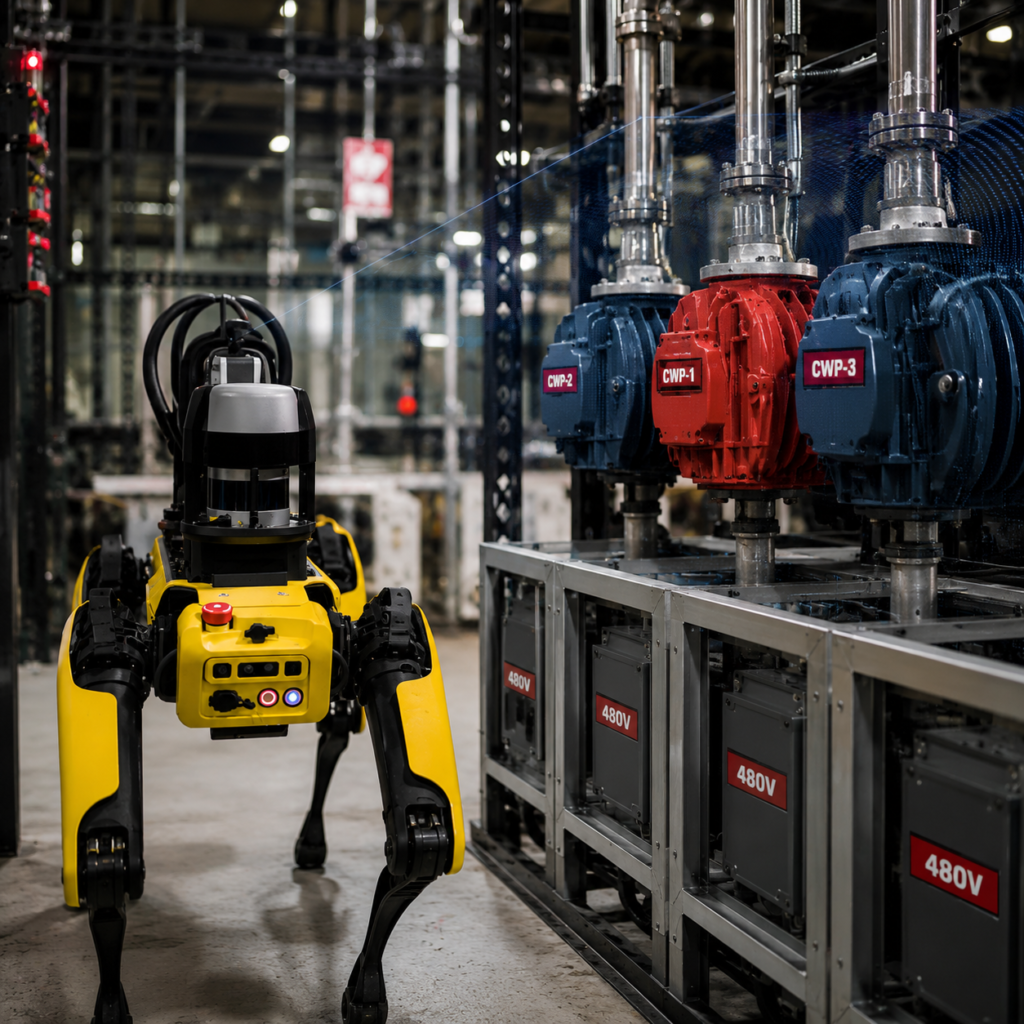
Thermal inspection is one of the most valuable applications for inspection robotics in industrial environments. Mobile robots equipped with thermal cameras can inspect electrical cabinets, motors, bearings, compressors, pumps, conveyors, transformers and other critical assets without requiring operators to repeat the same route manually every day.
SEETECH configures the robot route, thermal camera position, inspection distance, capture angle, temperature thresholds and reporting logic so abnormal heat patterns can be detected early and converted into actionable maintenance alerts.
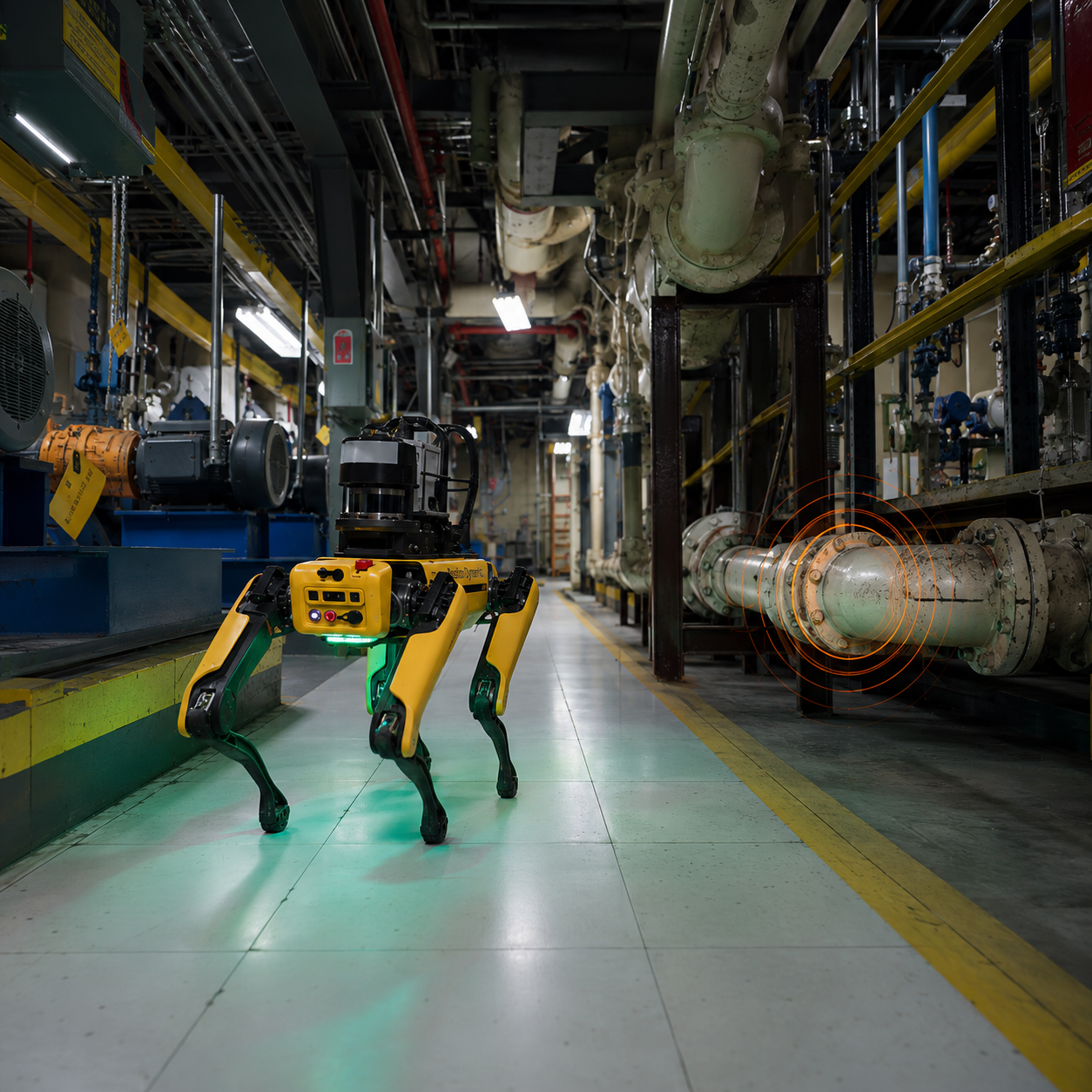
ACOUSTIC LEAK DETECTION
Compressed air leaks, vacuum leaks, steam leaks and abnormal mechanical noises are common sources of hidden cost inside industrial plants. SEETECH integrates inspection robotics with acoustic sensors or acoustic cameras to detect sound anomalies while the robot moves through predefined areas of the facility.
The system can locate leaks in compressed air networks, pneumatic fittings, valves, hoses and production equipment without depending only on occasional manual audits.
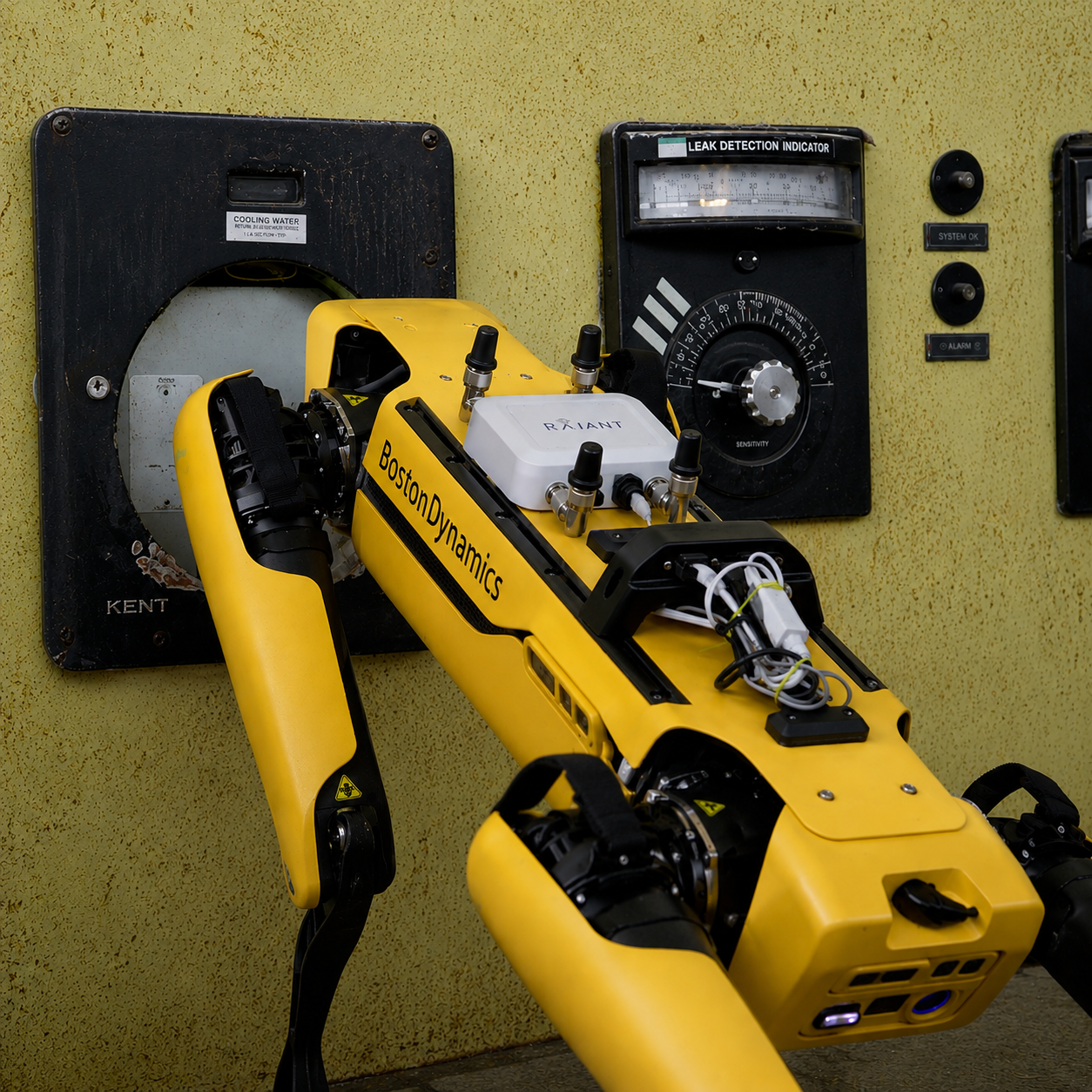
GAUGE & VALVE READING
Many industrial facilities still depend on analog gauges, manometers, local displays, indicator lamps, valve positions and equipment status signals that are not connected to SCADA or plant databases. SEETECH uses AI vision and inspection robotics to capture and interpret these physical indicators automatically during robot missions.
The system can read gauge values, verify whether valves are open or closed, detect warning lights, capture local HMI screens and document equipment status without replacing the existing field devices. This creates a practical bridge between older industrial assets and modern industrial inspection automation.
GAS DETECTION
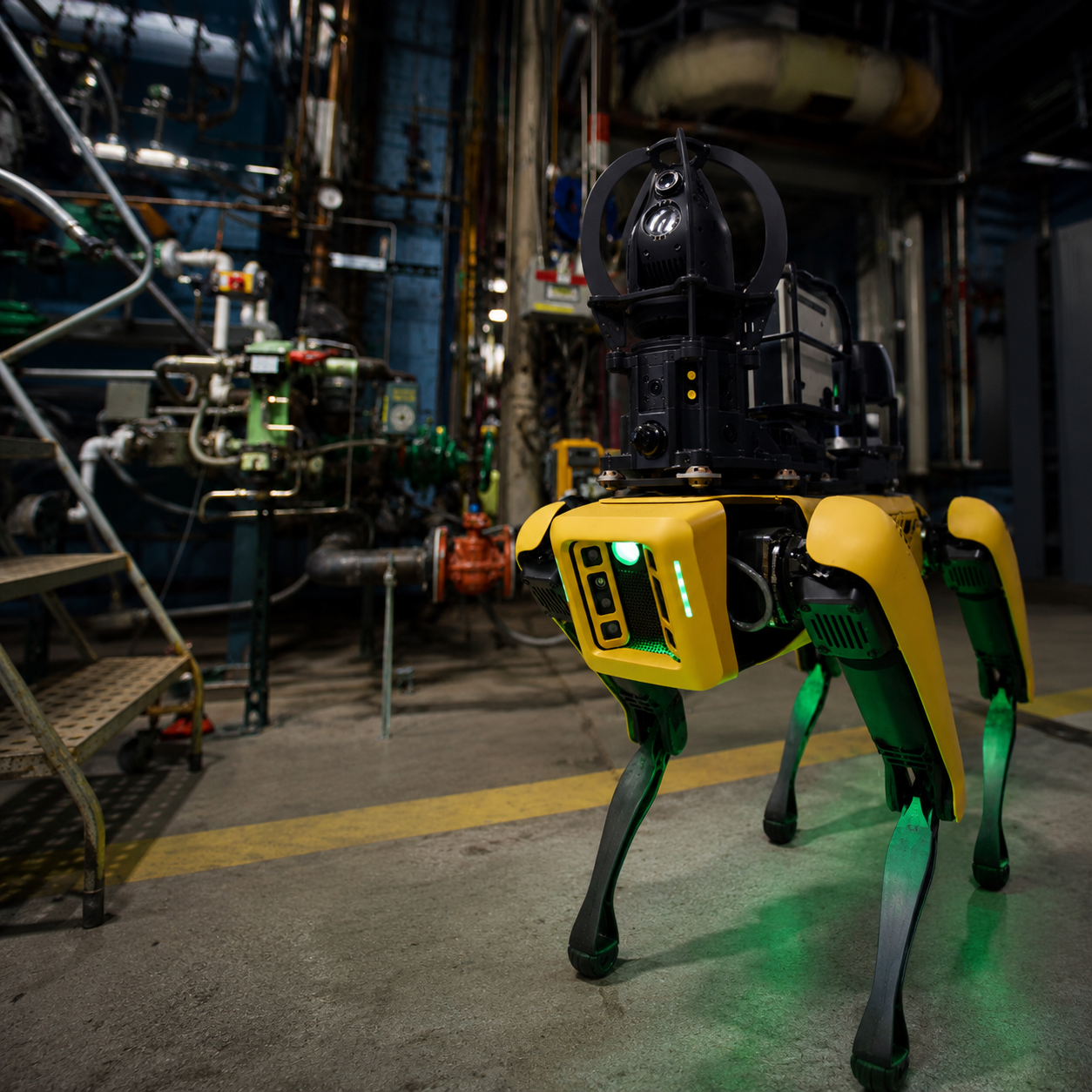
Inspection robotics can reduce unnecessary human exposure in areas where gas detection, environmental monitoring or access control is important. Mobile robots can be equipped with gas sensors, environmental sensors, cameras and alarm systems to inspect technical rooms, chemical areas, utilities, energy facilities, storage zones or restricted industrial areas.
SEETECH integrates the robot platform, sensor payload, inspection route, alarm thresholds and reporting tools according to the risks and operating procedures of each site. These robotic inspection solutions can perform scheduled checks, collect gas concentration data, document abnormal readings and send alerts to operators.
SECURITY PATROLS
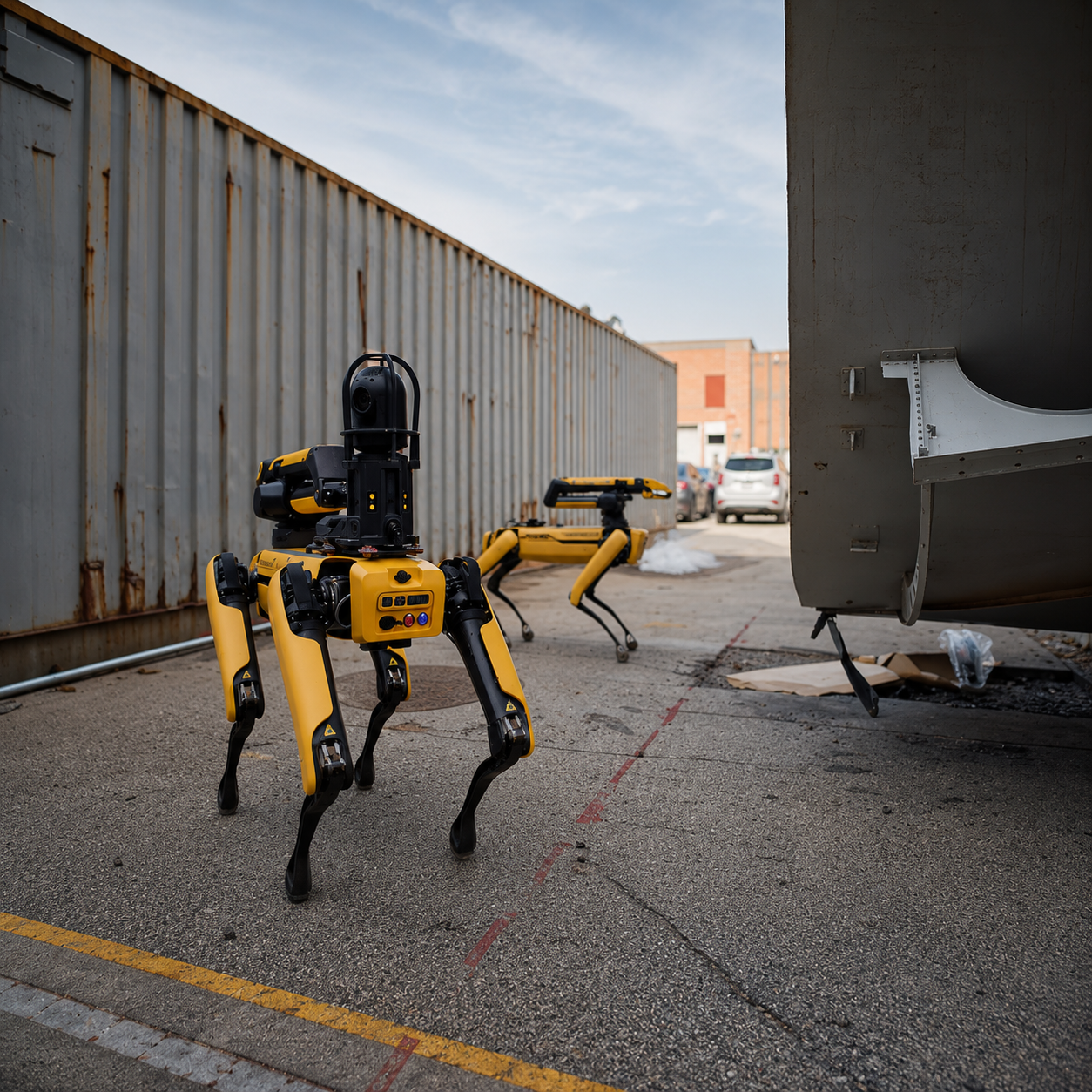
Inspection robotics can also support security operations in large factories, warehouses, logistics centers and industrial sites with multiple buildings or restricted areas.
Mobile robots can patrol predefined routes during night shifts, weekends or low-activity periods, capturing video, detecting open doors, checking access points, identifying blocked corridors and reporting abnormal situations to remote operators.
SEETECH configures the patrol logic, inspection points, video capture, alerts and operator interface around the real security needs of the facility.
REMOTE WALKTHROUGHS
Large industrial sites are difficult to document consistently, especially when facilities change over time or when external specialists need to review equipment without travelling to the site.
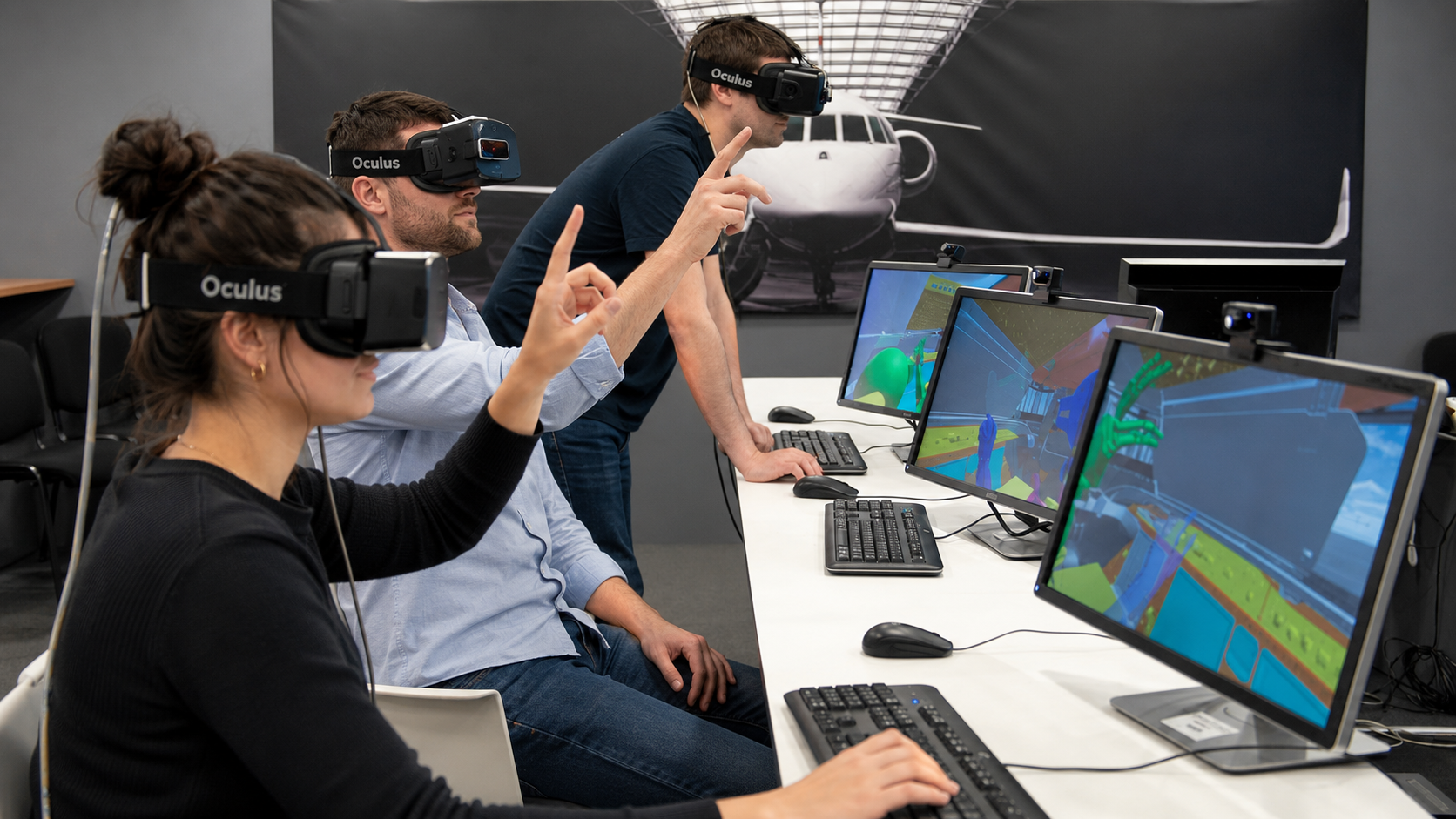
SEETECH integrates inspection robotics with 360º cameras, standard cameras, LiDAR sensors or mapping tools to support remote walkthroughs, visual documentation, engineering reviews, maintenance planning, supplier support and digital site capture. The robot can follow the same route periodically and collect comparable images or spatial data, creating an updated visual record of the installation.
READY TO AUTOMATE YOUR INDUSTRIAL INSPECTIONS?
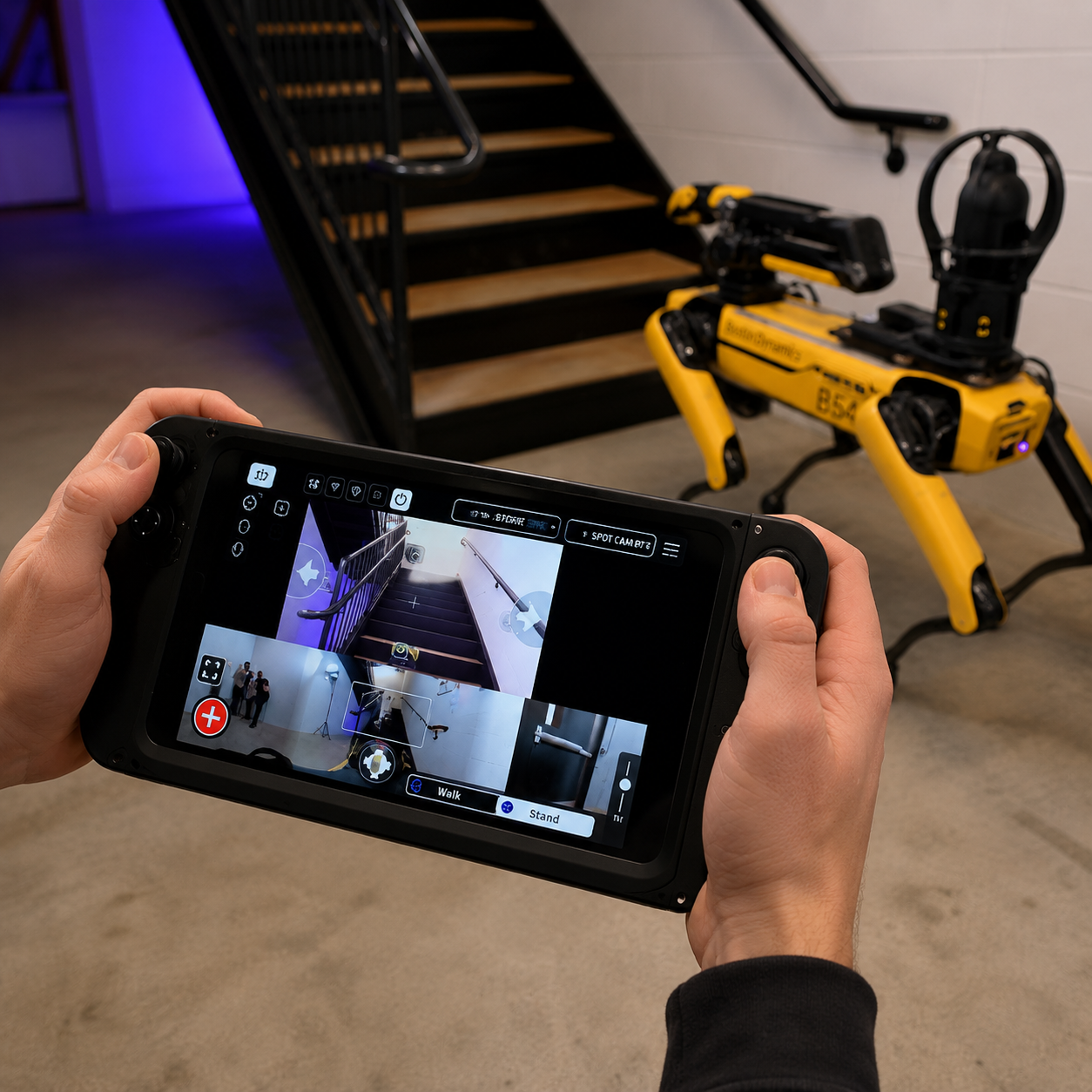
Share your inspection needs, site layout, critical equipment and current manual routines. SEETECH will help you define a practical inspection robotics project, from mobile robot selection and sensor payloads to AI vision, alert logic, dashboards and integration with your industrial systems.
1. What is inspection robotics?
Inspection robotics is the use of mobile robots, sensors, cameras and automation software to inspect industrial sites in a repeatable and documented way. Instead of sending operators to perform the same manual rounds every day, a robotic inspection system can follow predefined routes, capture data, detect abnormal conditions and report results to maintenance, safety or operations teams.
In industrial environments, these systems can be used for thermal checks, acoustic leak detection, gauge reading, valve verification, gas monitoring, security patrols and remote site documentation. Autonomous mobile robots are part of the wider professional service robot category described by the International Federation of Robotics.
2. Where can industrial inspection automation be used?
Industrial inspection automation can be used in factories, warehouses, utilities, technical rooms, logistics centers, energy facilities, chemical areas and large industrial sites where equipment must be checked regularly. The objective is to increase inspection frequency, reduce repetitive manual work and create better records of what is happening in the facility.
Typical inspection points include electrical cabinets, pumps, motors, compressors, conveyors, pipes, valves, pressure gauges, access doors, restricted areas and safety-critical zones. Platforms such as Boston Dynamics Spot for industrial inspection show how mobile robots can be deployed for autonomous data capture in real industrial environments.
3. What can an inspection robot detect?
An inspection robot can detect different types of conditions depending on the sensor payload installed on the platform. With the correct integration, it can identify abnormal temperatures, compressed air leaks, gas presence, open doors, blocked access points, gauge values, valve positions, warning lights, equipment status and visual changes in the facility.
The robot itself is only one part of the system. The useful result comes from combining robot mobility with thermal cameras, acoustic sensors, gas detectors, AI vision, route planning, dashboards and alarm logic. Industrial robot platforms such as ANYbotics autonomous inspection systems show how different inspection tasks can be automated with specialized payloads and data tools.
4. How does thermal inspection work with mobile robots?
Thermal inspection uses infrared cameras to detect abnormal heat patterns in equipment such as electrical cabinets, motors, bearings, transformers, compressors, pumps and conveyors. When the camera is mounted on a mobile robot, the same inspection points can be checked repeatedly from similar positions, making the data easier to compare over time.
This is useful for predictive maintenance because overheating components can often be detected before they cause downtime. Robotic thermal inspection applications, such as the thermal sensing solutions described by Boston Dynamics thermal inspection, are designed to help detect overheating or malfunctioning equipment through autonomous routes.
5. Can inspection robots detect compressed air leaks?
Yes. Inspection robots can be equipped with acoustic sensors or acoustic cameras to detect compressed air leaks, vacuum leaks, steam leaks and other sound anomalies in industrial equipment. The robot can move through predefined areas, listen for abnormal acoustic signatures and record the location of potential leaks for maintenance teams.
This matters because compressed air leaks are a direct energy cost in many factories. The U.S. Department of Energy provides guidance on the importance of reducing leaks in compressed air systems through its compressed air leak reduction guidance. A robotic system can make this type of inspection more frequent, more traceable and less dependent on occasional manual audits.
6. Can robots read gauges, valves and local indicators?
Yes. AI vision can allow a mobile robot to read analog gauges, manometers, valve positions, warning lights, local displays and equipment labels during an inspection route. This is valuable in older installations where many field devices are still physical and are not connected directly to SCADA or a plant database.
Instead of replacing every gauge or valve with a digital sensor, the robot can capture visual information and convert it into structured inspection data. This creates a practical bridge between existing industrial assets and modern monitoring systems, especially when combined with asset management principles such as those described in ISO 55000 asset management.
7. How are robotic inspection results connected to industrial systems?
Robotic inspection data can be connected to dashboards, databases, SCADA platforms, maintenance systems, MES software or custom reporting tools. The robot can collect images, sensor readings, alerts, route status, timestamps and inspection results, then send that information to the systems used by maintenance and operations teams.
For industrial communication, many automation projects use standards and technologies such as OPC UA, which supports structured data exchange between machines, control systems and higher-level software. This is what turns a mobile robot from a standalone device into part of the industrial automation architecture.
8. Are robotic inspection solutions useful for safety and hazardous areas?
Robotic inspection solutions can help reduce unnecessary human exposure in areas that are repetitive, uncomfortable, remote or potentially hazardous. A mobile robot can perform scheduled checks in technical rooms, utility areas, chemical zones, storage areas or restricted access zones while operators review the information remotely.
These systems do not replace certified safety systems, but they can add an extra layer of monitoring and documentation. This supports the wider objective of improving workplace risk management, which is also central to ISO 45001 occupational health and safety management.
9. What is the difference between a robot demo and a real inspection robotics project?
A robot demo shows that the robot can move, record video or capture sensor data. A real inspection robotics project defines what must be inspected, where the robot must go, what data must be captured, how anomalies are detected, who receives the alert and how the result becomes useful for maintenance, safety or production.
For SEETECH, the important part is the complete integration: robot platform, payload, route planning, AI vision, sensor configuration, docking, data processing, dashboards and industrial system connection. This approach is aligned with smart manufacturing concepts such as the NIST Digital Thread for Smart Manufacturing, where operational data becomes part of a connected industrial process.
10. Why choose SEETECH for inspection robotics?
SEETECH combines robotics integration, machine vision, industrial automation, control systems, commissioning and maintenance experience to build inspection systems that are useful in real factories. The objective is not to sell a robot as isolated hardware, but to engineer a working inspection process around the site, the equipment, the sensors and the data required by the customer.
Each project can include route definition, sensor payload selection, AI vision configuration, dashboard development, alarm logic, SCADA or MES integration, operator training and support. For complex factory environments, this system-level approach fits industrial integration models such as ISA-95 enterprise-control system integration, where production systems, control layers and business data need to work together.